Dumpster Rental in Christiana, TN: Planning a Home Cleanout
Plan a dumpster rental in Christiana, TN with practical guidance on placement, truck access, project timing, loading, and what to confirm before delivery.

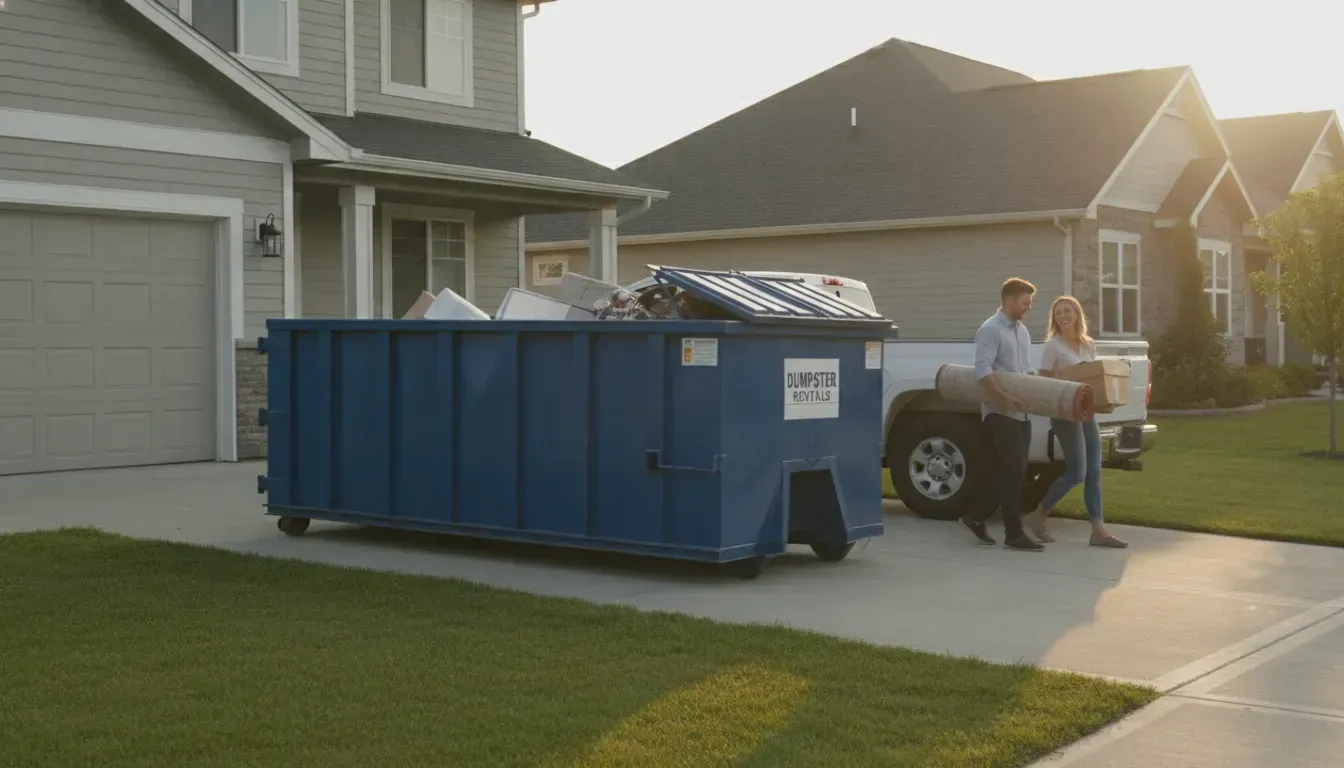
A dumpster rental Christiana TN homeowners arrange for a move, renovation, garage cleanup, or yard project works best when the placement and work sequence are planned in advance. Before requesting delivery, estimate what you will remove, inspect the truck route, and decide where the container can sit without disrupting daily access. A few careful checks can help you identify questions early and make better use of the rental period.
Discuss your project and request a service date
What should you plan before requesting delivery?
Begin with a short scope list rather than a guess about how many items will fit. Write down the rooms, outdoor areas, or work phases involved. Then list the main kinds of debris and note what you intend to keep, donate, recycle, or discard separately. A garage cleanout may be mostly boxes and bulky household items. A renovation may produce debris in stages as rooms are cleared and work progresses. Yard cleanup can depend on weather and the condition of the ground. A move may have a firm date when the property needs to be clear.
Next, put the work in order. Identify tasks you can finish before the container arrives, such as sorting belongings, clearing a route, or moving a vehicle. Identify the tasks that depend on having the container in place. This distinction helps you avoid using rental time for decisions that could have been made earlier. It also makes it easier to explain the project when you contact the company.
- List each project area and the material you expect to remove from it.
- Mark important dates, including contractor visits, move-out deadlines, and days you cannot work.
- Choose a likely placement spot and one possible alternative.
- Look for access restrictions, such as a narrow entrance, a tight turn, a slope, or overhead limbs.
- Write down questions about the materials, rental period, or site conditions before you request service.
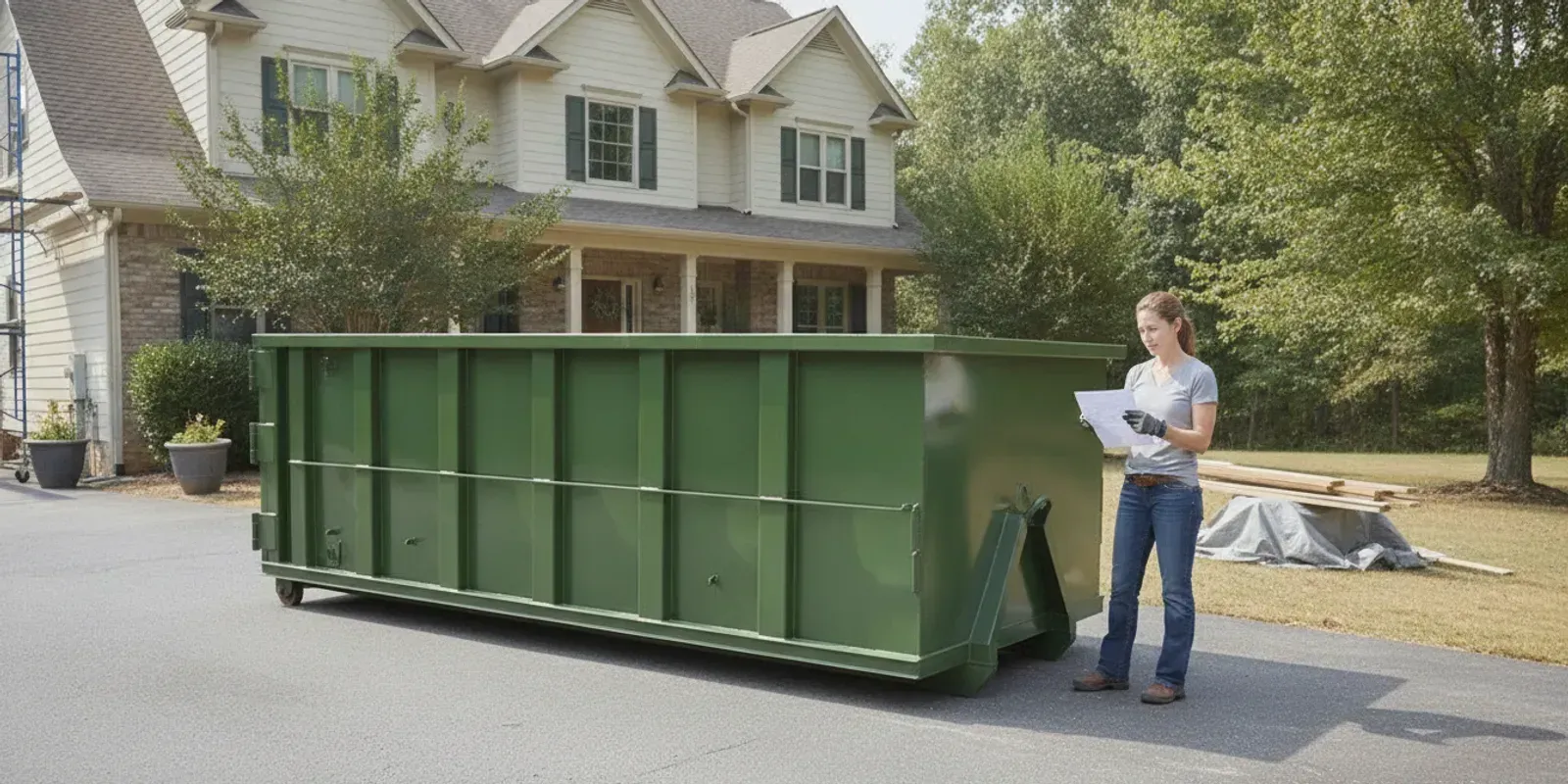
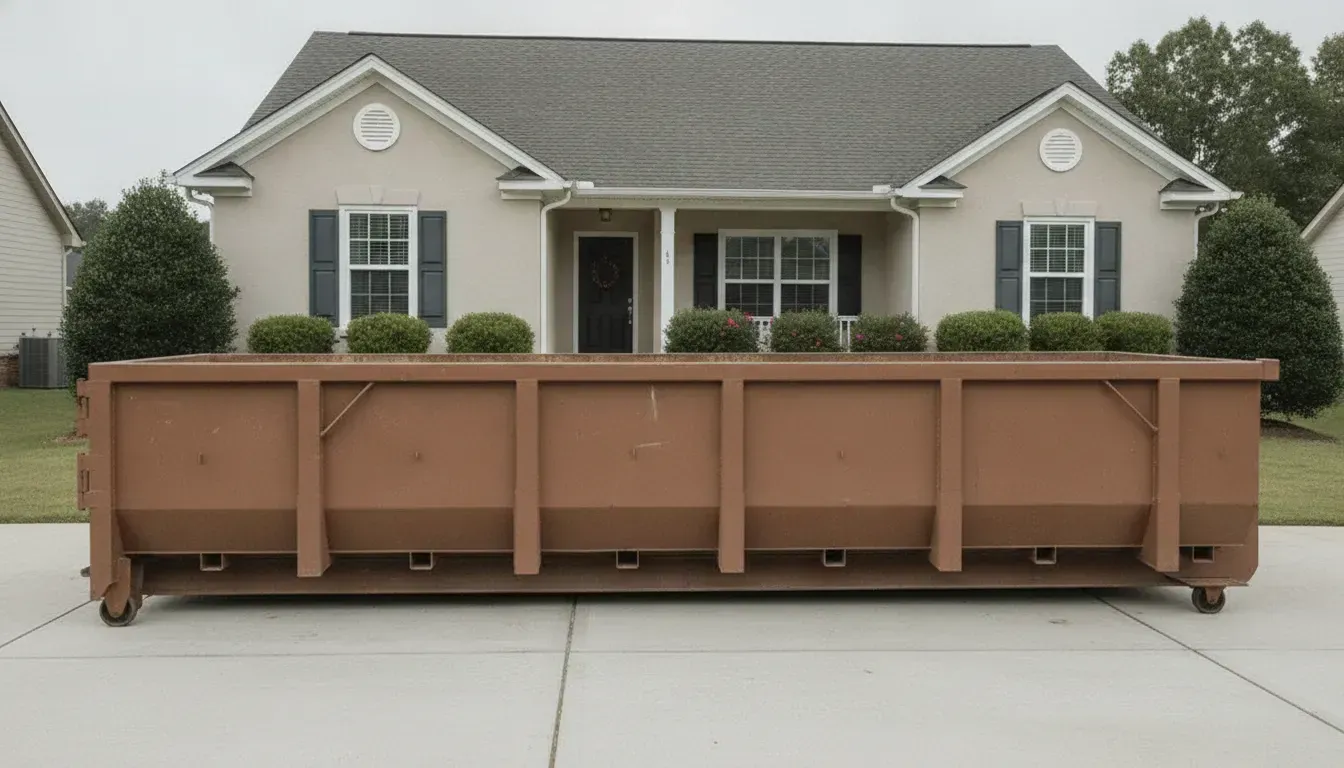
Rapid Removal Dumpster offers a customer-loaded 15-yard roll-off rental. The listed container footprint is 5 feet high, 14 feet long, and 7.5 feet wide. Those measurements describe the container, not all of the room needed for a delivery vehicle to approach and position it. If you are unsure how the size compares with your project, review the dumpster size guide and describe your project when you ask about availability. Do not assume a different size is available.
How do you measure a practical placement spot?
Measure the proposed space instead of judging it from the curb. The container needs room for its full footprint, and the truck needs a workable approach to set it down. Check the width and length of the area, then think about how the container will affect the driveway or other nearby space while it is there. A spot that fits on paper may still be inconvenient if it blocks a garage door, a gate, or the only path to the backyard.
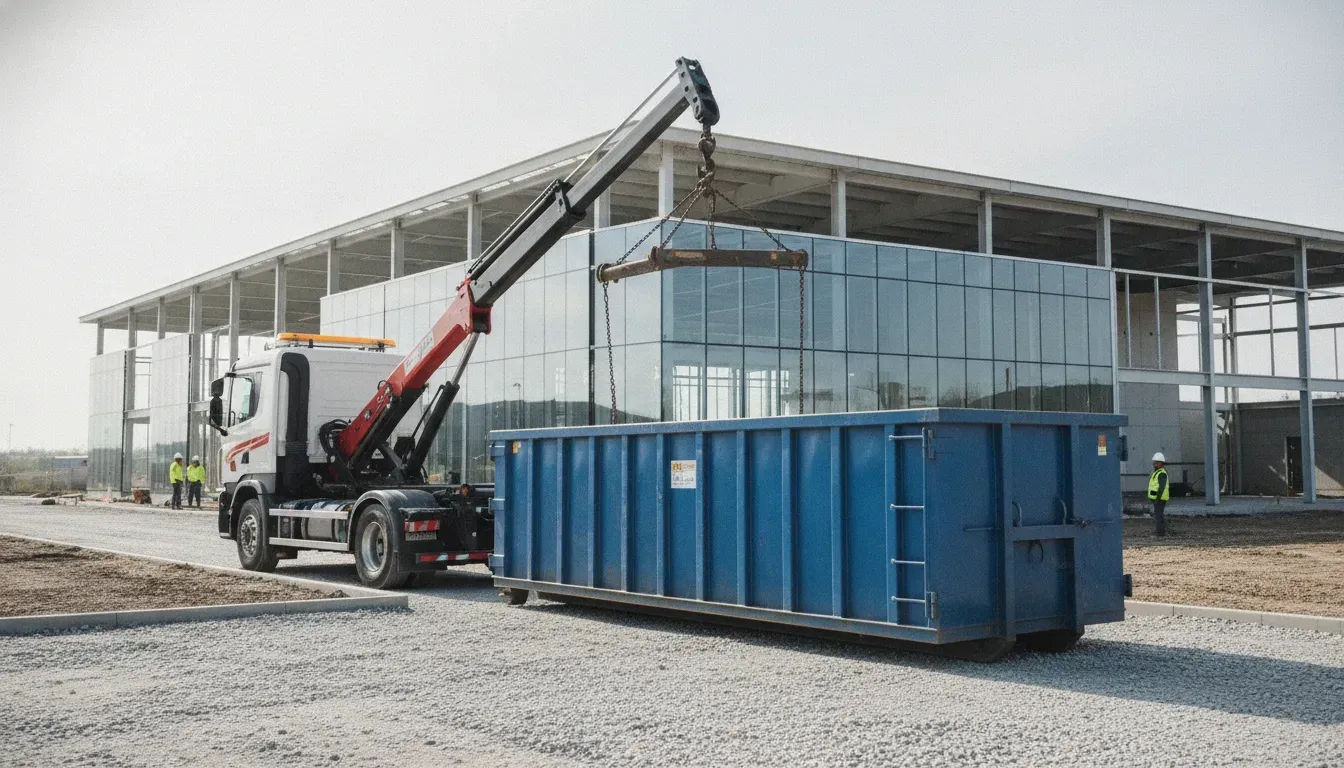
Walk the route from the street to the intended spot. Look at the tightest turn, the narrowest passage, and anything overhead. Note parked cars, basketball hoops, planters, branches, low wires, or other obstructions that may be present on delivery day. If there is a gate, measure its opening and explain the route rather than assuming the delivery vehicle can pass through. Do not plan on the truck crossing a lawn or soft ground without first discussing whether that route is appropriate.
It can help to make a simple sketch. Mark the street, driveway, proposed container location, garage, gates, and any obstacles. Add rough measurements where the space is tight. A sketch is not a substitute for the company confirming whether a location works, but it can make a phone or form conversation more specific. You can also take a few clear photos from the street and from the proposed placement area to help describe unusual conditions.
What access details matter on delivery day?
Consider access as two connected routes: the truck's route to the placement area and your walking route from the project to the container. The first needs to be clear enough for delivery and positioning. The second should allow people to carry debris without crossing avoidable obstacles or blocking a frequently used entrance. Thinking about both routes prevents a common planning mistake: finding a spot that fits the container but makes the job awkward or interrupts ordinary household movement.
Before delivery, move vehicles and loose items out of the route and placement area. Leave gates open only if that is part of the plan you have discussed. Secure pets and keep people away from the truck's working area. If you need to preserve access to a garage, side door, or shared drive, mention that when requesting service and choose a location that takes it into account. A household member who uses a mobility aid or a delivery person who needs a clear walkway may also affect which spot is practical.
How should you prepare a driveway or another surface?
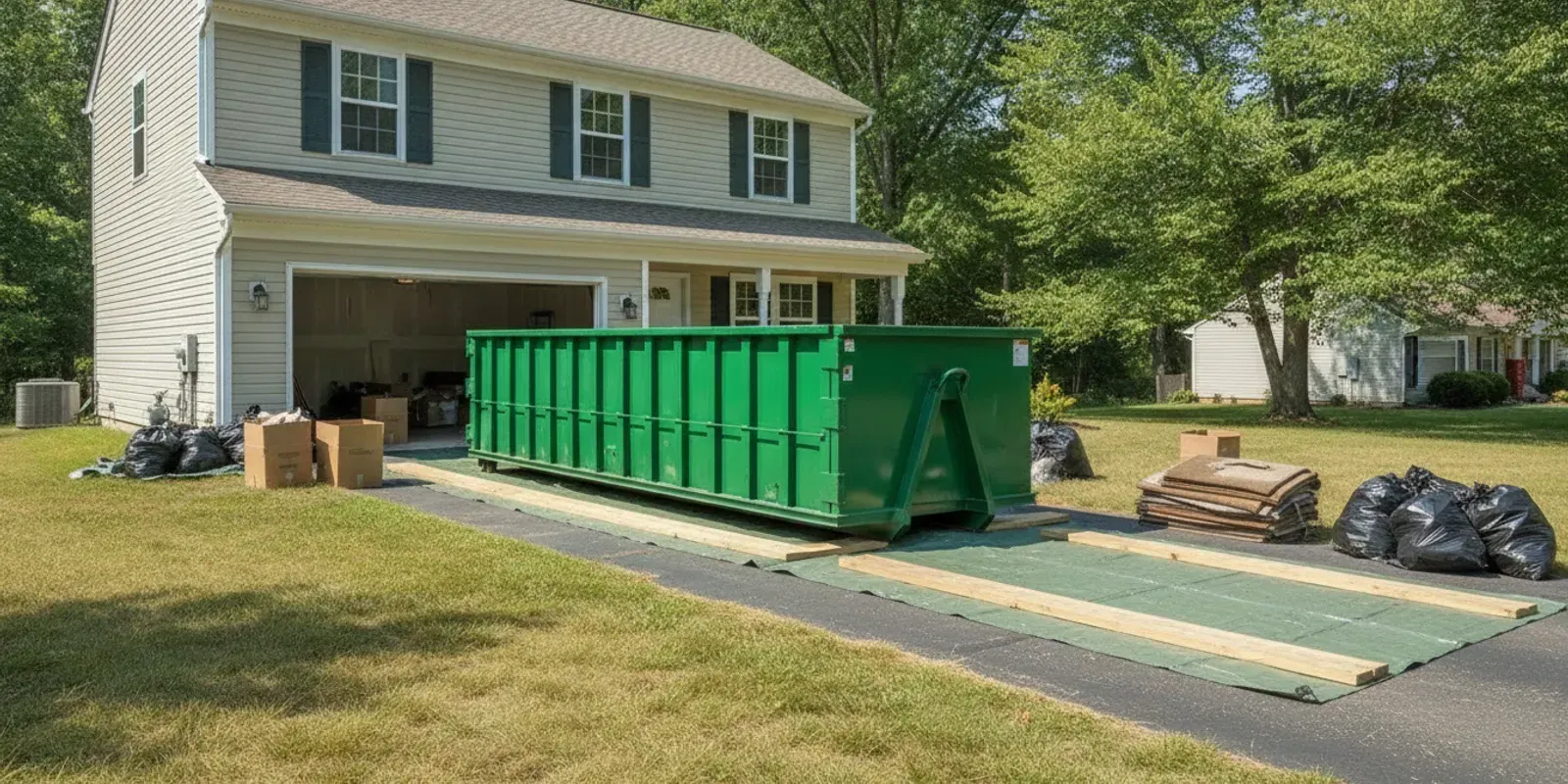
Clear the proposed area of cars, tools, planters, bins, and other belongings before delivery. Look closely at the surface and note any concern you would want the company to know about: a slope, soft ground, pavers, decorative concrete, visible cracks, or a recently finished or sealed area. Share those details before the truck arrives. If the surface is important to you, photos can help you describe its condition and discuss the best available placement plan.
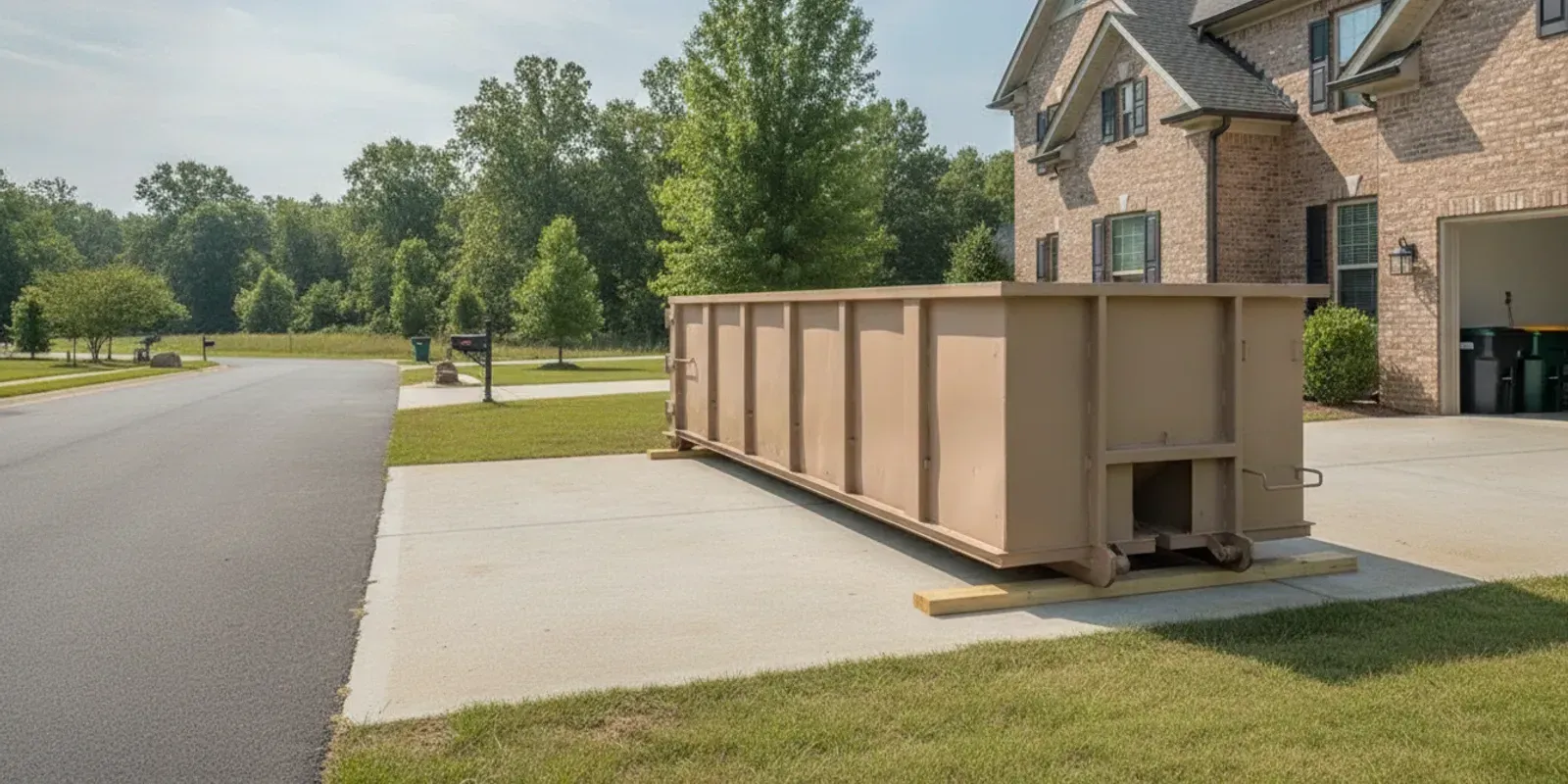
Protective planks may be provided when necessary, but they are not a guarantee that a driveway or other surface will remain mark-free. Surface condition, placement, and site access all matter. Discuss your specific concern instead of relying on a general promise. Rapid Removal's driveway placement information explains the placement topic; ask about your property and the proposed location directly.
A driveway is often convenient because it can put the container near the project and provide a direct approach from the street. It is not automatically the right choice for every home. A side area or private access lane may seem better, but it still needs a suitable route and placement area. Confirm that alternative before planning the job around it. The container should also not block an emergency route, access needed by other residents, or a shared entrance.
How can you choose between two possible locations?
If you have a primary and backup spot, compare them against the same practical questions. First, can the truck reach each location without an uncertain turn, narrow opening, or obstacle? Second, is the ground and surface condition something you can describe and discuss in advance? Third, which option leaves the most useful household access? Fourth, which one gives you a clear, direct carrying path from the work area?
For example, a driveway spot may be close to a garage cleanout but could prevent a vehicle from entering the garage for the rental period. A side area may preserve the driveway but have a tighter approach or a gate to consider. Neither is automatically better. Explain both options and their limitations when you request service, then confirm which is workable before you move items or reorganize the project around it. The rental FAQ is another place to review common rental questions, but property-specific placement still needs to be discussed.
What changes for a move, renovation, garage cleanup, or yard project?
Moving in or out
A move often has a deadline that is less flexible than the cleanout itself. Start by separating belongings you are keeping from items you plan to discard. Do this before loading begins, especially in a garage, basement, or storage area where boxes may look similar. Keep important documents, tools needed for the move, and items going to the new home away from the discard staging area. Then work backward from the date the home must be empty: allow time to sort, carry items, and finish any last sweep of the rooms.
If a moving vehicle or crew needs driveway access, consider how that will overlap with the container location. You may have to choose a placement spot that keeps the loading sequence workable, or arrange the work so that bulky discards are removed before moving day. Tell the company about dates when access must remain open. Do not assume a delivery or pickup schedule can be changed without confirmation.
Renovation or remodel
Renovation debris tends to arrive in phases. The timing of demolition, removal, and later work can matter more than the overall calendar span. Talk through the project sequence with anyone doing the work, then identify when debris is likely to be ready for loading. If several rooms are involved, plan where material will be gathered temporarily and how it will travel to the container. Avoid making a hallway or doorway the permanent staging area if people still need to pass through.
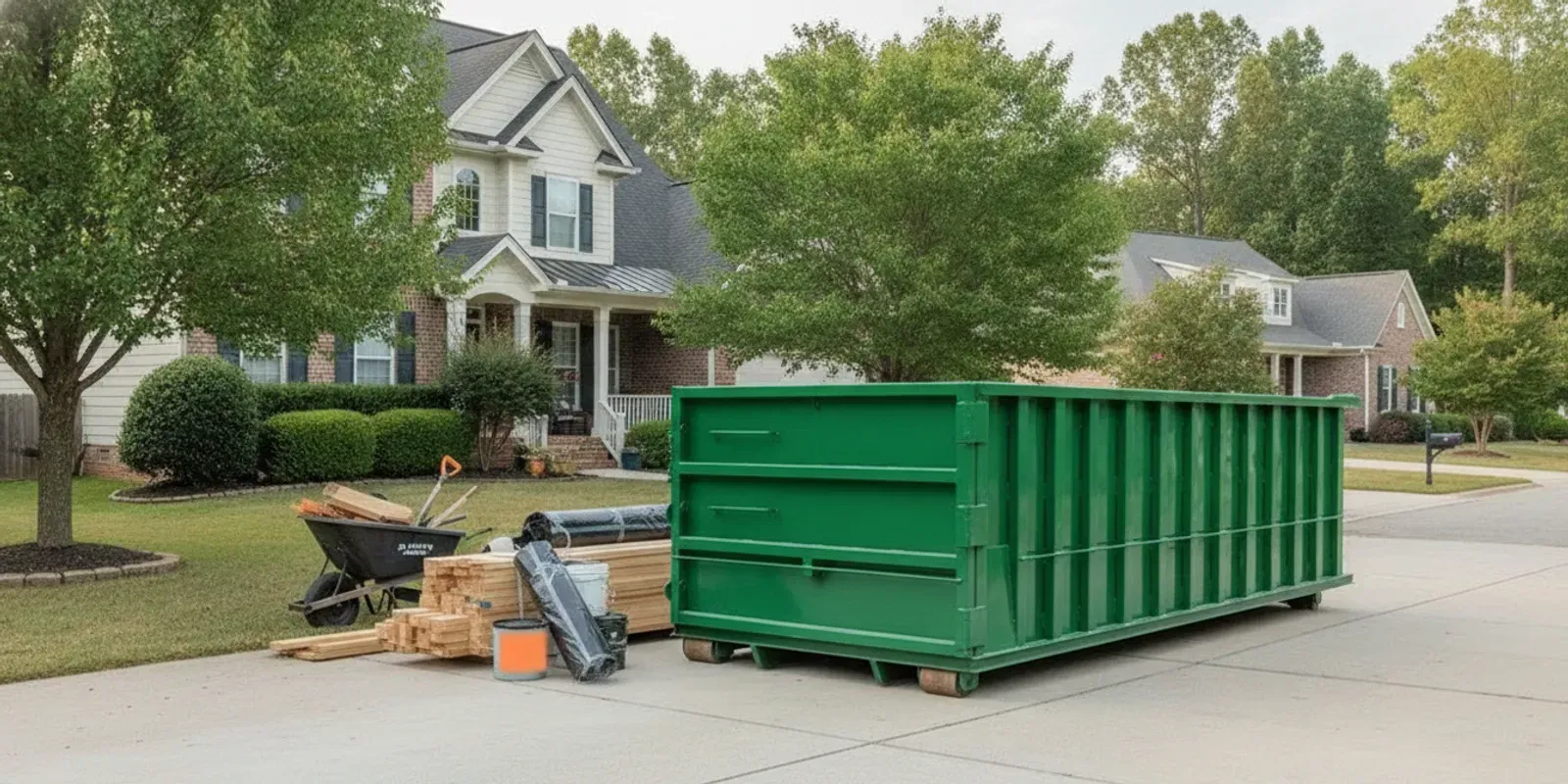
Construction materials can differ in weight and acceptance requirements. Do not assume that a material is allowed simply because it fits in the container. Ask about the specific items and any weight-related terms before the project begins. The construction dumpster planning guide may help you prepare questions, but the company's current rental terms are the source to confirm for your load.
Garage, attic, or whole-home cleanout
Cleanouts can become slower when every item requires a decision. Before delivery, make separate areas for keep, donate, recycle, and discard, as appropriate for your project. Keep those areas distinct from the container's access path. If several people are helping, agree on how uncertain items will be handled. A short pause to ask the owner of an item is easier than retrieving it from a mixed load later.
Consider how bulky objects will move through the home. Clear narrow passages, protect the route from loose cords and tools, and avoid stacking items where they could tip. If the cleanout includes a mix of household belongings and renovation debris, write down the different material categories and ask whether any need a separate plan.
Yard or landscaping work
For outdoor work, check the route from the yard to the proposed container location. A gate, steps, wet ground, or a long carry can change how quickly material can be moved. Think about whether weather could affect the work area or the route, and avoid relying on a schedule that leaves no room for a delay. Separate the kinds of material you expect to remove and ask about any uncertain items before loading. Do not infer that soil, branches, or mixed yard debris all follow the same loading rules.
How long should you plan to keep the dumpster?
Choose a rental period around the work you can realistically complete, not only the date you hope to start. Include preparation, interruptions, loading, and final sorting. If you are working around a contractor, confirm the sequence and likely debris-removal days before you choose. A one-day period may suit a small cleanout when the items are sorted and ready. A project spread over several work sessions may call for more time.
Rapid Removal Dumpster publishes the following 15-yard rental prices: $349 for one day, $375 for three days, and $399 for seven days, with no delivery fee stated on the site. These are the published prices, not a promise that every project has identical terms. Confirm availability, material requirements, and any other details that apply to your rental when requesting service.
Use the table to compare the published periods with your schedule, not as a guarantee that a particular job will fit. Imagine a homeowner has a free Saturday but still needs to sort a crowded garage. A one-day plan may be tight if sorting is not done first. Another homeowner may have debris ready but only be able to work after the day job; a longer period could better match the available sessions. A third person may be coordinating demolition with a contractor and should first confirm which days debris will actually be generated.
Before settling on a period, check for days when you will be away, when access will be blocked, or when another crew needs the same space. If the scope or schedule changes after delivery, contact the company to ask what options are available. Do not assume an extension, pickup change, or specific availability without confirmation.
How can you organize loading and keep the work area controlled?
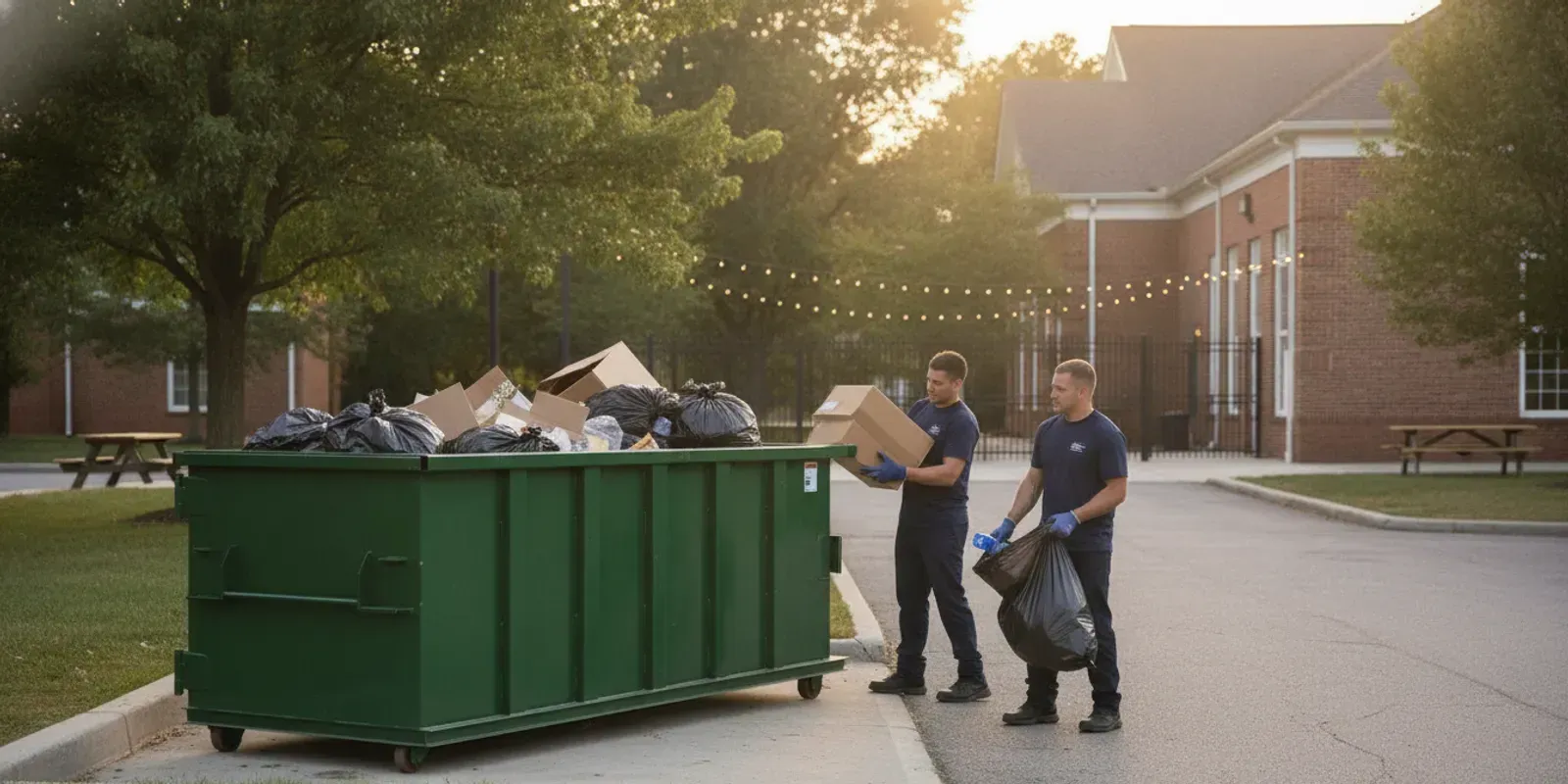
Set up a clear walking path between the project and the container before loading starts. Move cords, tools, and loose materials out of the route. If several people are helping, decide where items will be staged and who is responsible for carrying them. Keep doors and walkways open where practical, and avoid leaving debris where it could create a trip hazard. Carry manageable loads rather than trying to move an awkward pile all at once.
Load deliberately. Distribute material evenly instead of concentrating everything at one end, and keep debris at or below the container's sides. Do not climb on an unstable pile to rearrange it. If an item seems too heavy or awkward to handle safely, pause and ask for guidance rather than improvising. The container is customer-loaded, so plan the people, route, and order of loading before the rental period begins.
For a mixed cleanout, make a short loading plan: bulky items first if their acceptance is confirmed, then smaller items placed so they do not block access to what remains. This is a practical sequence, not a requirement for every load. The important point is to avoid loading uncertain materials before you know the rules and to keep the load controlled. If the project involves construction debris, the residential dumpster planning guide can help with broader project considerations; confirm material and weight terms directly for your rental.
What should you confirm when you request service?
Have your address, preferred service date, project description, and placement notes ready. Explain what you expect to load, how long you think the work will take, and any access or surface concerns. If your job is tied to a moving deadline or contractor schedule, share those dates. Concrete details make it easier to discuss the actual project rather than relying on a broad label such as âcleanout.â
- Is service available for your Christiana address and preferred date? The company serves Rutherford County and surrounding areas; confirm that your address is within the current service area.
- Can the truck approach the selected spot, and are the route and placement conditions workable?
- Are the materials you plan to load accepted, and what weight-related or loading terms should you know?
- Which rental period matches the work you expect to complete?
- How should you communicate if the site, project scope, or dates change?
- What confirmation or delivery information should you expect after submitting a request?
For a question about the published price, compare the exact period you are considering and ask what the current rental terms include. You can also review the dumpster cost guide for planning context. Do not assume that a general article answers site-specific questions about your address, material, or timing.
Use the Request a Service form to share your project details and preferred dates. A web request is a way to ask about service, not a confirmed appointment until the company follows up. If you have a time-sensitive question, use the available contact options to explain the deadline and ask what is possible.
How can you build a delivery-day checklist?
Keep the checklist short enough to use on the morning of delivery. Recheck the conditions rather than assuming the area is unchanged since you requested service. A car may have been parked in the route, a delivery may have left items near the driveway, or weather may have affected the surface. If something material has changed, pause and discuss it instead of directing the truck onto an uncertain path.
- Move vehicles and loose items away from the truck route and placement area.
- Check that gates, turns, and the selected spot are clear as discussed.
- Keep people and pets away from the truck's working area.
- Preserve the household access you planned to keep open.
- Make the walking route from the project area clear before carrying debris.
- Review loading questions and keep material within the confirmed terms.
For example, a garage cleanout could start with a car parked elsewhere, keepers and discards separated, and the carry route cleared. The homeowner can then load only the items assigned for disposal, rather than making decisions in the driveway while the work period is underway. For a renovation, a crew can identify the route from each work area and move debris in planned batches, keeping a hallway open and confirming unfamiliar materials before they go in. These simple preparations do not remove every possible delay, but they make the work easier to coordinate.
What if the planned location or schedule changes?
Keep a backup location in mind, but do not treat it as approved until its access and ground conditions have been discussed. Describe both possible spots, including the route, surface, dimensions, and anything that could interfere with positioning. A backup may be useful if a vehicle needs the driveway or another part of the project changes, but the second location still has to work for delivery.
If the driveway is unexpectedly blocked, the ground is softer than expected, or a new obstacle appears, stop and contact the company to discuss the situation. Do not ask the driver to proceed along a route or onto a surface that you have not considered. If a contractor delay or weather interruption changes the project dates, communicate as early as you can and ask what scheduling options are available. Never rely on an assumed pickup or extension arrangement.
Frequently asked questions
Is a 15-yard dumpster suitable for every Christiana home project?
No single container size fits every project. The documented rental option is a 15-yard container measuring 5 feet high, 14 feet long, and 7.5 feet wide. Compare those dimensions and your expected debris with your project scope, then ask the company about fit, material, and weight questions rather than assuming capacity from the size alone.
Can the container be placed somewhere other than a driveway?
It may be possible to discuss another location, but the truck route, ground, surface, space, and access all need consideration. Describe the proposed spot and ask whether it is workable before planning around it. Do not assume the truck can cross a lawn, pass through a narrow gate, or use a sloped area without confirmation.
Does driveway placement guarantee that the surface will not be marked?
No. Protective planks may be provided when necessary, but that practice is not a written surface-damage warranty. Explain the surface and any concerns before delivery so the placement plan can be discussed. Consider another location only after confirming its access and suitability.
What if I am not sure which rental period to choose?
Estimate the days you can actually work, including sorting and interruptions, then compare that schedule with the published one-, three-, and seven-day options. If dates may change or the project depends on a contractor, ask about availability and applicable terms before choosing. Do not assume a schedule change will be available automatically.
Request a service date and discuss your Christiana project
A clear plan for placement, access, loading, and timing gives you a practical starting point for a home cleanout or renovation. Confirm the details for your address and project before delivery so you can prepare the work area thoughtfully.