How to Choose a Construction Dumpster for Your Job
Find out how to choose the right construction dumpster for your project, including tips on sizes, costs, accepted materials, and rental options.

A renovation can produce a surprising amount of debris. Drywall, old cabinets, flooring, lumber, and packaging can pile up before the work is halfway done. A construction dumpster gives your crew one central place to put waste, helping keep the job site clearer and cleanup more manageable. But choosing the right container takes more than estimating how much debris you’ll have. You’ll also need to consider weight limits, accepted materials, rental costs, delivery access, and pickup timing. This guide explains how to size and plan a construction dumpster rental, compare providers, prepare your site, and load debris safely.
Key Takeaways
- Choose a dumpster that fits your project: Estimate debris volume and weight, check site dimensions, and ask about container sizes and swap options.
- Review rental details before booking: Compare itemized quotes, rental periods, included weight allowances, accepted materials, and local placement requirements.
- Prepare the site and load with care: Keep truck access clear, distribute debris evenly, follow the fill line, and schedule pickup to match your work plan.
What Is a Construction Dumpster?
A construction dumpster is an open-top container used to collect waste from building, renovation, and demolition projects. It gives workers a central place to put debris as they go, helping keep the site clear and making cleanup more manageable. A rental company delivers the container, then picks it up when the job is finished or the dumpster is ready to be hauled away.
Most construction dumpsters are roll-off containers, which are delivered by truck and placed at the job site. Their size and open-top design suit projects that produce bulky debris, but weight limits and accepted materials vary by provider. Before booking, share details about your project and ask what can go in the container. Heavy materials such as concrete may need a separate disposal plan.
How roll-off dumpsters handle construction debris
Roll-off dumpsters are built for projects that generate a large volume of waste over a set period. Their open tops make it easier to load bulky materials such as lumber, drywall, flooring, and roofing. A rental company delivers the container to your site and hauls it away when the project ends, the dumpster reaches its fill limit, or you schedule a pickup.
Check the rental terms before loading. Debris can reach the container’s weight limit well before it looks full, especially when it includes dense materials. Ask your provider about weight allowances, fill requirements, and restricted items.
How roll-off dumpsters differ from front-load containers
Roll-off dumpsters are usually rented for a specific project or short-term need. A truck delivers the container to a designated spot, and the rental company removes it when it’s full or you request pickup. This setup works well for renovations, cleanouts, and demolition jobs that produce a concentrated amount of debris.
Front-load containers are designed for regular waste collection at commercial properties. A collection truck empties them on a recurring schedule, making them a practical choice for businesses with ongoing waste needs. Consider how much waste your job will produce and how long you’ll need the container before choosing between the two.
When to rent a dedicated construction dumpster
Rent a dedicated construction dumpster when a project will generate more debris than your regular waste service can handle. Major renovations, new construction, roof replacements, and demolition work can quickly fill smaller bins or leave piles of waste around the site. A dedicated container gives your crew a convenient place to put debris as it’s removed.
Before booking, estimate how much waste the project will produce and how long the work will take. Share those details, along with the types of materials involved, so the provider can recommend a suitable container and plan delivery and pickup. A dedicated rental can also reduce trips to a disposal facility.
When to use a separate container for heavy or recyclable materials
Consider a separate container for dense materials such as concrete, brick, or soil. Heavy debris can reach a dumpster’s weight limit before it fills the container, which may affect pickup or lead to additional charges. Ask your rental provider whether a dedicated container is available and what weight limits apply.
Sorting recyclable materials can also make disposal more efficient. Depending on local services, separating clean metal or other accepted materials may help direct more waste to recycling and manage disposal costs. Check with your provider before setting materials aside, since recycling options and accepted items vary by location.
What Construction Dumpster Size Do You Need?
The right dumpster size depends on how much debris your project will produce, what it weighs, and how quickly you need to clear it from the site. A small bathroom update may create a manageable pile of waste, while a full demolition can fill a container quickly. Start by listing the materials you expect to remove, such as drywall, lumber, cabinets, roofing, brick, or concrete.
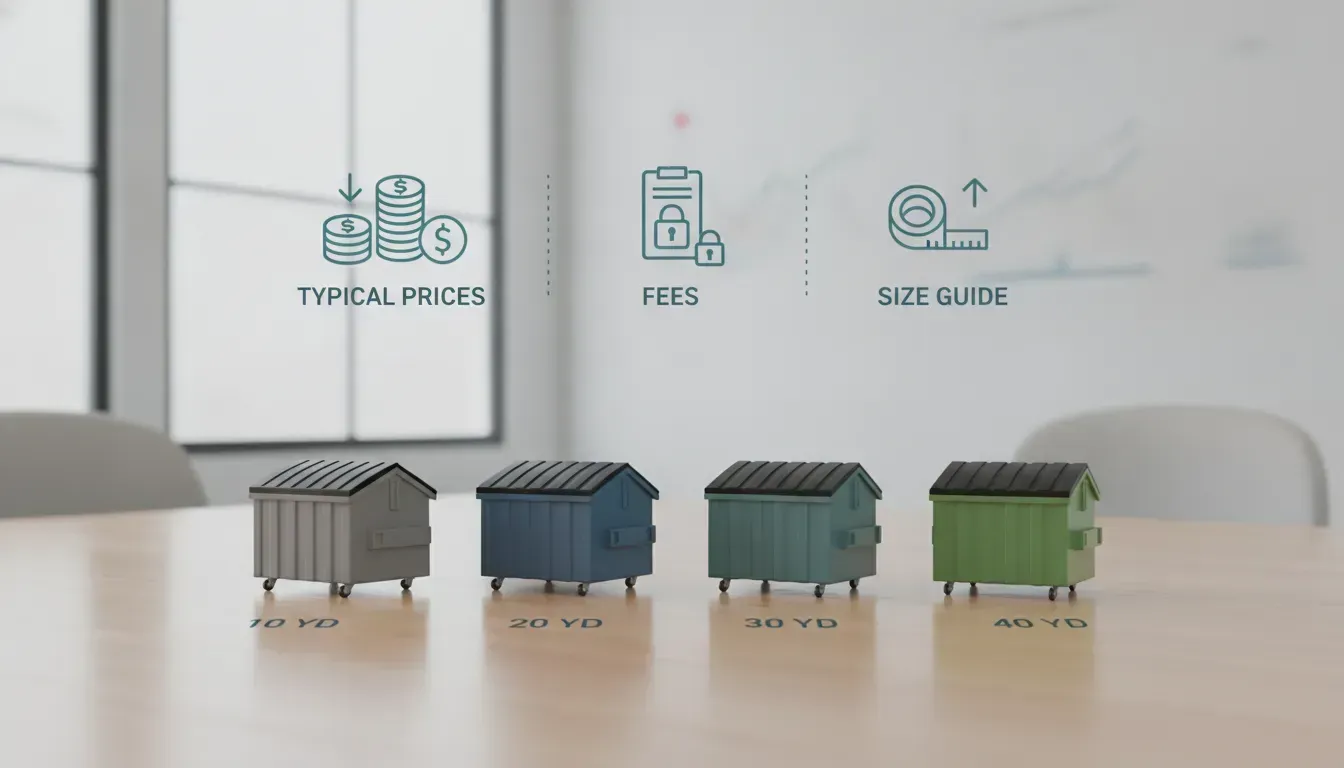
Project size is a useful starting point: 10- to 15-yard dumpsters often suit small renovations and cleanouts, 20-yard dumpsters work for many mid-size remodels, and 30- to 40-yard containers can handle larger construction and demolition jobs. These are general guidelines, not a substitute for checking your provider’s dimensions and weight limits.
Volume isn’t the only factor. Dense materials can reach a dumpster’s weight allowance before the container looks full, and bulky items may take up more room than expected. Your site’s available space and project timeline matter, too. Share your debris list and schedule with the rental provider, then ask whether a container swap is available if the job produces more waste than planned.
Choose a 10- to 15-yard dumpster for small renovations and cleanouts
A 10-yard dumpster is often a practical choice for a small renovation or a focused cleanout. It may suit a limited repair, a single-room project, or a modest amount of household debris. For a small room remodel or a two-car garage cleanout, a 15-yard container can provide additional capacity.
Before booking, consider the shape and bulk of the items you’ll discard. Cabinets, long boards, and other awkward materials can take up space quickly, even when they aren’t especially heavy. If you’re unsure how much room your debris will need, describe the project to the rental provider. They can help you compare a larger container with the cost and timing of an extra pickup.
Choose a 20-yard dumpster for mid-size remodels
A 20-yard dumpster can be a good fit for a mid-size remodel, such as a kitchen renovation. These projects may produce a mix of cabinets, countertops, flooring, and drywall.
Think about the materials as well as the project’s overall size. Tile, masonry, and other dense debris can add weight quickly, while bulky fixtures may use up available space. Ask the rental company about the container’s weight allowance and which materials it accepts. If you’re renovating several rooms or expect more debris than a typical kitchen remodel, share those details before booking so the provider can help you choose a suitable size.
Choose a 30- to 40-yard dumpster for large construction and demolition jobs
Large construction projects and major demolition can produce substantial amounts of waste. A 30-yard dumpster may work for major construction or demolition, while a 40-yard container can provide more capacity for extensive jobs. The right choice depends on the materials and expected debris volume, not just the project name. This construction dumpster sizing guide describes common uses for larger containers.
A larger dumpster isn’t automatically the best option. It may be difficult to place on a compact job site, and heavy debris can reach the weight limit before the container is full. Tell the rental provider what you’re removing, how much space is available, and how long the work is expected to take. Ask whether one larger container or a smaller dumpster with scheduled swaps is the better fit.
Estimate debris volume, weight, and project length
Make a rough inventory before choosing a dumpster. Note the areas being cleared and the materials you expect to remove. Consider whether items are bulky, dense, or both: long pieces of lumber may take up considerable space, while concrete and brick can reach weight limits with less volume. If you’re uncertain about the amount, ask the rental company to help estimate capacity based on your project details.
Your timeline also affects the size you need. A longer job may require enough room to hold debris for several workdays, or a planned pickup and replacement while work continues. Think about how quickly waste will accumulate and when the crew needs access to the loading area. When your estimate is uncertain, discuss a larger container or a swap schedule with the provider. This guide to construction dumpster sizes also recommends estimating debris before choosing a container.
Plan for heavy debris, tight spaces, or container swaps
Concrete, brick, and dirt can reach a dumpster’s weight limit quickly. A smaller container may be the better choice for these materials, even if the project produces a large volume of debris. Check the rental company’s rules for heavy waste before loading, since accepted materials and weight allowances vary.
Measure the placement area and confirm the delivery truck can reach it. If the site is tight, ask the provider for container dimensions and placement requirements before scheduling delivery. For projects that generate waste over several days, arrange a swap so a full dumpster can be replaced with an empty one. Confirm how much notice the company needs and how to request an exchange, helping your crew keep debris moving without disrupting the work.
How Much Does Construction Dumpster Rental Cost?
Construction dumpster rental costs vary based on container size, location, rental period, debris type, and total weight. As a general estimate, a 20-yard dumpster may cost around $300 to $500 for a one-week rental, while a 40-yard dumpster may cost about $700. These figures are examples, not guaranteed rates. Local disposal fees, availability, and the rental provider’s terms can all affect your final price. See a construction dumpster pricing guide for examples of how size, rental length, and debris can influence costs.
To compare options, look beyond the advertised rate. Check what delivery, pickup, disposal, and rental time the price covers, along with the included weight limit. Ask about extra days, overweight loads, swaps, and materials that may require special handling. An itemized quote can help you understand the full cost before booking and choose a rental that fits your project’s needs.
Know what the rental price includes
A rental price may include delivery, pickup, disposal, and use of the container for a set period, but each provider defines its rates differently. Ask how many rental days are included and whether the quote covers a specific weight allowance. If your debris exceeds that limit, additional disposal charges may apply.
Confirm whether the price depends on the materials you plan to load. Concrete, brick, and other dense debris may have different weight limits or pricing from mixed construction waste. Request a written breakdown of what the quote includes and what could cost extra. Comparing providers with the same project details and fee categories makes it easier to assess the actual price, rather than relying on the starting rate alone.
Compare delivery, pickup, rental periods, and weight limits
A low advertised price may not suit your schedule or debris load. Ask when delivery is available, how to arrange pickup, and how much notice the provider needs. If your timeline could change, compare the included rental period and the cost to extend it. Some providers offer flexible or custom rental periods, while same-day or next-day delivery may depend on availability. Review an example of contractor rental terms to see what scheduling options may look like.
Check the included weight allowance, too. Dense materials can push a load over its limit before the container looks full. Estimate both the volume and weight of your debris, then confirm that the container and allowance suit the job.
Budget for overage, extra days, swaps, and restricted materials
Before booking, ask which charges may apply beyond the quoted rate. If your load exceeds the included weight, the provider may charge an overage fee. Keeping the dumpster longer than agreed can also add daily or weekly charges, so consider whether your project schedule needs extra time.
If you expect to fill the container before the work is finished, ask whether the provider offers swaps and what each exchange costs. Confirm the rules and fees for materials that need special handling, since some items may require a separate container or disposal service. Also check placement requirements: a dumpster on a public street or sidewalk may require a permit. Local rules vary, so confirm permit details before delivery.
Request an itemized quote to compare total costs
Ask each provider for a written quote that lists the container size, rental period, delivery and pickup fees, included weight, and disposal terms. Request separate pricing for extra days, overweight loads, swaps, and materials that may carry additional fees. If the dumpster will be placed on public property, ask whether you are responsible for arranging a permit and what local requirements to check.
Share the same details with every company, including the project address, debris type, estimated volume, and preferred rental dates. This helps you compare quotes on equal terms. An itemized estimate also makes it easier to spot costs that a headline rate may not show. Since prices are estimates until confirmed, ask what could change the final amount and get the agreed terms in writing before you book.
Save time by renting instead of making repeated disposal trips
A construction dumpster gives workers one on-site place to put debris as the project progresses. Keeping waste contained can help the job site stay organized and reduce the time spent loading vehicles and driving to a disposal facility. That can be especially useful when a renovation or construction job creates debris over several days.
When comparing rental costs with hauling waste yourself, account for the number of trips, fuel, disposal fees, and worker time. Consider who would handle each trip and how it might affect the project schedule. A dumpster adds a clear disposal point to the site, and scheduled pickup helps clear it when the job is finished. Check that the rental period and pickup timing align with your work plan so the container is available when you need it.
What Can You Put in a Construction Dumpster?
A construction dumpster can simplify job-site cleanup, but accepted materials depend on the container, rental company, and local disposal rules. Before loading, confirm what your provider allows, how much the dumpster can hold by weight, and whether certain debris needs a separate container. Checking these details early helps you plan the cleanup and avoid unexpected charges or collection delays.
Dispose of wood, metal, drywall, and general construction waste
Most construction dumpsters accept common, nonhazardous debris such as wood scraps, drywall, metal, and packaging. Remodeling and demolition projects may also produce items like broken cabinets, lumber offcuts, and empty boxes. Ask your rental company whether these materials can go in one container, since accepted items vary by provider and location.
When practical, separate materials that may be reused or recycled. Keeping metal, clean wood, and cardboard apart can make sorting easier, depending on local recycling options. Confirm the accepted-materials list before you start loading.
Check rules for concrete, brick, roofing, and other heavy materials
Concrete, brick, tile, shingles, and soil can reach a dumpster’s weight limit before the container looks full. Ask your provider about weight allowances, fill limits, and disposal fees before loading these materials. Some companies restrict heavy debris in mixed construction dumpsters or require a specific container.
If your project includes a large amount of concrete or brick, find out whether you need a dedicated dumpster. Confirm the rules and any added charges with your provider so you can choose the right container and plan your budget.
Use a separate container or recycling option for certain items
Large quantities of concrete, asphalt, or clean fill may need a dedicated container instead of a mixed construction dumpster. Keeping these materials separate can also make recycling easier when local facilities accept them. Ask your rental company which materials need their own container and whether separation affects the rental price or pickup schedule.
If you expect reusable or recyclable materials, check local drop-off options before work begins. Planning where each type of debris will go helps keep the job site organized.Keep asbestos, chemicals, batteries, and hazardous waste out
A standard construction dumpster is not intended for hazardous or regulated waste. Keep asbestos, solvents, chemicals, batteries, and other restricted materials out of the container. Paint and other liquids may also be prohibited, even in containers that appear empty. Mixing restricted items with general debris can create safety concerns and may prevent the load from being accepted.
If you suspect a material contains asbestos, pause work and contact a qualified professional for assessment and handling. For batteries, chemicals, and other hazardous items, ask your local waste authority about approved disposal options.
Confirm local disposal rules before loading
Disposal rules can differ by city, rental company, and waste facility. Roofing, treated wood, appliances, tires, liquids, and debris from older buildings may have specific requirements. Check the provider’s restricted-items list before loading anything you’re unsure about, and ask whether materials need to be sorted or handled separately.
Confirm accepted materials, weight limits, and any extra disposal requirements with your rental company. For hazardous waste and recycling, your local waste authority can explain which services are available. Keep the guidance accessible so everyone on the crew can sort debris correctly.
How Do You Choose a Construction Dumpster Rental Service?
The right rental provider can help keep debris moving and your worksite organized. Before you book, compare more than the quoted price: make sure the company serves your location, can supply a suitable container, and explains its schedule and terms clearly. These questions can help you find a service that fits your project.
Check service areas, reviews, and delivery reliability
Confirm that the company serves your job site and can deliver when you need the container. Service areas vary, and delivery distance may affect the quote. Ask where the driver can place the dumpster and whether the company can meet your site’s access requirements.
Read recent reviews for details about on-time delivery and pickup, communication, and how the company handles schedule changes. If you’re managing a commercial or industrial project, look for experience with similar jobs. Express Waste Dumpsters’ service information describes waste services for contractors, property managers, and businesses in Metro Detroit. Contact the provider directly to confirm that your address and timeline are covered.
Confirm container sizes, accepted debris, and weight limits
Ask for the dumpster’s dimensions and capacity, not just its size in cubic yards. Check that it will fit in your planned location and hold the amount of debris your crew expects to generate. Then confirm which materials the company accepts and what weight allowance comes with the rental. Fees may apply if you exceed that allowance.
Rules vary by provider, so describe your materials before booking. Drywall, flooring, lumber, and roofing are common construction debris, but large amounts of concrete may call for a dedicated container. Share your project scope with the rental company to get a suitable recommendation and clarify restrictions.
Compare clear pricing and flexible rental terms
Request a written quote that lists what the rental includes. Check whether delivery, pickup, disposal, and a specific weight allowance are covered. Ask about additional charges for excess weight, extra rental days, or container swaps. Comparing the full expected cost makes it easier to assess quotes with different starting prices.
Review the rental period and extension policy, too. Construction schedules can change, so find out how much notice the company needs if you want to keep the dumpster longer. Ask for an itemized quote and make sure you understand the terms before confirming your rental.
Ask about pickup timing, swaps, and customer support
A full dumpster can interrupt work if pickup or replacement takes longer than expected. Ask how to schedule a collection, how much notice the company needs, and whether it offers swaps when a container fills. For projects with several phases, check whether you can plan repeat pickups or deliveries in advance.
Find out how to reach customer support if the schedule changes or you have a question about accepted materials. Confirm who to contact and what response time to expect, especially if your crew depends on regular debris removal. Timely drop-off, pickup, and disposal can help project managers stay focused on the job, as described in this overview of dumpsters in commercial construction projects. Ask the provider to confirm pickup arrangements and any swap fees in writing.
Check recycling practices, permits, and placement rules
Ask where collected debris goes and whether the company sorts or recycles materials such as metal, wood, or concrete. If recycling is part of your project plan, confirm which materials are accepted and whether they need to be separated. Practices vary, so get specific details rather than assuming every material will be recycled.
Check local rules before placing a dumpster on a street, sidewalk, or other public area. Your municipality may require a permit, and the location may need to meet access or safety requirements. Tell the rental company where you intend to place the container and ask what steps you need to take. Confirm requirements with your municipality before delivery.
How Do You Prepare for Construction Dumpster Delivery?
Measure the placement area and clear the delivery route
Before delivery day, measure the space where you want the dumpster and check the entire route the truck will take to reach it. Look for low branches, wires, parked vehicles, narrow gates, and other obstacles. Requirements can vary by provider and container, so confirm the dimensions when booking. Mark the intended spot with cones or tape to guide the driver. If the truck will cross a paved area, ask the rental provider whether boards can help protect the surface.
Choose a stable location with safe job-site access
Choose a firm, level spot that can support the dumpster and its contents. A driveway or designated work area may work, but avoid soft ground, steep slopes, and areas where the container could block a doorway or emergency route. Consider how workers will carry debris to the dumpster. Placing it near the work area can save time, as long as the path remains clear and safe. When booking, tell the rental provider about site conditions, access limits, and your preferred placement spot. A stable location gives the driver a better chance of positioning the dumpster as requested and gives your crew a practical place to load it.
Protect pavement and nearby property as needed
A loaded dumpster is heavy, and the delivery truck needs room to maneuver. If you plan to place the container on a driveway or near a building, ask the rental provider how to protect the surface and surrounding property. Before delivery, move vehicles, tools, and landscaping items out of the way. If possible, leave space between the dumpster and walls, garage doors, fences, and utility features. These steps help reduce the chance of scrapes or surface damage and give the driver enough room to place and collect the container safely.
Schedule delivery, pickup, and swaps around the project
Set the delivery date so the dumpster is ready when your crew starts producing debris, but won’t sit in the way before work begins. Estimate how quickly the container may fill and arrange pickup to match your project timeline. If you expect to fill it before the job is complete, ask whether the provider offers a swap, where the full container is collected and replaced with an empty one. Confirm how much notice the company needs and let them know promptly if your schedule changes. Planning ahead helps keep waste removal on track.
Keep the container accessible for collection
After delivery, keep the route to the dumpster clear for your crew and the collection truck. Don’t park vehicles or leave tools and building materials in front of or around the container. Place it close enough to the work area for convenient loading, but make sure it doesn’t block entrances, walkways, or routes workers need to use. Leave room for the provider’s equipment to reach and lift the dumpster, and keep debris inside the container rather than piling it around the sides. If access changes before pickup, contact the rental provider to discuss the site conditions.
How Do You Load and Manage a Construction Dumpster Safely?
Safe dumpster management starts with a few clear rules for the crew: what can go in the container, how to arrange debris, and when to stop loading. Before work begins, review the rental company’s instructions and confirm the container’s weight limit, fill line, accepted materials, and pickup process. These details help you plan for debris that may become heavy before the dumpster looks full.
Choose a loading area that workers can reach safely without blocking walkways, equipment, or the truck’s route. Keep the area around the container clear throughout the project, not just on delivery and pickup days. As debris goes in, check the load for uneven piles, items above the top rail, and materials that need separate disposal.
If the project produces more waste than expected, contact the rental company before the dumpster becomes difficult to load or collect. A timely pickup or swap can help keep the site orderly and the container within its limits.
Break down bulky debris and load heavy materials first
Break large items into manageable pieces before placing them in the dumpster. Flatten cardboard, dismantle cabinets when practical, and cut long boards to a size that fits within the container. This makes it easier to arrange debris and reduces gaps that take up useful space.
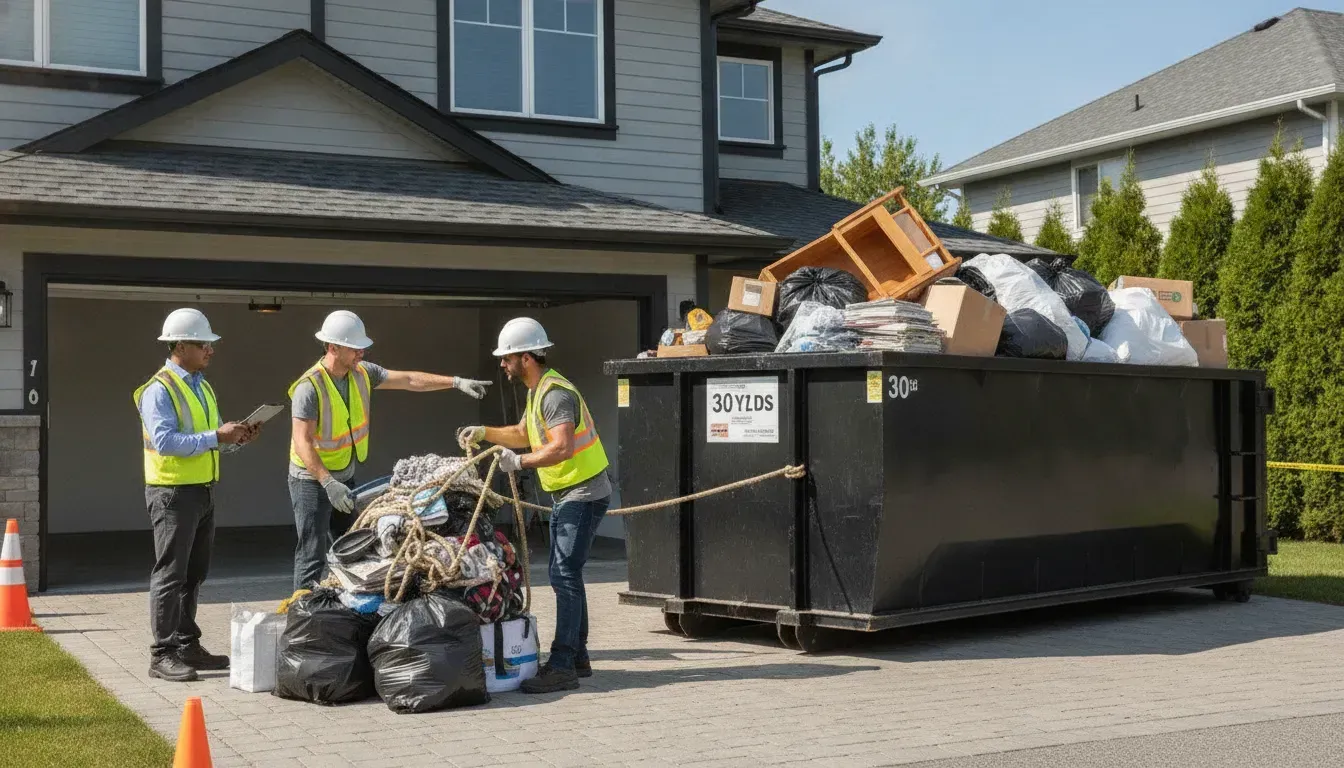
Load dense materials such as concrete, brick, asphalt, stone, and dirt first, spreading them across the bottom. These materials can reach the weight limit quickly, even when the container still has room. If your project includes a substantial amount of masonry or soil, ask the rental company which container size and weight allowance fit the load. Use appropriate equipment to move heavy debris, and never climb into the dumpster to rearrange it.
Distribute weight evenly and keep debris below the top rail
Spread debris across the floor of the dumpster instead of stacking it in one corner. An even load helps keep the container balanced during pickup and transport. Put heavy materials low, then use lighter debris to fill open areas. Check the distribution as you load, particularly after adding concrete, tile, brick, or other dense materials.
Keep all waste below the top rail and the container’s marked fill line. Debris sticking above the sides can fall during handling and may prevent the driver from securing the load for transport. Don’t press extra material into a full container or leave long pieces resting across the top. If you’re unsure whether the load is within the weight limit, pause and contact the rental company. It can advise whether the container is ready for pickup or whether a swap is needed.
Keep liquids and prohibited materials out
A construction dumpster is not suitable for every type of job-site waste. Keep liquids, paint, solvents, batteries, asbestos, and other hazardous materials out unless the rental company has confirmed an approved disposal method. These items may need separate handling, and requirements can vary by location.
Check the provider’s accepted-material list before loading anything you’re unsure about. Don’t assume an item is allowed because you have only a small amount. Set aside questionable materials in a secure, clearly identified area, away from general debris, while you confirm how to dispose of them. If you’re working with regulated or hazardous waste, follow local requirements and use an appropriate disposal service.
Maintain clear access and monitor fill levels
Keep the path to the dumpster clear for workers and collection trucks. Move tools, materials, and equipment away from the approach area, and don’t park vehicles where they could prevent the driver from reaching the container. Clear access makes loading more practical and gives the rental company room to place or collect the dumpster safely.
Check the fill level regularly. Make sure waste stays below the top rail, and look for heavy debris collecting in one area. If the container is filling sooner than expected, contact the rental company while there is still room to work safely. Ask about an earlier pickup, a container swap, or a change to the rental period.
Track capacity and schedule pickups as work progresses
Make dumpster checks part of the crew’s regular site routine. A quick inspection can catch an uneven load, waste above the fill line, or materials that should be kept separate. It also helps you estimate how much capacity remains and arrange service before debris starts collecting around the container.
Ask the rental company how to request a pickup or swap and how much notice it needs. Schedule service as the container fills, rather than waiting until there’s no room for the next round of debris. Regular removal can help keep the work area clear and reduce trip hazards from loose materials. If the job runs longer than planned or generates more waste than expected, let the provider know early. Timely communication gives you more options for adjusting service and keeping the container available as work continues.
Frequently Asked Questions
How far in advance should I book a construction dumpster?
Contact rental providers once you know your project dates and where the container will go. Booking ahead gives you more choice in delivery times, especially when your schedule depends on a particular start date.
Can I place a construction dumpster on the street?
Street placement may require a local permit. Check with your municipality and rental provider before scheduling delivery, and confirm any placement or access requirements for your site.
What should I do if the dumpster fills before the project ends?
Ask your provider about pickup or a container swap. Contact them while there’s still room to load safely, and confirm any exchange fees and scheduling requirements.
How can I estimate the right dumpster size?
List the materials your project will produce and consider their volume and weight. Share that information, along with your timeline and available site space, so the rental provider can recommend a suitable container.
Can different types of construction debris go in the same dumpster?
Many providers accept common construction materials together, but accepted items vary. Confirm the rules for your rental, especially for dense debris, recyclable materials, and items that require specialized disposal.