Dumpster Rental in College Grove, TN: Driveway-Safe Cleanup Options
Plan a College Grove dumpster rental with steps for placement, truck access, rental timing, loading, and confirming service details before delivery.

A dumpster rental college grove tn homeowners can plan confidently starts well before delivery day. Choose a placement area, check the route a truck must take, and make a realistic list of the debris your project will produce. Whether you are renovating a room, moving, clearing a garage, or tackling yard work, these early decisions can help keep the container useful without making the property harder to use.
Rapid Removal Dumpster offers a customer-loaded 15-yard roll-off rental and describes its service area as Rutherford County and nearby areas. College Grove eligibility is not separately defined in the published service information, so provide your exact address and confirm availability before choosing a delivery date. This guide walks through the practical choices to make before asking for service.
What should you plan before renting a dumpster in College Grove?
Begin with the job, not the container. A bathroom renovation may produce a concentrated set of bulky fixtures and finish materials. A move can generate boxes and furniture in stages as rooms are sorted. Landscaping may create a pile of branches or other debris whose acceptance should be confirmed in advance. A clear project description helps you discuss size, timing, and site conditions with the rental provider.
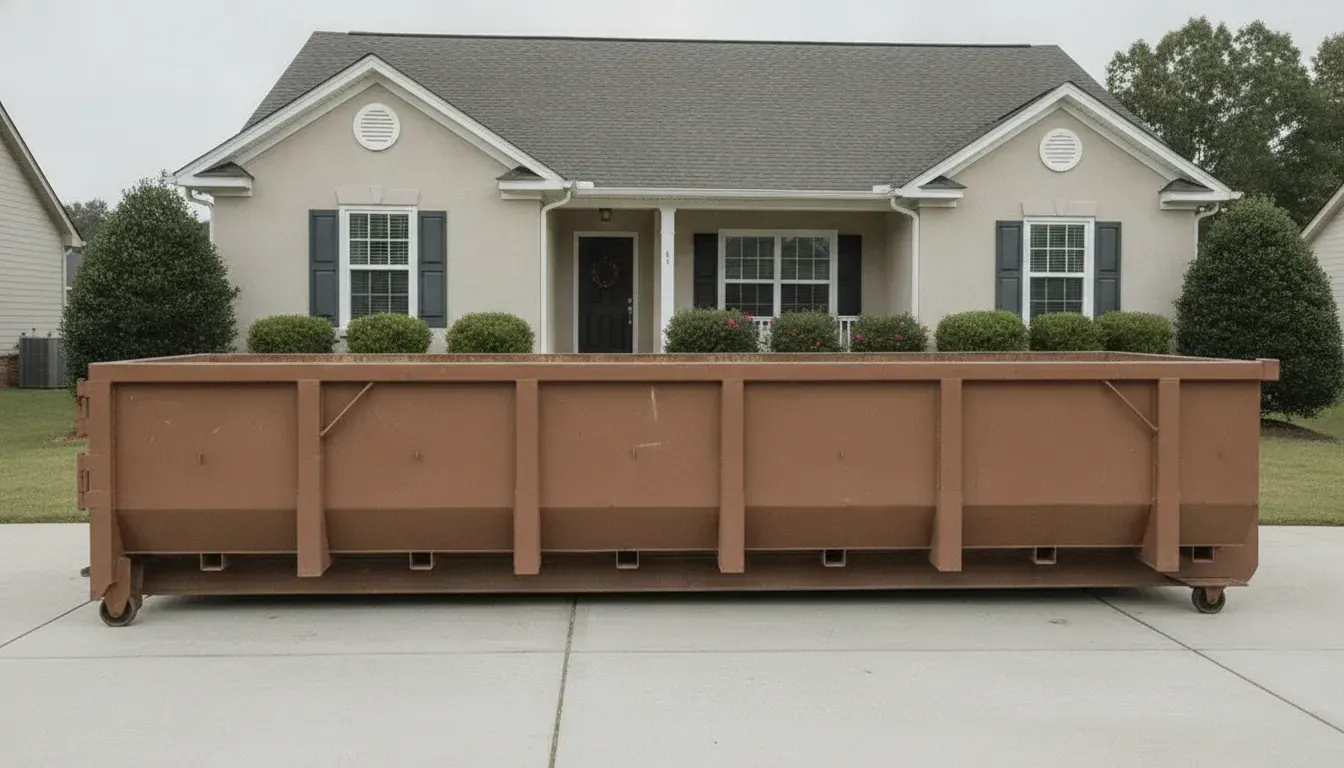
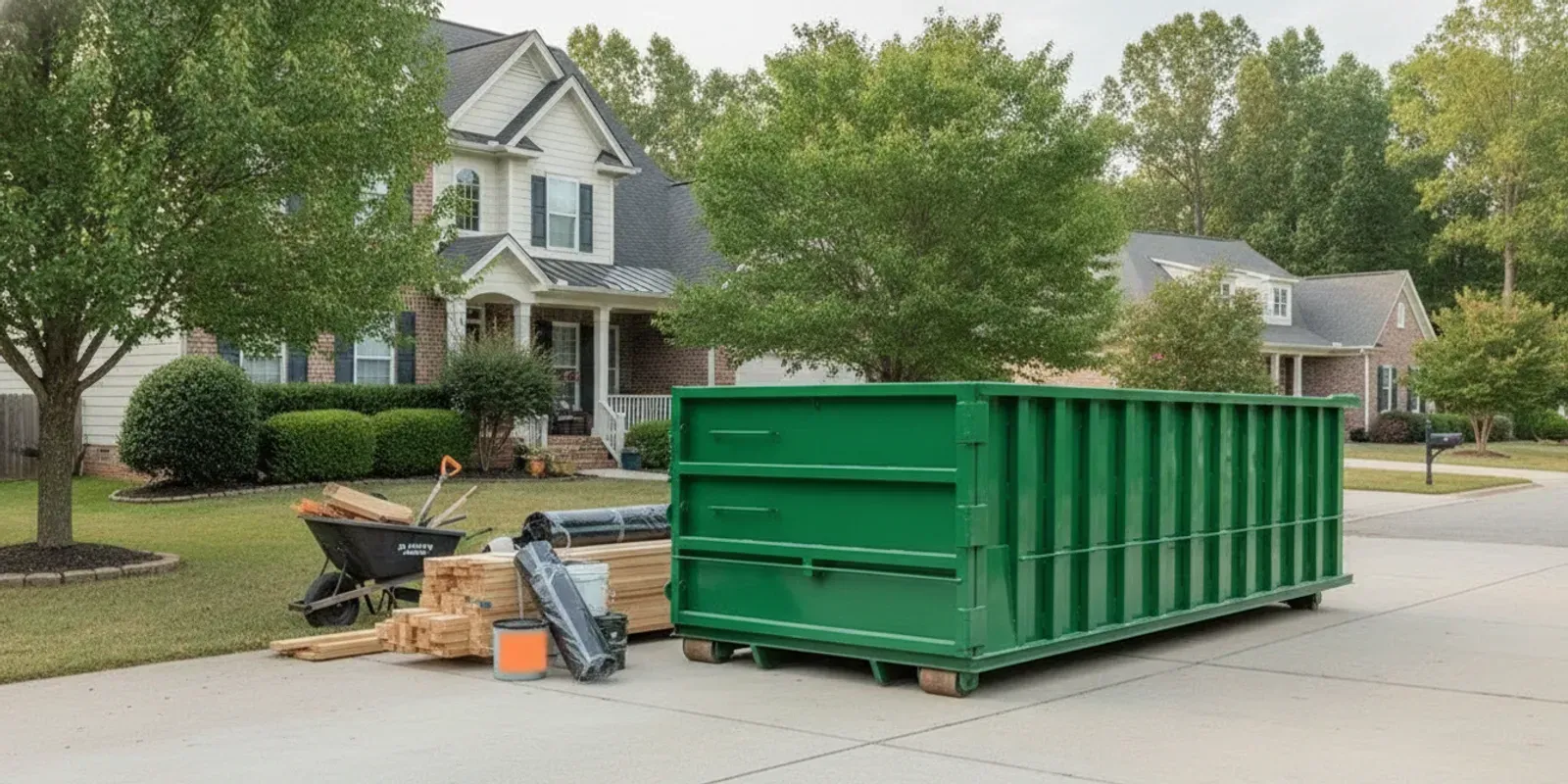
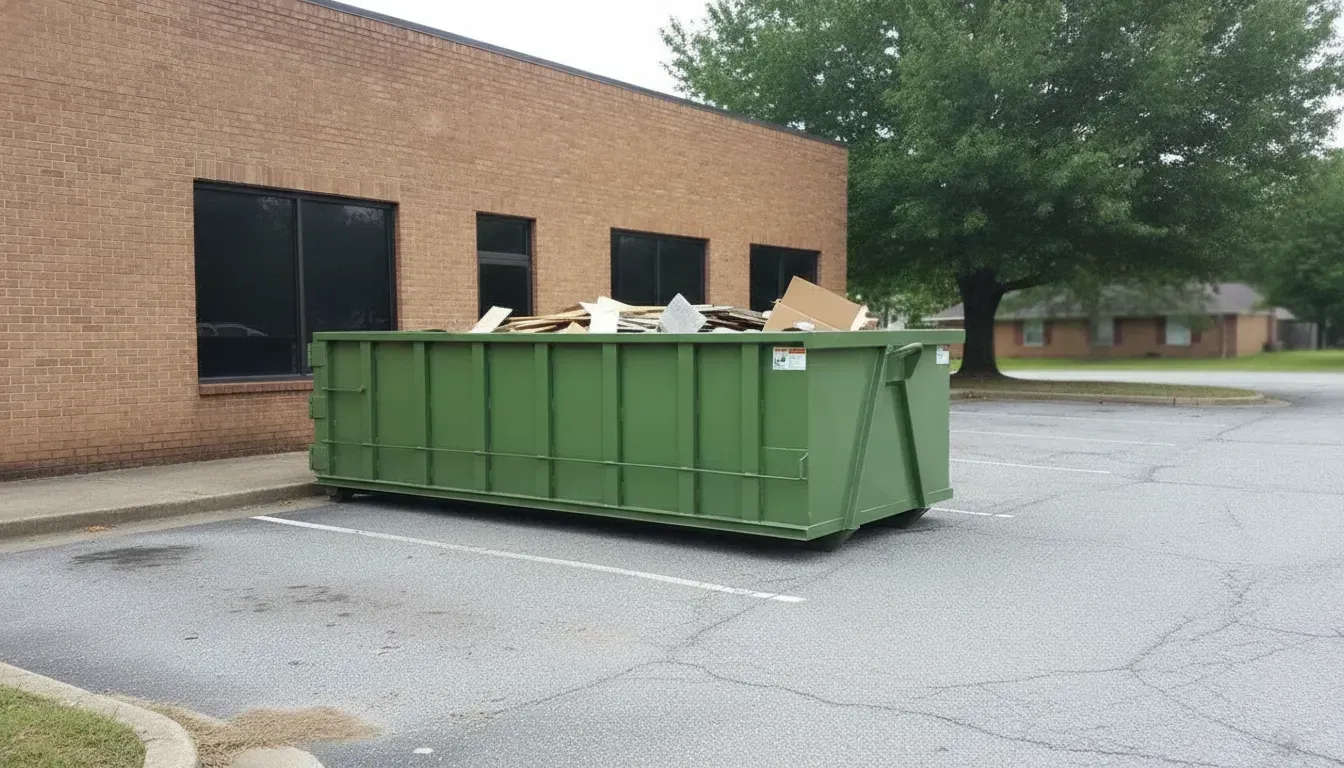
Rapid Removal Dumpsterâs documented option is a 15-yard container measuring approximately 5 feet high, 14 feet long, and 7.5 feet wide. That footprint is a useful starting point, but it does not represent the full space required for delivery. The truck needs an approach and room to set the container down. You should consider gates, parked vehicles, trees, overhead lines, turns, slopes, and the path between the road and the proposed spot.
Write a short project brief before requesting service. Include the project type, the materials you expect, the preferred delivery and pickup dates, and any unusual items that may need special handling. Note whether the driveway is shared, whether an HOA or property manager has rules, and whether a garage or walkway must remain accessible. A concise, specific description makes it easier to ask the right questions.
- Project: renovation, move, garage or attic cleanout, landscaping, or a small construction job.
- Materials: list bulky items and anything uncertain or potentially restricted.
- Placement: identify one preferred location and, if possible, an alternate.
- Schedule: estimate when loading will happen and when pickup is needed.
- Site details: note slope, soft ground, narrow access, shared entrances, or neighborhood rules.
For answers about the companyâs rental process and frequently asked questions, review the dumpster rental FAQ. Treat it as a starting point for questions, then confirm the details that apply to your address and project.
Where can a dumpster sit on a College Grove property?
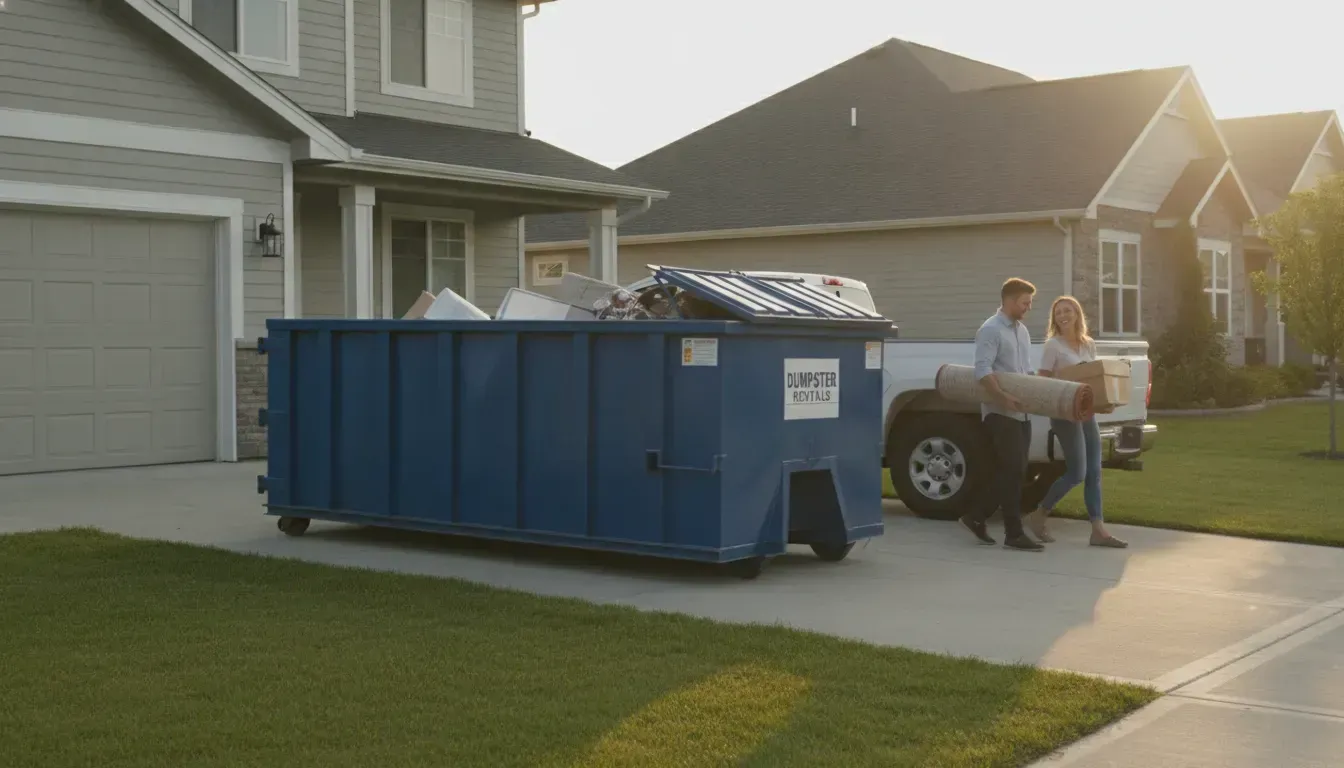
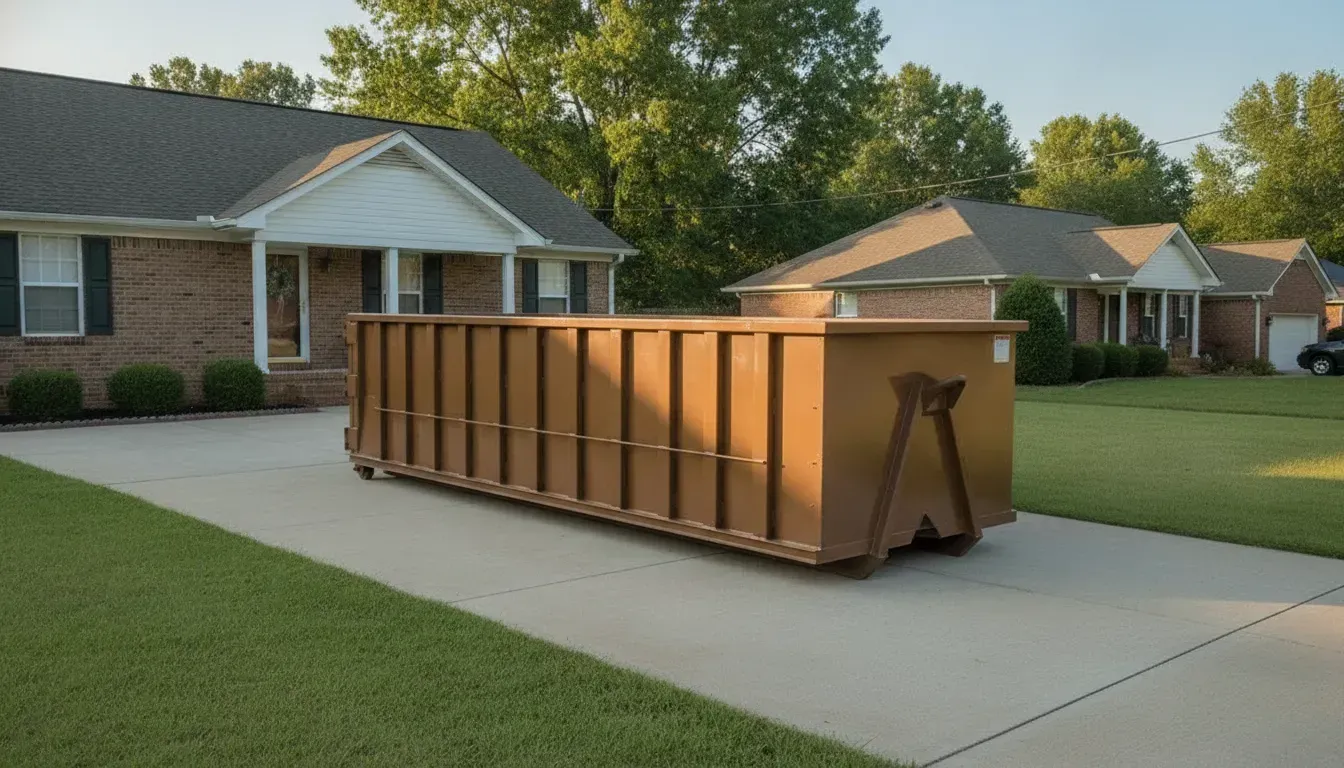
A driveway is often convenient because it is close to the work and makes carrying debris simpler. It is not automatically the right spot for every property. Surface condition, slope, approach, overhead clearance, and daily vehicle use all matter. A space that looks open from the street may still leave too little room for the delivery truck or block a garage door.
Inspect the surface and grade
Walk the proposed position and look for cracked concrete, loose pavers, soft ground, steep grades, drainage areas, and narrow edges. A loaded container is heavy, so do not assume every surface is suitable. Rapid Removal Dumpster describes driveway-conscious placement and says protective planks may be used when needed. This describes a practice, not a guarantee that every driveway will be free of marks or damage. If the surface is new, decorative, uneven, or already damaged, point that out before delivery and ask what placement approach is appropriate.
Think about where the containerâs weight will rest and whether the truck can place it without crossing a fragile edge. If the driveway has a slope, describe its direction and steepness as clearly as you can. A photograph may help explain an unusual site, but ask the provider what information it needs rather than assuming an image alone confirms a safe placement.
Keep household access in mind
Choose a spot that lets residents enter and leave the home safely. Check whether the bin would block a garage, front walk, side gate, or the route to an outdoor bin. If household vehicles normally use the driveway, decide where they will go during the rental period. A container that is easy to load but makes daily access impossible may create avoidable disruption.
Also consider the path between the work area and the dumpster. A wheelbarrow route should be clear enough to use without crossing a hazardous or cluttered area. During renovation work, protect the floor and doorway if debris must travel through the home. Keep children and pets out of the placement and loading zone, and avoid storing tools where people carrying materials could trip over them.
Plan for neighbors and shared spaces
In a close-set neighborhood, a shared entrance, or an HOA-governed community, placement is also a courtesy issue. Check rules that may apply to temporary containers, street use, visible equipment, or blocked access. If the preferred spot is close to a boundary, make sure it is on your property and does not interfere with a neighborâs driveway, walkway, or view of an intersection.
A clean, orderly setup can help a temporary container feel less intrusive. Keep loose debris inside the bin, avoid blocking sidewalks or common areas, and leave gates and access routes usable. If you expect a neighbor to need regular access through a shared area, discuss the timing and location before delivery rather than relying on a last-minute workaround.
Read the companyâs driveway-focused placement information and describe any tight or unusual site when you request service. Ask directly whether the truck can reach the planned location and how the placement will be handled.
How do you prepare truck access before delivery?
The containerâs dimensions are only one part of the space calculation. The delivery vehicle needs to enter, maneuver, and set down the roll-off. A driveway may be long enough for the bin but still difficult to approach because of a narrow gate, tight turn, parked car, low branch, or soft shoulder. Walk the route from the road to the proposed location and look at it from the driverâs perspective.
Start at the entrance. Check whether the gate opens fully and whether its posts, fence, or nearby landscaping narrow the path. Continue along the driveway, noting corners, grade changes, overhead branches, wires, and any objects that might be moved before arrival. At the drop-off point, identify drains, steps, garage doors, or paths that should remain clear. If a vehicle or trailer normally occupies the area, arrange to move it before the scheduled delivery.
Use this access checklist on the day before delivery:
- Move cars and equipment from the driveway and approach route.
- Open gates and remove temporary obstructions if the route allows it.
- Check for low branches, overhead obstacles, and tight turns.
- Tell the provider about a steep driveway, narrow entrance, soft ground, or shared access.
- Keep the selected drop-off area clear of tools, materials, and parked vehicles.
- Confirm that the planned spot leaves a usable route into the home or an alternate parking plan.
Do not rely on a vague instruction such as âput it near the garageâ if several locations are possible. Identify the preferred placement clearly and discuss any limitation before the truck arrives. Contactless delivery may be available, but a clear plan still matters. Confirm how the company will receive placement instructions and how questions will be handled if the requested location is not workable.
Which rental period fits a renovation, move, or yard project?
Choose a rental period based on when debris will be ready to load, not only on how long you expect the main work to take. A one-day cleanout can work when items are already sorted and helpers are ready. A renovation may produce debris in stages, while a move can stretch across several sessions. Yard work may depend on weather, equipment, or the availability of people helping.
Rapid Removal Dumpster publishes rates for the 15-yard rental of $349 for one day, $375 for three days, and $399 for seven days, with no delivery fee stated on the site. Those published prices give you a basis for comparing durations. Confirm the current price and terms for your booking, including pickup timing and what to do if the project schedule changes. Do not infer that a short price statement answers every question about all possible conditions.
When a one-day rental may fit
A one-day period may suit a concentrated job when the debris is ready, the route is clear, and the people doing the loading are available. For example, a garage cleanout may be ready if the keep, donate, and discard piles have already been separated and bulky items are near the loading path. By contrast, a one-day window may feel tight if you still need to sort boxes, wait for a contractor, or decide which materials can be discarded.
Before choosing one day, create a simple sequence: when loading begins, who will help, what needs to be carried first, and when the work area must be clear. If any part depends on another person or a delivery, ask whether a longer period would provide more practical room.
When three days may fit
A three-day period can suit a compact project spread over a few work sessions. A small renovation might produce material on the first day, with a second loading session after more demolition and a final sweep on the third. A move-related cleanout may also need separate sessions for furniture, storage areas, and leftover packing material.
Mark the likely workdays on a calendar and include time for loading, not just the work that creates the debris. If the project is active only after work or on a weekend, account for that when selecting dates. Confirm the intended pickup plan so you know when the container is expected to leave.
When seven days may fit
A seven-day period may suit work spread across the week, a staged cleanout, or a project with a less predictable sequence. For example, homeowners renovating one room while continuing to use the rest of the house may remove materials in several batches. A week can also give helpers time to coordinate schedules without requiring every item to be ready at once.
A longer window is not automatically necessary. Estimate the days when debris will actually be generated and the days when someone can load it. Ask about pickup scheduling and what to do if the work finishes early or falls behind. A direct conversation can prevent misunderstandings about timing.
For another view of published pricing considerations, consult the dumpster cost guide. Use published information as a starting point, then confirm availability and the terms for your specific request.
How can you estimate whether a 15-yard dumpster is enough?
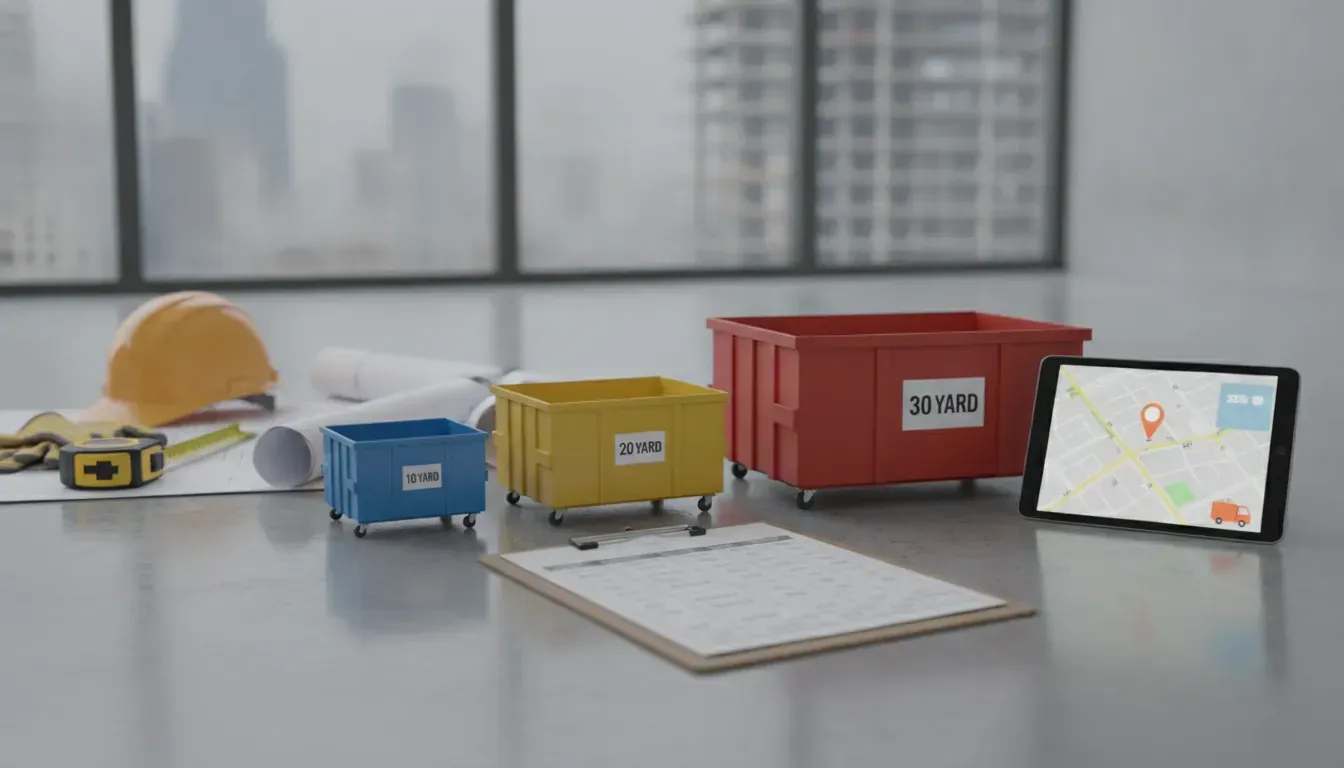
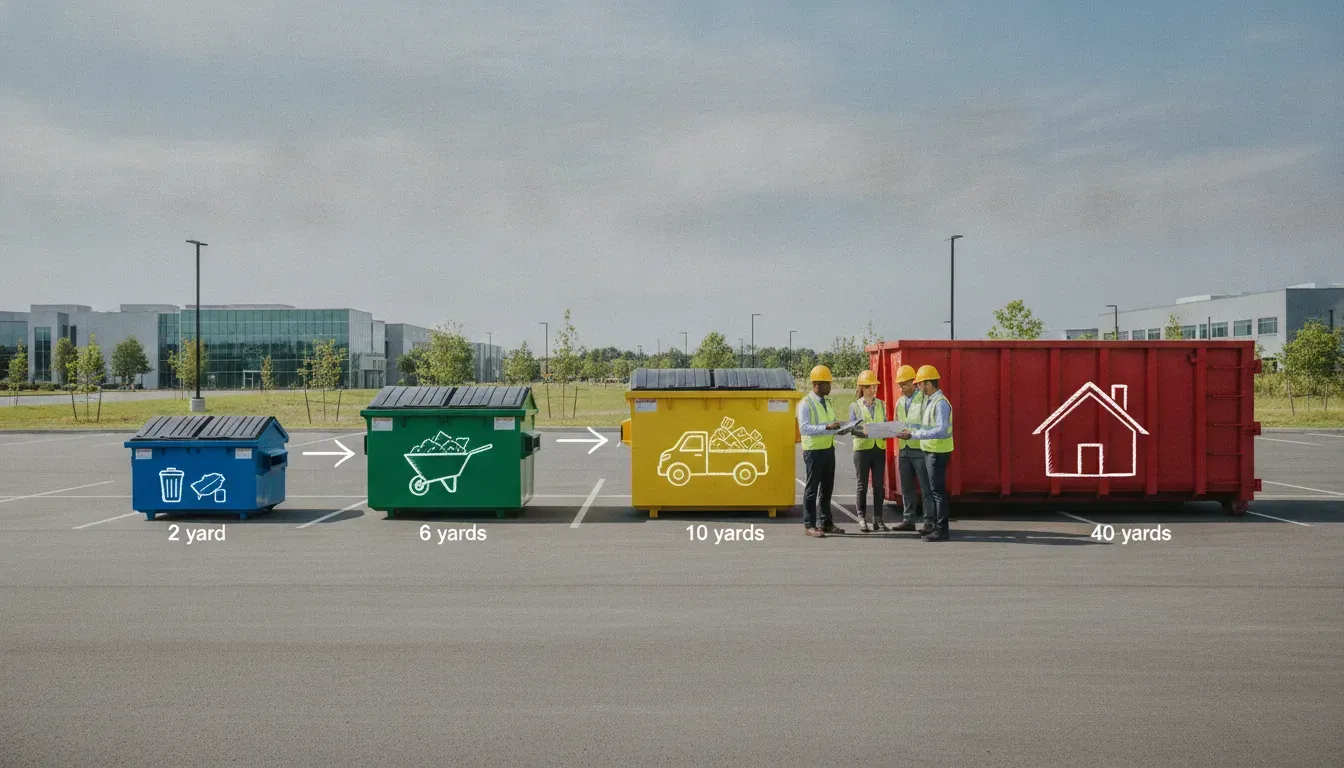
Estimate your load by listing its bulky pieces, the material types, and the order in which the work will produce debris. Rapid Removal Dumpster describes the 15-yard container for examples that include bathroom or kitchen renovations, home projects, landscaping debris, moves, and smaller deck demolition. Projects with the same label can still produce very different loads. Replacing a few cabinets is not the same as removing an entire kitchen, and a light garage cleanout differs from one with large furniture and dense materials.
Make an inventory rather than relying on a broad project name. For a renovation, list cabinets, flooring, fixtures, and other large components expected to come out. For a move, note furniture and storage areas as well as boxes. For yard work, describe the type and approximate amount of brush or other debris. Share this list with the rental provider and ask whether it sounds like a reasonable match for the documented 15-yard option.
It can help to separate the estimate into three groups:
- Bulky items: furniture, cabinetry, fixtures, or large yard debris that take up space quickly.
- Smaller mixed material: boxes, loose renovation debris, or household discards that may fill gaps.
- Uncertain or dense material: items whose acceptance, weight, or loading instructions should be confirmed before they go in.
Think about how the load will be arranged. The company FAQ advises distributing material evenly. Keep heavier debris spread across the floor rather than concentrated at one end, and do not stack above the containerâs safe fill line. Do not assume an item is acceptable simply because it fits. Confirm unusual materials before loading, especially paint, chemicals, electronics, appliances, masonry, soil, or other items that may need a separate disposal route.
If the inventory seems close to the capacity of the container, explain what is included instead of giving only a room count. A âkitchen remodelâ can mean a partial update or a complete removal. The more concrete the description, the more useful the providerâs response can be. If you are unsure about an item, pause and ask before placing it in the bin.
What should you confirm about materials and loading?
The available company information does not establish a universal list of accepted and excluded materials. That means you should not treat a general example of a project as permission to load every material the project may produce. Before delivery, name the items you are unsure about and request clear instructions. This is especially important for liquids, chemicals, electronics, appliances, heavy masonry, soil, or any material that may require special handling.
For a mixed cleanout, sort items before the container arrives. Set aside anything that needs a different disposal option, and do not put a questionable item in the dumpster hoping it will be accepted later. If a contractor is generating debris, agree in advance on what will go into the container and who will check uncertain materials. Clear expectations are useful when several people are loading the same bin.
Load carefully and keep the area around the dumpster tidy. Carry items from the ground rather than climbing into the container. Avoid throwing objects in a way that could rebound or expose sharp edges. Keep children and pets outside the work zone, and make sure everyone helping knows the loading instructions. Follow the providerâs guidance about even distribution and fill level.
A simple loading sequence
- Separate first. Make keep, donate, recycle, discard, and ask-first groups before loading.
- Check uncertain items. Confirm acceptance and instructions with the provider before they enter the bin.
- Load large pieces deliberately. Place bulky items so they use space efficiently without sticking above the safe fill level.
- Distribute weight. Follow the companyâs instruction to spread material evenly rather than concentrating it in one spot.
- Keep the perimeter clear. Pick up loose debris and leave safe access around the container.
How can you organize a project around the container?
A dumpster is one part of a project plan. Organizing the work area before delivery helps the rental period go toward the job instead of last-minute sorting. Set aside clearly marked places for items to keep, donate, recycle, discard, and ask about. Put labels where helpers can see them. If the container arrives before sorting is done, people may load something that should have been kept or set aside for another disposal route.
For a renovation, clear the path from the room to the driveway and protect floors or corners where materials will pass. Make sure tools and supplies are not piled in the walkway. If several rooms are involved, decide which room will be cleared first and where each batch will wait before loading. This keeps debris from spreading through the house and makes it easier to tell what is ready to go.
For a move, start with storage spaces and items you have already decided to discard. Keep wanted belongings physically separate from disposal piles, especially in a busy household where several people are packing. Label large items or mark them clearly so helpers do not have to ask repeatedly. If the move-out deadline is fixed, schedule the cleanout tasks backward from that date.
For a garage or attic cleanout, make a safe aisle to bulky items before delivery. Do not stack unstable objects along the route. Sort boxes before carrying them, and keep items that require a separate disposal method in a distinct area. In an attic, move items down carefully and do not let a desire to fill the container quickly override safe handling.
For yard work, decide where branches or other debris will be staged and how they will reach the bin. Keep the staging pile away from driveways, doors, and shared walkways. Ask in advance about the specific material you plan to load. A plan for brush may not answer a question about soil or other dense material, so name the material clearly.
How do property rules and appearance affect placement?
Homeowners who care about curb appeal or live under neighborhood rules should consider the containerâs location and the length of time it will remain on site. Before booking, check whether an HOA, landlord, property manager, or shared-property agreement has requirements for temporary equipment. Rules may address where an object can sit, whether a street or common area can be used, or how long it can remain. Do not assume that a private driveway is exempt from every community rule.
Choose a position that is practical without unnecessarily dominating the main entrance or blocking sightlines. Keep the loading area orderly, close gates after carrying materials, and avoid leaving debris beside the bin. If another location would reduce disruption but make loading difficult, compare the trade-offs before delivery. A slightly longer carry may be worthwhile when it preserves access to a garage or shared lane, but only if the truck can safely place the container there.
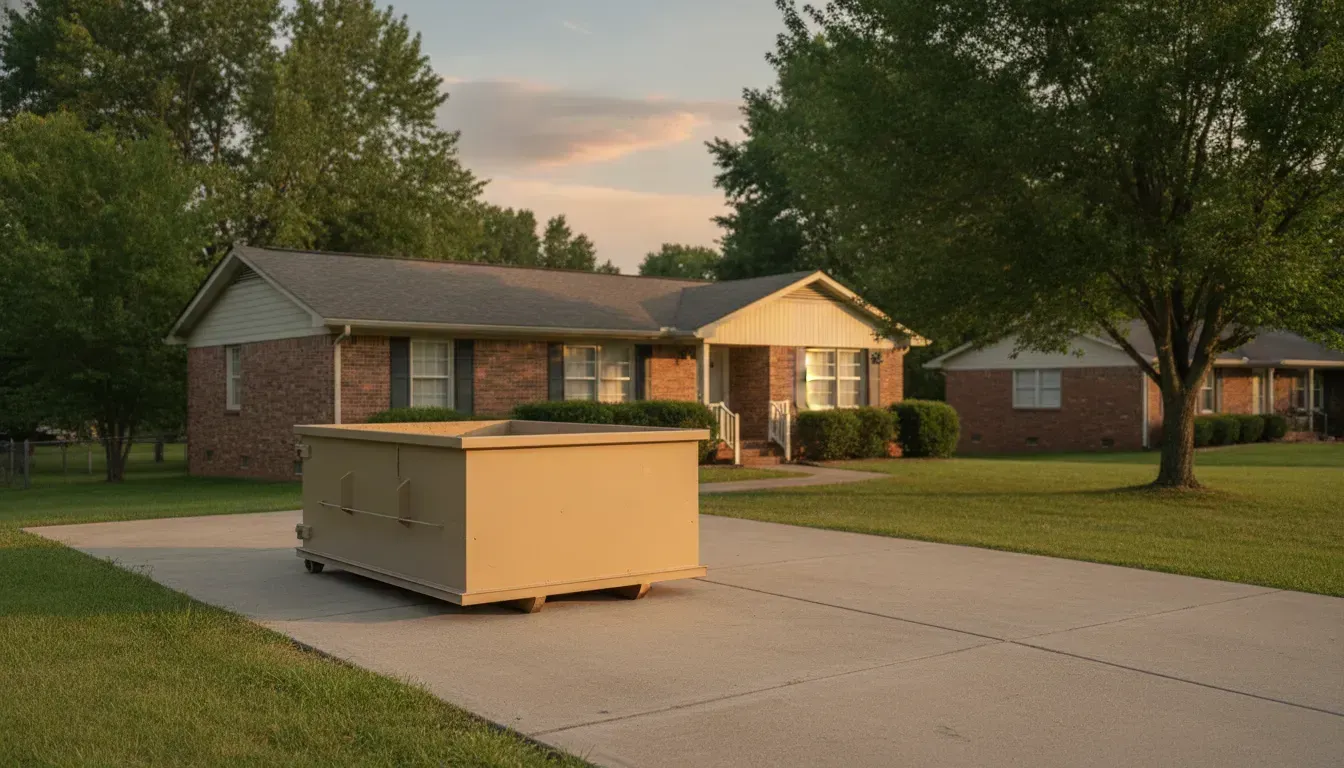
Discuss the visual and access concerns with the provider. Rapid Removal Dumpster describes an earth-tone container and driveway-oriented placement, but site conditions vary. Ask what is available for your job and do not treat general presentation language as a guarantee about how the bin will appear or how a particular surface will perform. The final location should balance a workable truck approach, loading convenience, surface concerns, and household access.
What does the published price tell youâand what should you ask?
The company publishes three rental durations for the 15-yard option: one day at $349, three days at $375, and seven days at $399, with no delivery fee stated. These figures let you compare the listed periods, but the available information does not establish every potential booking condition. When you request service, ask what the quoted amount covers and confirm the dates, pickup plan, and any terms that affect your project.
For instance, suppose a homeowner plans to clear a garage over two evenings and one Saturday. The three-day published option may be a relevant comparison, but the homeowner should confirm the actual start and end timing and whether the schedule fits the providerâs delivery and pickup plan. If the project unexpectedly requires another day, ask how a schedule change is handled before assuming an extension is automatic or included.
Likewise, a renovation that may run all week should be discussed as a schedule, not just as a request for the seven-day rate. Explain when debris will be ready, when contractors will work, and whether the property needs the container removed by a particular date. Ask for the current terms that apply rather than extrapolating a price from a different job or duration.
When comparing options, focus on the details that change how useful the rental will be: duration, delivery timing, pickup coordination, the accepted materials, placement constraints, and the total amount confirmed for your request. The cost guide can provide context, but the provider must confirm your actual booking details.
How do you request dumpster rental service in College Grove?
When you submit a request, share your College Grove address, project type, preferred delivery date, intended rental period, and a short description of the site. Mention your preferred placement area and any slope, access, surface, HOA, or material questions. Because the company describes its area as Rutherford County and surrounding areas rather than publishing an exact College Grove boundary, ask directly whether your address is eligible.
Rapid Removal Dumpster advertises same-day service options and same-day estimates. Its request process also indicates that a representative may respond by the next business day. If timing is urgent, call (615) 318-5102 during the stated business hours rather than assuming that submitting a form creates an immediate booking. The listed hours are Monday through Friday, 7 a.m. to 6 p.m., and Saturday, 7 a.m. to noon; the company is closed Sunday.
Before you finalize a plan, confirm the delivery window, exact placement instructions, pickup arrangement, rental period, material guidance, and current price. If a site condition is uncertain, ask how it will be assessed. If more than one person is coordinating the project, share the confirmed details with everyone who may be present on delivery day.
The request form is the direct route to share those details. You can also review the companyâs About information for its business background and published contact details. Service availability and timing still need to be confirmed for the individual address and date.
Send your project details and request service
Frequently Asked Questions
Does Rapid Removal Dumpster serve College Grove, TN?
The company describes its service area as Rutherford County and nearby areas but does not publish a specific College Grove boundary in the available information. Share your exact address when you request service and confirm eligibility before setting a delivery date.
What size dumpster is available?
The documented rental option is a 15-yard roll-off container, approximately 5 feet high, 14 feet long, and 7.5 feet wide. Describe your project and planned materials to ask whether that option is a reasonable fit.
Can a dumpster be placed on a driveway?
Driveway-oriented placement is part of the companyâs approach, and protective planks may be used when needed. Every surface and access route is different, so describe the driveway and ask how placement will be handled. Do not treat those practices as a guarantee against marks or damage.
What rental periods and prices are published?
The published 15-yard rates are $349 for one day, $375 for three days, and $399 for seven days, with no delivery fee stated. Confirm the current price and applicable booking terms for your location and project.
Can I ask for same-day delivery?
The company advertises same-day service options, but availability is not guaranteed. Contact the company directly with your location and timing needs and confirm whether a same-day delivery can be arranged.
A measured placement area, a clear truck route, and a realistic loading schedule give you a stronger starting point for a College Grove rental request. Confirm the address, materials, timing, and site plan before delivery so the project can begin with fewer preventable surprises.