Dumpster Rental for Event Cleanup: Planning Waste Removal
Plan event waste removal with a practical dumpster timeline, truck-access checks, thoughtful placement, and clear sorting steps for an orderly cleanup.

Dumpster rental for event cleanup works best when it is part of the event plan, not an afterthought once the last guest leaves. Hosts, venues, and organizers can avoid a rushed breakdown by deciding what waste is likely, where the container can sit, and who will coordinate delivery and loading. Early planning also keeps guest routes, vendor access, and the venue’s closing schedule in view.
Request service for your event
What should you plan before booking?
Start with a list of the materials the event may leave behind. Consider setup and teardown separately. Setup can create packaging, temporary signs, protective materials, and empty supply boxes. Breakdown may produce damaged decorations, disposable serving items, booth materials, or other debris. A concert, reception, community fair, sports gathering, or outdoor fundraiser can each create a different mix, even when attendance is similar.
Separate waste from property that has another destination. Rental chairs, linens, lighting, staging pieces, vendor crates, and reusable decorations should be returned or stored rather than treated as trash. Set aside items for donation or reuse only if someone is responsible for collecting them and a destination is confirmed. This prevents a useful item from being left beside the dumpster at the end of a long night.
Estimate volume from the materials and their shape, not just the guest count. A small event with temporary booths can leave more bulky waste than a larger gathering that uses reusable place settings and rented equipment. Flattening clean cardboard and breaking down approved materials can make loading more efficient, but do not dismantle items in a way that creates a safety risk or conflicts with venue rules.
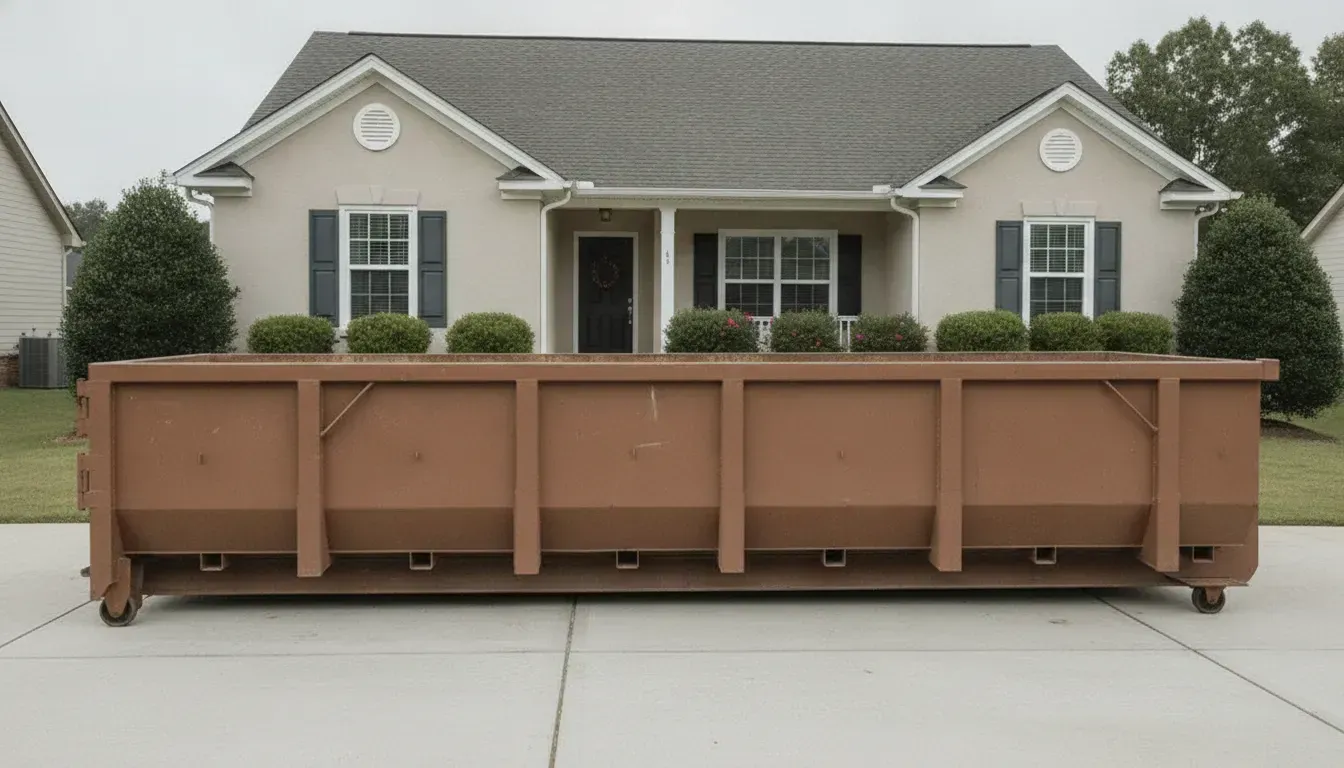
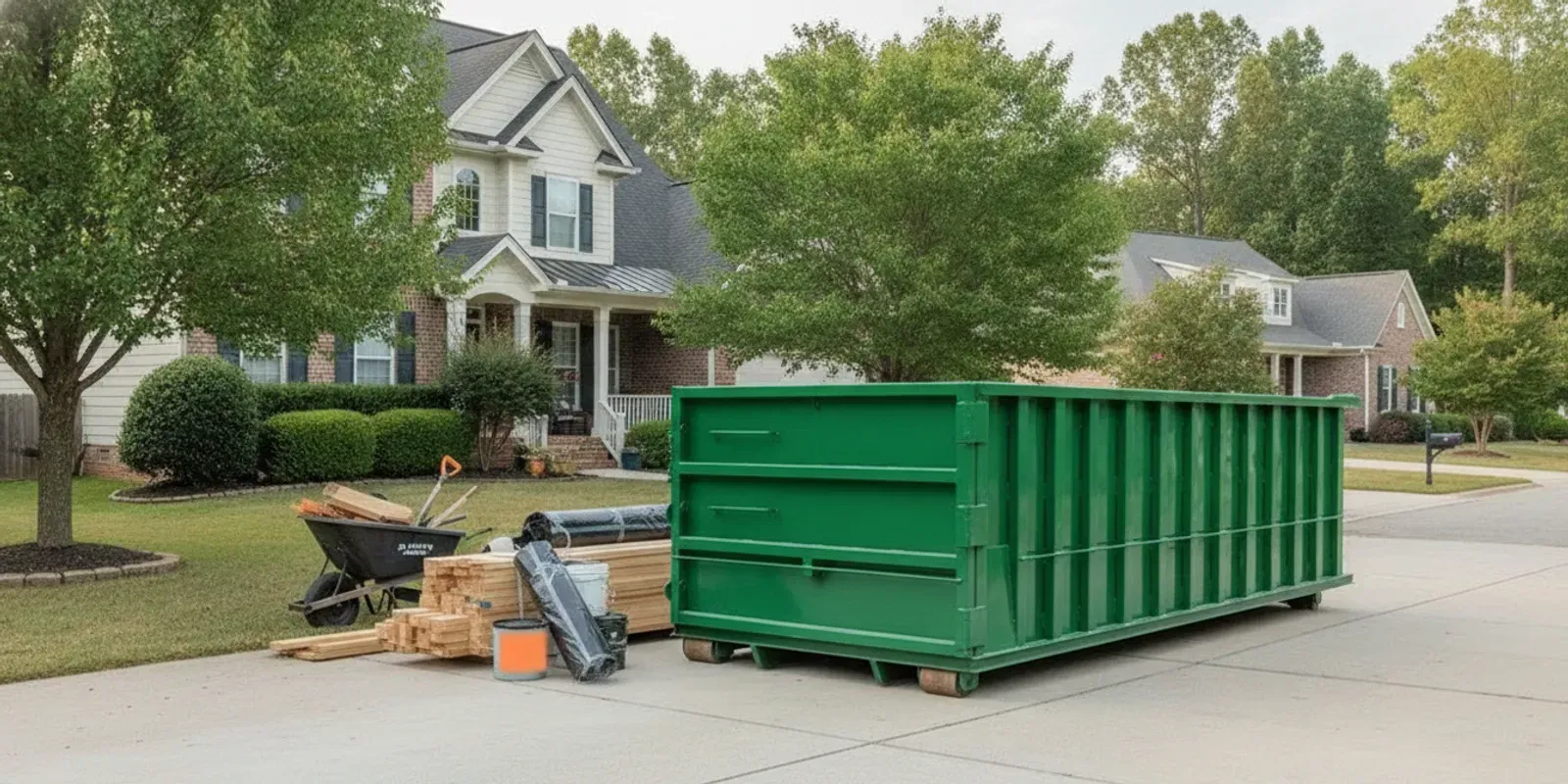
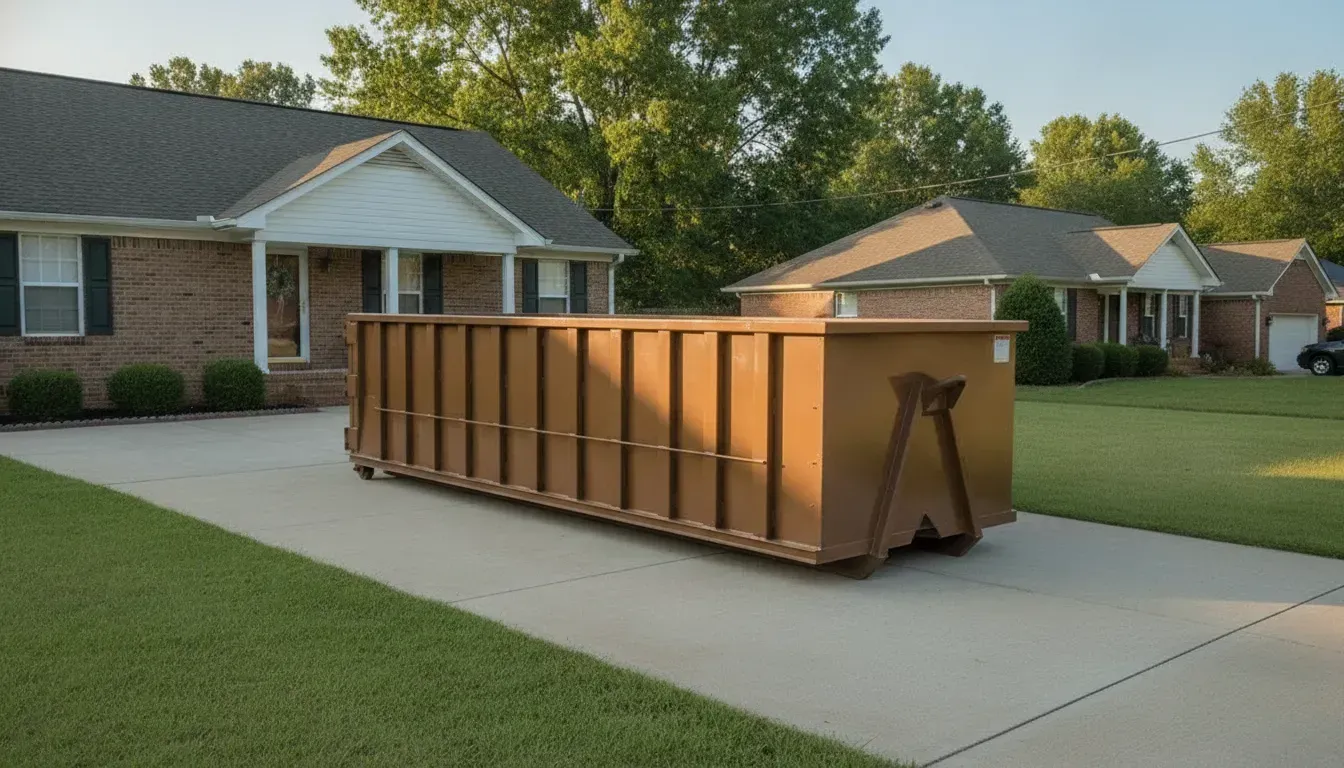
Rapid Removal Dumpster offers a 15-yard roll-off, about 5 feet high, 14 feet long, and 7.5 feet wide. It is intended for projects such as home renovation, cleanout, landscaping, and small construction, so discuss your event’s specific debris rather than assuming it is an automatic fit. Bulky debris can fill a container quickly. Review the dumpster size guide and describe the event’s materials when asking about fit.
For a more useful estimate, make a quick inventory by zone. For a reception, list packaging from setup, tableware and decorations from dining areas, and boxes or signs from the entrance. For a fair, count booth materials, temporary fencing components, and vendor packaging separately. Note which items are rented, reusable, recyclable through the venue, or destined for general disposal. You do not need a perfect volume calculation; the purpose is to give the provider a concrete picture instead of saying only that the event is “large” or “small.”
When should the container arrive?
Work backward from the deadline for restoring the site. Write down when setup begins, when the event ends, when breakdown can start, and when the venue needs the space clear. If cleanup begins only after guests leave, arrange for the container to be in place beforehand at an approved location. If setup also creates significant debris, decide whether the rental period can cover both setup and teardown without putting the bin in the way of vendors or guests.
A short planning timeline makes the request clearer:
- Before booking: confirm the event dates, venue contact, possible drop zone, expected materials, and site-clear deadline.
- Before setup: verify delivery timing, truck access, placement permission, and who can meet or guide the driver.
- During the event: keep the service route and container area clear, and brief the waste-station lead.
- At breakdown: sort first, load only accepted debris, then inspect the grounds and vendor areas.
- After cleanup: confirm the pickup plan and leave the site as the venue requires.
The published rental choices for the 15-yard container are one day for $349, three days for $375, and seven days for $399, with no delivery fee stated on the site. Confirm current terms, availability, and the period that covers your actual event schedule before relying on a price. A one-day option may fit a tightly scheduled gathering with a short breakdown window. A longer period may provide flexibility when setup happens well ahead of the event or access hours are limited.
Compare the rental period against the complete working window, not the event’s advertised hours. A Saturday afternoon gathering may require setup Friday, breakdown Saturday night, and a final site check Sunday morning. If the container must be present across those days, ask which rental duration fits and how pickup is coordinated. Do not assume that “one day” means a particular number of hours or that a pickup will happen at a specific time unless the provider confirms it.
Do not treat a web request as an instant booking. The request form says a representative will respond by the next business day. Same-day options and same-day estimates are advertised, but timing and availability need confirmation. For an event with a fixed opening date or venue handover, request service early and state the latest acceptable delivery and removal times. Ask how the booking is confirmed so you know whether the container is secured for the event dates.
How can you prepare truck access?
Walk the proposed route from the public road to the drop point. Look for gates, low branches, overhead wires, tight turns, slopes, soft ground, parked cars, temporary fencing, and signs or lighting towers. Consider how the route may change on event day: vendor vehicles, portable toilets, food trucks, queues, and staging can block an otherwise open path. The driver needs a clear approach and working room, not only a clear patch where the container will sit.
Take simple measurements or photographs if the route is narrow or has unusual obstacles. Share the details with the rental provider before delivery rather than expecting the driver to resolve uncertainty at the gate. Identify a backup placement area in case the preferred spot becomes occupied. A backup is useful only if the venue approves it and the truck can reach it safely.
Think through the route in sequence. First identify the entrance the delivery vehicle should use. Next mark each turn, gate, or pinch point where the truck might need extra room. Then note any time restrictions, such as a market opening, school dismissal, or venue security check. Finally, identify a person who can meet the driver and point out the approved drop zone. This simple route brief reduces last-minute calls and helps prevent an event vehicle from blocking access.
Ask the venue manager who has authority to approve the location. For a shared parking lot, managed property, or community space, confirm loading hours, security procedures, gate access, vehicle rules, and any restrictions on noise or overnight placement. Make sure someone with the right access will be present or available during the delivery window. Tell the provider about scheduled closures or security check-ins in advance.
Use the rental FAQ as a starting point for common questions, then verify event-specific conditions directly. The company states that it serves Rutherford County and surrounding areas, so confirm that the particular venue is within the service area before committing to the event schedule.
Where should the dumpster sit during an event?
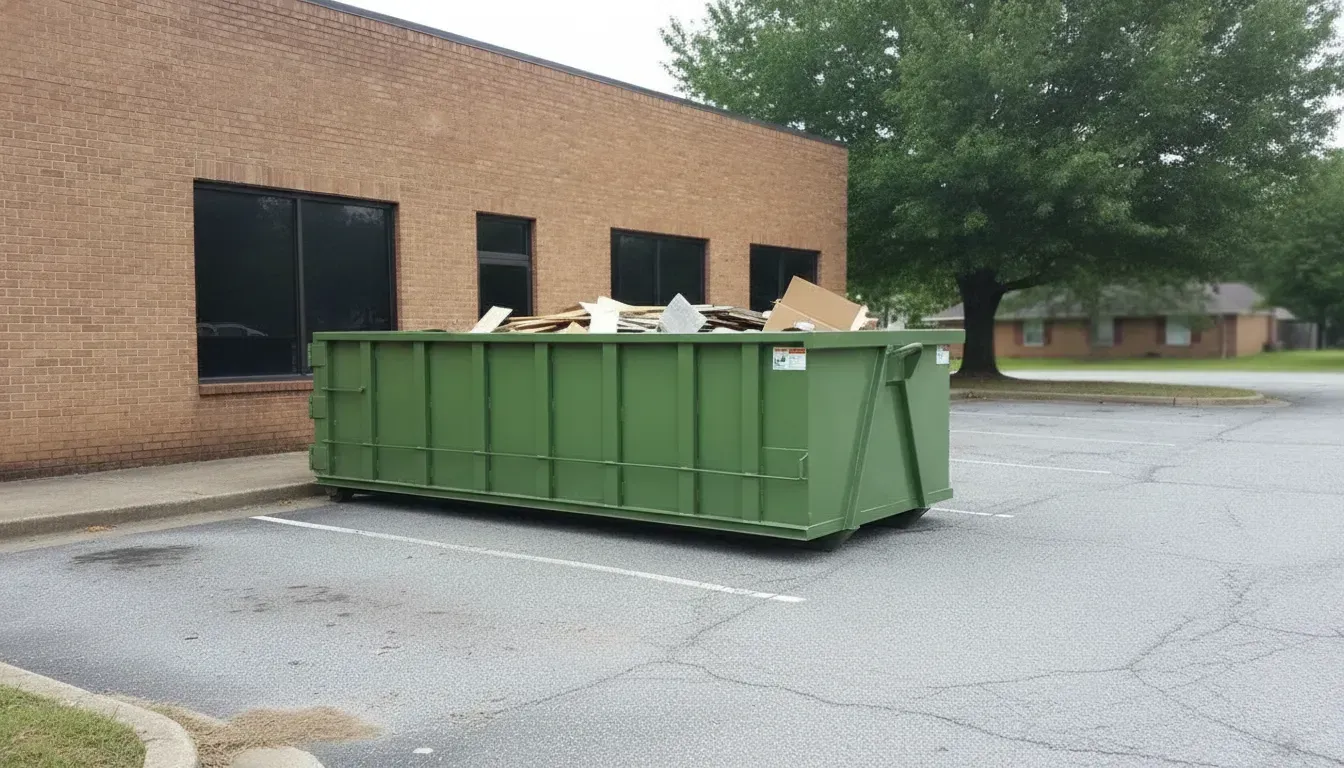
Choose a spot that makes loading practical while keeping the container out of guest circulation. A location near the breakdown area can reduce carrying distance, but it should not block entrances, accessible paths, emergency routes, vendor loading zones, or neighboring properties. Avoid placing it where it hides important signs or creates a blind spot at a vehicle crossing. Keep enough room for staff to approach it without crossing a busy guest route.
Think about the event while it is active, not just after it ends. A dumpster beside a service entrance may be convenient for cleanup but could interfere with catering deliveries. A spot near the public entrance might be easy to reach but visible in photos or disruptive to arrivals. Ask whether screening or a less prominent approved area is available, while preserving safe access for the truck and cleanup crew.
For an HOA, public street, shared lot, or third-party event ground, get required permission before arranging placement. Do not assume that event use of a site includes permission to leave a roll-off container there. Confirm any permit or property procedures with the responsible venue or local authority; requirements can depend on location and type of placement.
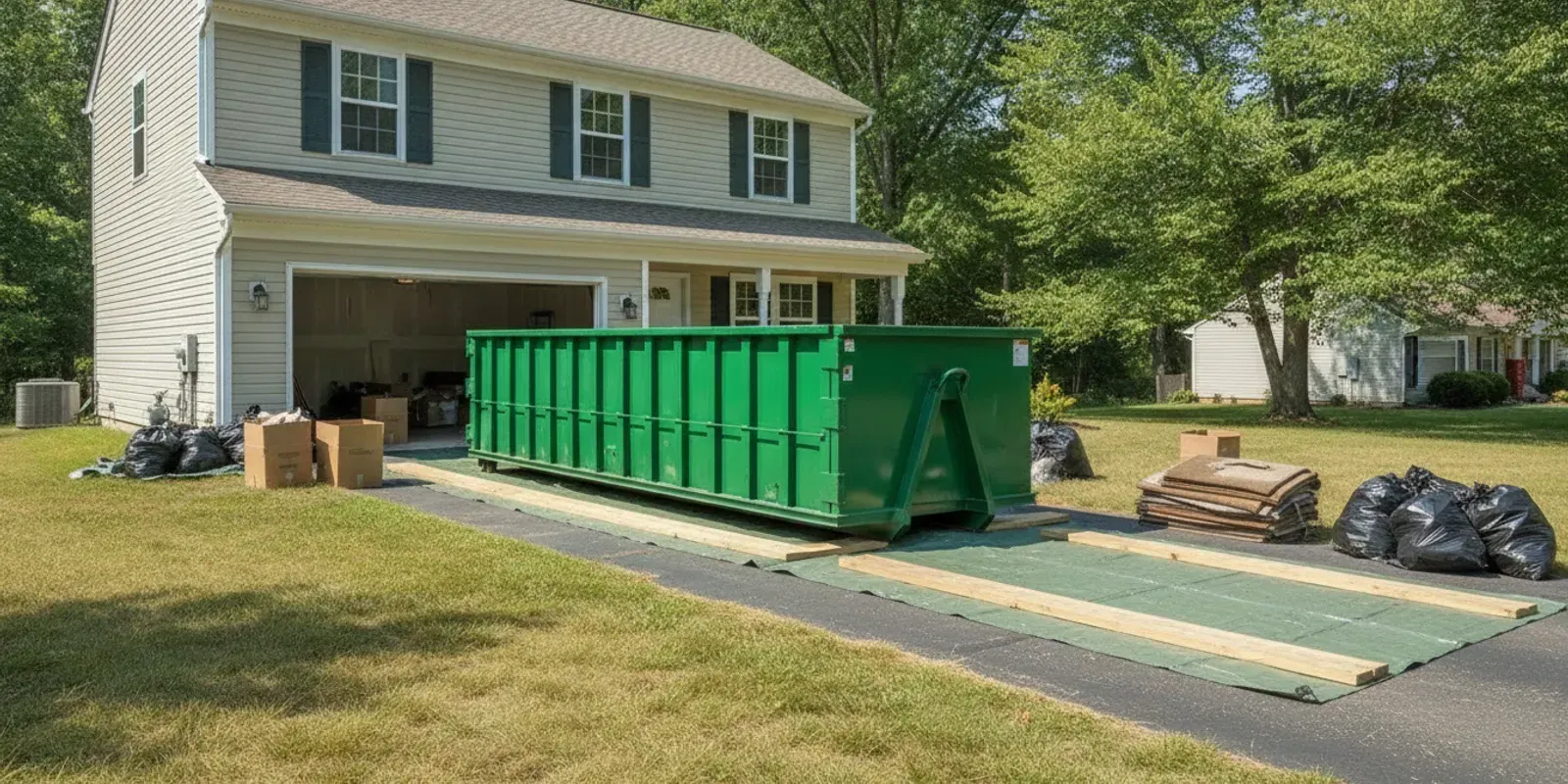
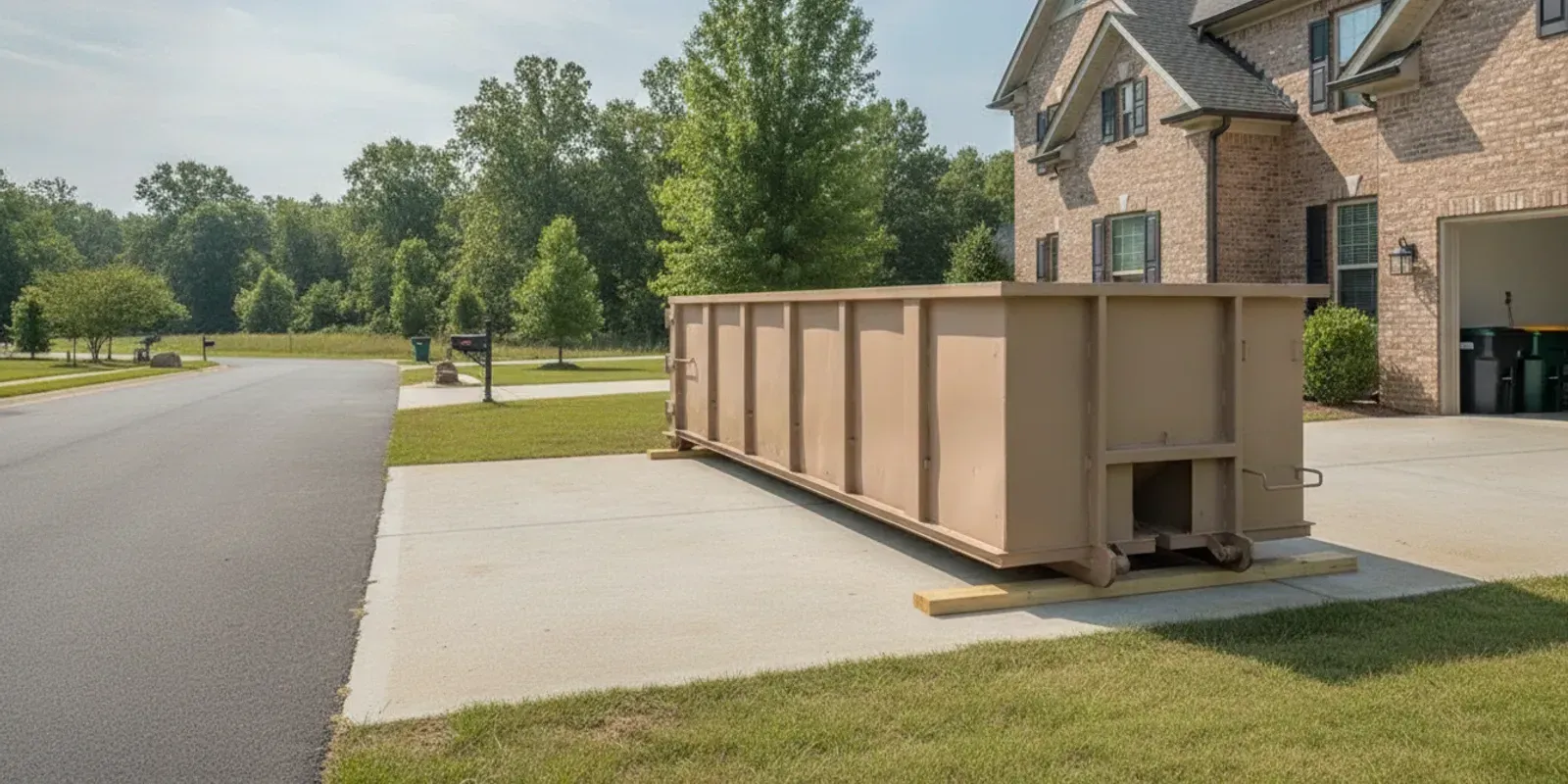
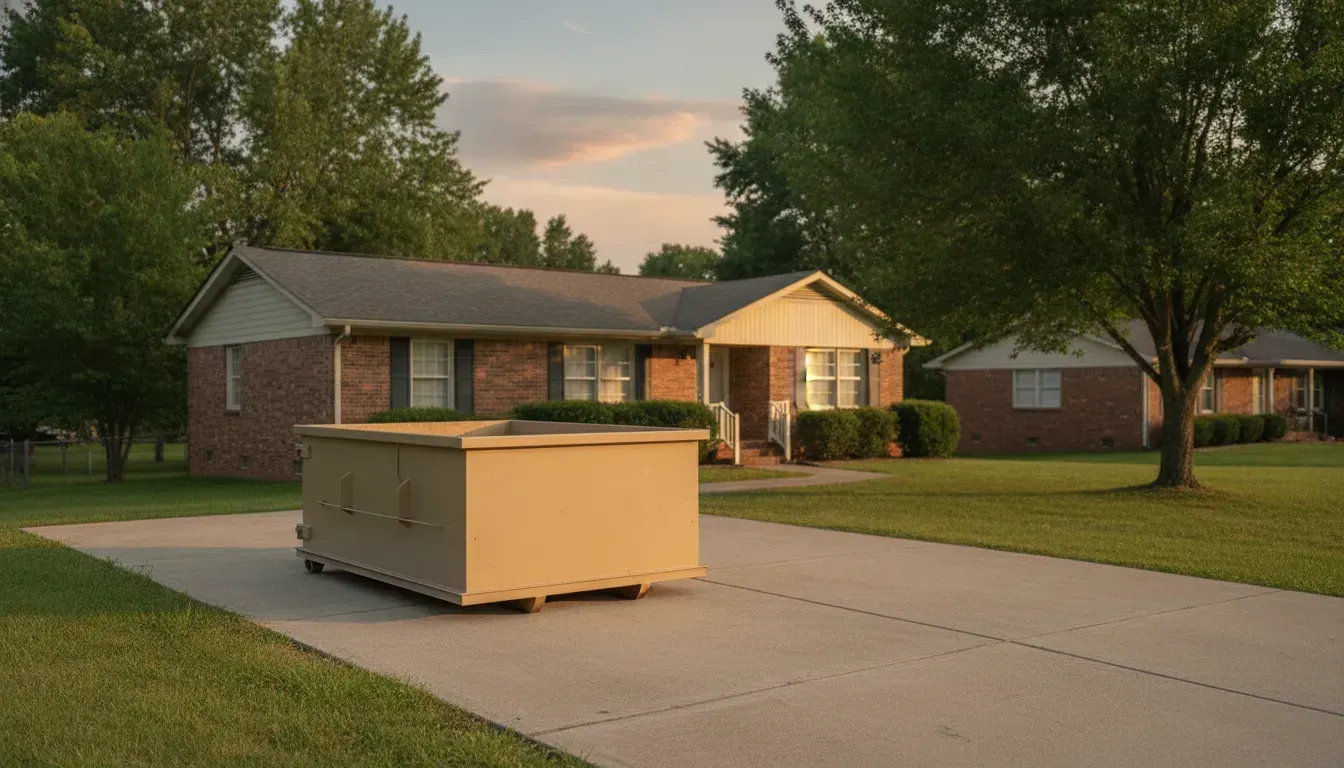
Rapid Removal Dumpster says it can provide protective planks when necessary for placement. This is a placement practice, not a written promise that surfaces cannot be damaged. Describe whether the container will sit on pavement, concrete, or another surface and ask what preparation is appropriate. The placement information can help you prepare those questions. Do not place barriers or cover a surface in a way that blocks the driver’s work area without discussing it first.
Consider the view from the most-used areas. If guests will pass near the service side, ask whether a less visible approved location is possible. If the container must be near the entrance, place it so it does not dominate the arrival path or conceal wayfinding signs. The goal is not to hide necessary cleanup equipment at any cost; it is to keep it orderly, reachable, and separate from the parts of the event where people gather.
How can you sort event waste responsibly?
Give the cleanup team a short sorting plan before the event ends. Use separate, clearly marked zones for returns, recycling if the venue accepts it, special materials that need another handling route, and approved general debris. Keep the directions simple enough that a volunteer or vendor who was not part of planning can follow them. A printed or posted note can list what goes where, but keep it away from exits and routes.
- Return or reuse: rented equipment, reusable décor, linens, signs, storage cases, and vendor-owned supplies.
- Recycle where accepted: clean cardboard, cans, bottles, and other materials covered by the venue’s recycling program.
- Food and organics: use the venue’s approved food-waste route if one exists; do not mix food scraps into a recycling stream.
- Ask before loading: batteries, electronics, chemicals, pressurized containers, liquids, and unusual items that may need special handling.
- General debris: load only materials the provider has confirmed are acceptable.
Waste acceptance depends on the material and disposal arrangements. Never assume every item from an event belongs in a roll-off. Ask the provider about uncertain materials before loading, especially when the event uses batteries, electronic equipment, cleaning products, or containers with liquid. Keep those items in a secure, separate area while awaiting instructions rather than leaving them where guests or children can reach them.
Make responsibilities clear among organizers and vendors. A caterer may handle food and service supplies, a rental company may collect its own equipment, and the venue may manage its normal bins. Agree on those boundaries before the event. A brief written list helps avoid duplicate effort and prevents a vendor’s property from being discarded during a fast teardown.
Use labels that describe an action rather than a vague category. “Return to rental company” is clearer than “keep.” “Clean cardboard only” gives volunteers a limit. “Ask the lead before loading” is useful for uncertain items. If the event has multiple languages among staff or volunteers, use simple terms and make sure the person overseeing cleanup can answer questions in the languages the team uses. Rapid Removal Dumpster offers service in English and Spanish; confirm the best way to discuss your request when arranging service.
How can the crew keep breakdown organized?
Assign one person to oversee the waste station. That person can answer sorting questions, coordinate with the venue, and prevent the container area from becoming crowded. Put collection points near work areas where practical, but do not let temporary bins narrow exits or vehicle paths. Keep a clear walking route between cleanup zones and the dumpster.
Break the work into stages. First collect personal items, rented equipment, and vendor property. Next gather recyclables and any materials assigned to a separate route. Then carry approved debris to the dumpster and distribute it evenly instead of building a high pile at one end. Follow the provider’s loading instructions; do not overload the container or leave material protruding above its safe fill line. Keep the area around the container clear so the crew can work safely and pickup can proceed.
Use a simple example for a reception: one crew member walks the tables for reusable décor and rental items, another gathers clean cardboard and approved recyclables, and a third handles general debris after confirming it can be loaded. The lead checks that no vendor-owned pieces have been mixed into the trash. For a fair with several booths, assign each vendor a cleanup zone and a time to remove their own equipment before the central team sweeps the shared areas.
Match assignments to the size of the crew. With only two people, one can verify returns and recyclables while the other gathers approved debris; they can alternate trips so no one is left alone with an uncertain item. With a larger volunteer group, divide the site into zones and have each zone lead report to the waste-station coordinator. Avoid assigning everyone to carry items at once, since a crowd at the container makes sorting and safe loading harder.
At the end, inspect under tables, behind temporary structures, along fences, and around loading areas. Check that the venue’s normal trash and recycling bins are not left overflowing if those are part of the agreed cleanup. Report any material that cannot be handled as planned instead of placing it beside the dumpster without permission.
What should you confirm before the event date?
Use a concise confirmation list with the venue manager and rental provider. Gather the full venue address, an on-site contact, event and breakdown schedule, delivery window, truck route, approved placement point, and any backup location. Share a plain description of expected debris, including bulky items or anything requiring a separate disposal plan. Confirm who will be present or reachable when the truck arrives.
Ask for the current rental period, price, delivery and pickup expectations, and what happens if the venue’s access window changes. Verify which materials are accepted and whether the site needs to be prepared in a particular way. Confirm that the chosen area remains available during the full rental period, not only during the event. If the venue has a hard closing time, make clear whether the container must be removed by that hour or can remain in an approved service area.
Rapid Removal Dumpster’s published options are for a 15-yard container, and the company serves Rutherford County and surrounding areas. Discuss event dates and exact locations rather than presuming they are covered. Review the roll-off rental information and use the service request to explain your requirements. The contact page provides another way to ask about your venue and timing.
Write down the answers after the call or exchange. A one-page event note can record delivery date and window, gate instructions, approved placement, the contact person, the rental period, and unresolved questions. Share it with the venue lead and the person responsible for cleanup. If a detail changes, update the note and send the revision to everyone who needs it, rather than relying on an informal message that may not reach the delivery contact.
What does a coordinated cleanup sequence look like?
For a one-evening event, a workable sequence might begin several days ahead. The organizer confirms the date, venue approval, anticipated materials, and a drop zone. They request the rental period and delivery window, then send route details and an on-site contact. Before guest arrival, staff check that the approved area is free of parked vehicles and that the access route has not been taken over by event equipment.
During the event, the container stays outside active guest pathways and the waste-station lead monitors the area. When breakdown starts, vendors retrieve their own equipment first. The crew separates items for return and recycling, then loads approved general debris in manageable amounts. A final walk-through catches small items and confirms the venue’s requested condition. The coordinator then checks that pickup timing still works with site access and raises any unresolved disposal questions.
This sequence can be adapted to a multi-day fair or a venue with limited access. For a multi-day event, agree on whether cleanup happens between event days and ensure the container remains in an approved area without interfering with overnight security. For a venue that closes its gates, specify who can authorize access at delivery and pickup. If the schedule shifts, communicate promptly rather than assuming the original window will remain workable.
For example, a weekend craft fair may have vendors arrive Friday, operate Saturday, and leave Sunday morning. The organizer can arrange the container for the period that spans the actual setup and teardown, subject to confirmed availability. Vendors can be told to flatten their own cardboard, retrieve booth displays, and put only approved residual debris in the shared area. The coordinator checks the route after vehicles leave, then makes a final sweep with the venue representative. That division limits confusion about what belongs to each booth and what the central cleanup team handles.
How can you plan for event-day changes?
Even a well-planned site can change. A delivery may coincide with a vendor arriving early, a weather shift may move an activity indoors, or a vehicle may occupy the approved drop zone. Decide in advance who has authority to approve a change and how that person will contact the rental provider. Do not direct a driver to an improvised location that the venue has not approved or that presents a new access concern.
Keep a short contingency plan. Name the backup spot, note who can unlock a gate, and identify a phone contact who can answer if the scheduled site lead is delayed. If the event runs late, ask the venue whether the cleanup window or pickup access changes. If materials differ from the original estimate, pause and check acceptance requirements before loading them. A quick, clear update is more useful than expecting the original arrangement to cover every surprise.
Weather also affects the work sequence. In rain, cardboard may become wet and harder to handle; in high winds, lightweight decorations and packaging can scatter. Secure loose materials during the event and use covered staging only where the venue permits. Keep workers away from unsafe surfaces and avoid carrying bulky loads through congested or slippery areas. The cleanup lead should be ready to slow the pace rather than let a deadline encourage careless lifting or sorting.
Frequently asked questions
Is one 15-yard dumpster enough for an event?
It depends on the type and volume of debris, how much equipment is returned or reused, and whether the venue handles recycling or food waste separately. Describe the materials and approximate amount when asking about fit. Bulky items can use space quickly even when the total weight seems modest.
Can the container be delivered on the event day?
Same-day options are advertised, but availability and timing need confirmation. A fixed event schedule is easier to manage when delivery is requested early and the venue has approved the access route and placement area.
Can we put every cleanup item in the dumpster?
No. Materials may have different handling requirements, and the provider’s acceptance rules should be checked before loading uncertain items. Separate returns, accepted recycling, food waste routes, and special materials from approved general debris.
How can we keep the container from disrupting guests?
Place it outside guest paths, entrances, accessible routes, emergency access, and vendor loading zones, while retaining a clear truck approach. Ask the venue manager to approve the drop point and consider how it will look and function throughout the event.
Discuss your event cleanup plan
Plan delivery, placement, access, and sorting with the venue before event day, then give the cleanup crew clear responsibilities so the site can be restored in an orderly way.