Residential Dumpster Rental: A Homeowner’s Complete Guide
Get practical tips on residential dumpster rental, including how to choose the right size, compare costs, and prepare for delivery at your home.

The first pile of renovation debris often looks small. Then the old flooring comes up, the cabinets come out, and suddenly there’s nowhere to put anything. A residential dumpster rental can give you a central spot for approved waste and help keep your work area clearer. The key is choosing a container that suits the project without overlooking weight limits, restricted materials, or extra fees. Whether you’re tackling a room remodel, moving, or clearing out the yard, a little preparation can prevent avoidable delays. Read on for advice on sizing, pricing, accepted items, delivery access, and questions to ask before you reserve a dumpster.
Key Takeaways
When Should You Rent a Residential Dumpster?
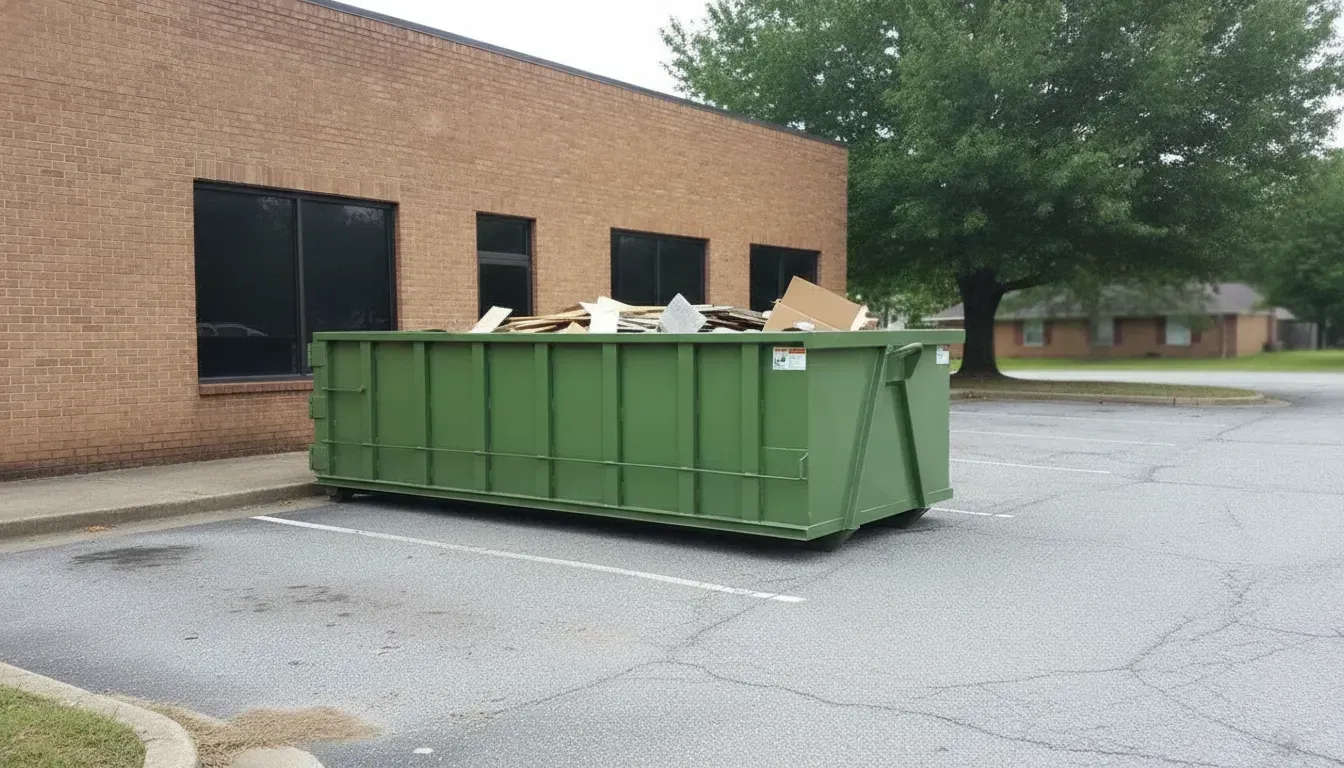
A residential dumpster can help whenever a home project creates more debris than your regular trash service can handle. A growing pile of waste, bulky items that are difficult to haul, or repeated trips to a disposal site are all signs that a rental may be worth considering. Having one central place for approved debris can keep your work area clearer and reduce interruptions while you tackle the project.
Consider the type and amount of waste, your timeline, and whether you have a vehicle that can transport it. A room refresh may produce only a few bags, while a roof replacement or attic cleanout can generate heavy or awkward materials. A dumpster can also be useful when you plan to sort and discard items over several days instead of making one large trip.
You don’t need to be a contractor or take on a major renovation to rent a dumpster. Providers offer different sizes for projects of many kinds, though available containers and accepted materials vary. Before booking, describe your plans and ask which size the provider recommends, what it can accept, and how long the rental period lasts.
Renovate, reroof, or remodel
Renovations can produce bulky debris, including old cabinets, flooring, drywall, shingles, and packaging. A dumpster gives you a central place to put approved materials as you work, rather than letting them pile up in a garage or yard. It can be especially helpful when a project spans several days or involves more than one room.
Before you book, list the materials you expect to remove and share that list with the rental company. Roofing debris can be heavy, so ask about weight limits and whether the provider recommends a specific container. If you’re combining different types of renovation waste, confirm which materials can go in the same dumpster. T3 Dumpsters describes rentals as useful for home renovations, garage cleanouts, and yard projects in its guide to common dumpster rental misconceptions.
Clear out a garage, attic, or whole house
A garage, attic, basement, or whole-house cleanout can uncover more waste than you expect. Broken furniture, boxes, old shelving, and other bulky items may not fit in your curbside bin. Carrying them out one at a time can also turn a weekend task into a much longer project. A dumpster lets you sort items as you go and put accepted debris in one place.
Estimate how much you’ll discard before choosing a size. Clearing a few shelves may call for a smaller container, while a full-house cleanout may require more capacity. Ask the provider what size fits your plans, and check its rules for mattresses, appliances, and electronics. Simplified Dumpster’s guide to rental misconceptions explains that dumpsters come in sizes for smaller jobs, not just construction projects.
Tackle landscaping, moving, or other home projects
Landscaping can leave you with branches, sod, soil, or other yard debris. A move may also be a good time to sort through belongings and discard items you don’t plan to take with you. A dumpster can help with these tasks, as well as seasonal decluttering, fence removal, or a small outdoor renovation. Before booking, confirm that the provider accepts the materials you expect to discard.
Yard waste rules may differ from those for household or construction debris. Tell the rental company whether you’ll be loading branches, soil, concrete, or a mix of materials, and ask how to handle anything it won’t accept. If you’re preparing for a move, set aside usable items for donation before you start loading. Business Outstanders highlights compact dumpster rentals for home projects, including landscaping, garage cleanouts, and moving preparation.
Rent a dumpster for projects of any size
A dumpster rental can be practical even if you’re not renovating an entire home. For a smaller job, such as cleaning out a shed or replacing part of a fence, ask whether the provider offers a compact container. Choosing a size that matches the amount and type of debris can help you avoid paying for more capacity than your project needs.
Compare the rental cost with the time and effort of hauling waste yourself. Several trips may add fuel costs, time away from the project, and disposal-site fees. A rental may suit your plans if debris is bulky, you don’t have a suitable vehicle, or you want a convenient place to collect waste as you work. Request an itemized quote so you can see what the price includes. You can also request a service estimate from Rapid Removal Dumpster. Dumpster 4 Rent Company’s guide to rental misconceptions notes that renting can save time and fuel compared with repeated landfill trips.
How Do You Choose the Right Dumpster Size?
Choose a dumpster that can hold your debris without taking up more room or costing more than necessary. Start with the work you’re doing, then consider the amount and weight of the waste, as well as where the container can be placed. If you’re between sizes, share your project details with the rental provider and ask for a recommendation.
Match common sizes to typical projects
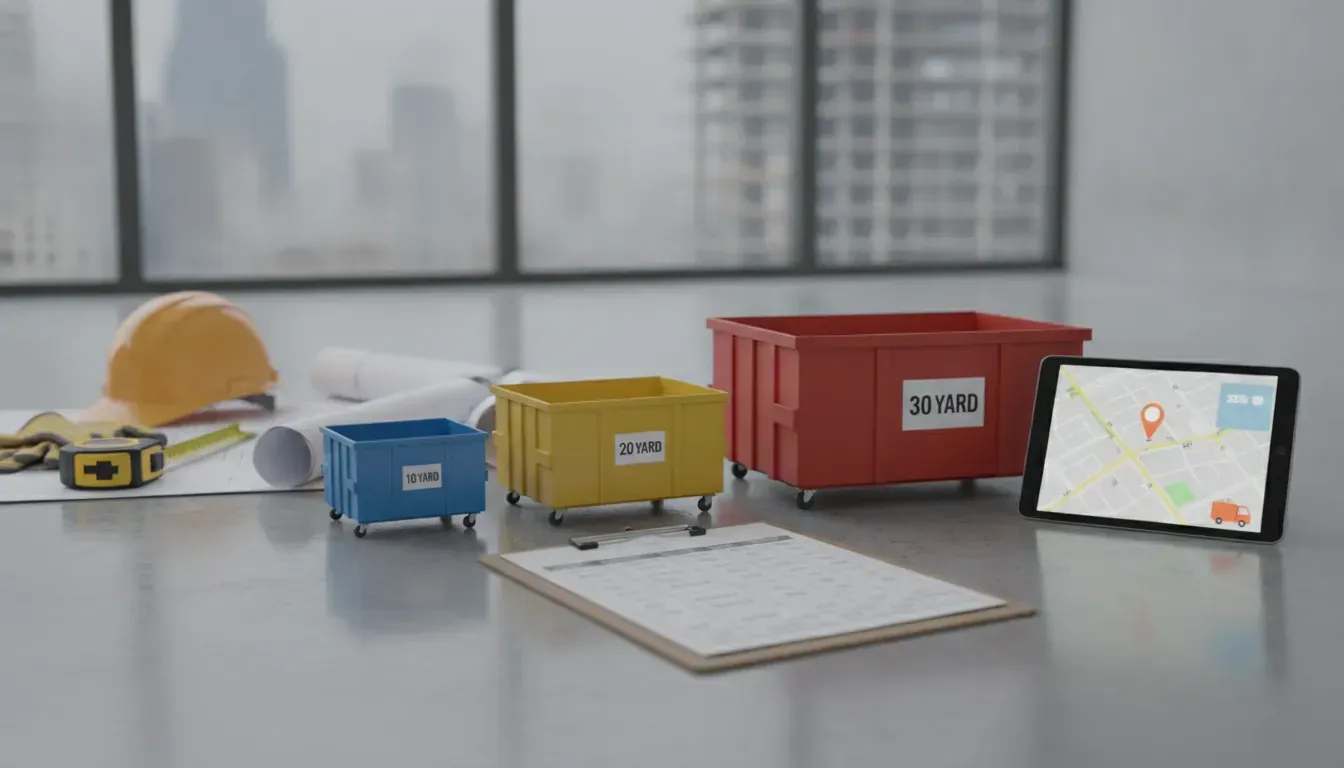
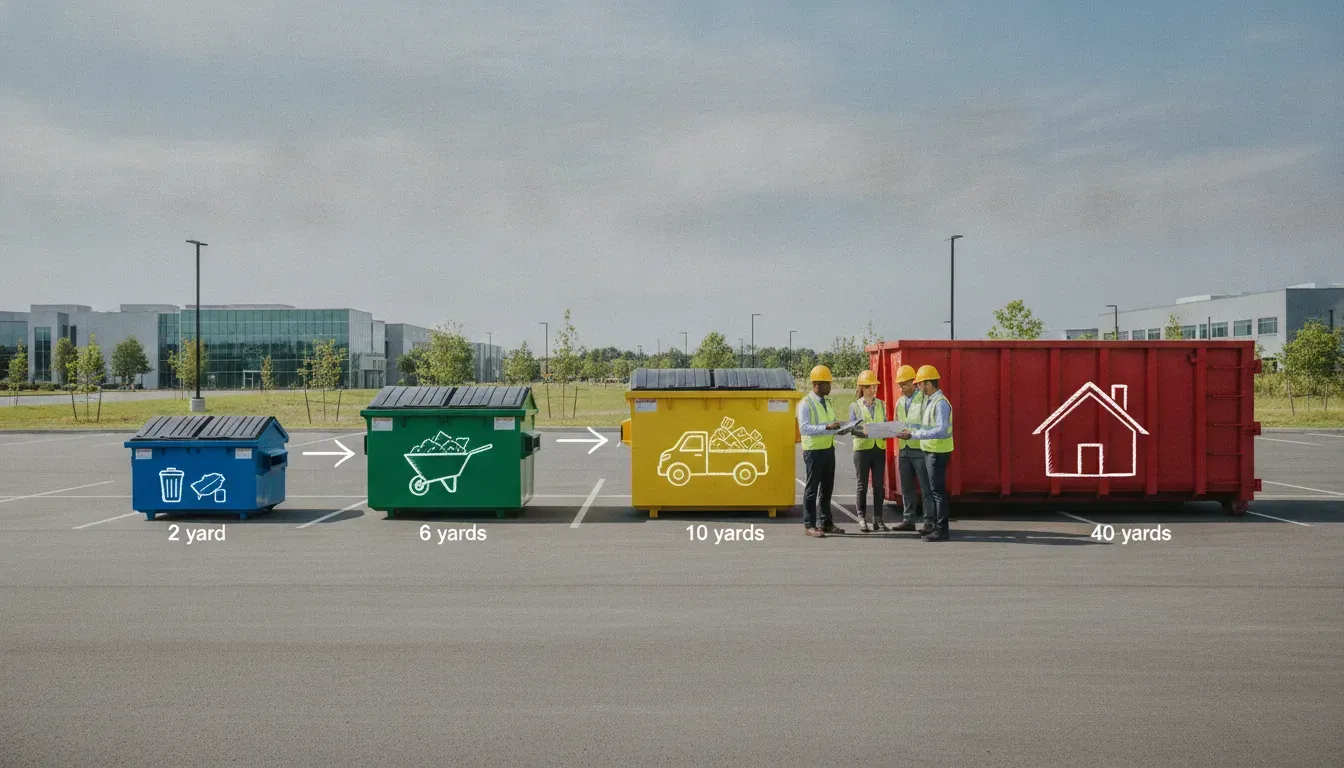
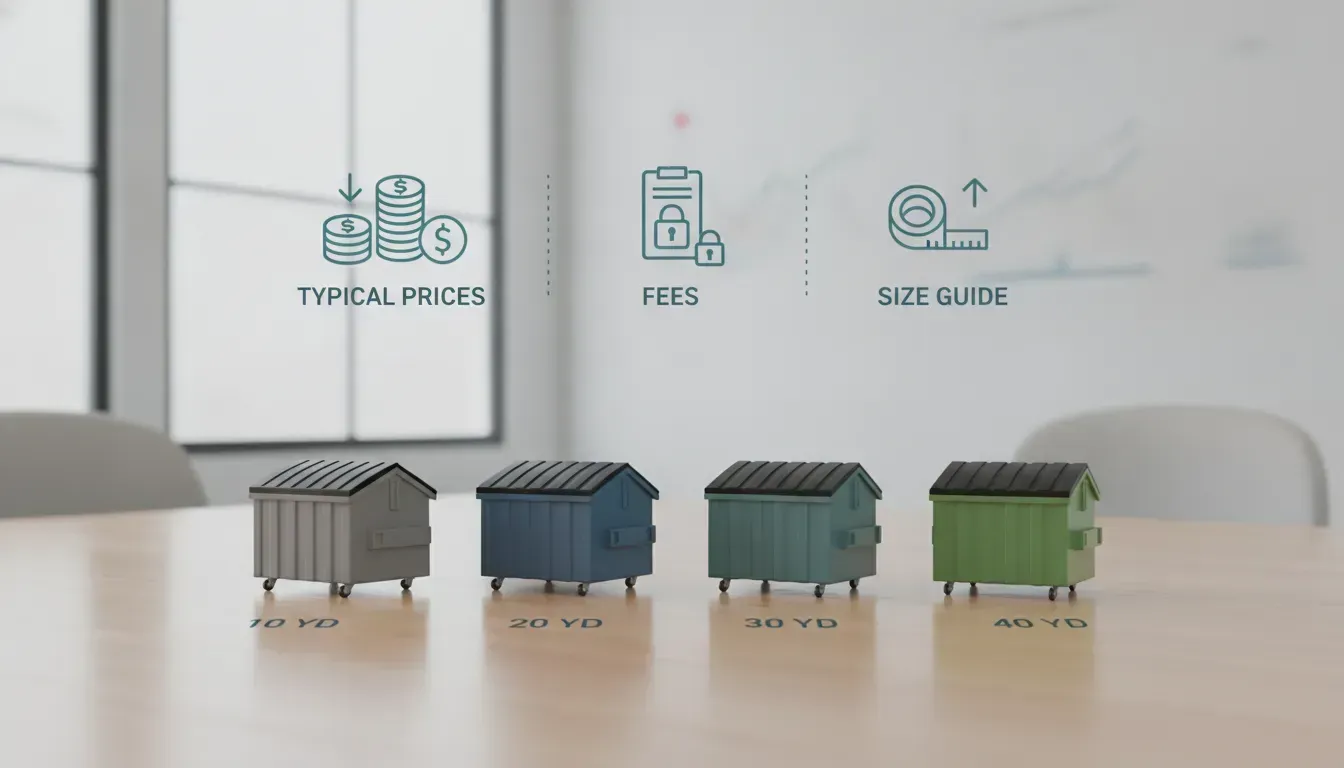
Your project can offer a useful starting point. A 10-yard dumpster may suit a garage cleanout, a 15-yard container can work for a kitchen remodel, and a 20-yard dumpster is often used for a roof replacement. These are general examples, not guarantees: the right size depends on how much material you’ll remove and what kind of debris you’ll have.
When you request a quote, describe the project, the areas involved, and the main materials you expect to discard. Mention whether you’re removing bulky items, such as cabinets or furniture, as well as loose debris. Simplified Dumpster’s project examples can help you compare typical jobs with common container sizes. If your project seems to fall between two options, ask the provider which size best fits your expected load and rental terms.
Estimate debris and leave room for extra waste
Make a rough inventory of what you plan to discard before booking. List bulky items, demolition debris, yard waste, and anything you’ve already set aside. For a remodel, note materials such as flooring, cabinets, drywall, or roofing. For a cleanout, estimate the furniture, boxes, and household items you’ll be removing. This gives the rental provider a clearer picture than the project name alone.
Leave some capacity for unexpected debris. You may uncover damaged materials during a renovation or find more to discard as you work through a storage area. Don’t plan to pile waste above the dumpster’s fill line, since the load needs to be safe for transport. Share your estimate and site details with the provider, and ask whether the size will accommodate the likely volume. This sizing guide from Ted’s Trash explains how project scope, waste volume, site conditions, and budget factor into the decision.
Account for heavy materials and weight limits
A dumpster can reach its weight limit before it looks full. Concrete, brick, tile, and soil are dense, while materials such as drywall and household clutter generally take up more space relative to their weight. Tell the provider what you’ll be disposing of so it can recommend an appropriate container and explain the weight allowance included in your rental.
Ask what fees apply if your load exceeds that allowance. Depending on the rental terms, extra weight may result in an overage charge. For heavy debris, you may need a different container or separate loads rather than one large, densely packed dumpster. American Metal Recycling’s advice on dumpster sizing explains why both the quantity and type of material affect your choice. Confirm the weight limit and any overage rates before you book, so you can plan the project with fewer surprises.
Check placement space and delivery access
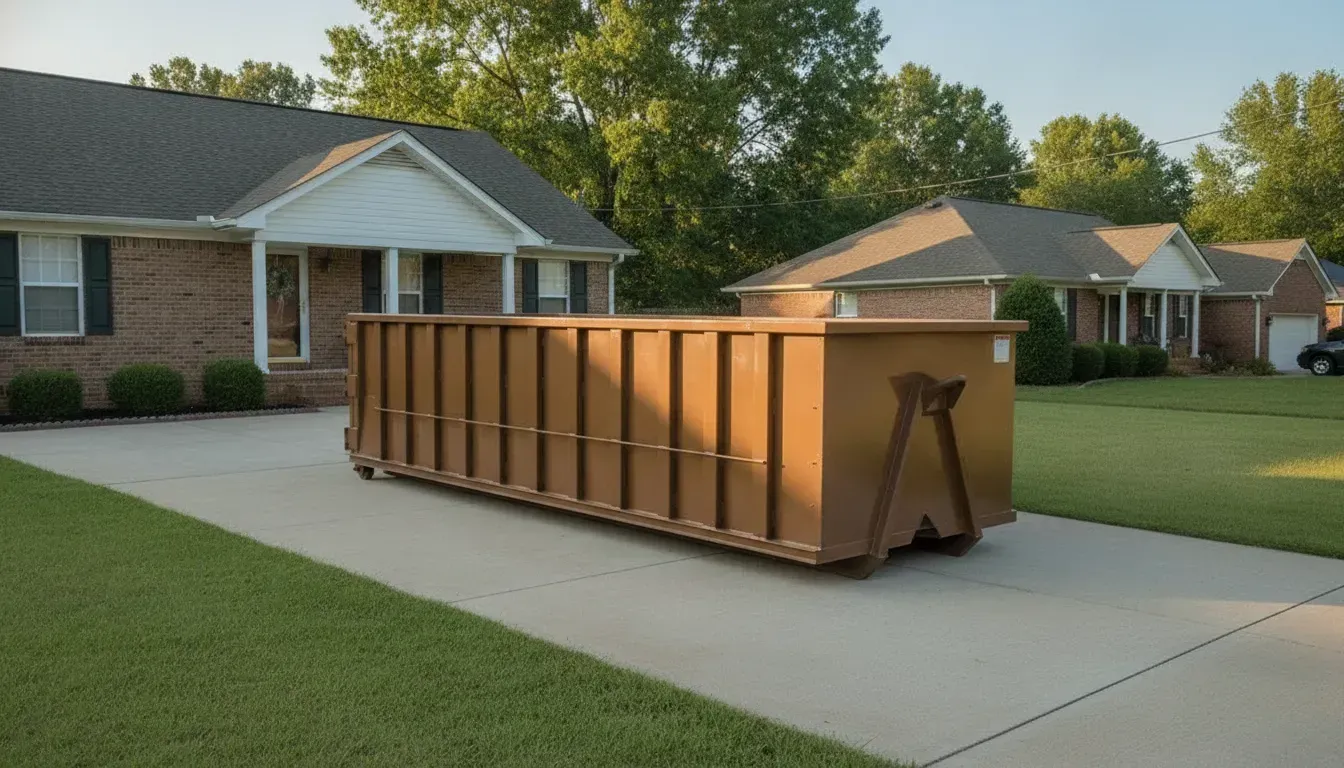
Choose a level placement spot with enough room for the dumpster and the delivery truck. A driveway is a common option, but check for parked cars, low branches, narrow gates, and other obstacles along the route. Make sure the container won’t block a door, walkway, or access your household needs during the rental.
Ask your provider about the space and access requirements for its truck and your chosen container, since they can vary. If you’re considering a public street or shared area, check local rules before delivery. Give the rental company clear placement instructions and ask whether you should protect the driveway surface. Bin There Dump That’s homeowner preparation guide recommends clearing the delivery path and preparing the placement area ahead of time.
What Does Residential Dumpster Rental Cost?
There isn’t one standard price for a residential dumpster rental. The total depends on the container size, your location, the materials you’re disposing of, and how long you need the dumpster. The quoted price may also include a set weight allowance and rental period, so two offers with similar starting prices can cover very different services.
When you compare quotes, look beyond the advertised rate. A low price may not include delivery, pickup, disposal, or enough time for your project. Extra charges can apply if your debris exceeds the weight limit, you keep the dumpster longer than planned, or you include items the provider cannot accept. Placement matters, too: a dumpster on a public street may require a permit, and a delivery truck needs clear access to the drop-off spot.
Before booking, describe your project and the materials you expect to throw away. Then ask each provider to list what the price includes and what could cost extra. A written, itemized quote makes it easier to compare the full cost and avoid surprises once the dumpster arrives.
Check what the base price includes
Ask the provider to explain exactly what the quoted price covers. A flat-rate rental may bundle delivery, pickup, disposal, a weight allowance, and a set rental period. Other providers may list some of those services as separate charges, so a lower starting price does not always mean a lower final bill.
Check whether taxes, fuel charges, and delivery fees are included, too. Dumpsters.com explains common flat-rate pricing components, though packages differ by company. Request the total in writing, including the included rental days and weight limit. Also ask which fees might apply if your project runs long or your load exceeds the allowance.
Compare how size, location, debris, and rental period affect the price
A larger dumpster usually costs more, but the right size can help you avoid paying for a second container. Location also matters. Disposal fees, delivery distance, and local operating costs can all affect the quote. The debris itself may change the price, especially if you’re disposing of heavy materials such as concrete, soil, or roofing shingles.
Ask how many rental days are included and what it costs to keep the dumpster longer. When requesting estimates, describe your project, expected debris, and schedule so providers can price the same job. LoadUp outlines factors that affect dumpster rental costs, including location, size, debris type, and rental period.
Review weight limits, rental terms, and extension rates
Each rental comes with a weight allowance. If your load exceeds it, the provider may charge an overage fee. Ask how the allowance varies by dumpster size and debris type, and how the company calculates the final weight. If you’re disposing of dense materials, mention them before booking so the provider can recommend a suitable container.
Confirm how many days the rental includes and the rate for each additional day. Projects can take longer than expected, so ask how to request an extension and when to do it. Load-N-Go Dumpsters describes how extension fees can apply when a rental exceeds its agreed period. Keep the pickup date and extension terms handy while planning your work.
Ask about overage, extra-day, prohibited-item, and disposal fees
Request a fee schedule before you book. Ask what happens if your load exceeds the weight allowance, you need extra rental days, or you put an item in the dumpster that the provider does not accept. Some materials require special handling or disposal, so share a clear list of what you plan to toss instead of assuming all debris has the same rate.
Find out how the company handles overfilled dumpsters, too. Debris generally needs to stay below the fill line for safe transport. An overweight or overfilled container, prohibited items, or blocked pickup access may lead to an added charge. Dumpsters.com lists common causes of extra fees, but ask your provider to confirm its specific rules and costs in writing.
Confirm permit, overfill, environmental, and failed-delivery charges
If the dumpster will sit on a public street or another shared area, you may need a permit. Requirements and fees depend on your municipality, so check with local officials and the rental provider before delivery. Permit costs may range from about $20 to $150, but your local rate could be different. Review common permit and rental cost factors, then confirm the requirements for your address.
Ask whether environmental or special-disposal fees apply to your materials. Also confirm what happens if the delivery or pickup truck can’t reach the container. Parked cars, low branches, or a blocked driveway could prevent service and lead to a failed-delivery charge. Get the provider’s access requirements and any related fees in writing before setting a delivery date.
Request an itemized quote and ask about discounts
An itemized quote lets you compare providers on equal terms. Ask the company to list delivery, pickup, disposal, included rental days, weight allowance, taxes, and possible surcharges. Make sure the quote reflects your debris type, project size, and expected schedule. If you may need extra time or have a heavy load, ask how those factors would change the price.
Before you decide, ask whether the provider offers a discount or a package that fits your project. Compare the final cost, rental terms, and included services, not just the advertised starting rate. Ask about available pricing packages, and choose a quote that clearly explains what you’ll pay and what the rental includes.
What Can You Put in a Residential Dumpster?
Accepted materials vary by rental company, so check the rules before you begin loading. A quick call can help you sort debris, plan for special disposal, and avoid unexpected charges.
Check which household, renovation, and yard materials the provider accepts
Many providers accept household trash, furniture, wood, drywall, flooring, carpet, and debris from remodeling or small demolition projects. Yard waste, decking, grills, hot tubs, and shed materials may also be allowed. What you can load depends on the provider, the container, and sometimes the type of project.
Before booking, describe the materials you plan to discard and ask the company to confirm what it accepts. Be specific if your load includes several types of debris, such as furniture, drywall, and branches. Some materials may require a particular container or separate disposal. Reviewing the provider’s list of accepted dumpster materials can help you plan what to load and what to set aside.
Confirm rules for appliances, electronics, tires, and mattresses
Appliances, electronics, tires, and mattresses may be restricted, accepted for an extra fee, or handled through a separate disposal process. Refrigerators and air conditioners can contain refrigerants, so providers may have special requirements. TVs and tires may also come with added charges or be excluded from standard service.
Don’t assume an item is allowed just because it fits in the dumpster. Give the rental company a list of anything you’re unsure about, including the item type and quantity. Ask if you need to prepare it before pickup or arrange separate collection. Some companies publish item-specific disposal rules, but confirm the current requirements with your own provider before loading.
Ask how to dispose of paint, batteries, chemicals, and other hazardous waste
Paint, batteries, cleaning products, pesticides, fuel, and oil often need special handling. These items may be prohibited because they can create risks during collection, transport, or disposal. Requirements vary by location, so check with your rental provider and local waste department before putting them in the dumpster.
Ask where to take each item and whether your community offers hazardous waste drop-off or collection. Electronics may have separate recycling options, too. Keep liquids in their original labeled containers when possible, and store them safely until you can arrange disposal. Local hazardous waste and recycling guidance can help you find the right option for items that don’t belong in the container.
Keep prohibited items out and debris below the fill line
Once you’ve confirmed what’s accepted, keep restricted materials separate from the dumpster load. Even a small number of prohibited items can delay pickup or lead to extra charges. If you’re unsure whether something is allowed, call the provider before tossing it in.
As you load, distribute debris evenly and place heavier materials toward the bottom. Keep everything below the top edge, with no items hanging over the sides. Providers may refuse to collect an overloaded container, so check the fill line as the project progresses. If you expect more debris than the dumpster can hold, ask about a second container or another pickup. Following these loading and fill-line tips helps keep the container ready for collection.
How Does the Rental Process Work?
A little planning helps your dumpster rental go smoothly. Confirm the container size, cost, and rental dates, then prepare a suitable place for delivery. During the project, follow the provider’s loading guidelines and keep them informed if your plans change.
Request a quote and confirm the size, price, weight limit, and rental dates
Tell the rental provider what your project involves, which materials you plan to discard, and when you’d like the dumpster delivered and picked up. Ask which size they recommend and confirm what the quote includes, such as delivery, pickup, disposal, and the rental period.
Check the weight limit before booking. Heavy materials can reach the limit even when the dumpster isn’t full. Ask about charges for exceeding the limit or keeping the container longer, and get the details in writing. Ted’s Trash shares advice for choosing a dumpster size, which can help you estimate what your project needs.
Choose a placement spot and check local permit rules
Choose a location that’s convenient for loading and gives the delivery truck enough space to place the dumpster. A driveway is often a good option, but consider whether the container might block a garage, walkway, or entrance you need to use. Tell the provider about narrow driveways, gates, low branches, or other access concerns.
If you want the dumpster on a street or other public property, contact your city or town to ask whether a permit is required. Local rules vary, so confirm requirements before delivery day. A homeowner’s guide to preparing for dumpster delivery recommends deciding on the placement spot in advance and giving the provider clear instructions.
Prepare the delivery area and protect the driveway if needed
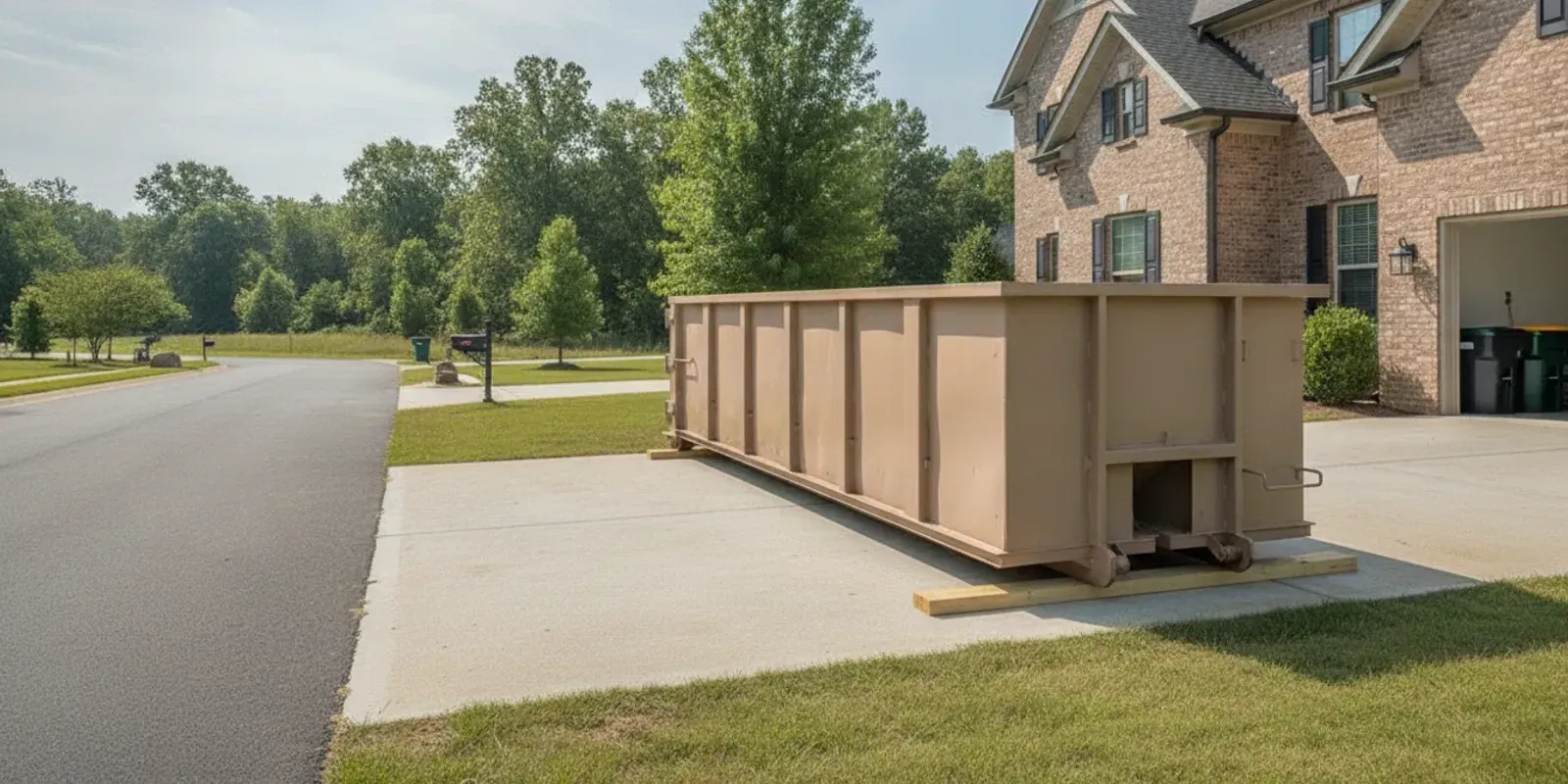
Move vehicles, tools, and other items away from the drop-off area before the truck arrives. Make sure the ground is firm and level, and clear a path for the truck to reach the placement spot. If the dumpster will sit on your driveway, consider its condition and ask the provider whether plywood or boards could help protect the surface.
Let the rental company know about any concerns, such as a steep approach, limited clearance, or fragile pavement. Sharing details in advance gives them a chance to advise you about access and placement. Ted’s Trash offers tips for homeowners preparing for a rental, including considerations for choosing a delivery area.
Load safely, distribute weight, and tell the provider about any changes
Place heavier materials on the bottom and spread debris evenly across the container instead of piling it in one spot. Break down bulky items when possible to make better use of the available space. Keep everything below the fill line, and follow the provider’s instructions about accepted materials. Never climb into the dumpster or load items so they could fall out during transport.
If the project changes and you expect more debris, heavier materials, or extra rental days, contact the provider promptly. They can explain your options and any additional charges. Ted’s Trash shares safe loading advice for homeowners to help you use the container responsibly and stay within its limits.
Schedule pickup or request an extension before the rental period ends
When you finish the project, contact the provider to arrange pickup based on your rental agreement. Clear the area around the dumpster and make sure the truck can reach it. If you need more time, request an extension before the scheduled end date. Ask whether extra days will add to your bill and confirm the revised pickup date.
Projects can take longer than expected, so let the provider know as soon as your plans change. Early notice gives you time to check availability and understand any added costs. Planning for changes to your rental can help you coordinate an extension or rescheduled pickup with the provider.
What Should You Confirm Before Booking?
Before booking, confirm the details that affect your schedule, the items you can dispose of, and your final bill. Ask the rental company to put its terms in writing so you can compare options and know what to expect.
Get fees, accepted items, and rental terms in writing
Ask for a written quote that lists the rental period, included weight allowance, delivery and pickup costs, and any additional fees. Confirm which materials the provider accepts, too. Rules for appliances, electronics, mattresses, and yard waste can vary, so request the company’s current list rather than relying on general guidance.
Check what happens if you need extra rental days, change your pickup date, or cancel. Ask whether the quote includes disposal costs and whether other fees may apply. Comparing written estimates makes it easier to understand what each price covers. Since rental rates and packages can vary, ask the provider to spell out every term before you book.
Ask what happens if your load exceeds the weight limit
A dumpster can reach its weight limit before it looks full, especially when it contains concrete, roofing shingles, soil, or other dense materials. Ask how much weight your rental includes and how the company calculates overage charges. If you expect heavy debris, describe the materials and estimated amount when requesting your quote.
Find out whether the provider will contact you if your load exceeds the allowance or add the charge to your final invoice. Ask whether you can arrange an additional pickup or another container if needed. Overage fees can vary by provider, so confirm the rate and how it is calculated in writing. This helps you plan your disposal budget before loading begins.
Confirm delivery and pickup instructions and access requirements
Tell the provider where you want the dumpster placed and mention anything that could affect access, such as a narrow driveway, low branches, parked cars, or a slope. Ask how much clear space the truck needs and whether the driver can reach your preferred spot. If you plan to place the container on your driveway, check whether the company recommends using plywood to protect the surface.
Confirm the delivery window, pickup process, and who to contact if your plans change. Clear directions can help the driver place the container safely and avoid delays. Sharing accurate placement and access details can make delivery smoother. If you want the dumpster on a public street or another restricted area, check local permit requirements before scheduling.
Check each provider’s prices, policies, and services
Compare more than the advertised rental price. Ask each company about available sizes, included rental days, weight allowances, accepted materials, delivery coverage, and pickup scheduling. Then review written quotes side by side to see whether a lower starting price comes with different limits or additional charges.
Customer reviews can also offer useful clues about communication, delivery, and billing. Notice whether the company answers questions clearly and explains its policies. Check that it offers a container that fits your project and can deliver when you need it. Comparing reviews, rental terms, and available sizes can help you find a provider that fits your needs. Choose based on the full service and terms, not just the initial price.
Avoid common misconceptions: dumpsters suit more than contractors, and providers don’t accept every item
You don’t need to be a contractor to rent a dumpster. Homeowners use them to clear garages, replace roofs, remodel rooms, and manage yard projects. Rental companies offer different container sizes, so ask which one suits the amount of debris you expect and the space available at your home. Dumpster rentals can work for projects of many sizes.
At the same time, don’t assume every item is accepted. Providers may restrict hazardous materials, and rules for appliances, tires, electronics, and other items can differ. Request the company’s accepted-items list before loading. If something is excluded, ask where to take it or how to arrange separate disposal. This simple check can help you avoid delays and extra fees.
Frequently Asked Questions
When is a dumpster rental worth it for a home project?
Consider renting when your debris won’t fit in regular trash service, includes bulky items, or would require several trips to a disposal site. It can also help you collect waste over multiple days in one convenient spot.
How do I choose the right dumpster size?
Estimate the volume and type of debris, then share your project details with the rental company. Mention heavy materials such as concrete or shingles, since weight limits can matter even when the container isn’t full.
What should I ask before accepting a rental quote?
Confirm what the price includes, how many rental days and how much weight are covered, and what extra days or excess weight may cost. Ask for an itemized quote in writing so you can compare the full terms.
Can I put any household or renovation waste in the dumpster?
No. Accepted materials vary by provider, and items such as paint, batteries, chemicals, appliances, and electronics may have special rules. Share your disposal list with the company before loading.
Do I need a permit to place a dumpster at home?
A permit may be required if the dumpster will sit on a public street or another regulated area. Check with your local government and rental provider before delivery, and make sure the placement spot is accessible to the truck.