What Is a Roll Off Dumpster and How Does It Work?
Get clear answers to what is a roll off dumpster, how it works, and when to rent one for home cleanouts, renovations, or construction projects.

A big cleanup can get messy fast. Furniture, boxes, yard waste, and renovation debris all need somewhere to go, and multiple trips to a disposal site can take time. That’s where a roll-off dumpster can help. If you’re wondering what is a roll off dumpster, it’s a large container delivered to your property for a limited rental period and removed when you’re done. You load it as the project progresses, while the provider handles delivery and collection. Before you book, make sure you understand capacity, weight allowances, prohibited items, and placement requirements. This guide walks through each step so you can choose a practical option for your project.
Key Takeaways
- Choose the container for the job: Roll-off dumpsters fit temporary projects with substantial debris, while standard dumpsters serve ongoing waste collection.
- Estimate waste before booking: Consider debris volume and weight, then confirm the container size, capacity, and accepted materials with your provider.
- Prepare for delivery and pickup: Arrange a stable placement area with clear truck access, confirm rental terms, and check local permit requirements for public spaces.
What Is a Roll-Off Dumpster?
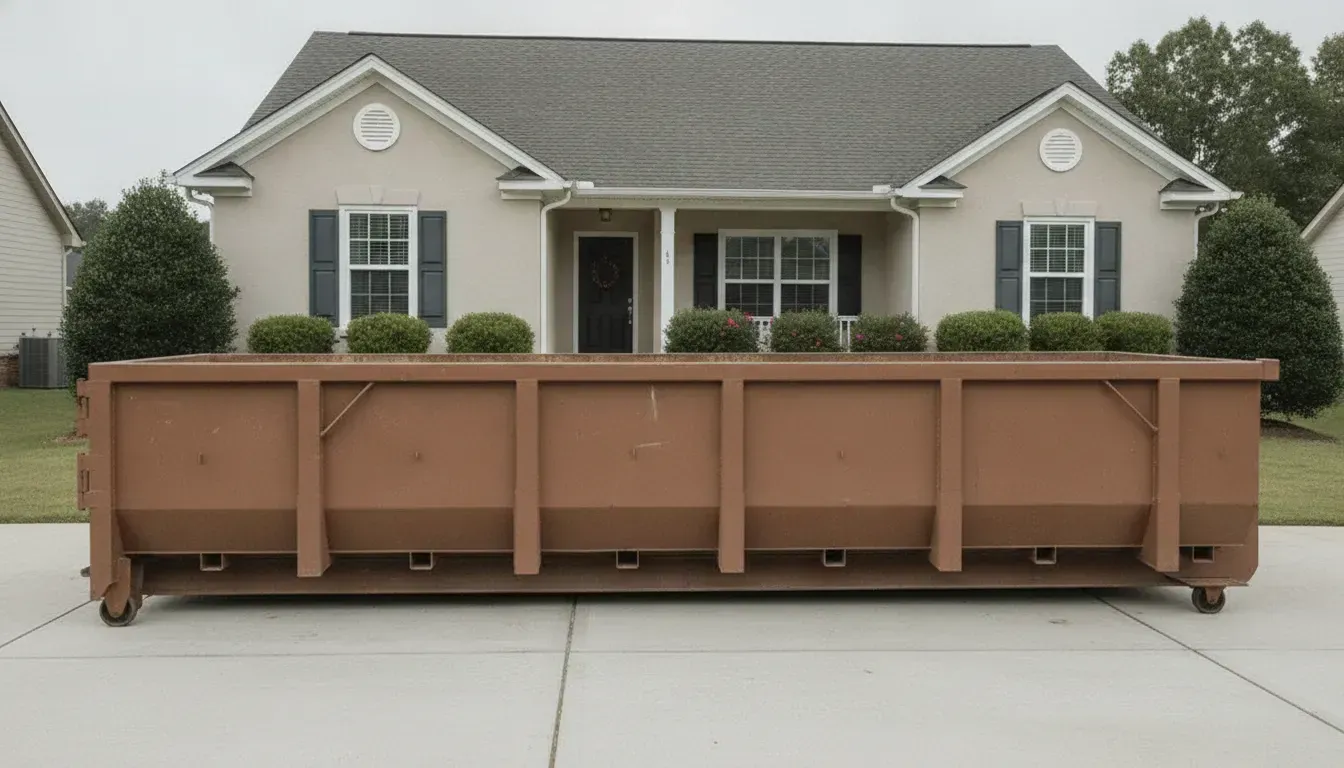
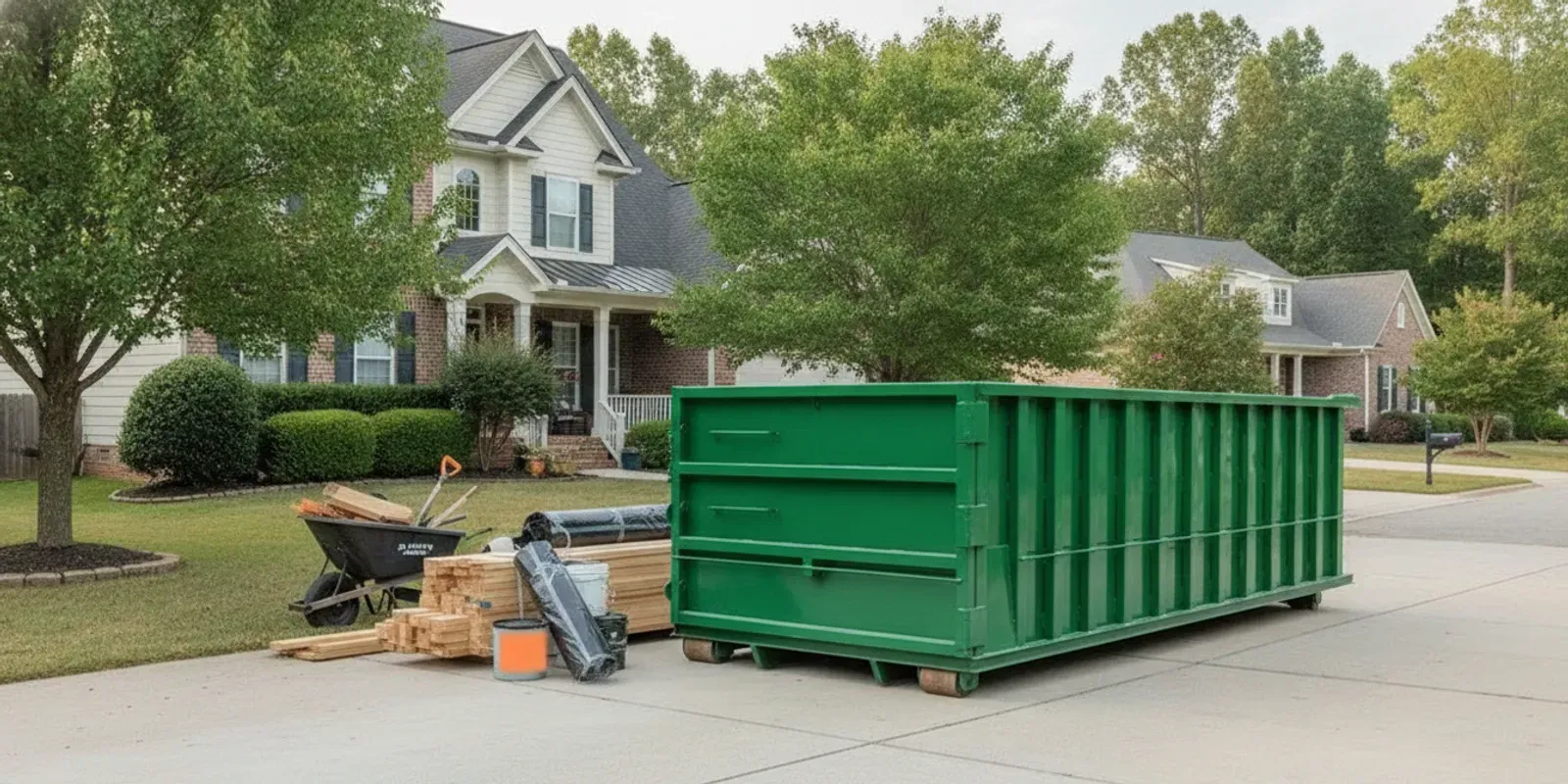
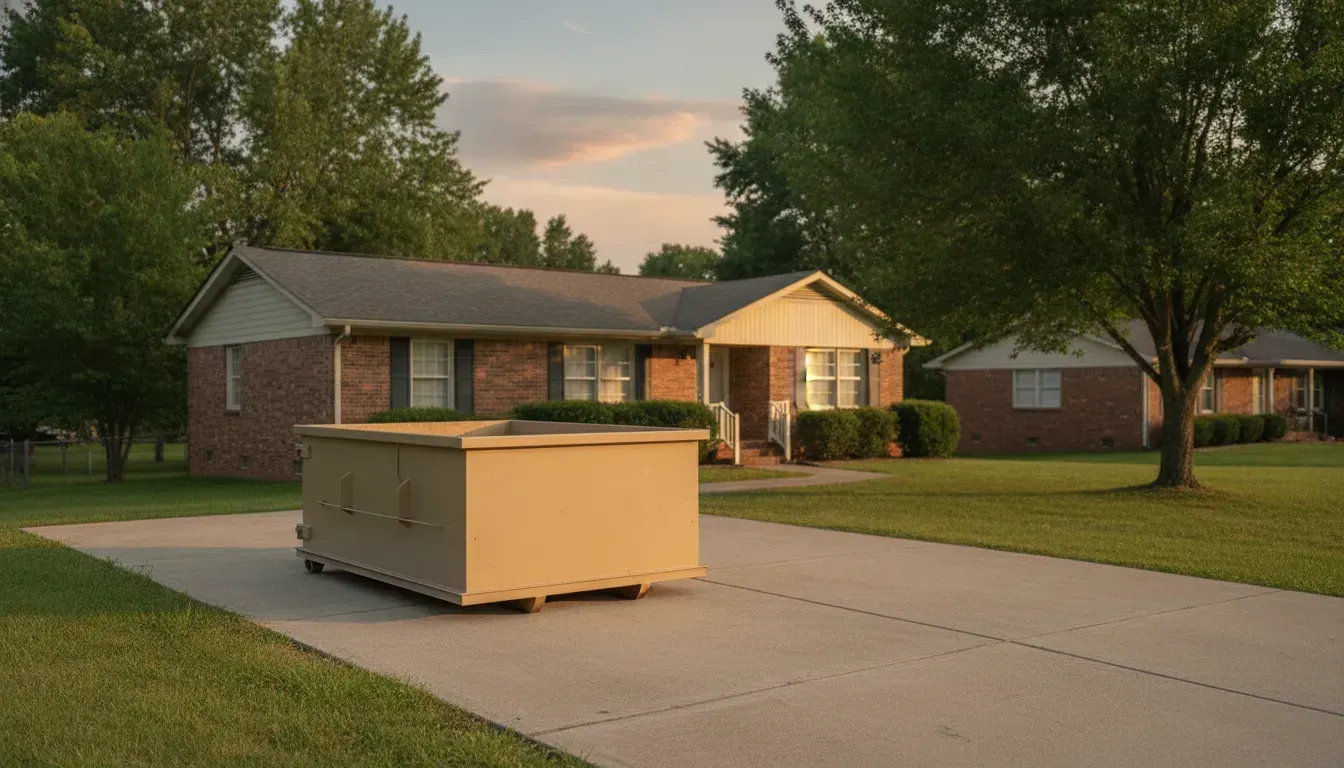
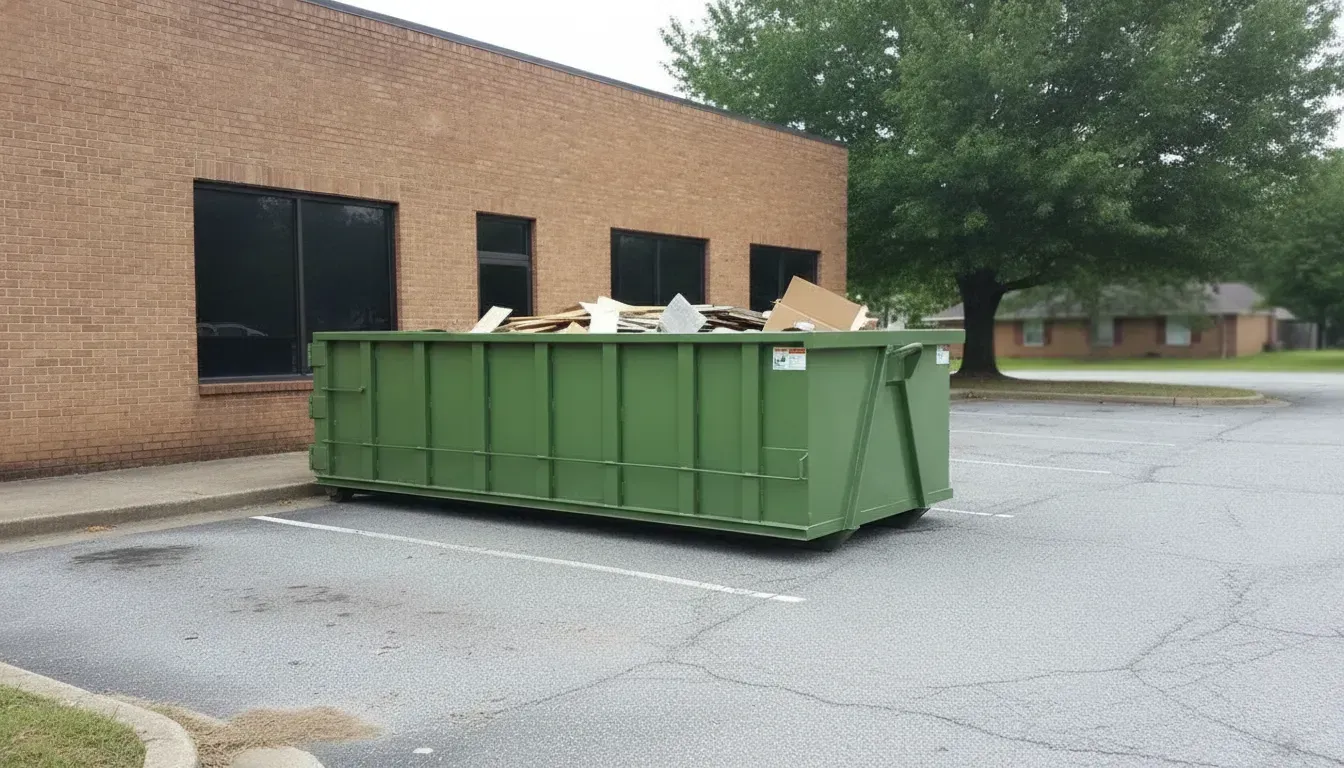
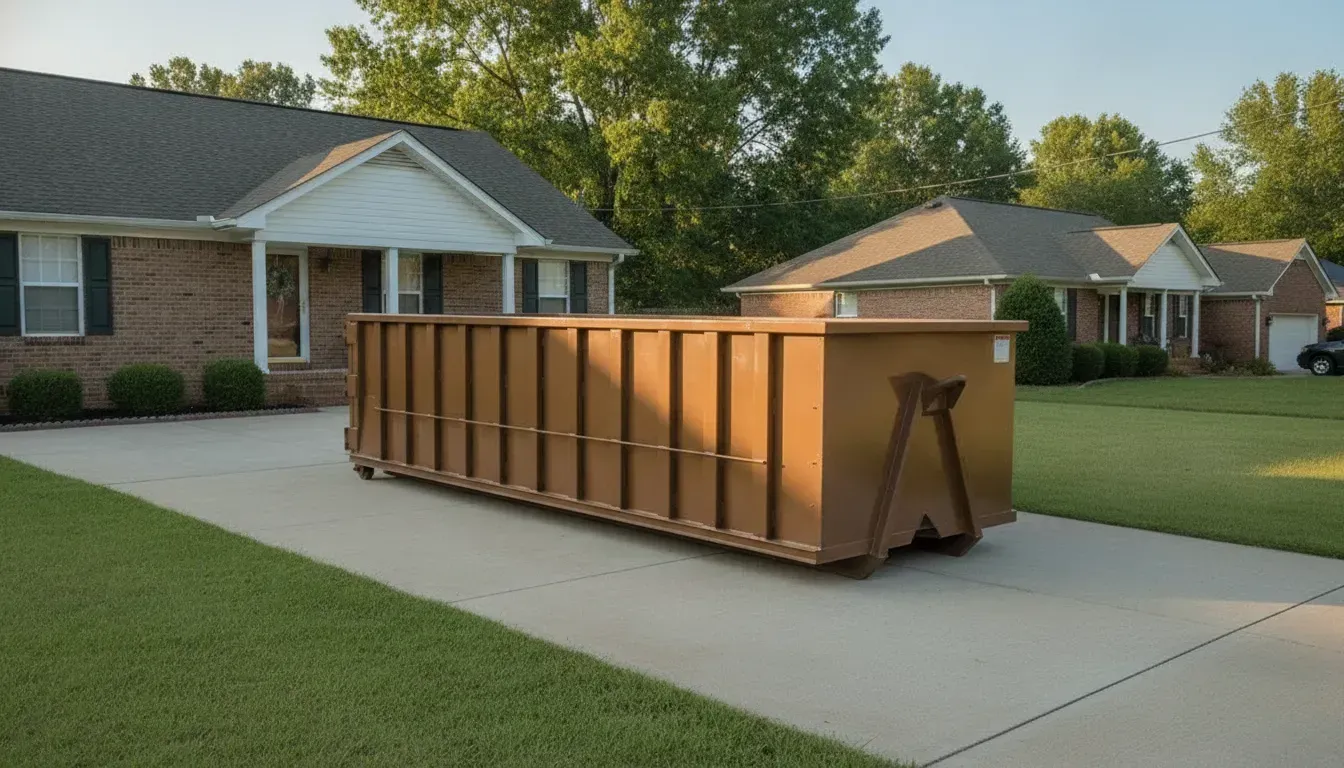
A roll-off dumpster is a large, open-top container delivered to a property or work site for temporary waste collection. A specialized truck places it where you need it, then picks it up when the project is done. It’s a practical option when a renovation, cleanout, or construction job creates more debris than regular curbside service can handle.
Open-Top Design and Temporary Use
The open top makes it easier to load bulky or awkward items, such as furniture, lumber, and renovation debris. Instead of carrying waste to several smaller bins, you can place it in one central container. That can help keep your work area more organized and make cleanup simpler.
Roll-off dumpsters are typically rented for a set period, rather than kept on-site for routine waste collection. Rental periods vary, so confirm how long you can keep the container before booking. An open-top design suits temporary projects. See how a roll-off rental works for a home project.
How Roll-Off Trucks Deliver and Collect Dumpsters
A specialized roll-off truck brings the container to your site and lowers it onto the placement area. Before delivery, check that the truck can reach the spot and has enough room to maneuver. Clear the access route of vehicles and other obstacles, and make sure the surface can support the dumpster.
At the end of the rental, the provider returns to collect the container and transport the waste to a transfer station, recycling facility, or landfill. Delivery and pickup are generally part of the rental, so you rent the dumpster, not the truck. Confirm how delivery and removal work when you arrange your rental.
Why Roll-Off Dumpsters Aren’t Permanent
Roll-off dumpsters are designed for large, short-term projects. A truck delivers the container when you need it and removes it once the work is finished. Having one central place for debris can reduce trips to dispose of waste and help keep a job site more orderly.
For routine, ongoing waste collection, a standard commercial dumpster may be a better choice. Roll-off containers are brought in and taken away as needed, rather than serving as permanent fixtures. If you expect to generate waste over a longer period, ask your provider about the container type and collection schedule that fit your needs. You can also compare roll-off and standard dumpsters to see which option works for your project.
How Does a Roll-Off Dumpster Differ from a Standard Dumpster?
The main differences are how each dumpster is delivered, where it stays, and how it’s used. Roll-off dumpsters are typically rented for temporary projects, while standard dumpsters support regular waste collection.
Compare Shape, Mobility, and Placement
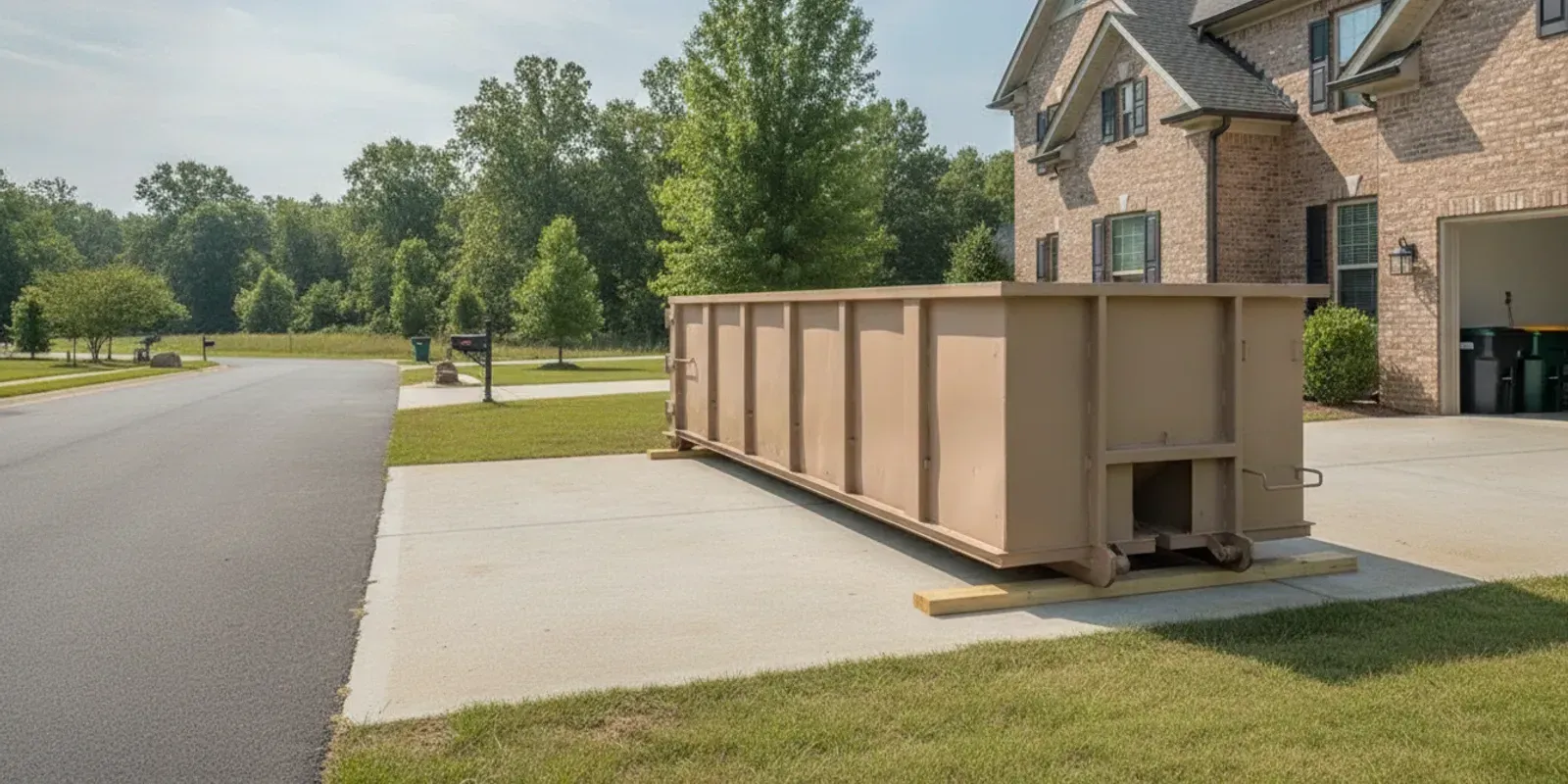
A roll-off dumpster is usually a large, open-top container delivered and picked up by a specialized truck. The truck places it at a suitable spot near the work area, such as a driveway or construction site. Its open top makes it easier to load bulky debris from above.
A standard dumpster often has a lid and stays in a designated place, such as behind a business or beside an apartment building. A collection truck empties it on a regular route instead of removing the container after a single project.
Before arranging roll-off delivery, check that the truck can reach your site and has enough room to place the container. If you plan to put it on a street or other public property, local rules may require a permit. Compare the features of a roll-off and a standard dumpster to help choose the right setup.
Compare Project Rentals and Ongoing Collection
A roll-off dumpster is intended for temporary use. You rent one for a set period, fill it as work progresses, then arrange pickup when it’s full or the project is complete. This option suits jobs that produce a lot of waste over a short time, such as a renovation, roof replacement, or home cleanout.
A standard dumpster is designed for ongoing waste disposal. Businesses, apartment buildings, and other properties use one for routine trash, with a provider emptying it on a regular schedule. This works well when waste accumulates steadily rather than all at once.
Consider when and how you’ll produce waste. A roll-off rental gives you a dedicated container for a one-time job. For everyday waste at a property, scheduled standard-dumpster service is usually a better fit.
Compare Capacity, Access, and Loading
Roll-off dumpsters are available in sizes suited to substantial amounts of project waste. Their open tops make it easier to load bulky materials, and some containers have a door at one end so you can walk heavier items inside. They’re commonly used for construction, cleanouts, landscaping, and renovation projects.
Standard dumpsters are generally intended for everyday trash, often loaded in bags or smaller items. Lids help keep waste contained between pickups, though the openings can make large objects harder to fit. Available capacity varies, so match the container to the type and amount of waste you expect.
For either dumpster, ask the provider about weight limits and loading instructions. Keep waste below the fill line, and check how to place bulky materials so the container can be transported safely.
What Do People Use Roll-Off Dumpsters For?
Roll-off dumpsters are useful for projects that create more waste than household bins can handle. Their open tops make it easier to load bulky materials, and delivery and pickup mean you can keep a container on-site for the length of your project.
Construction and Renovation Debris
Construction, demolition, and renovation projects can generate a steady stream of waste, from lumber and drywall to flooring, roofing materials, and packaging. A roll-off dumpster gives crews one central place to collect debris, helping keep the work area tidy and reducing trips to a disposal site. It can also make cleanup easier as the project moves from demolition to installation.
Before renting, ask which materials the provider accepts and whether heavy items, such as concrete or brick, have separate weight limits. If your project will produce several types of debris, check whether they can go in the same container. Common uses include construction, demolition, and renovation. The construction dumpster guide covers how to match a container to the job.
Home Cleanouts and Moving
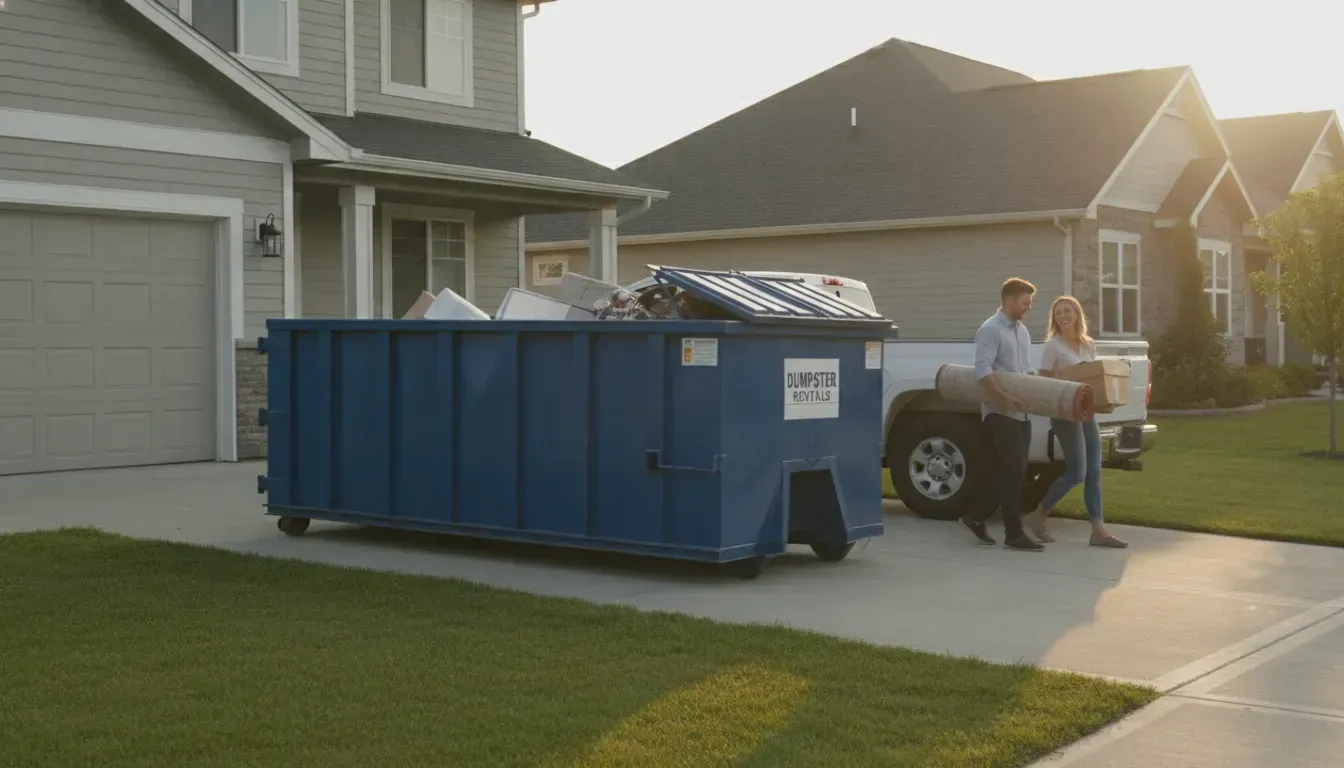
A roll-off dumpster can help with a home cleanout or move when you need to clear more than a few bags of rubbish. It can hold bulky items and debris from garages, attics, and basements, along with cabinets, flooring, and drywall from a remodeling project. The open top makes it easier to load larger items as you work.
Before delivery, sort belongings you plan to discard from items you’d like to donate or keep. Then choose a container size based on the amount and type of waste. One central container can help keep a home or business project organized.
Landscaping and Large Cleanups
For landscaping projects, a roll-off dumpster can collect branches, shrubs, leaves, and other yard debris in one place. It can also help with larger outdoor jobs, such as a home addition, a major garden cleanup, or removing old fencing and bulky items. Keeping waste contained makes it easier to clear the work area as the project progresses.
Ask your provider which types of yard waste they accept, since disposal rules vary. If you’re removing soil, rocks, or concrete, check the weight limit before loading. These materials can become heavy quickly, even when the container isn’t full. Roll-off dumpsters are also used for home additions and bulky items.
How Do You Choose the Right Roll-Off Dumpster Size?
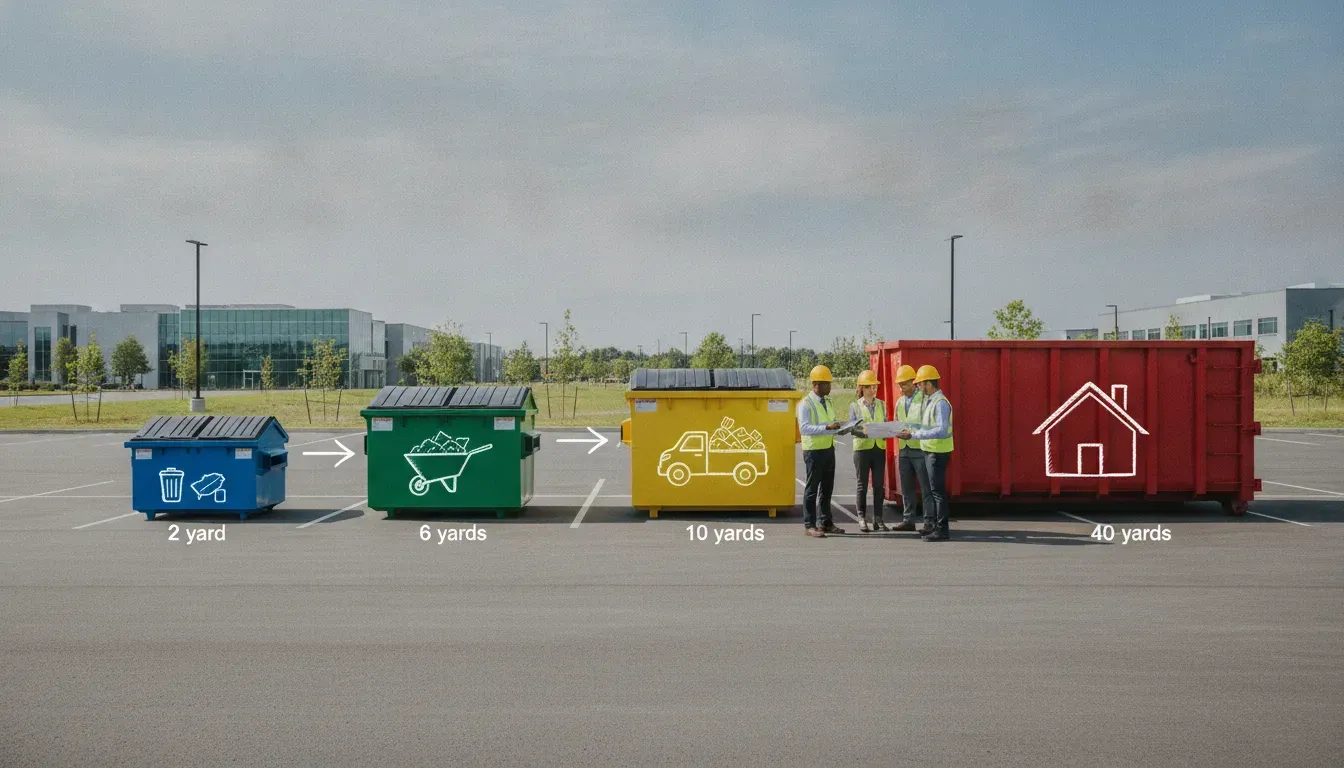
Compare 10-, 20-, 30-, and 40-Yard Sizes
Roll-off dumpsters typically range from 10 to 40 cubic yards. The right capacity depends on the amount and type of debris your project will produce.
- 10-yard: Small cleanouts, minor landscaping, or a limited amount of dense debris.
- 20-yard: Flooring removal, household cleanouts, landscaping, and medium renovations.
- 30-yard: Large remodels, demolition, full-home cleanouts, and major yard projects.
- 40-yard: Large construction jobs, commercial projects, and substantial cleanouts.
As a rough comparison, these containers can hold about three to 12 pickup truck loads, depending on the size and material. The dumpster sizes guide explains how to compare capacity. Ask your rental provider for the container’s exact dimensions. That matters if you have limited driveway space or need to load bulky items.
Estimate Waste Volume and Match the Size to Your Project
Before booking, list what you plan to discard. Include large items such as furniture, cabinets, or appliances, then estimate the number of bags, boxes, or wheelbarrow loads of debris. Think about how the material will sit in the container: flat flooring can stack compactly, while branches and bulky furniture may leave gaps and take up more room.
Consider weight as well as volume. A small pile of concrete can weigh more than a much larger load of household junk. Tell the provider what materials you’ll be loading and ask for a size recommendation if you’re uncertain. Estimate both the amount and type of waste before selecting a container.
Check Weight Limits and Fill Lines for Heavy Materials
Heavy materials such as concrete, bricks, asphalt, soil, and roofing debris can reach a dumpster’s weight limit before the container is full. Before loading, ask your provider about the weight allowance and which materials they accept. Some companies require concrete or scrap metal to go in a dedicated container rather than mixed with other waste.
Keep all debris below the fill line so the dumpster can be transported safely. Distribute the load evenly, and check with the provider before combining heavy materials with household or construction waste. These details can affect which container you need and how it should be loaded. Ask the provider which materials are accepted before your rental arrives, especially if your project involves several types of debris.
Size Up to Avoid Overfilling
If your estimate falls between two sizes, ask whether the larger container is a better fit. Renovation debris, furniture, and yard waste can take up more space than expected, and a small dumpster may require an additional rental or pickup. Sharing a clear list of materials and a description of the project will help the provider suggest a suitable capacity.
A larger container provides more room, but it does not automatically allow a heavier load. Weight limits still apply, particularly when disposing of dense materials. Before choosing a size, confirm how it affects the rental price, weight allowance, and pickup arrangements. Allowing extra capacity can help avoid an overfilled dumpster.
What Can and Can’t You Put in a Roll-Off Dumpster?
Commonly Accepted Materials
Roll-off dumpsters usually accept non-hazardous waste from home cleanouts, renovations, landscaping, and construction projects. Common items include furniture, household junk, drywall, flooring, cabinets, wood, brush, and branches. Some providers also accept concrete, brick, shingles, soil, and gravel.
Acceptance depends on the rental company, disposal facility, and dumpster type. Heavy debris can reach the weight limit before the container is full, and materials such as concrete may need a dedicated dumpster. Check the rules before loading dense waste. Your provider can confirm which materials are accepted for your rental.
Restricted and Prohibited Waste
Many providers prohibit hazardous or regulated waste because it can require special handling or create risks for workers and the environment. Commonly restricted items include chemicals, fuel, pesticides, paint, medical waste, batteries, and electronics. Appliances that contain refrigerant, including some refrigerators and air conditioners, may also be prohibited.
Check with your provider before placing any questionable item in the dumpster. This is especially important for paint, batteries, electronics, and appliances, which may have separate collection or recycling options. Ask where to take materials the provider can’t accept, and whether they require a specific disposal service. Confirming the rules before loading helps prevent rejected waste, extra fees, and delays at pickup.
Why You Can’t Mix All Waste in One Container
Different materials can require different disposal methods. Hazardous waste can contaminate other debris, while heavy materials such as concrete may exceed a dumpster’s weight limit even when the container looks only partly full. Some facilities also sort or process materials separately, which can affect whether they accept a mixed load.
Your provider may recommend a separate container for concrete, metal, or other materials that need special handling. Many cleanup and construction materials are accepted, but that doesn’t mean every item can go into one dumpster. When booking, share a list of the waste you expect to discard so the provider can advise you on the right container and disposal plan.
Confirm Disposal and Recycling Rules with Your Provider
Accepted materials and disposal requirements vary by provider, local rules, and the facility receiving the waste. Before delivery, ask for a current list of prohibited items, weight limits, and any fees for specific materials. Find out whether debris needs to be separated, especially if your project includes concrete, shingles, appliances, or other items that may have special requirements.
Check placement rules as well. If the dumpster will sit on a street, sidewalk, or another public area, you may need a permit. Ask your provider what to confirm with your local authority, and make sure the planned location allows the delivery truck to access and place the container safely. A quick check before rental helps you prepare for loading and pickup.
How Does Roll-Off Dumpster Rental Work?
A roll-off rental usually follows four steps: choose a container, schedule delivery, load approved waste, and arrange pickup. Before booking, confirm the rental terms and prepare a suitable drop-off area. A little planning helps you avoid surprise charges and keep your project on schedule.
Compare Rental Periods, Pricing, Weight Limits, and Fees
Start by checking how long the rental lasts. Providers may offer rentals for several days or a week, with extensions available for an added fee. The price can depend on the dumpster size, rental period, location, and the amount of waste included. Ask whether the quote covers delivery, pickup, disposal, and a set weight allowance.
A dumpster can reach its weight limit before it looks full, especially when you’re loading concrete, soil, or roofing shingles. Ask about overage charges, extension fees, and fees for restricted items before you book. Comparing these details across quotes makes it easier to understand the total cost. The dumpster cost guide walks through what a short rental usually includes. Ask about rental length, included weight, and fees before you book.
Choose a Provider and Schedule Delivery and Pickup
Once you know the size and rental terms you need, contact a local provider for a quote. Describe your project, list the materials you plan to discard, and share where you’d like the dumpster placed. This information helps the provider recommend a container and explain how to handle materials that need separate disposal.
Confirm the delivery date, pickup process, and how much notice the company needs to collect the container. The provider’s team delivers the dumpster and returns to pick it up when it’s full or the rental period ends. Ask how to request an earlier pickup or extend the rental, then save those details with your booking. Confirm the delivery and pickup window before you set your project timeline. When you are ready, request a service or call (615) 318-5102.
Check Permits, Placement, Surface Protection, and Truck Access
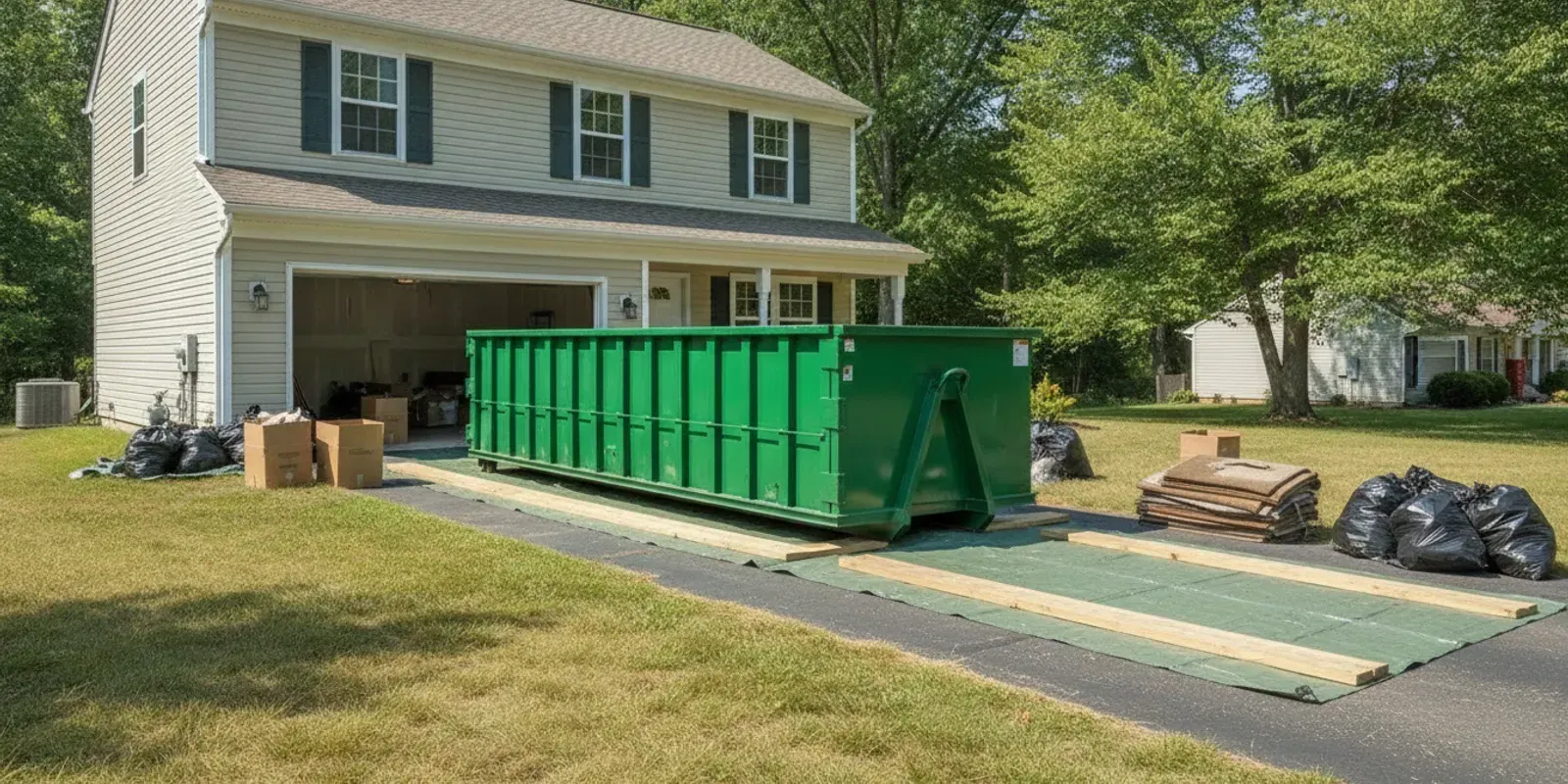
Choose a stable location with enough room for the dumpster and delivery truck. A driveway or another spot on private property may work, but ask the provider whether the surface can support the container when it’s full. Boards or plywood may help protect some surfaces. Read how driveway-safe placement works. Check with the rental company about suitable protection for your specific drop-off area.
If the dumpster will sit on a street, sidewalk, or other public property, ask your local municipality whether you need a permit. Measure the area and look for obstacles such as low branches, overhead wires, gates, and parked cars. The truck needs clear space to deliver and retrieve the container. Measure the spot and clear the access route before delivery day.
Load Safely and Keep Waste Below the Fill Line
Distribute materials evenly as you load, placing heavier items at the bottom and spreading them across the container. Avoid stacking debris high on one side. An uneven or overloaded container may be difficult to transport, and the driver may ask you to remove excess material before pickup.
Keep waste below the top rim and within any marked fill line. Don’t allow items to hang over the edge, since debris needs to stay contained during transport. Remember that the weight limit still applies even when the dumpster isn’t full by volume. If you’re unsure whether a load is too heavy, contact your provider before adding more. Spread heavier items across the bottom so the load stays balanced.
Frequently Asked Questions
How do I know what size roll-off dumpster to rent? Estimate the volume and type of waste your project will produce, including bulky items that leave empty spaces. Share those details with your provider and ask about container dimensions, weight allowances, and the best fit for your project.
Which materials should I ask about before loading? Check the provider’s accepted-material list before placing items in the dumpster. Ask specifically about hazardous household products, electronics, appliances, concrete, soil, and other heavy debris, since these may require special handling or a separate container.
How should I prepare for dumpster delivery? Choose a stable placement area with enough room for the container and delivery truck. Clear the access route, check for overhead branches or wires, and ask your provider about protecting the surface. For placement on public property, confirm local permit requirements.
What should I confirm before booking a rental? Ask about the rental period, included weight allowance, delivery and pickup, extension costs, and any fees tied to extra weight or specific materials. Confirm how much notice the provider needs to arrange pickup.
When is a roll-off dumpster a better fit than a standard dumpster? A roll-off dumpster suits a temporary project that produces a large amount of debris, such as a renovation or cleanout. A standard dumpster is generally better for regular waste collection at a home, business, or apartment building.