Dumpster Rental in Rutherford County, TN: Service-Area Guide
Plan a Rutherford County dumpster rental for renovation or cleanout work. Compare rental periods, prepare the placement area, and request local service.

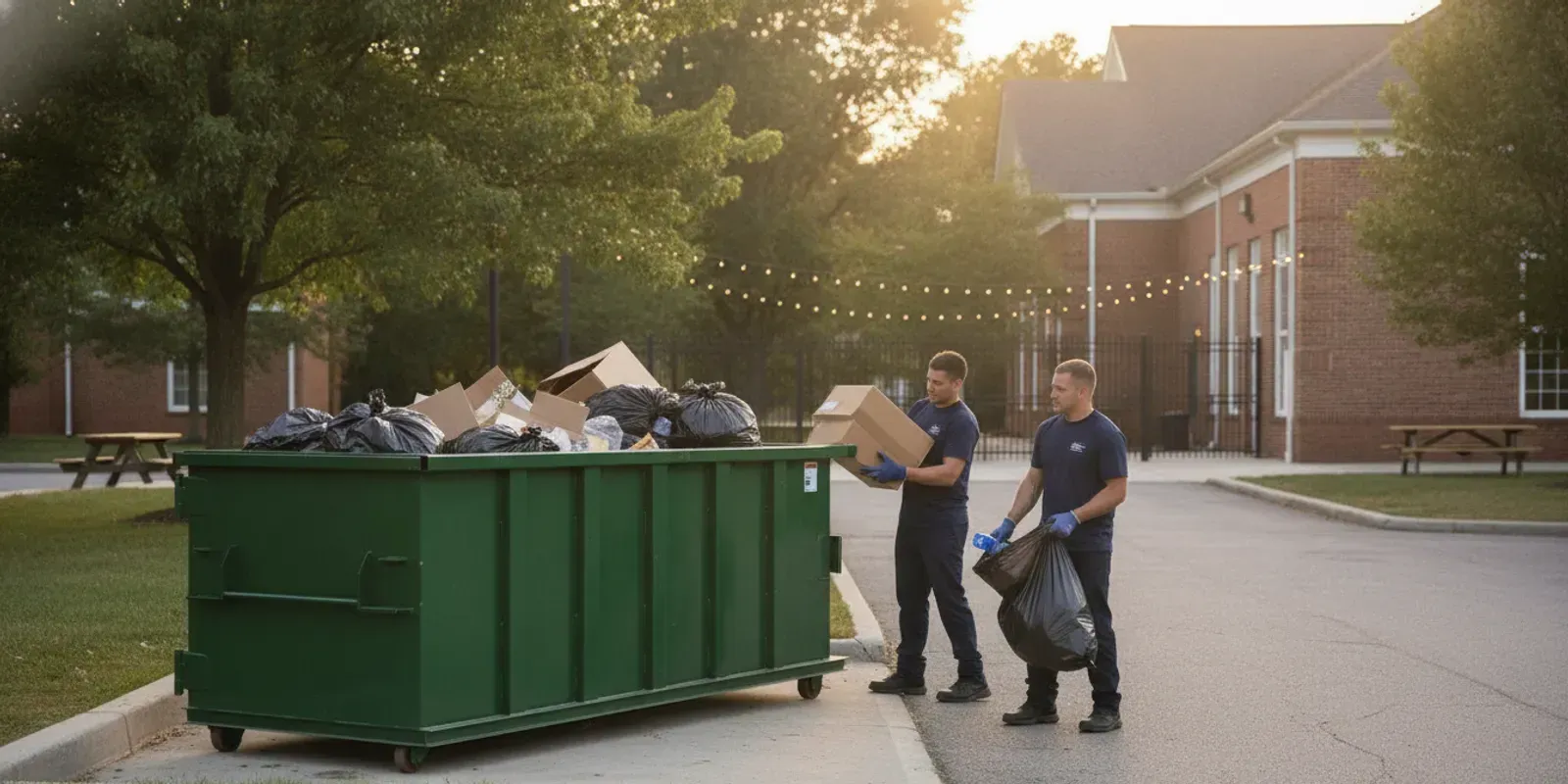
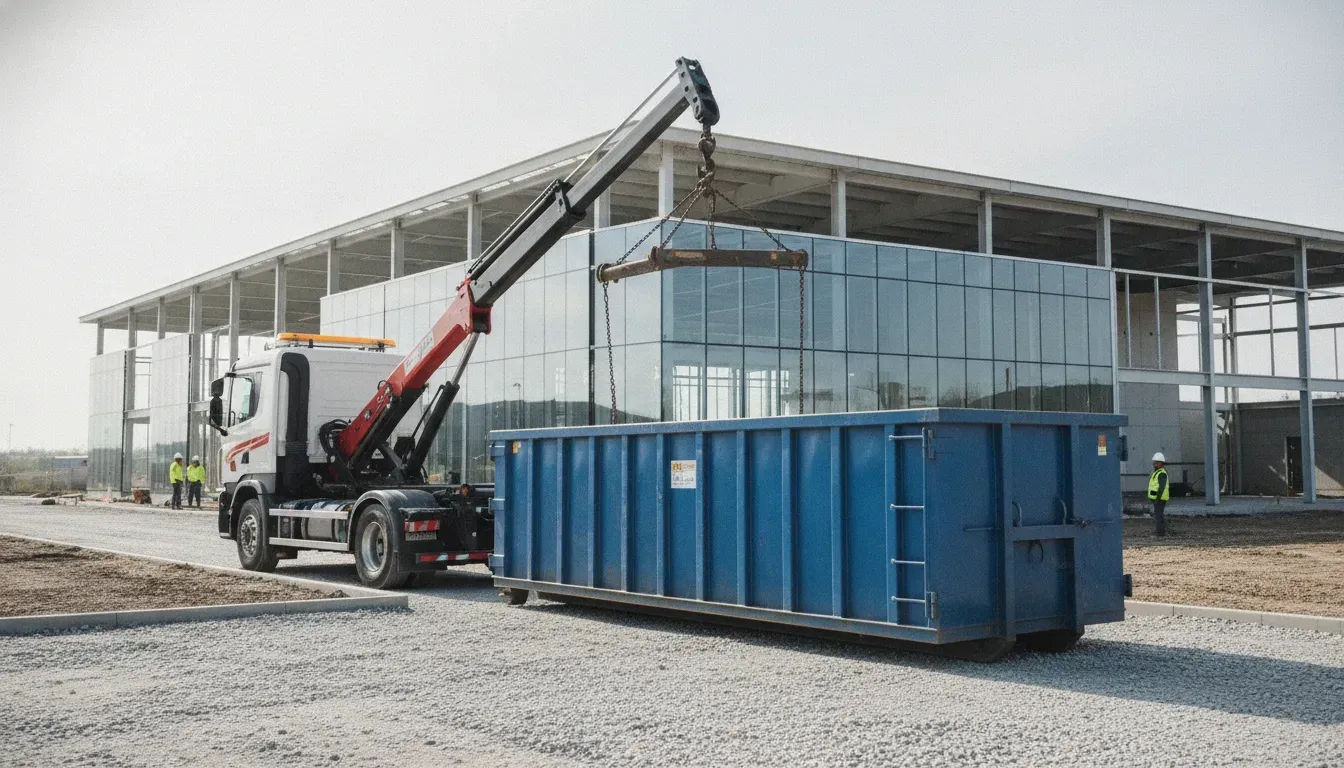
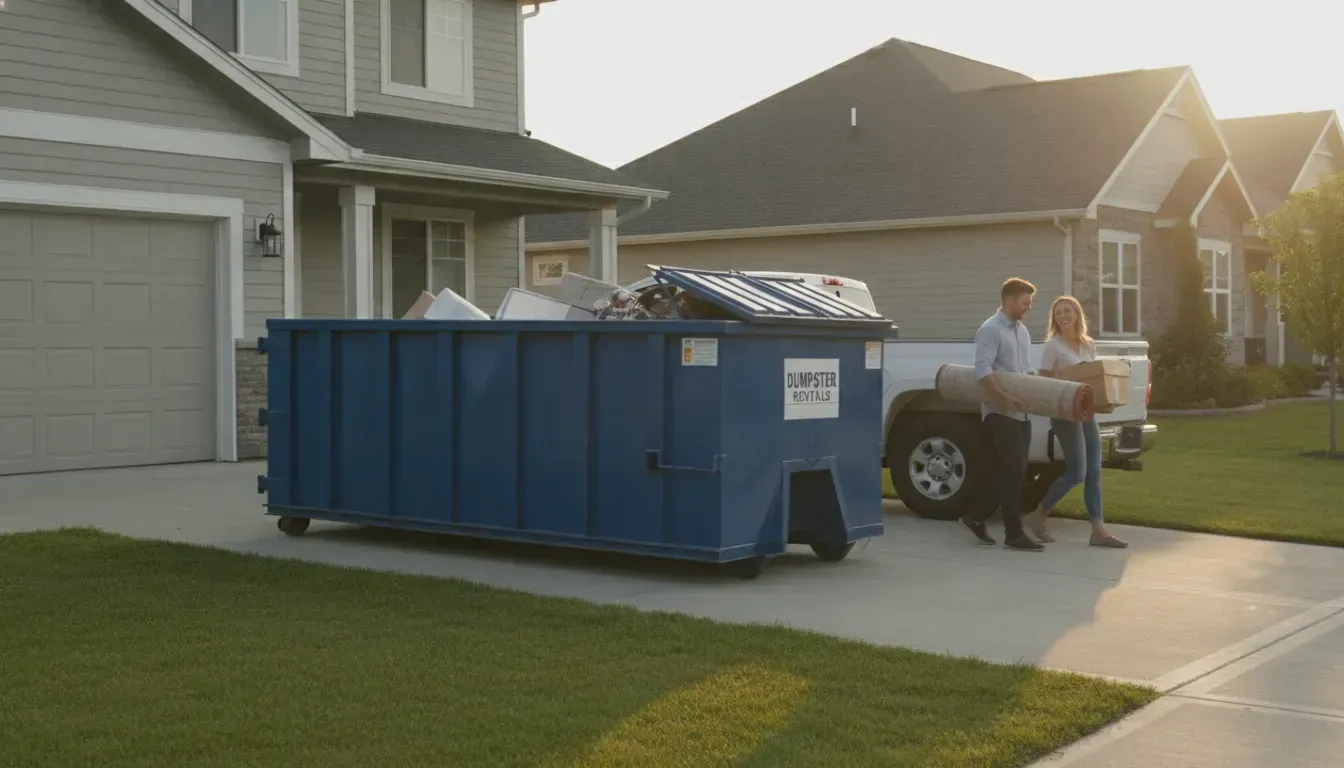
Planning a renovation, move, or property cleanout? A dumpster rental in Rutherford County, TN can keep debris in one place while work moves forward. Rapid Removal Dumpster is a family-owned local rental company based in Murfreesboro, serving Rutherford County and nearby areas. Its customer-loaded 15-yard roll-off is intended for projects such as room updates, garage and yard cleanouts, and smaller construction jobs.
Request service for your project
Which Rutherford County projects can use a 15-yard dumpster?
A single container can simplify a job that creates debris over several days. The best fit depends on what you are removing, how quickly work will proceed, and whether bulky items can be loaded efficiently. Rapid Removal lists renovations, home projects, landscaping, move-ins and move-outs, and smaller deck demolition among possible uses.
Homeowners may use a rental during a kitchen or bath update, a garage purge, or a yard cleanup. Contractors working on a smaller renovation can plan one central debris point instead of repeatedly hauling loads away. Property managers preparing a unit between occupants may also benefit when the cleanup is manageable and debris can be loaded by the customer or project team.
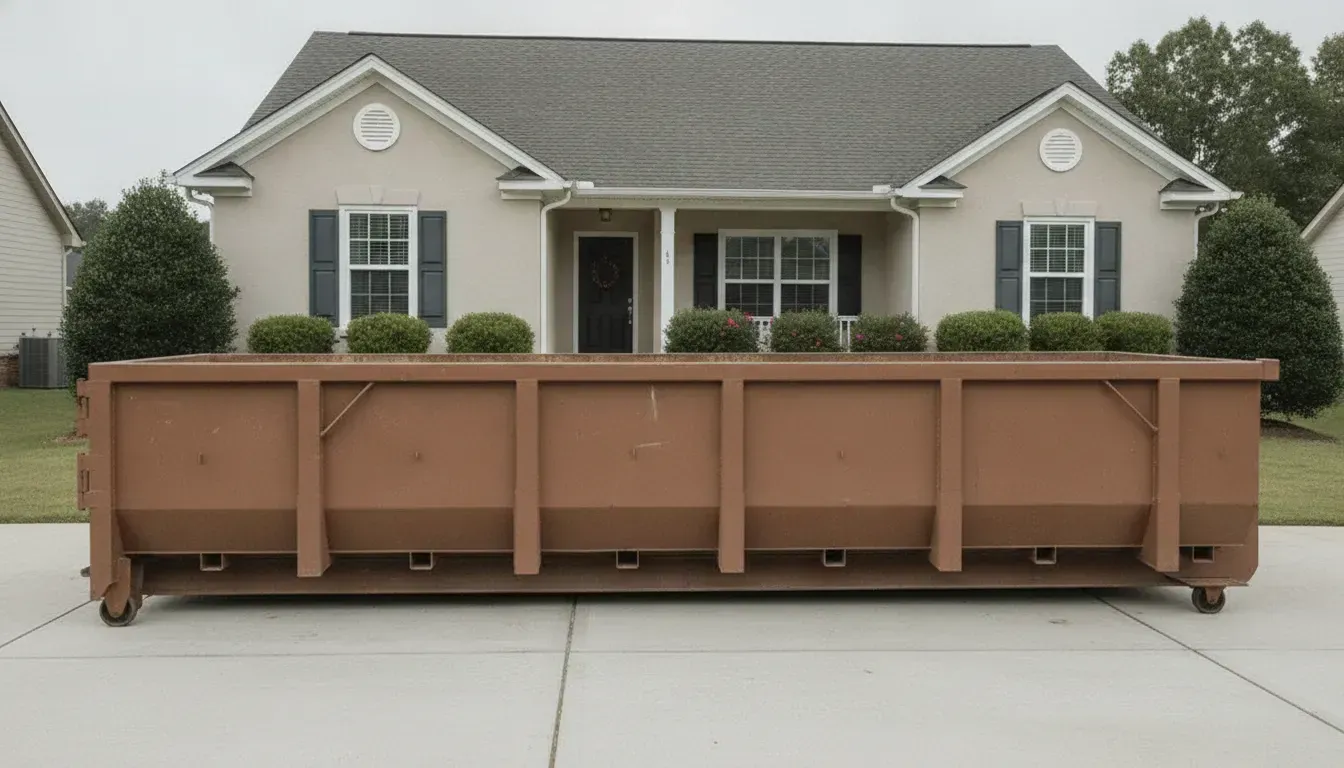
A 15-yard container measures about 5 feet high by 14 feet long by 7.5 feet wide. Capacity depends on the material and how it is loaded; an operatorâs estimate describes it as roughly seven truckloads. That estimate is a planning aid, not a guarantee. For more context on dimensions and selection, see the dumpster size guide.
How do local service-area details affect planning?
The company describes service in Rutherford County and surrounding areas. A town name or nearby address should not be treated as automatic confirmation: delivery availability can depend on the exact address and date. Before scheduling, provide the property address and explain the project so the team can confirm whether it can serve the site.
Rapid Removal identifies Murfreesboro as its base and names nearby communities such as Smyrna, La Vergne, Eagleville, and Lascassas among its intended service markets. Its content also identifies Lebanon as an intended market, but a target market is not a promise of delivery at every address. If a project is near the county edge or in another nearby community, ask about the specific address rather than assuming coverage. Use the Request a Service form to submit project details; the company says a representative generally responds by the next business day. Same-day options may be available, but ask directly about the date and timing you need.
What should you compare before choosing a rental period?
Project timelines can change when demolition reveals additional work, deliveries arrive late, or household schedules shift. Estimate the active loading days, then leave room for sorting and final cleanup. The published 15-yard rates below help compare listed durations. Confirm the applicable terms for your address and project when requesting service.
Published rental period: 1 day — Published price: $349 — Useful planning question: Can debris be gathered and loaded in one focused workday?
Published rental period: 3 days — Published price: $375 — Useful planning question: Does the project need a short work window across several days?
Published rental period: 7 days — Published price: $399 — Useful planning question: Will renovation or household schedules make a full week more practical?
The company publishes these rates with no delivery fee. Do not assume that a listed rental duration answers every question about accepted materials, weight, extra time, or other project conditions. Ask for the details that matter to your debris before confirming. Its dumpster rental FAQ covers common questions, and the home page displays the price ladder.
How can you plan a driveway-conscious placement?
Choosing a spot takes more than measuring the container footprint. Consider the delivery truckâs approach, overhead clearance, gates, parked vehicles, walking routes, and how workers will carry debris to the opening. Keep the area clear before delivery and tell the company about slopes, tight turns, low branches, or other obstacles.
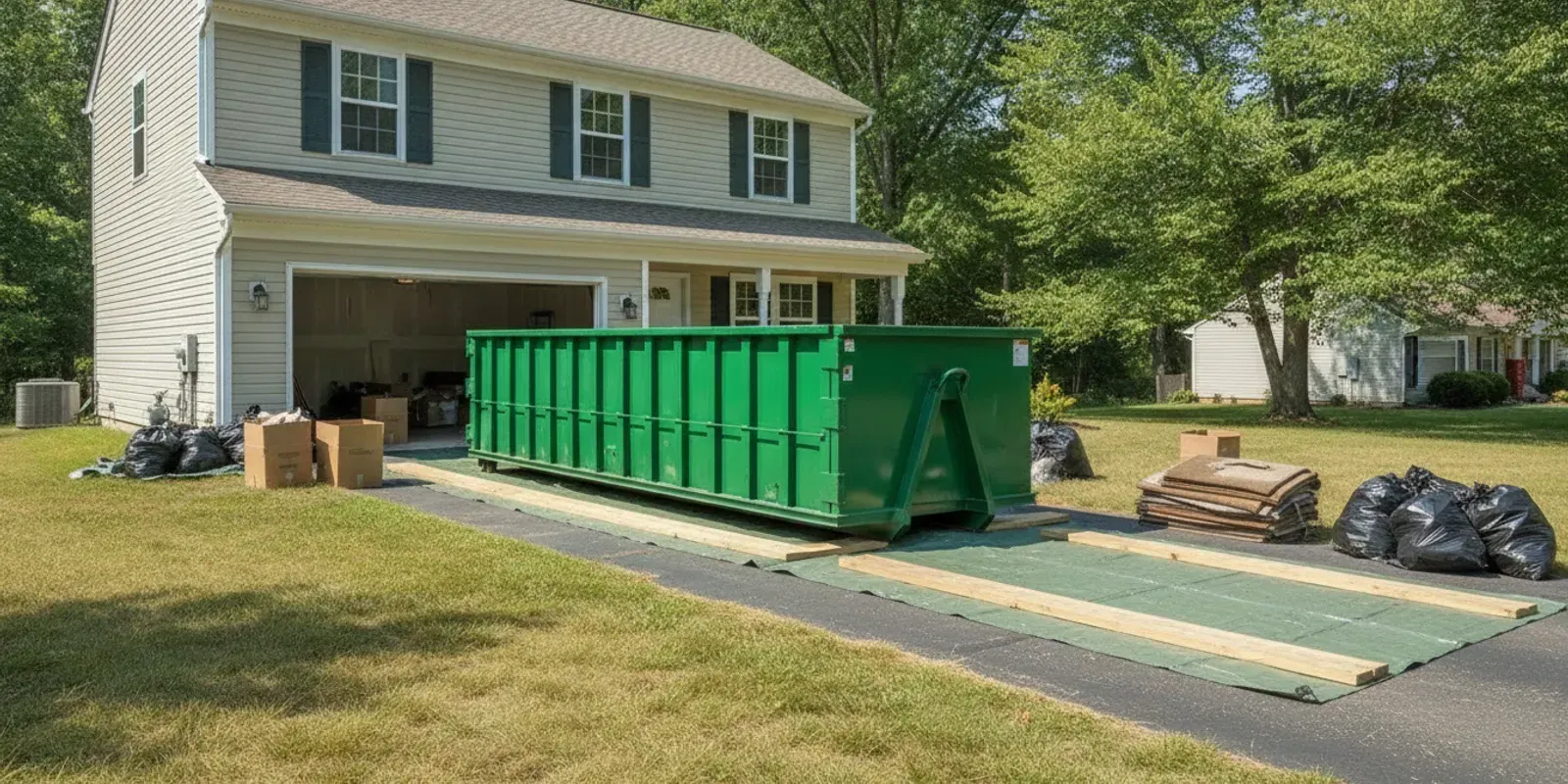
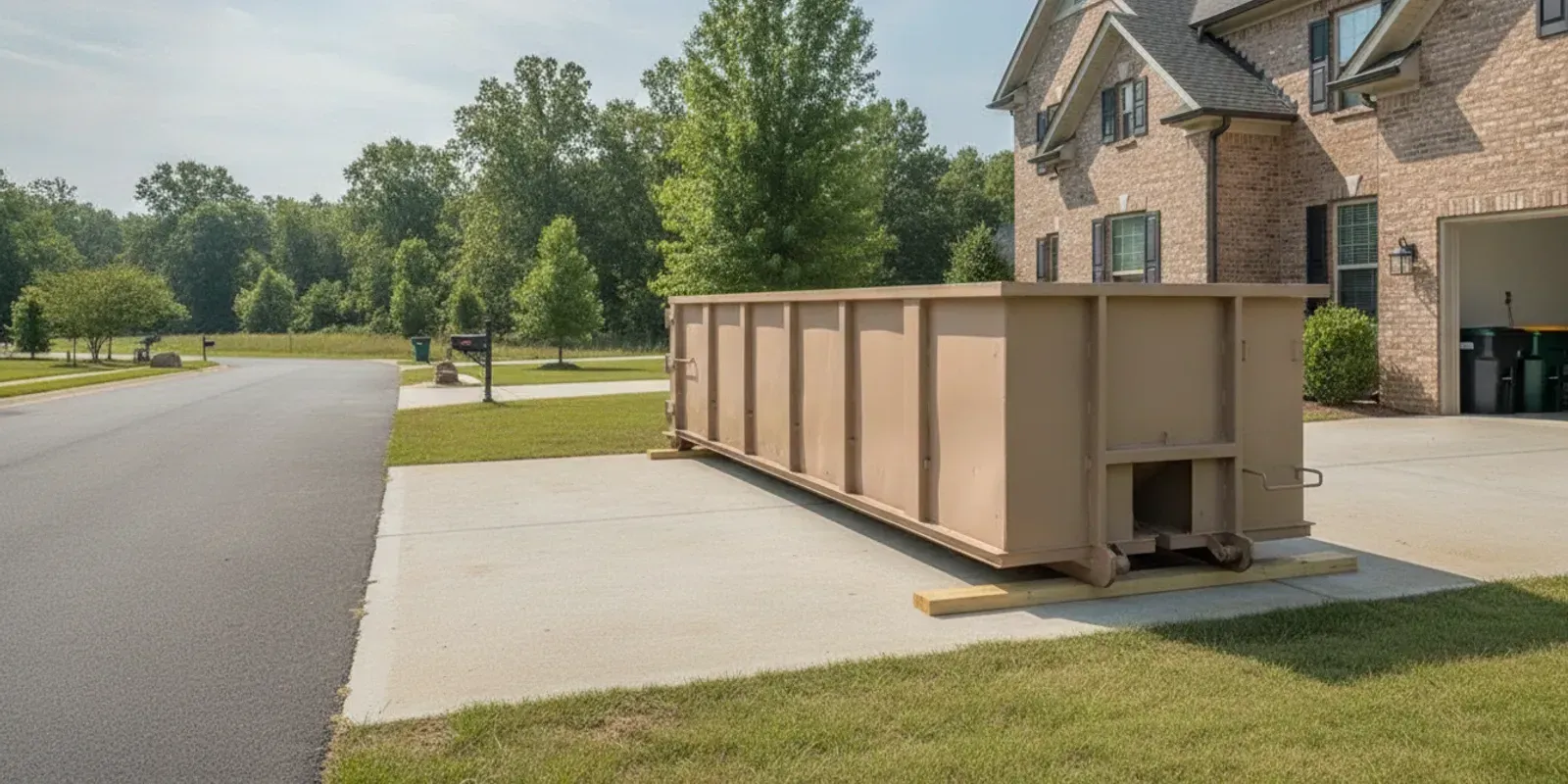
Driveway placement is often convenient, but every surface and site is different. Rapid Removal describes a driveway-oriented approach and can provide protective planks when necessary. That is a placement practice, not a promise that a surface cannot be marked or damaged. Discuss sensitive paving, concrete, landscaping, or HOA requirements in advance. For more placement considerations, read the driveway placement guide.
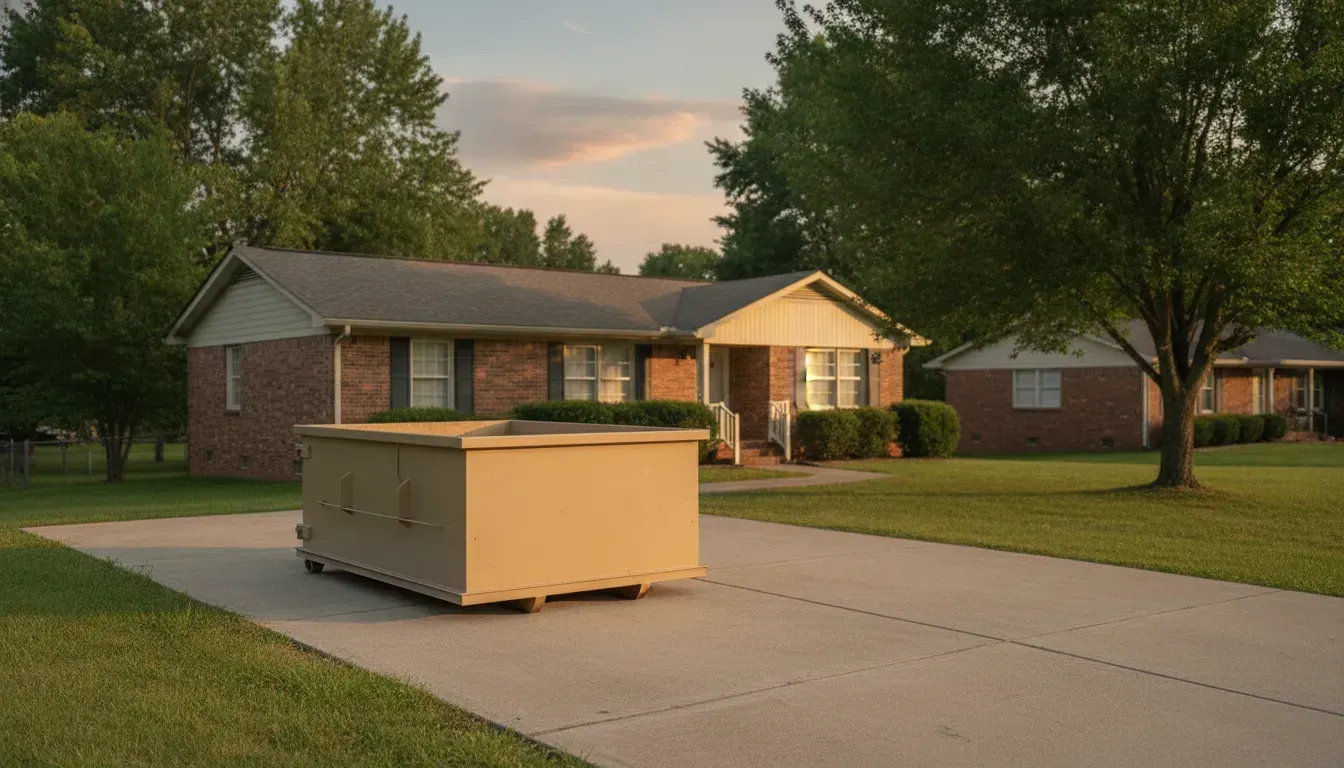
For a neighborhood with an HOA, check applicable rules before arranging delivery. Confirm where a container may sit, whether advance notice is needed, and how long it may remain. The bin is designed to be presentable, but local rules and site constraints still govern where it belongs.
How should you organize a renovation or cleanout?
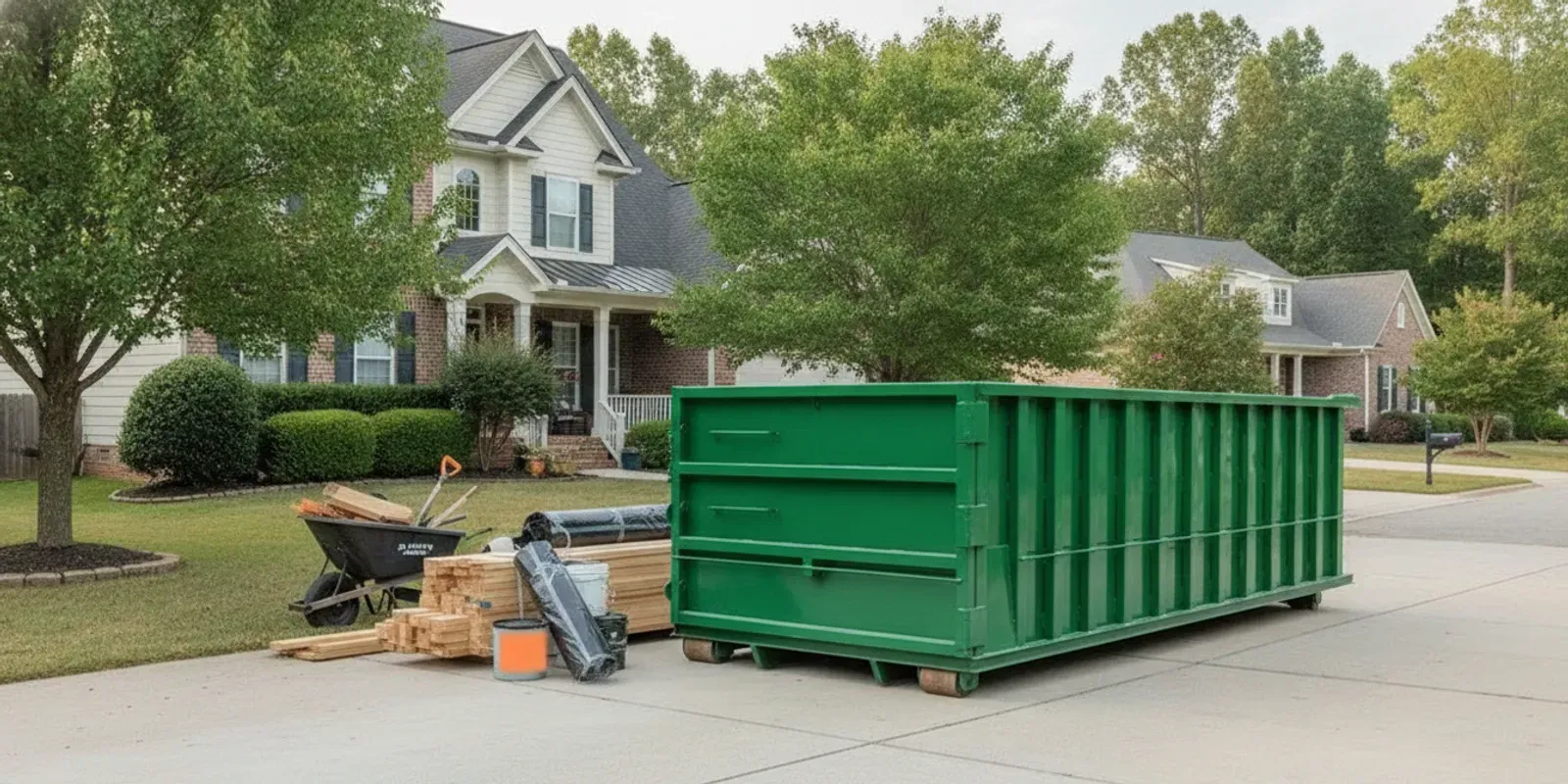
A little staging can make a rental period more productive. Before work begins, walk through the rooms or outdoor areas and make a list of what will leave. Separate items that will be donated, reused, recycled, or discarded so the container is reserved for the waste stream you intend to place in it.
- Set the scope. Identify rooms, structures, or yard areas included in the work. Note heavy or unusually bulky debris and ask about material acceptance.
- Clear the route. Plan a safe path between the work area and the container. Move vehicles and trip hazards before loading starts.
- Load in stages. Place heavier items carefully and distribute weight rather than building a pile at one end. Keep material within the container and do not overfill it.
- Leave access clear. Keep the delivery and pickup area open, and avoid blocking sidewalks, utilities, or neighboring access.
- Review the timing. Check progress before the final rental day and contact the company if the schedule or scope changes.
When a property cleanout includes several rooms, work from the farthest area toward the container so cleared spaces stay usable. During a renovation, coordinate loading with the work sequence: remove debris as each phase ends, but do not obstruct tradespeople or deliveries. Smaller, orderly loads are easier to manage than a last-minute rush.
What should homeowners, contractors, and property managers confirm?
Different projects have different constraints. Homeowners may be coordinating family routines and an HOA. Contractors may need to preserve work access and avoid delaying a crew. Property managers may need to align a cleanout with inspections or a turnover date. Before requesting service, prepare the same core details:
- Exact delivery address and preferred delivery date.
- Project type, expected debris, and approximate volume.
- Available space, surface type, access width, overhead obstructions, and any placement concerns.
- How many days you expect to load and when the container can be picked up.
- Any HOA or property rules that affect location or timing.
- Questions about accepted materials, weight, included terms, or schedule changes.
Clear information helps the team assess fit and access before delivery. If the work is time-sensitive, call rather than relying on an online request as an instant booking. The published company number is (615) 318-5102. Service is offered in English and Spanish; state your preferred language when you reach out.
What does a coordinated cleanup sequence look like?
For a three-day room renovation, a homeowner might reserve the first day for clearing the room and protecting the work area, the next day for demolition and loading, and the last day for a final sweep and pickup coordination. A garage cleanout might instead begin with sorting items into keep, donate, and discard groups, followed by loading the discard pile once the container is in place.
For a small contractor-led job, schedule delivery before the debris-producing phase, but leave enough room for the truck to position the container. For a rental turnover, confirm the access window with the property contact and keep the loading area separate from resident or maintenance traffic. These are planning examples, not fixed service requirements; adapt them to the work and confirm the rental details with the company.
How can you plan the workday around the container?
A rental is most useful when debris production, loading, and access are coordinated. Before the delivery window, move cars from the intended approach and remove objects that could restrict the truck. Tell the team if a gate must be opened or if someone needs to provide access. Keep pets and children away from the delivery zone, and avoid scheduling other large deliveries through the same narrow area.
Once the container is placed, treat the surrounding space as a work zone. Set a clear path from each work area, use suitable gloves and lifting practices, and do not climb into the dumpster to arrange material. If an item is awkward or heavy, ask the project lead to plan a safer way to move it rather than rushing to meet the rental deadline. These practical precautions help keep the cleanup orderly while the customer loads the container.
At the end of each work session, gather loose debris and keep the approach unobstructed. If rain or overnight conditions affect the pile, cover and secure loose material where appropriate, while making sure nothing projects above the container edge. Never assume that an item can be accepted just because it is common renovation waste; confirm uncertain materials before loading.
How can you decide whether the project is a good fit?
Think through three factors before selecting a rental: volume, material, and pace. Volume is not just the number of rooms. A small room filled with bulky cabinetry can use space quickly, while a larger sorting project may produce less discard than expected. Material also affects loading: dense debris can reach weight limits before a container looks full. Ask how the provider handles weight and any material-specific conditions before deciding that visible space is enough.
Pace matters because a one-day window suits a well-staged task more than a project with uncertain sorting or multiple trades. A three-day term can give a homeowner time to work around normal routines. A seven-day period may suit a renovation spread over several work sessions. These are planning comparisons, not recommendations for every job. Use the published options as a starting point and verify terms for the address and material.
A useful test is to write down the debris-producing steps in sequence. If you can identify when each load will be ready and who will move it, you can estimate the active loading window. If demolition may expand after opening a wall or removing a fixture, allow time to reassess rather than treating the first estimate as certain. A quick conversation before delivery can reveal whether the container and schedule are practical.
How can each project type avoid common delays?
Renovation work
List the sequence of demolition, replacement, and finish work. Identify when bulky debris will appear and where installers need to carry new materials. Avoid placing the container where it blocks a work entrance, material drop, or access to utilities. If several trades share the site, tell the person coordinating the job where debris should go and who will keep the area clear.
Move-in or move-out
Sort before the move date when possible. Keep belongings being packed or donated separate from discard material, and preserve a clear route for movers. If a property has shared parking or a managed driveway, obtain permission for the placement and timing before scheduling delivery. A short, organized loading window can prevent the container from competing with moving trucks.
Yard and landscape cleanup
Separate loose branches, soil, and other materials in your estimate. Do not assume every landscape material has the same acceptance or weight treatment. Stage debris in a location that does not block drainage, a gate, or pedestrian access, then confirm material questions with the rental provider. This is especially useful when the cleanup includes both bulky light material and dense loads.
Property turnover
Coordinate with the owner, tenant, maintenance team, or leasing contact before choosing a placement area. Confirm who will load the container and who will be present for delivery and pickup. If inspections, cleaning, or repairs are planned, sequence debris removal so crews can work without crossing a crowded loading zone.
How do you make a useful request for service?
A clear request saves time because the team can respond to the actual job rather than a vague size question. Include the street address, requested date, project type, estimated duration, and a concise description of the materials. Mention whether the work is in a driveway, whether the approach is narrow, and whether there are overhead branches, a slope, or a gate. If you are unsure how much space the debris may take, describe the rooms or areas involved instead of guessing a precise volume.
Ask focused questions before confirming: Is the exact address within the current delivery area? Which listed rental period fits the schedule? What materials or weight conditions should be clarified? Is the preferred placement workable, and what should be moved before the truck arrives? What is the best way to communicate a schedule change? Getting answers together helps you compare the rental to the work plan without assuming unlisted fees or terms.
The company offers a Request a Service form and lists phone contact for questions. It describes service in English and Spanish. If you have a deadline, say so plainly and ask whether the requested date is available; same-day options are not an automatic guarantee. The request page indicates representative follow-up generally by the next business day, so use the phone for urgent timing questions.
How can you adapt the plan if the scope changes?
Unexpected debris is common when a project reveals damage, an owner decides to clear one more room, or a contractor changes the work sequence. Avoid treating the original estimate as fixed. Pause and check what changed: is there more volume, a different material, or simply a longer loading period? Each answer leads to a different question for the provider.
If the volume grows, look at the remaining space and the shape of the material rather than adding debris blindly. Bulky pieces can leave voids, and dense material may weigh more than its size suggests. Do not compress material by climbing in or use unsafe handling methods to make room. Ask whether the container remains suitable and whether an alternate loading or pickup plan is needed.
If the project runs late, contact the team before the listed rental period ends. Explain what remains and when the container can be ready for pickup. Do not assume an extension is automatic or that a certain additional charge applies; confirm the available options and terms. If material changes, pause loading of the uncertain item until the provider clarifies whether it can go in the container.
A practical change log helps: note the date, what changed, what is still to be removed, and the next required delivery or pickup action. For a homeowner, this could be as simple as âcabinet removal added; ask about material and remaining capacity.â For a property manager, record which unit or area added debris and who authorized the change. This keeps requests specific and reduces confusion when several people are coordinating the job.
How can you compare a compact rental with repeated trips?
Some cleanouts can be handled with a personal vehicle or a series of trips, while a rental may be more convenient when debris is produced over several stages. Compare the effort, access, and timing rather than assuming one method is best in every case. Repeated trips may suit a small, already-sorted pile and a household with time to transport it. A container can be useful when renovation debris appears daily or several rooms need clearing at once.
Make the comparison concrete. Estimate how many loads you would take, who would drive, when the vehicle is available, and whether trips would interrupt the work. Then compare that plan with a rental period and a designated loading area. Do not equate the published container price with a full project total until material, weight, duration, and other applicable terms have been confirmed. The goal is to select a method that fits your schedule and labor, not just the pile's appearance.
Frequently asked questions
Does Rapid Removal serve every address in Rutherford County?
The company describes service in Rutherford County and nearby areas, but confirm your exact address and date before planning around delivery.
Is the dumpster loaded by the company?
The documented service is a customer-loaded roll-off rental. Plan for your household or project team to load the container.
Can I request a same-day delivery?
The company advertises same-day options, but availability depends on the request. Contact the team to confirm timing; an online request is not an instant booking confirmation.
Will driveway placement prevent surface damage?
No placement method can be presented as a guarantee against damage. The company may provide protective planks when necessary, so discuss your surface and site conditions before delivery.
Discuss your address and project needs
With your scope, site access, and timing in hand, you can request a rental that fits the work and get key service details confirmed before delivery.