Dumpster Rental in Rockvale, TN: Driveway-Safe Cleanup
Plan a 15-yard dumpster rental in Rockvale, TN with a driveway-conscious setup, a practical loading plan, and clear details to share when requesting service.

Planning a dumpster rental rockvale tn homeowners can use for a renovation, move, or yard cleanup starts with more than choosing a delivery day. You also need a workable placement area, a clear route for the delivery truck, and a realistic plan for loading debris. A little preparation can make the container easier to use and help you identify questions to ask before confirming service.
Request service details for your project
Rapid Removal Dumpster offers customer-loaded 15-yard roll-off rentals for projects such as renovations, household cleanouts, landscaping, and smaller construction work. The company states that it serves Rutherford County and surrounding areas. Rockvale delivery eligibility, the date available, and the right placement plan should be confirmed for your specific address rather than assumed. The steps below will help you prepare useful information and make a practical request.
What should Rockvale residents confirm before requesting delivery?
Start by describing the location and the job, not just asking whether a dumpster is available. Share the Rockvale street address or nearest cross street, the type of project, the approximate debris, and the dates you have in mind. This gives the company a basis to check whether the address is within its service area and whether the requested delivery timing can be accommodated.
Rockvale is not specifically named in the company’s published list of target towns in the information available for this article. The company describes its service area as Rutherford County and surrounding areas, but exact boundaries are not specified. Ask directly whether your address qualifies. If the property is outside the confirmed area, ask before making arrangements around a delivery that may not be available.
Also clarify who will be present or reachable on delivery day, whether the container is to be left unattended, and where the truck should approach. The website describes optional same-day and contactless delivery, but availability depends on the request and should be confirmed. A website request is not an instant booking confirmation; the request page indicates that a representative responds by the next business day. For a time-sensitive project, contact the company by phone at (615) 318-5102 to discuss timing.
Before making the request, check the company’s rental FAQ for general questions, then ask about anything specific to your site or debris. Do not assume that a general answer applies to every address, material, or placement condition.
How do you measure the driveway and placement spot?
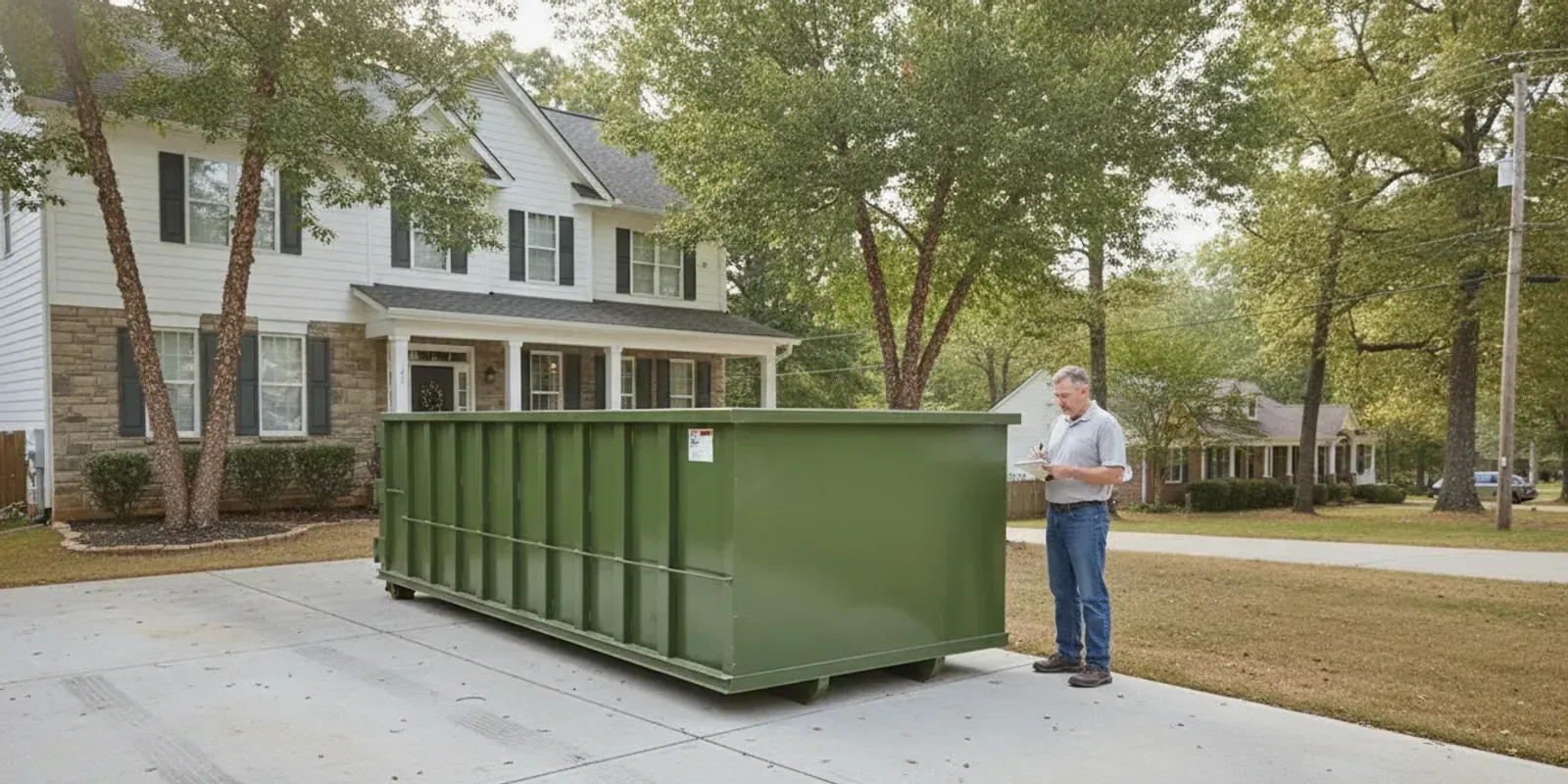
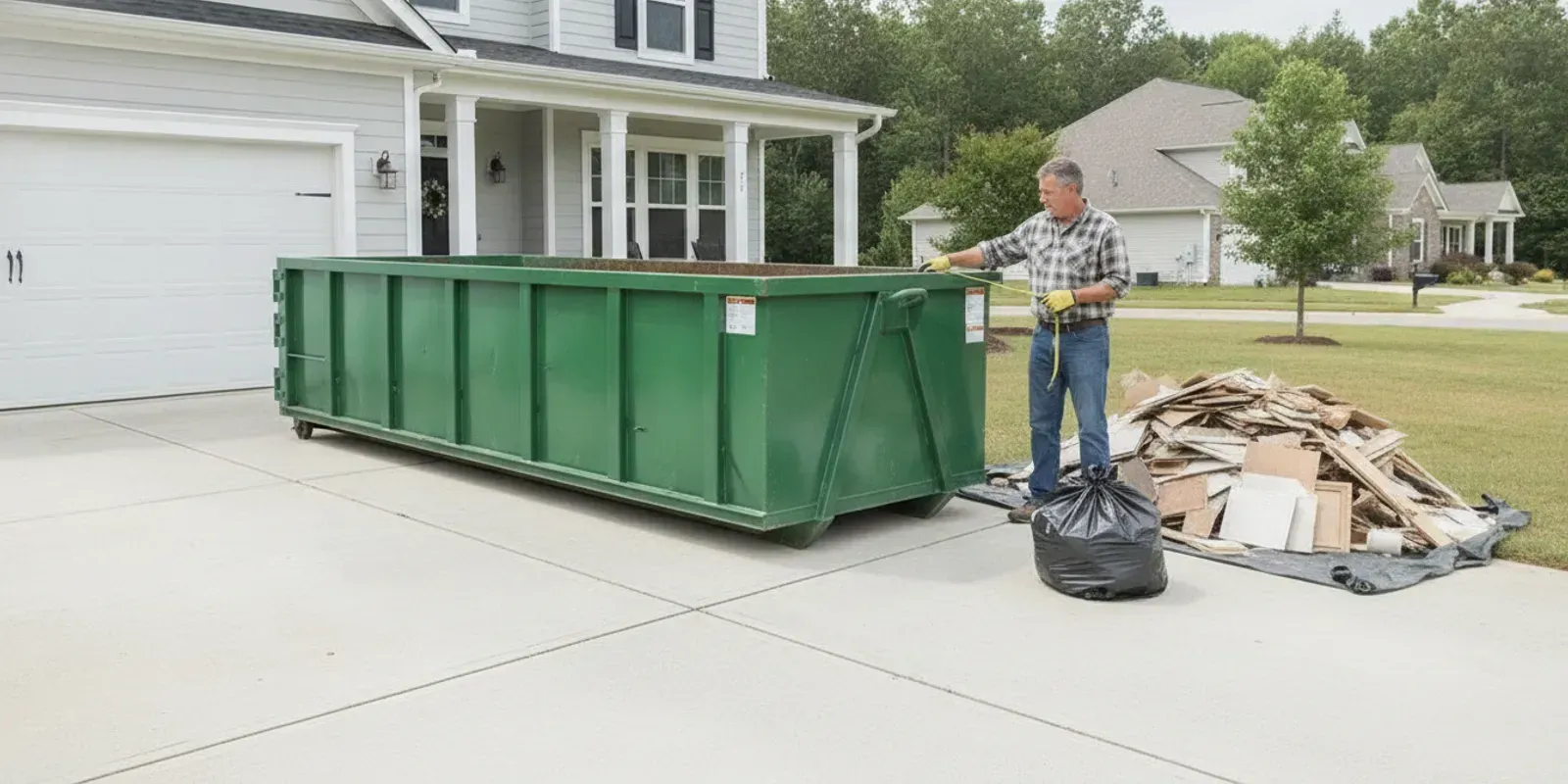
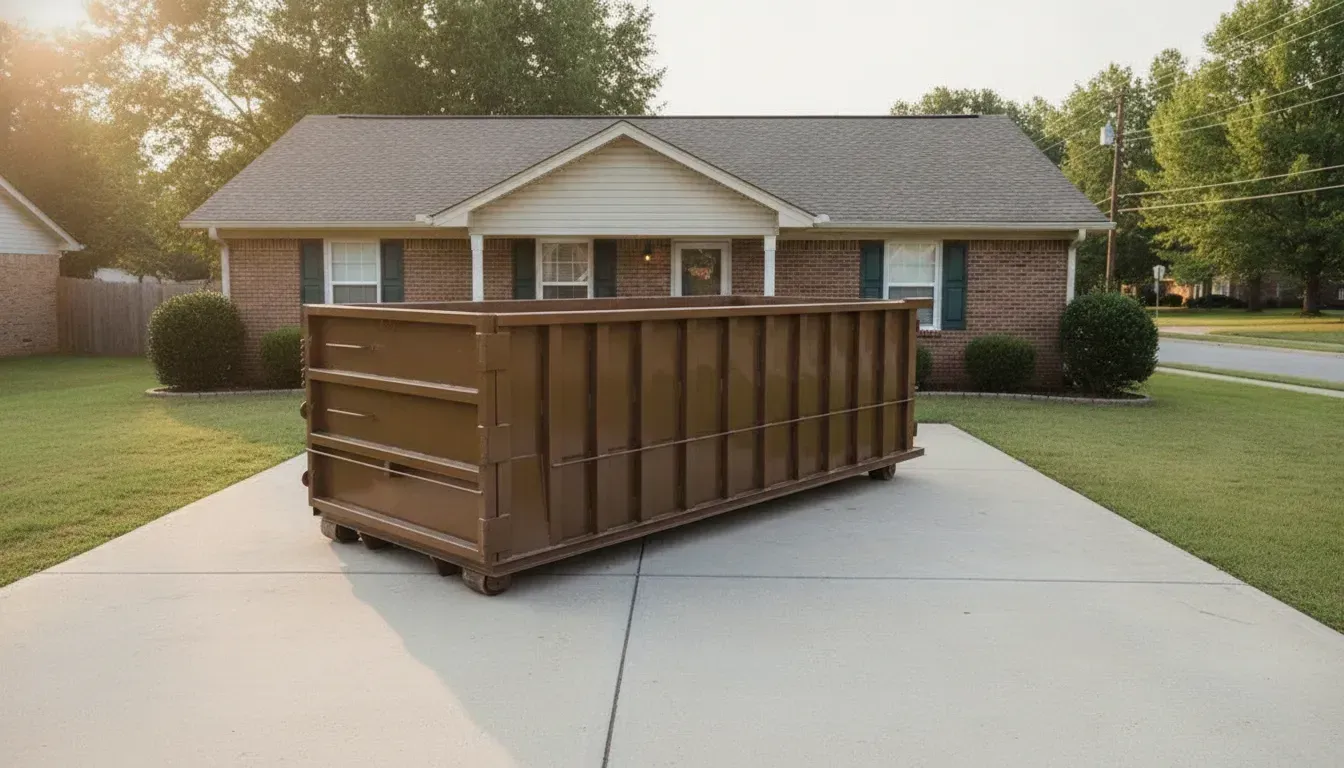
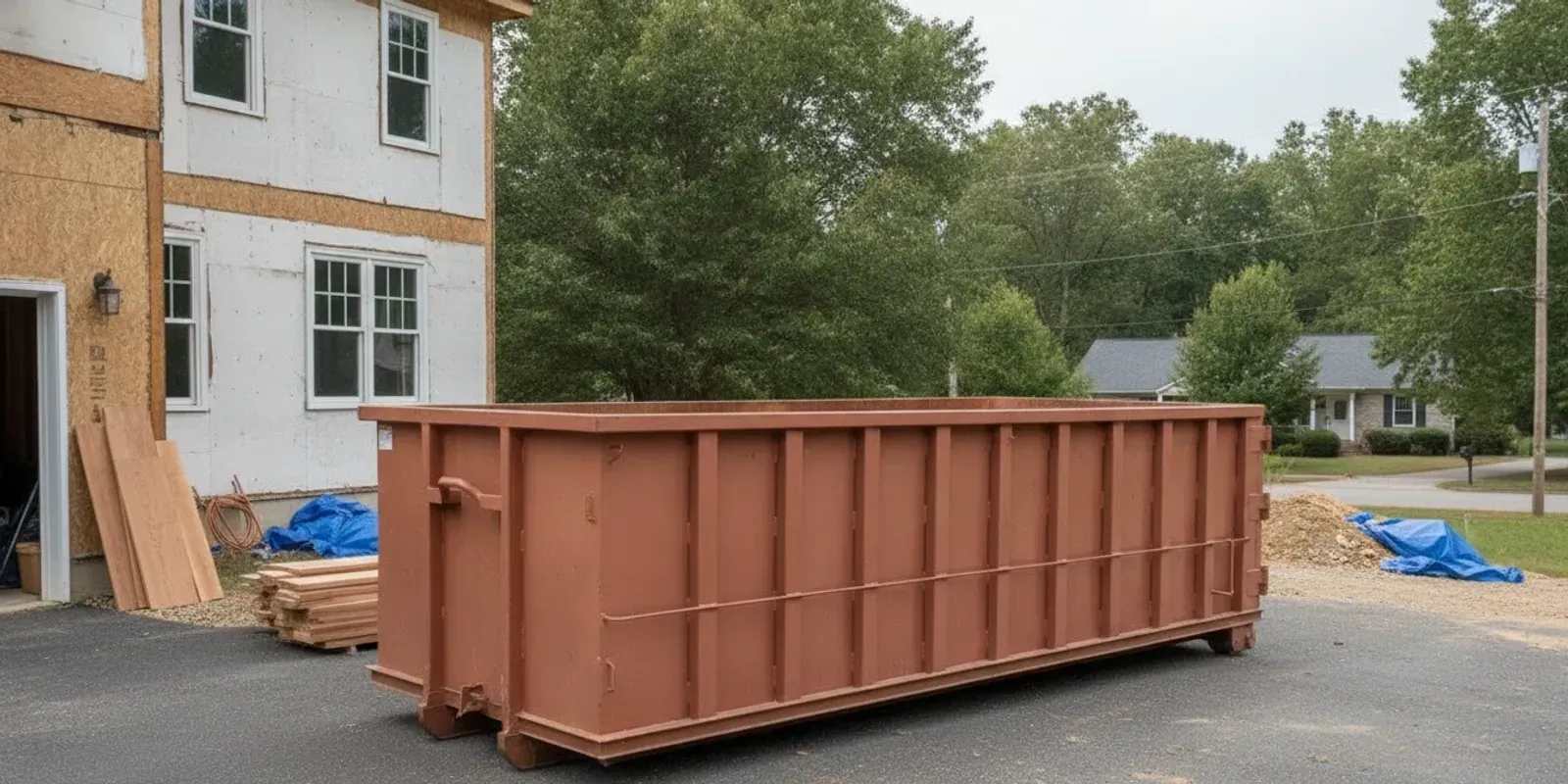
A 15-yard dumpster needs a planned footprint and adequate access around it. The listed container dimensions are about 5 feet high, 14 feet long, and 7.5 feet wide. Those measurements describe the container itself, not the full space a delivery truck may need to approach, maneuver, and set it down. Measure the proposed location and consider the path to it before choosing a spot.
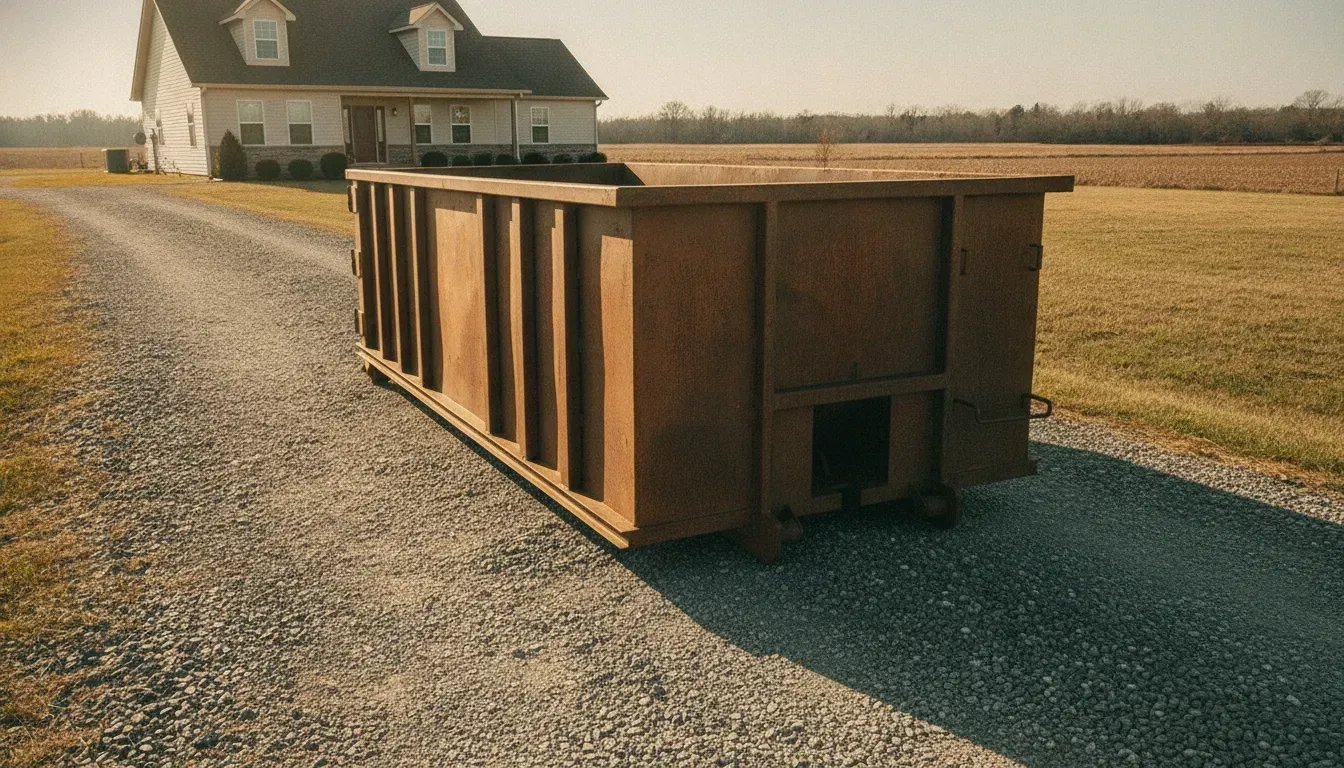
Walk the route from the street to the intended placement area. Look for a narrow gate, low branches, overhead wires, parked vehicles, a sharp turn, a sloped section, soft ground, or objects that would make access difficult. If the truck may need to cross a curb or pass close to a wall, fence, or landscaping, mention that when you request service. A photo of the driveway or route can help explain an unusual layout, but ask how the company would like to receive it.
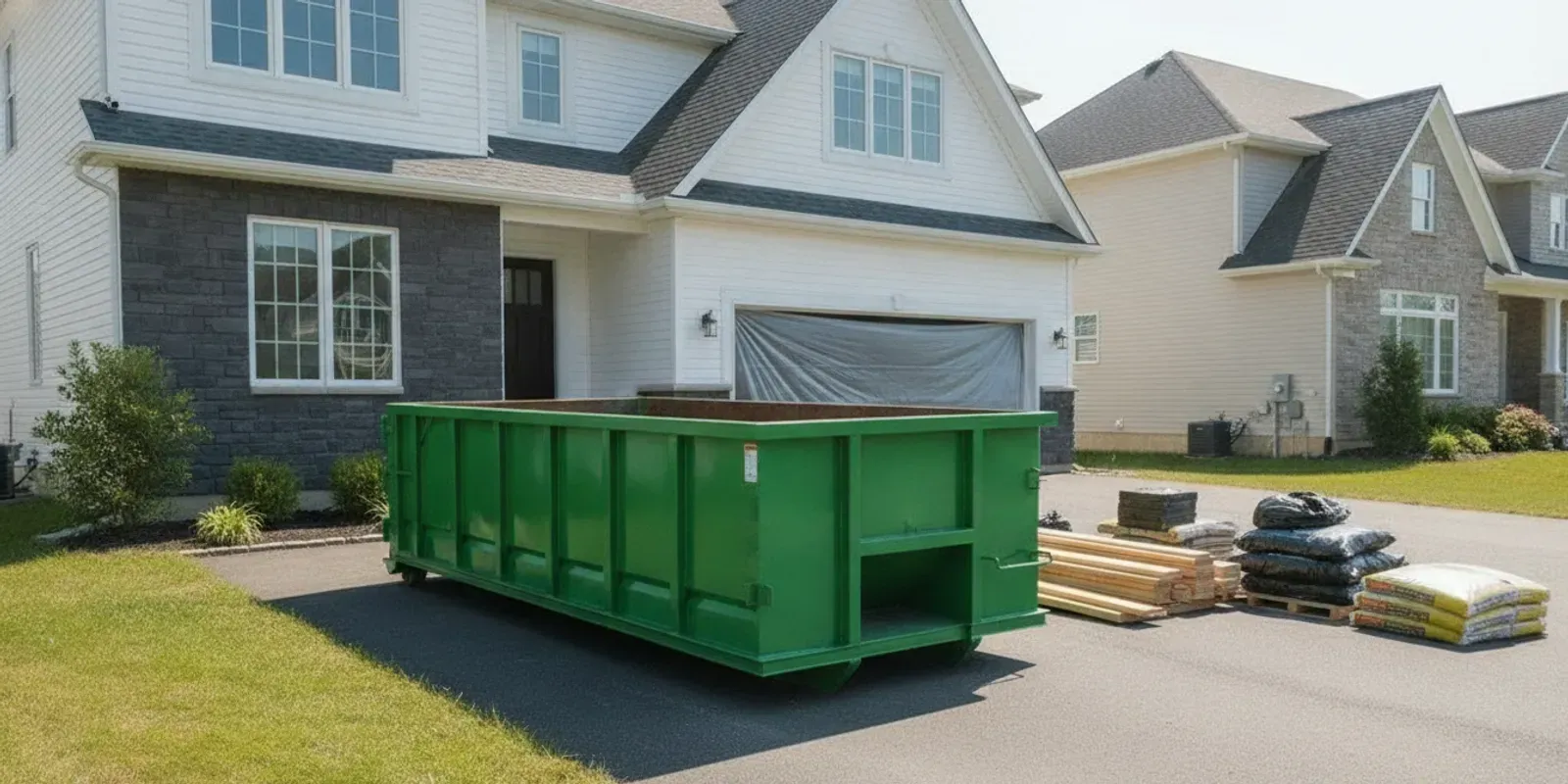
Measure the driveway width and length, then note where the container would sit in relation to the garage, sidewalk, and property line. Think about whether a vehicle must remain parked there during the rental. Leave enough space for household access and for you to load debris safely. A spot that fits the container on paper may still be awkward if it blocks a door, prevents a car from turning, or leaves no clear route from the project area.
Do not plan a placement that blocks a public sidewalk, roadway, or a neighbor’s access. If the only practical location is not on your property, get permission from the property owner and discuss the arrangement before requesting delivery. For placement questions, review the company’s driveway placement information, then confirm how your particular driveway and access conditions will be handled.
How can you prepare the driveway without assuming a damage guarantee?
Driveway-conscious planning is about discussing the surface, choosing a sensible location, and following the placement instructions—not assuming that any surface is guaranteed against marks or damage. Before delivery, sweep away loose gravel, branches, and objects that could interfere with placement. Move cars, planters, tools, and other items out of the delivery route. If the driveway has a visibly cracked, uneven, or recently repaired area, point it out before the container is set down.
Tell the company whether the proposed spot is asphalt, concrete, pavers, gravel, or another surface. Mention steep slopes, soft edges, a drainage channel, or a section that has settled. The company may use protective planks when necessary, but their use is conditional and does not create a written surface-damage warranty. Ask whether the location you selected appears suitable and what preparation is recommended for its conditions.
Take a few clear photos of the driveway and the route before delivery. This is a practical way to document the starting condition and make a placement discussion more specific. Keep the photos for your own records. Avoid treating them as a substitute for confirming placement details with the rental provider.
Once the dumpster is in place, keep heavy vehicle traffic away from the immediate area if possible. Do not try to move or reposition the container yourself. If the location does not match the plan or you notice a concern, contact the company and ask for direction. For more background on the local placement approach, the dumpster rental guide can be read alongside the questions you have for your address.
What access details matter on delivery day?
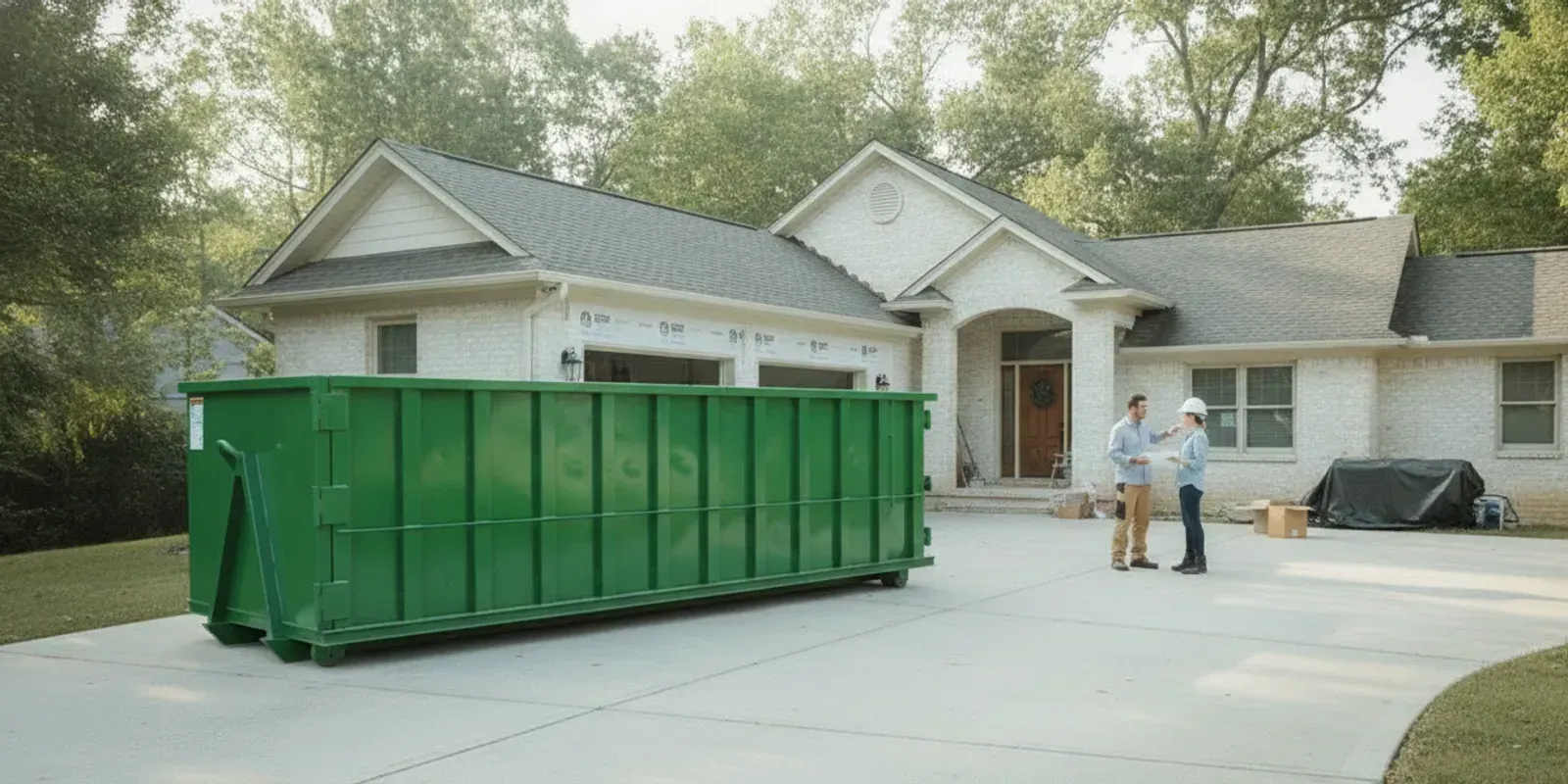
Clear access helps prevent avoidable delays. Check the route the day before and again on delivery morning. Move cars and trailers, unlock any gate that is part of the route, and ask household members not to park in the planned area. If a neighbor’s vehicle, a delivery truck, or a temporary work zone could block access, make a plan to clear it during the expected delivery window.
Look above as well as along the ground. Tree limbs, utility lines, roof overhangs, basketball hoops, and low carports may affect truck access or placement. Do not assume the driver can pass beneath or beside an obstacle because a passenger car can. Mention overhead or side clearance concerns when you request service and ask whether the proposed route will work.
Provide instructions that a driver can understand without guessing: which driveway to use, where to turn, which side of the property is preferred, and what landmark identifies the spot. If there are multiple entrances, state which one should be used. If a contactless drop-off is requested, make sure the placement plan is clear in advance and that the proposed area is ready.
Have a reachable contact available in case a route is blocked or the planned location needs clarification. If you cannot be present, make sure the person coordinating the property understands the agreed placement area and can respond. Any changed condition—such as a vehicle parked in the way or fresh construction fencing—should be relayed as soon as possible.
How should you organize the project and loading route?
Map the path from the work area to the dumpster before debris starts accumulating. Choose a route that avoids freshly planted areas, fragile steps, and tight interior turns where possible. Keep the path clear and use a stable, well-lit route. If debris must be carried through a home, protect floors and doorways with appropriate coverings and keep the travel lane separate from household activity.
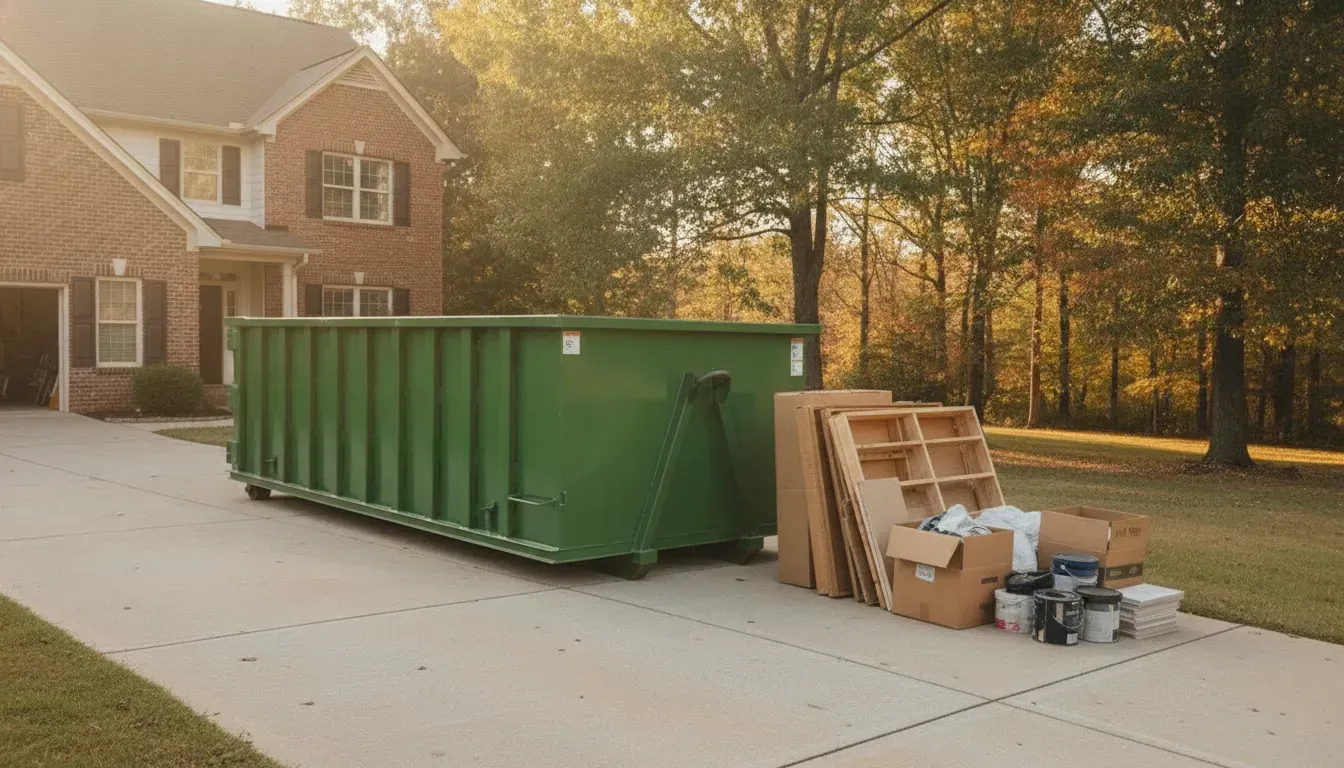
Put bulky materials aside until you know how they should be loaded. Break down boxes and suitable lightweight items to reduce wasted space. Keep materials that you are reusing, donating, or recycling separate from debris intended for the container. This reduces sorting at the end and makes it easier to notice when the container is approaching capacity.
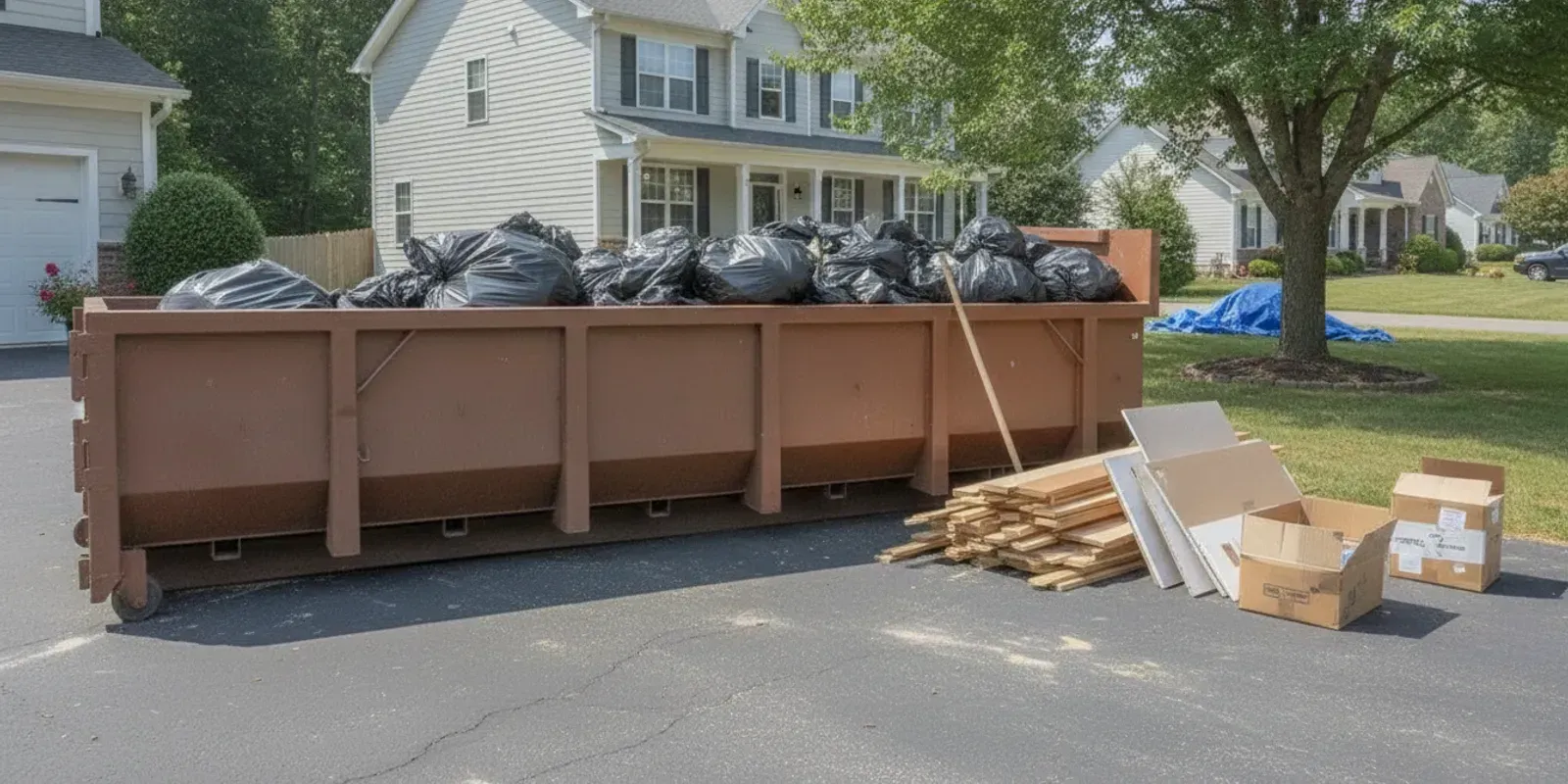
Load evenly rather than concentrating heavy material at one end or against one side. Spread items across the floor, place heavier items low, and use openings between bulky pieces for smaller debris where practical. Keep the load below the top edge and do not let material hang over the sides. A container that is overloaded or unevenly loaded may create pickup or transport problems, so ask the provider how to handle a load that is nearly full.
Keep the area around the dumpster orderly. Set aside a staging area for items that are not yet ready to load, but do not block the truck route or neighboring access. If you are working with a contractor or family members, agree on what can go in the container and who will monitor the load. Clear instructions help prevent an item from being tossed in before its suitability has been checked.
Which rental period fits a Rockvale cleanup?
Estimate the actual work time, including preparation, loading, and a buffer for weather or work interruptions. A renovation may generate debris over several days, while a garage cleanout may be completed in a concentrated session. Think about when materials will be ready to load, not only when the work is scheduled to begin. If the container arrives before the project is ready, the rental days may pass while it sits unused.
The company’s published 15-yard rental prices are $349 for one day, $375 for three days, and $399 for seven days, with no delivery fee stated on its site. Confirm the current price and what applies to your request before you proceed. Do not assume that the listed duration automatically includes extra days, a particular material, or a specific tonnage allowance; the available information does not establish all of those terms. Ask the company to explain any conditions relevant to your project.
These are the company’s published rental-period prices, not a promise that every date, address, or project will have the same availability. If the job may run longer than planned, ask about the process before you commit. Make a simple calendar: delivery, major debris-producing work, a check of the remaining capacity, and the date you expect the container to be ready for removal. This is especially useful when work depends on contractors, inspections, or deliveries.
What should you ask about materials before loading?
Describe the debris in plain terms when requesting a rental. A kitchen update, for example, could include cabinets, flooring, packaging, and other materials; a yard project could involve branches, soil, or other landscaping debris. The type and amount matter. Do not rely on a general assumption that everything from a household or remodeling project can go in one container.
Ask whether the materials you have are accepted and whether there are limits or special handling instructions. If you are unsure about a particular item, name it specifically instead of asking only whether “construction waste” is allowed. This is important for mixed loads, unusually heavy debris, and materials that may require separate handling. The available company information does not provide a complete universal materials policy or a published included tonnage, so confirm the conditions for your load directly.
Keep uncertain items out until you have an answer. Store them safely and separately, away from the driveway and the loading path. If the project changes and a new material appears, ask before adding it. That small pause can help avoid a last-minute surprise when the container is ready for pickup.
For other project-planning questions, the company’s pages on construction dumpster planning and choosing a dumpster size provide additional context. Rapid Removal’s documented offering for this article is a 15-yard rental; do not assume another size is available unless the company confirms it.
How do you decide whether 15 yards is a practical fit?
Compare the project’s debris with the container dimensions and the kind of work being done. A 15-yard dumpster is described for home projects that can include bathroom or kitchen renovation, household cleanouts, landscaping, moves, and smaller deck demolition. Its listed footprint is about 5 feet high by 14 feet long by 7.5 feet wide. That can help you picture the space, but it does not tell you exactly how much every material will occupy or weigh.
Consider volume and weight separately. Broken-up light materials may take more room than expected, while dense debris can reach a weight limit before the container looks full. Since no included tonnage is established in the available company information, ask about any weight-related terms for your planned load. Describe especially dense or bulky materials rather than estimating only by the number of bags or pieces.
If a project includes multiple phases, make a rough inventory. For a bathroom update, list fixtures, tile, cabinets, and packaging separately. For a garage or attic cleanout, estimate the number of large furniture pieces and boxes, then set aside donations or reusable items. For landscaping, identify branches, brush, soil, and other debris distinctly. These are planning examples, not confirmation that every named material is accepted; ask the company about the actual load.
If your project appears larger than one container can reasonably handle, discuss the scope before booking rather than assuming that a second size or additional service is available. The company’s roll-off rental information can help you understand the customer-loaded format, but a direct conversation is the best way to confirm the fit for your address and debris.
How should you make a useful service request?
A clear request includes enough detail for the company to discuss service area, placement, timing, and project fit. Gather the information below before using the contact form or calling:
- Address: Give the full Rockvale property address so eligibility can be checked, including any access notes that distinguish the driveway or entrance.
- Project type: Say whether you are renovating, moving, clearing a garage or yard, or completing another small project.
- Debris description: List the main materials and mention anything heavy, unusually bulky, or uncertain.
- Timing: Provide your preferred delivery date and expected loading period, plus any deadline for removal.
- Placement: Describe the driveway surface, the proposed spot, truck approach, overhead clearance, slope, and any obstacles.
- Contact plan: Identify who can answer questions on delivery day and whether you are asking about contactless placement.
Then ask direct questions: Is this address within the service area? Is the requested date available? What should be done to prepare the driveway? Are the materials described acceptable? What rental period and current price apply? What should you do if the project takes longer or the load is nearly full? Clear answers help you make an informed decision without treating an estimate or request as a confirmed booking.
You can use the company’s Request a Service page or call (615) 318-5102. The company offers service in English and Spanish. If timing is important, remember that the request page describes a next-business-day representative response, while same-day options should be discussed directly and are not guaranteed for every request.
What does a coordinated cleanup sequence look like?
A short sequence can keep the project from becoming a scramble. First, confirm that your address and requested timing can be served. Next, describe the debris and ask about materials, rental period, and applicable terms. Choose a proposed location, measure the footprint, inspect truck access, and discuss driveway conditions. Once placement details are agreed, prepare the route and clear the area before delivery.
On the first workday, keep reusable items and questionable materials separate. Load accepted debris in a balanced way and check the fill level as you go. Midway through the rental period, compare what remains with your completion plan. If the scope has changed, contact the company instead of assuming the rental period, pickup timing, or accepted materials can be altered automatically.
Before the container is ready for removal, make sure the load is within the container and follow any instructions the company gave you. Clear access again, move vehicles from the route, and make sure the contact person is reachable. If anything about the load or access differs from what was originally described, raise it with the company before the planned removal.
This orderly approach is useful whether the project is a one-day cleanout or a longer renovation. It also gives you checkpoints to catch problems early: address eligibility, driveway access, unclear material rules, and a work schedule that no longer fits the selected rental period.
What should you confirm before delivery day?
Use the day before delivery to review the details you discussed. Confirm that the address, requested date, placement spot, and access instructions are correct. Make sure any agreed contactless arrangement is understood by everyone involved. If you expect to be away, leave the route and placement area clear and provide a reliable way to reach the responsible person.
Walk the route once more. Remove cars and loose objects, check gates, and look for any new obstruction. Let household members know where the dumpster will be placed and which path should remain open. Keep children and pets away from delivery activity and from the loading area. If construction work is happening at the same time, coordinate vehicle movements so the truck can access the agreed location.
Finally, keep the rental details and company contact information handy. If weather, a blocked driveway, or a project delay changes your plan, contact the company rather than making a last-minute assumption. Planning does not remove every uncertainty, but clear communication gives both sides a better chance to address the issue before it disrupts the cleanup.
Frequently asked questions
Does Rapid Removal Dumpster serve every address in Rockvale?
The company states that it serves Rutherford County and surrounding areas, but it does not publish a specific Rockvale boundary in the information used for this guide. Share your exact address and ask the company to confirm eligibility before arranging your project around delivery.
What size dumpster is covered in this guide?
The documented rental is a 15-yard roll-off dumpster, listed at about 5 feet high, 14 feet long, and 7.5 feet wide. Do not assume other sizes are available; ask the company if your project may need a different arrangement.
Will protective planks prevent driveway damage?
The company may provide protective planks when necessary, but their use is conditional and there is no established written surface-damage warranty. Describe the driveway and proposed placement, ask what preparation is recommended, and do not treat any placement method as a guarantee against damage.
What are the published rental prices?
The company publishes $349 for one day, $375 for three days, and $399 for seven days for its 15-yard rental, with no delivery fee stated on its website. Confirm the current price and the terms for your particular request, including anything you need to know about rental duration and materials.
Can I request same-day delivery?
The company advertises same-day options, but availability is not guaranteed for every address or date. Contact the company directly to ask about timing; an online service request is not an instant booking confirmation.
Contact Rapid Removal Dumpster to discuss your cleanup
With your address, debris list, placement measurements, and preferred schedule ready, you can ask focused questions and decide whether a 15-yard rental fits your Rockvale project. Confirm service eligibility and all project-specific details directly before you plan around delivery.