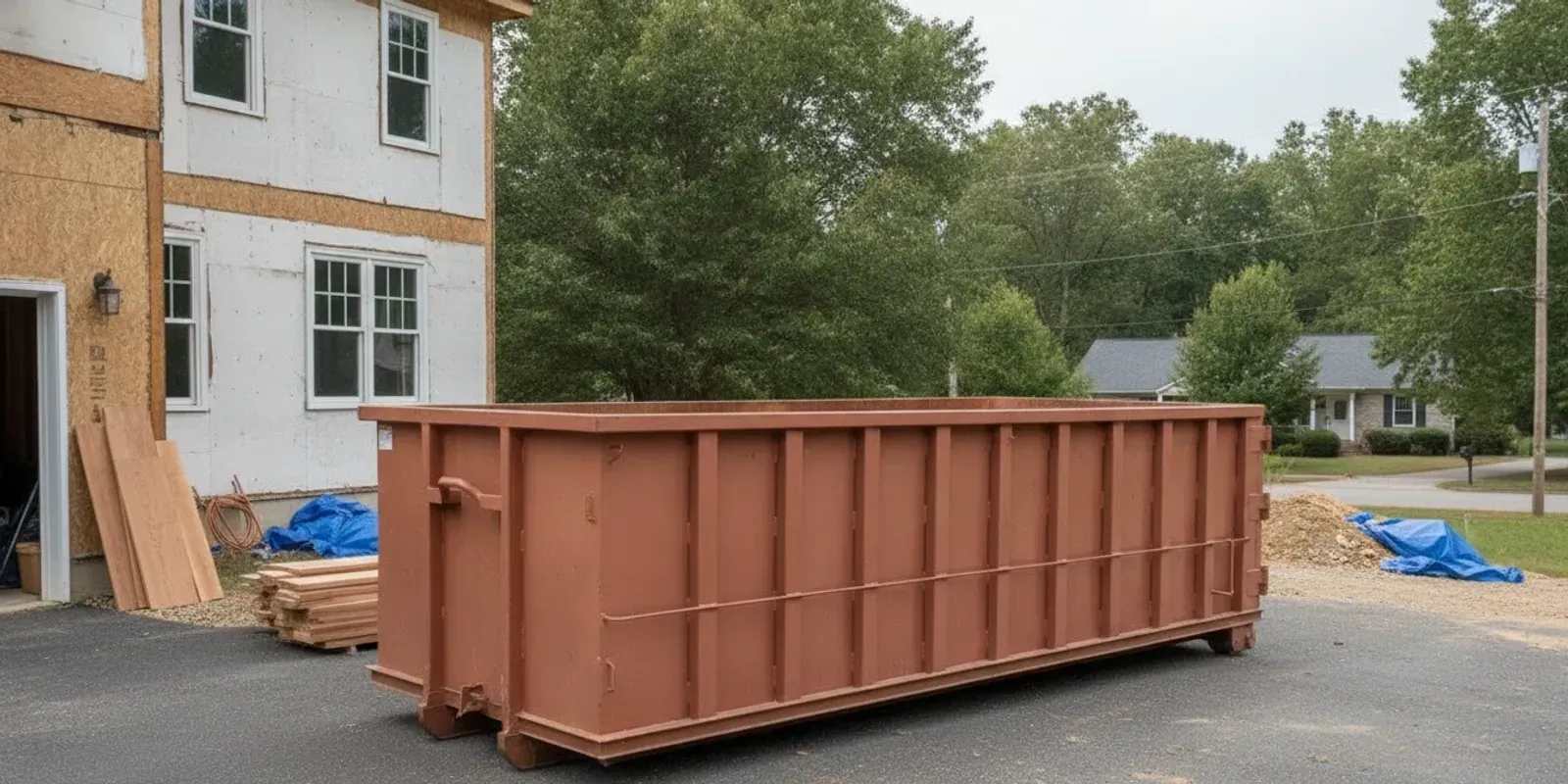
Dumpster Rental vs. Landfill: Which Is Better for Your Project?
Compare dumpster rental with landfill trips by time, loading, transport, and scheduling to choose a practical waste plan for your home project.
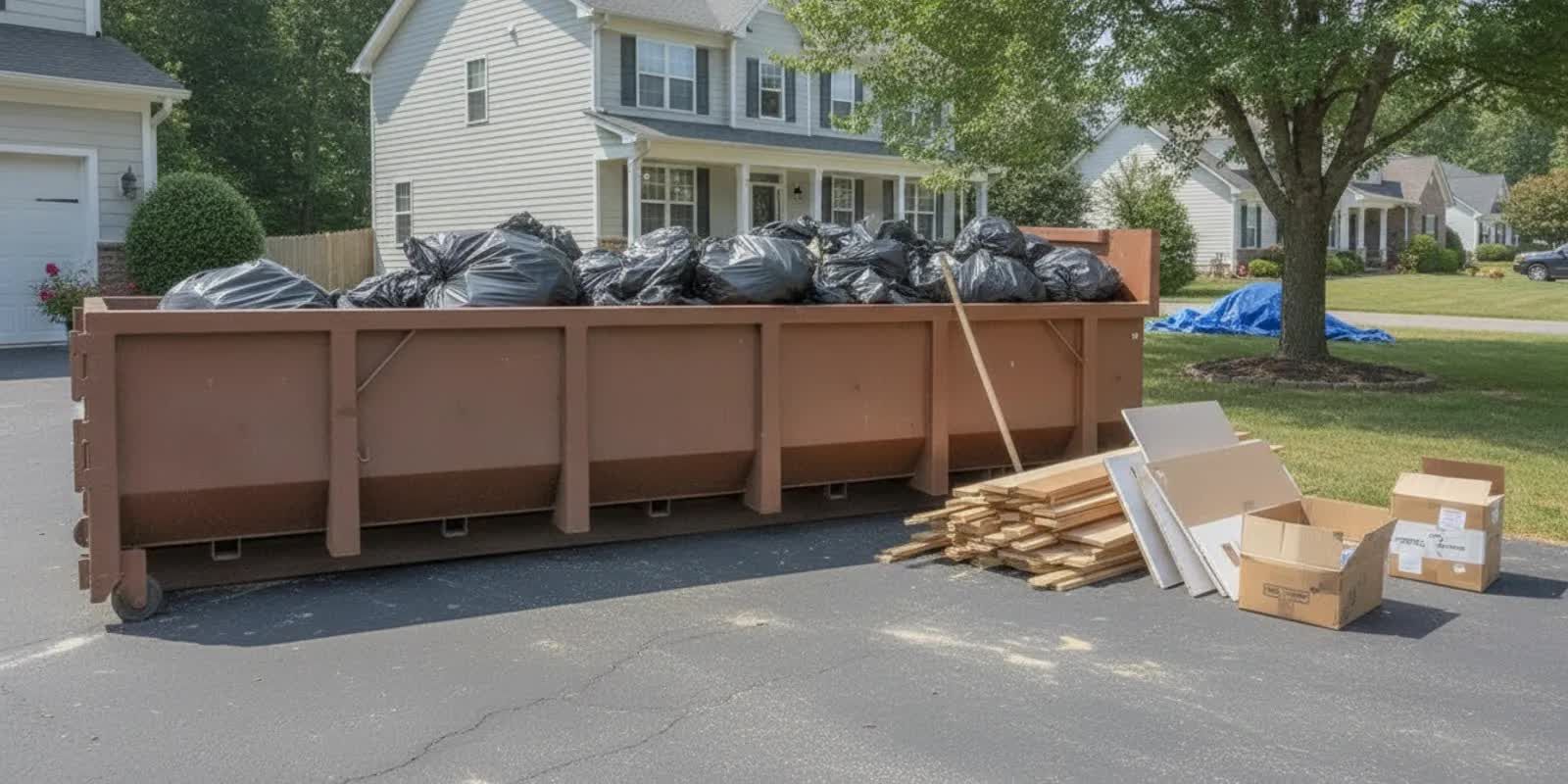
When planning a home project, dumpster rental vs landfill trips is a choice about more than where debris ends up. It affects how often you stop work to load and drive, who handles transportation, and how waste is managed as the project unfolds. For renovations, moves, yard work, and small construction projects in Rutherford County, compare the whole workflow before deciding.
Request a 15-yard rental estimate
What is the practical difference between renting a dumpster and making landfill trips?
With a dumpster rental, a container is delivered to an agreed placement area, you load it during the rental period, and the provider removes it. With self-hauling, you gather debris, load a vehicle or trailer, drive to a landfill or transfer station, unload, and repeat as needed. The rental puts a collection point at the project site; self-hauling puts transportation and every disposal run into your schedule.
Neither option is automatically best for every job. A few bulky items may fit into a vehicle, while a renovation that produces debris over several days may make repeated trips inconvenient. The useful comparison includes the available vehicle, helpers, time, material rules, site access, and how steadily the work will generate waste.
How much time can each option take?
Self-hauling requires more than driving time. You may need to sort and secure the load, travel to the facility, follow its procedures, unload, and return before work can continue. If debris appears in stages, this cycle may happen more than once. Think in complete rounds rather than looking only at mileage.
For example, imagine a bathroom renovation where old fixtures and demolition debris are ready one day, and flooring or packaging arrives later. If you load a vehicle after each phase, disposal can interrupt the work repeatedly. A site container lets you place debris in one planned location as the job progresses. It does not eliminate loading or remove the need to work safely, but it can change when disposal takes time: instead of several trips during the job, you load throughout the agreed rental period.
A single-load garage cleanout is different. If everything is sorted, fits safely in a suitable vehicle, and can be taken to a facility in one run, making that trip may be a direct plan. The rental may add coordination that a small, ready-to-go load does not need.
- One small, ready load: A self-haul trip can be straightforward if your vehicle is suitable and you have checked the destination's rules.
- Debris generated over multiple days: A rental gives the project a place to collect material instead of leaving separate piles while waiting for another run.
- Several trips likely: Add the time for loading, driving, unloading, and returning on every run, not just the first one.
For a project with a fixed work window, ask what else competes for the same hours. A vehicle may be needed by another household member. A helper may only be available on weekends. A trip might mean pausing a contractor's work or delaying the next room. Those are scheduling effects even when they do not appear as a separate bill.
Who does the loading and transportation?
Both plans usually require you to move debris from the work area. With a rental, the customer loads the container; delivery and removal are arranged through the provider. With self-hauling, you load the vehicle, secure the material for travel, drive it, and unload at the facility. When comparing labor, count each handling stage rather than assuming a rental includes a crew to carry debris away.
Map the path from the work area to the disposal point. Renovation materials may need to pass through a home and out to the driveway. Yard debris may need gathering and cutting to fit the chosen transport method. A conveniently placed container may shorten the carry. A vehicle trip may involve repeated loading and unloading, or require keeping debris staged until there is enough for a full run.
Consider the material, not just the volume. Cabinet pieces, broken tile, branches, and bulky household contents can be awkward in different ways. Think through where each item will be picked up, whether it can be lifted safely, and whether you have help for heavy or long pieces. Do not take on a lift beyond your ability just to avoid arranging a container.
For either approach, secure loads appropriately and check accepted-material rules before loading. A landfill, transfer station, and dumpster provider may have different requirements. If a project includes unusual or regulated items, ask the specific destination or provider what to do rather than assuming the material can go with ordinary renovation debris.
How do the transportation demands compare?
Self-hauling requires an appropriate vehicle or trailer, enough capacity for the load, and a safe way to secure it. Payload and load stability matter as much as the empty space in a vehicle. If one load cannot hold everything, the trip count grows. A rental shifts container transportation to the provider, but delivery and pickup depend on access to the placement area.
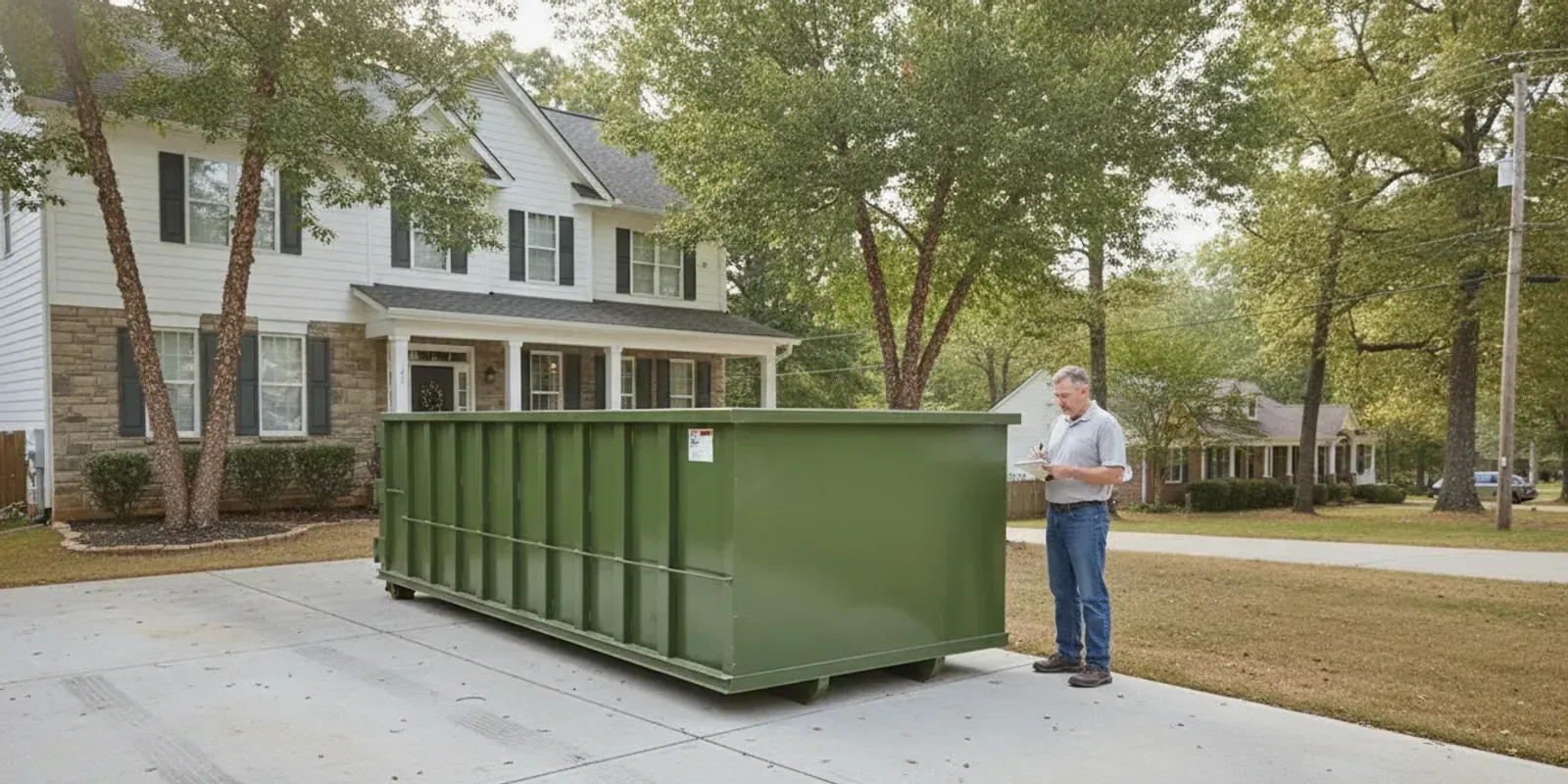
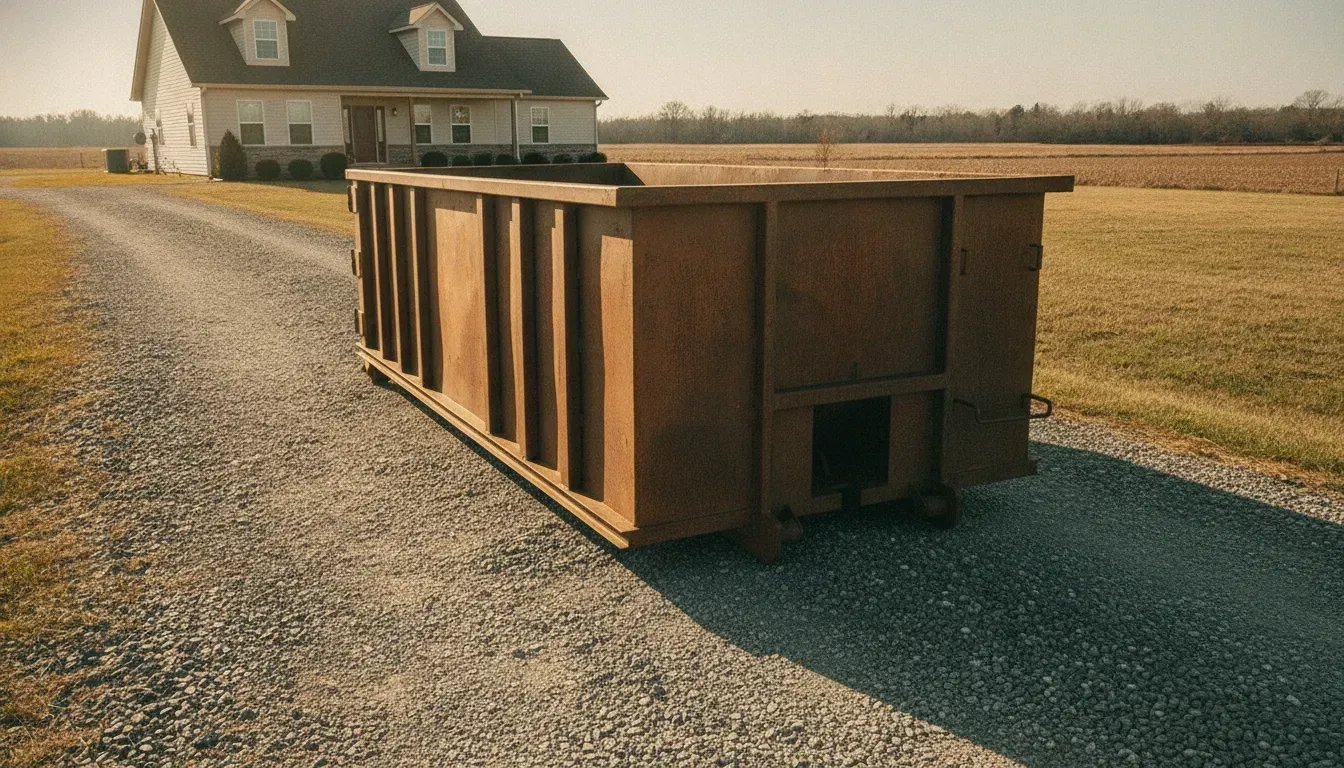
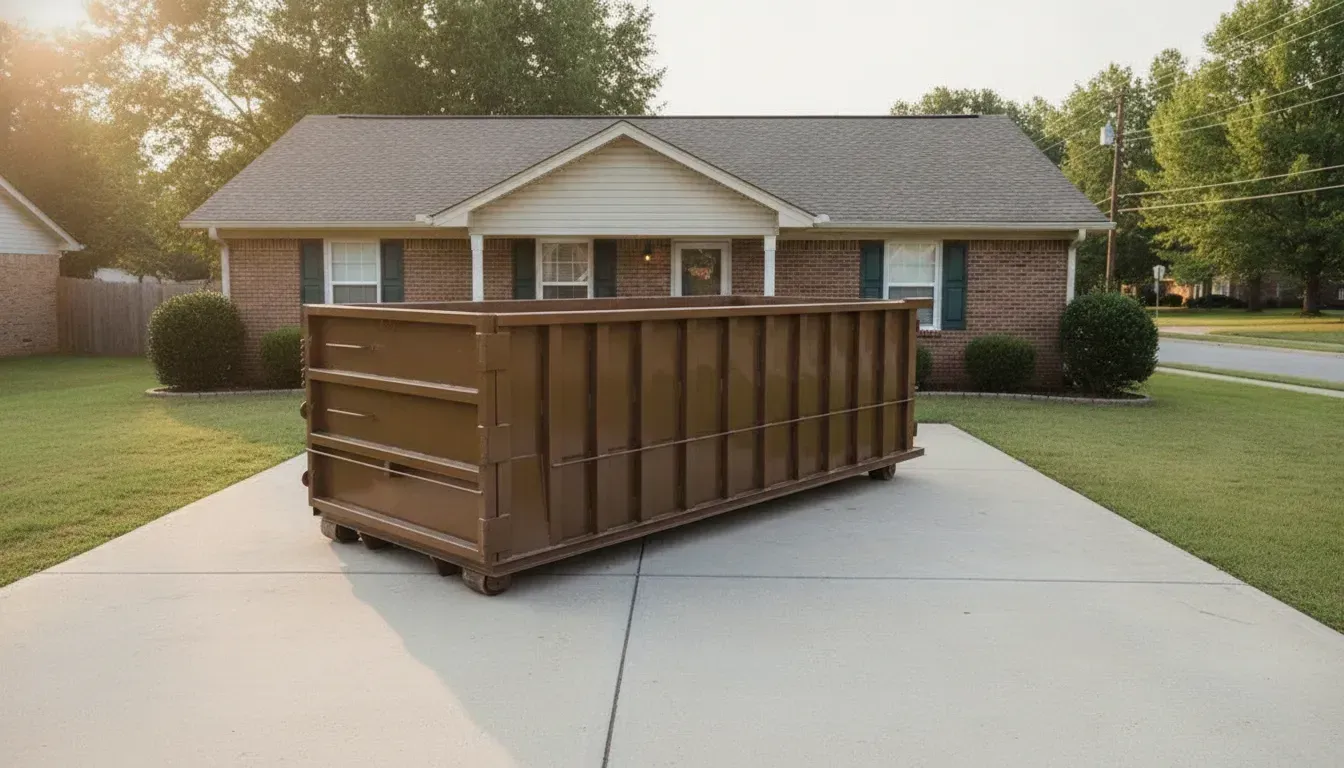
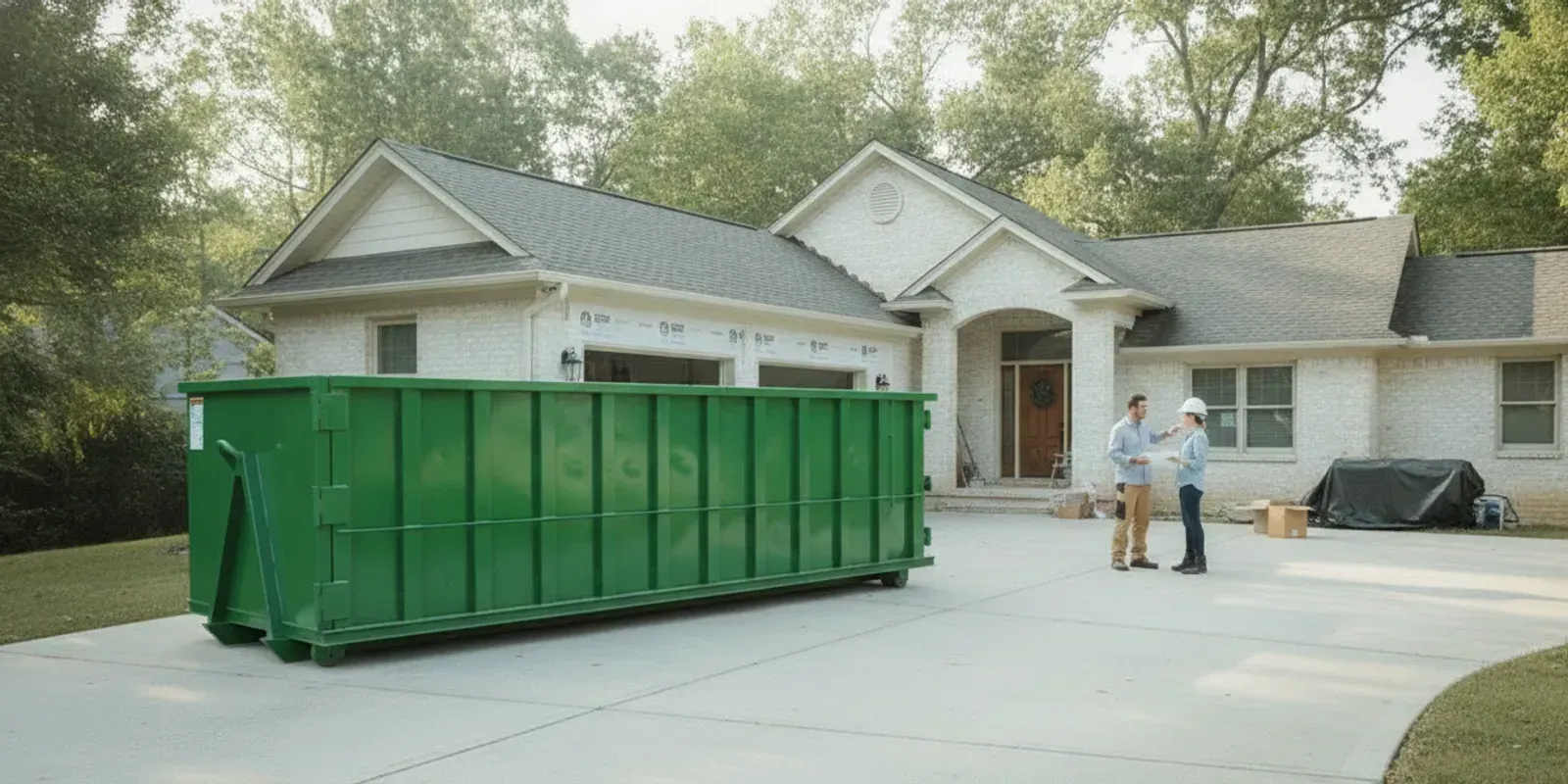
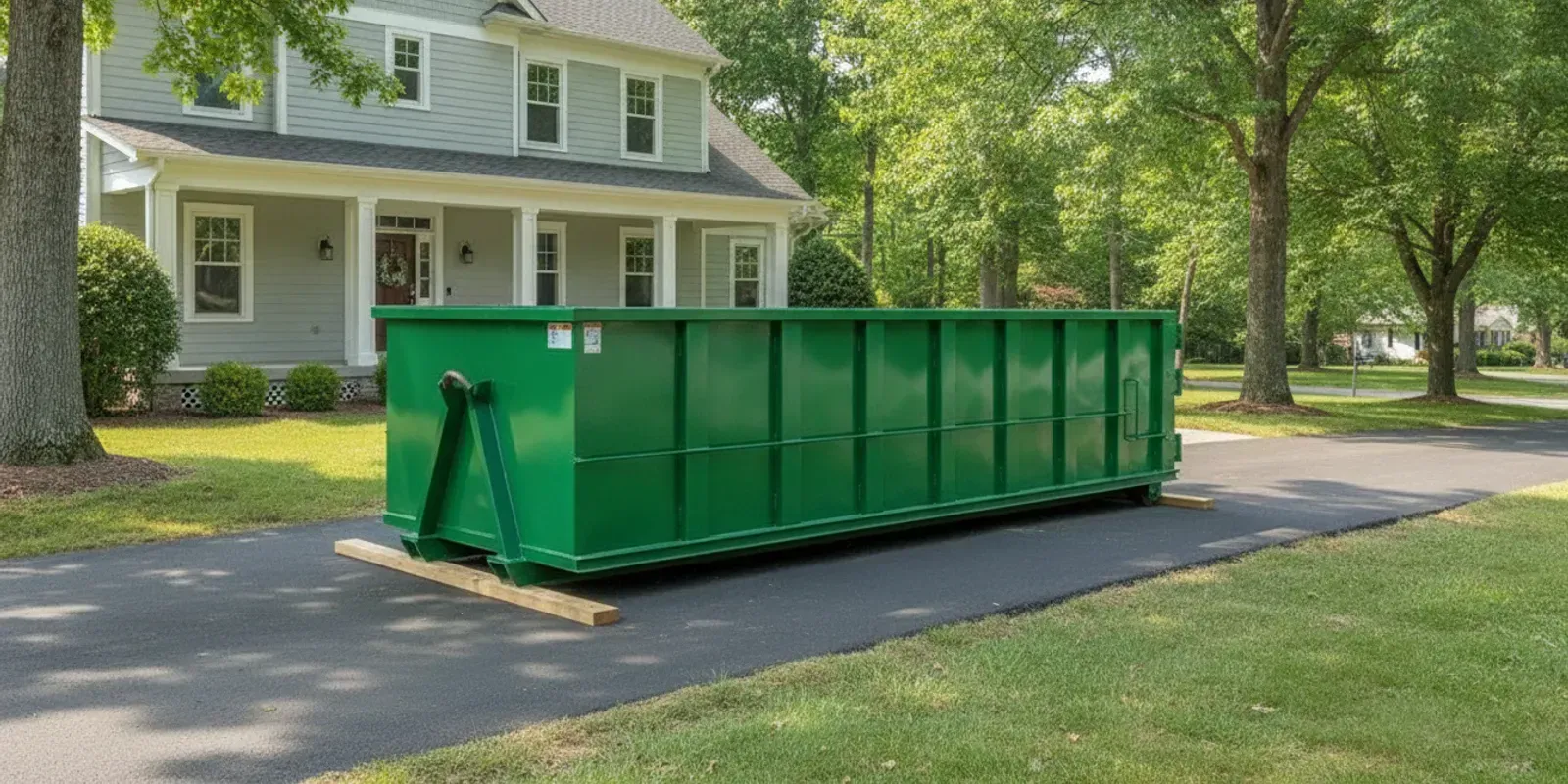
Before arranging a rental, inspect the delivery path. Consider driveway width, overhead clearance, turning room, parked cars, and the intended container location. A roll-off truck needs enough space to place and remove the container. Keep vehicles and project materials out of that path. If the only practical location may involve a street, public right-of-way, or HOA-controlled area, check the relevant local and property rules for that address before assuming permission.
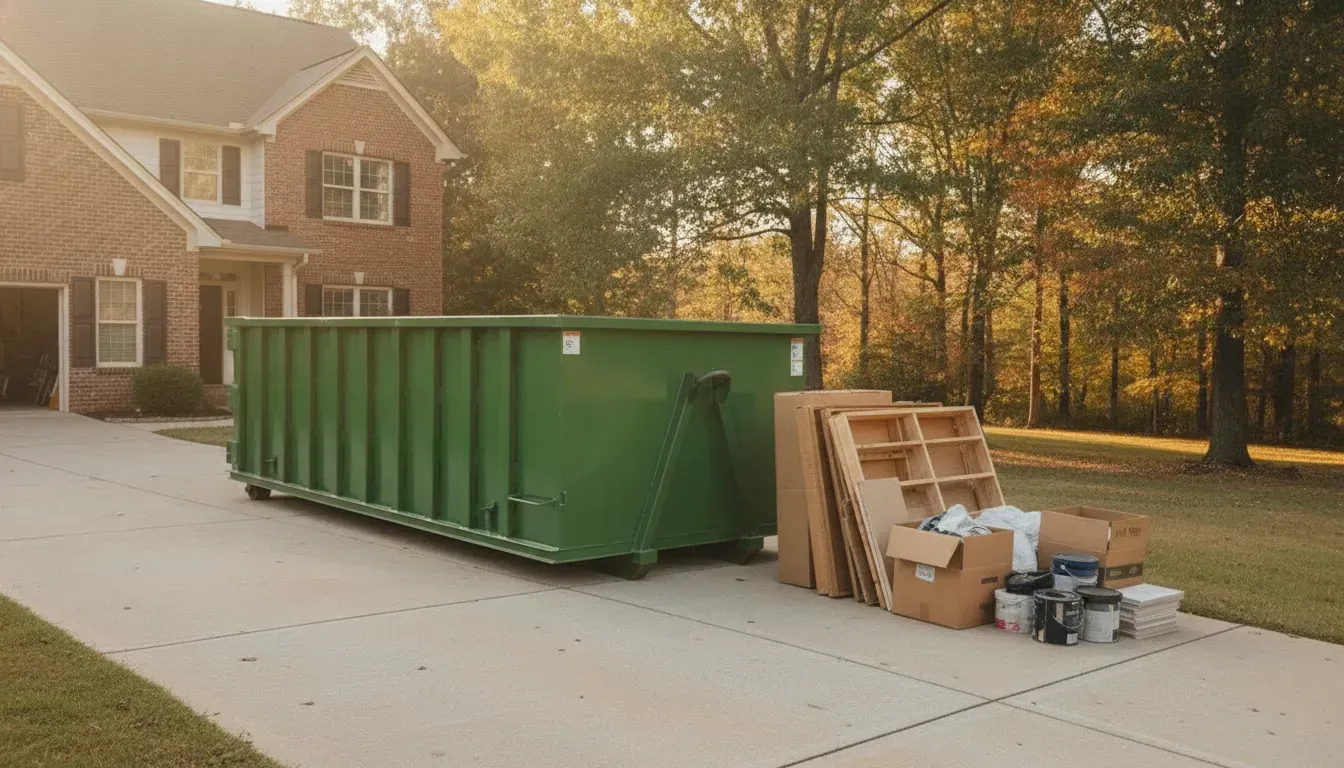
Rapid Removal Dumpster is a family-owned local company based in Murfreesboro and serves Rutherford County and surrounding areas. Its customer-loaded 15-yard roll-off is intended for renovation, cleanout, and small construction projects. Placement is assessed for the site; protection planks may be provided when necessary, but no placement method should be treated as a guarantee against surface damage. Explain the proposed location and access conditions when requesting an estimate.
Also plan where debris will sit before loading starts. Keep the walking route clear, avoid blocking doors or vehicle access, and place material so it can be loaded without repeated rearranging. If you are using a vehicle, identify a safe staging area that does not create a trip hazard or obstruct neighbors. If you are using a rental, plan the loading area around the container and keep the truck's access path open until delivery and removal are complete.
How does scheduling affect the choice?
Landfill or transfer-station trips require you to fit travel and unloading into the facility's operating schedule. Check the location, hours, accepted materials, procedures, and any charges directly before you go. Details vary by facility. A trip planned for a day when the destination is closed or the material is not accepted can mean storing the load longer or finding another option.
A rental requires coordinating delivery and removal around your project and the provider's availability. A container can help when debris appears over time, but you need a planned placement area and a rental period that matches the work. If weather, contractor timing, or a move date could change the schedule, ask what flexibility is available before arranging service.
Rapid Removal Dumpster advertises same-day service options, but availability is not universal or guaranteed. Its request form indicates follow-up by the next business day; for urgent timing, call (615) 318-5102 to ask about current options. Treat an advertised option as a question to confirm for your address and date, not as a confirmed delivery slot.
Try matching the disposal plan to the project's sequence. For a one-day cleanout, a rental period that extends beyond the work can be unnecessary, while a facility trip that cannot happen until late afternoon may leave debris in the way. A phased remodel may benefit from collecting material across several workdays, provided the rental period and pickup plan are clear. Write down the start date, likely finish date, and any days when access to the driveway or work area will be restricted.
What should you compare besides the visible price?
A self-haul plan may involve fuel, vehicle use, equipment or trailer access, time, and possible facility charges. A rental has published package prices and service terms to verify. Compare both options using the same project assumptions: debris amount, material type, number of disposal trips, rental duration, delivery area, and any additional terms. Do not compare a rental price with only the fuel cost of a self-haul plan.
Rapid Removal lists $349 for one day, $375 for three days, and $399 for seven days, with no delivery fee advertised. These are published package prices, not confirmed all-in totals for every address and project. Ask what is included and whether any conditions apply. Do not assume that an advertised no-delivery-fee statement confirms every possible project cost. You can review published rental information and request a job-specific estimate.
To make the comparison concrete, write two columns for your job. In the self-haul column, note the likely number of loads, facility charge to verify, fuel, vehicle availability, and time away from work. In the rental column, note the package duration that seems to fit, placement constraints, and the terms that still need confirmation. Do not put an estimated value on your own time if that feels artificial; even a simple count of work hours lost to trips can show the tradeoff.
Which projects are better suited to a rental?
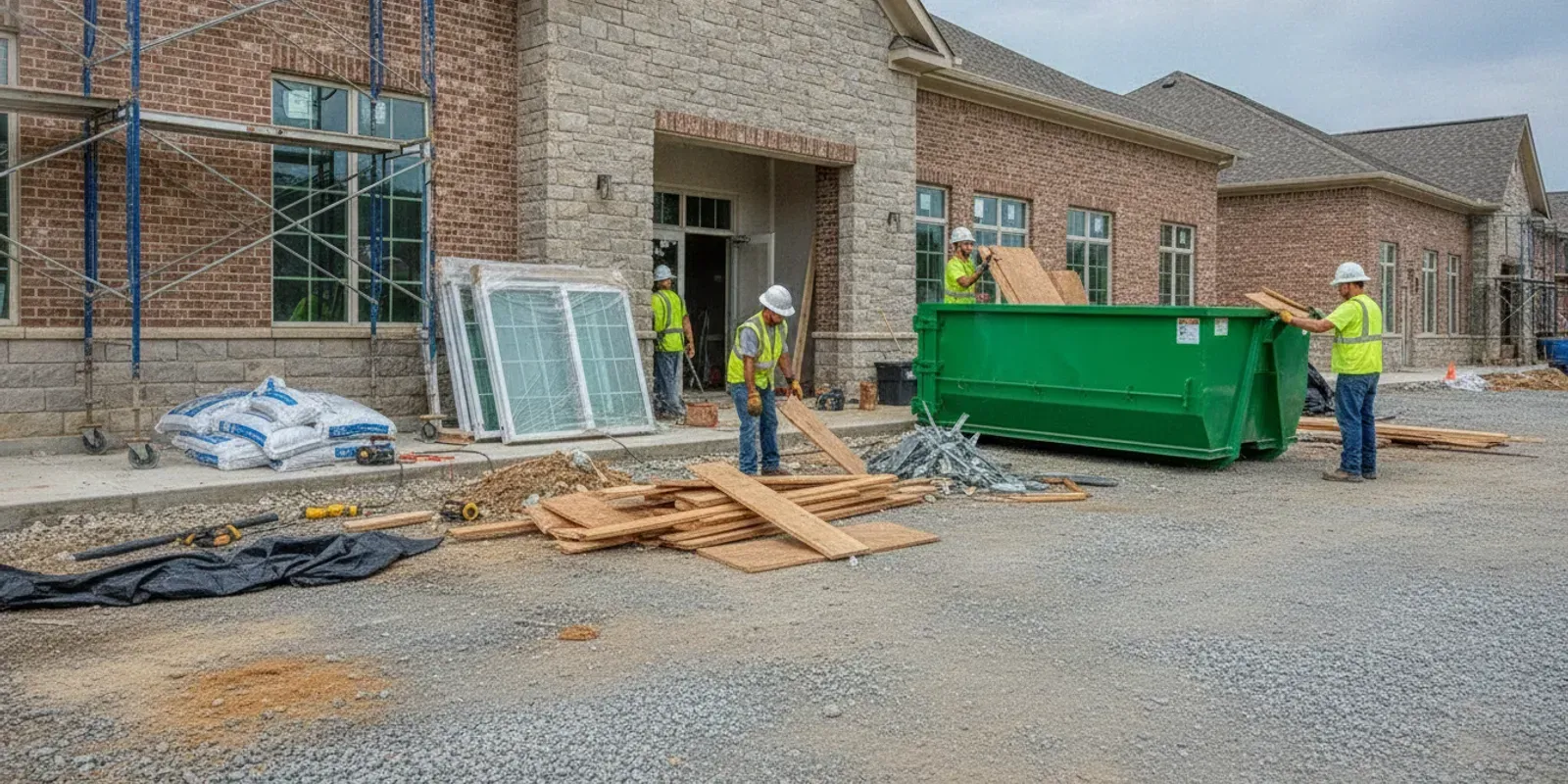
A rental is worth considering when debris will accumulate over several days, when you expect multiple vehicle loads, or when you would rather keep waste close to the work area until the job is ready for pickup. Examples include a kitchen or bathroom renovation, a garage cleanout, a move-related clear-out, landscaping, or a small deck project. The amount and type of debris still matter; review container dimensions and loading expectations before choosing.
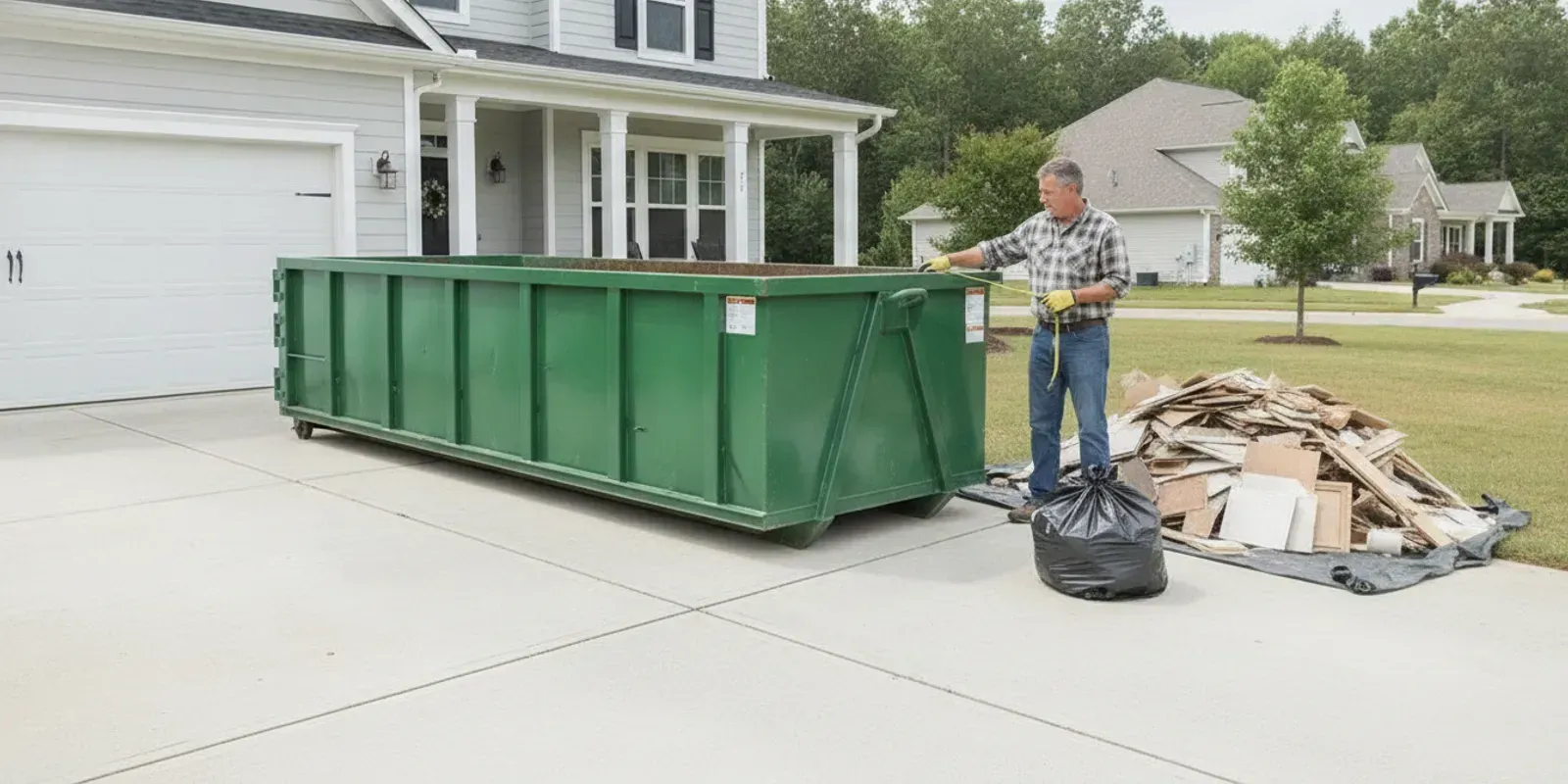
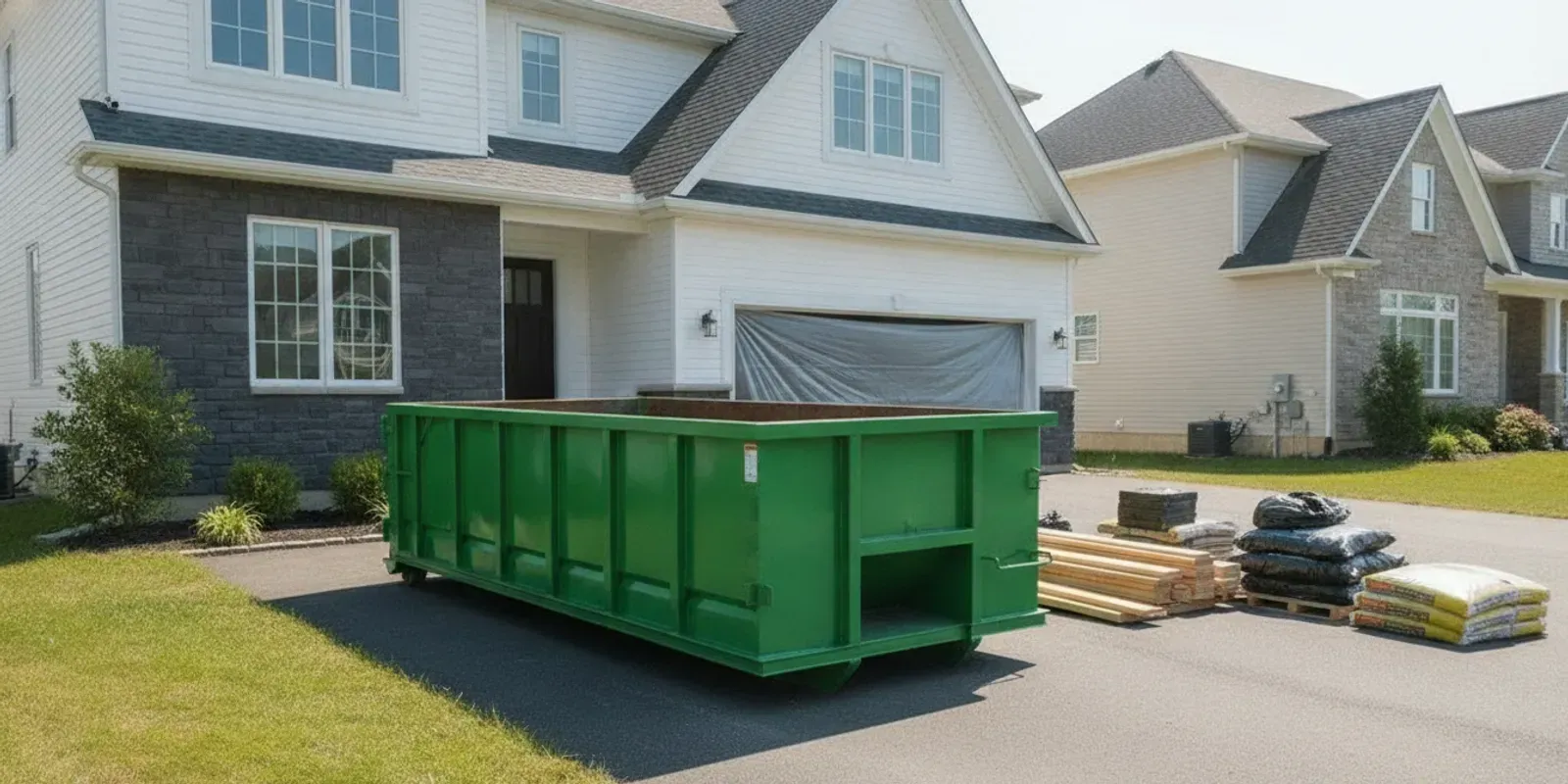
Rapid Removal's 15-yard container measures 5 feet high by 14 feet long by 7.5 feet wide, according to its service information. Dimensions help with placement planning, but do not by themselves establish how much a particular mix of material will fit or whether it is accepted. Consult the roll-off dumpster rental details and dumpster size guide for more planning context, then describe your specific material when asking questions.
Consider a move-out cleanout. Boxes, worn furniture, and small repair debris may appear over multiple days as rooms are emptied and the home is prepared. A central collection point can make it easier to keep the work area organized, but check that the site has a suitable place for the container and that the rental timing fits the move. If everything is already gathered into one safe load and the facility accepts it, self-hauling may instead be the simpler route.
A landscaping project presents another pattern. Branches, soil, edging, and other materials can differ in weight and acceptance rules. Rather than assuming every kind of yard waste can go into one destination, list what the job will produce and ask about it. For a small project, a single vehicle run may work; for ongoing work with several collection days, an on-site container may keep the site neater, subject to the provider's material rules and access assessment.
A rental may be less convenient if the site has no workable placement area, if debris is already contained in one manageable load, or if the project ends before delivery can be arranged. Consider whether material can be moved safely to the container and whether neighbors or property rules affect placement. The company describes Rutherford County and surrounding areas as its service focus; an address outside the clearly stated county should be confirmed directly rather than assumed eligible.
When can self-hauling be the simpler plan?
A single manageable load can make self-hauling practical when you have a suitable vehicle, time to make the trip, and a facility that accepts the material. It may also fit when debris is ready for disposal immediately and you do not need a container at the site over several days. Before loading, confirm the facility's hours, material policies, unloading process, and costs.
Self-hauling can become less attractive when the load requires repeated trips, heavy lifting, borrowed equipment, or a long interruption to the workday. A vehicle's capacity is not the only constraint; payload, safe tie-down, and access matter too. If the material cannot be transported safely, do not force the plan simply to avoid arranging a rental.
Think about the final load as well as the first. A cleanout often creates unexpected items once closets, cabinets, or a shed are emptied. If your plan depends on one trip, decide what happens if the vehicle fills before the project is finished. You might pause work, make another run, or arrange a different disposal plan. A little contingency planning is more useful than assuming the first estimate of volume will be exact.
How can you make a fair comparison for your project?
Use a short checklist before committing:
- List the debris likely to be generated, separating material types that may have different acceptance rules.
- Estimate the number of self-haul loads, including loading, travel, unloading, and return time for each run.
- Check whether you have a suitable vehicle, helper, tie-downs, and time for every trip.
- For a rental, measure the placement area and check truck access, overhead clearance, and property restrictions.
- Compare likely rental duration and published package information with facility charges, fuel, and vehicle use.
- Confirm delivery and removal timing, service availability, accepted materials, and project-specific terms directly.
Here is a simple worked comparison without assuming a particular landfill fee. Suppose a garage cleanout produces one load that fits in a suitable vehicle. The self-haul plan has one loading session, one round trip, and one unloading session; verify the facility's cost and schedule. Now suppose the cleanout expands into a garage plus attic project over three days and produces several loads. Recalculate each trip, include the days the vehicle is needed, and compare that with the published rental duration closest to the work window. The second case may make the container more convenient, but only if its placement and terms work for the address.
Do not treat this as a formula that produces a universal winner. A household with a trailer already available and a nearby facility may find trips manageable. Someone without a suitable vehicle may value avoiding transportation more highly. A narrow driveway or restricted placement location may favor another plan. The point is to write down the actual constraints, then compare complete workflows rather than labels.
What planning mistakes can make either choice harder?
One common mistake is to count only the container or facility charge. A low visible number can omit the time and logistics required to use that option. Another is to estimate the debris volume without considering how it will be loaded, what items are acceptable, and whether the material is bulky or heavy. Clarify these questions before moving debris into a vehicle or container.
Another avoidable problem is leaving transportation until the work is underway. Before demolition or cleanout begins, identify the disposal destination or request a rental estimate, check relevant schedules, and decide where the debris will sit. If more than one person is working, agree on how to keep walkways and access routes clear. This prevents a pile from blocking the next task or making a last-minute vehicle run necessary.
For a rental, do not assume that a preferred spot is suitable simply because a car fits there. Delivery and pickup require truck access, and local rules or property agreements may apply to placement. For self-hauling, do not assume that a facility accepts every material or that an unsecured load is safe. Verify the details that belong to your chosen method before committing.
When is a roll-off dumpster rental a straightforward choice?
A 15-yard rental can be a straightforward option when a home project will create debris over time, a suitable placement location is available, and a customer-loaded container suits the household's plan. It is a temporary collection point, not a promise that every material is accepted or that loading is included. Rapid Removal Dumpster focuses on customer-loaded 15-yard roll-offs for renovation, cleanout, and small construction projects in Rutherford County and surrounding areas.
For a Murfreesboro or Rutherford County job, the rental decision often comes down to whether keeping debris on site saves enough repeated handling and travel to justify coordinating a container. If one safe trip handles the job, self-hauling may be simpler. If waste builds up as work proceeds, a rental can help organize disposal. Confirm the actual service area, price terms, and schedule for your address.
What should you ask before arranging a rental?
Have your project address, preferred delivery date, estimated rental duration, debris description, and placement plan ready. Ask about access, loading expectations, accepted materials, the package price for your timing, and what the quoted amount includes. If you are concerned about a driveway or other surface, explain the surface and placement constraints. Protection planks may be used when necessary, but they are not a guarantee against damage.
Rapid Removal Dumpster offers service in English and Spanish. You can review common rental questions, learn about the local company, or use the service request form to share project details. The form indicates follow-up by the next business day; call the listed number for urgent questions about advertised same-day options. For addresses beyond the clearly stated Rutherford County focus, confirm service eligibility before planning around a delivery.
Ask about a 15-yard rental estimate
Frequently asked questions
Is renting a dumpster always cheaper than going to a landfill?
No. The better value depends on the amount of debris, number of trips, facility charges, fuel, vehicle needs, rental period, and your time. Compare the full costs and effort for the same project rather than one visible charge.
Do I still have to load a rented dumpster?
Yes. Rapid Removal's rental is customer-loaded. You place project debris in the container, while delivery and removal are arranged through the service.
Can I use a dumpster if the container would sit on a street?
Do not assume street or right-of-way placement is permitted. Check local requirements and any HOA or property rules for the specific address, then discuss the proposed placement with the provider.
How do I find out whether my address can receive service?
Contact the company with the complete address and project details. Rapid Removal describes service in Rutherford County and surrounding areas, but a nearby town or county should not be treated as confirmed coverage without checking.
Choosing between a dumpster rental and landfill trips is easier when you count all the work: loading, transportation, facility time, and schedule coordination. Confirm the rules and costs that apply to your project, then choose the plan that lets you handle debris safely and keep the work moving.
| Factor | Self-haul to a landfill or transfer station | 15-yard dumpster rental |
|---|---|---|
| Transportation | You arrange a suitable vehicle or trailer, secure each load, and make the trip. | The provider delivers and removes the container, subject to access and confirmed arrangements. |
| Loading | Load the vehicle and unload at the facility for each run. | You load the container at the project site; it is customer-loaded. |
| Time pattern | Time is spent on each loading, travel, and unloading cycle. | Debris can be gathered in one on-site container during the agreed rental period. |
| Scheduling | Plan around facility hours, rules, and your availability. | Coordinate delivery, placement, rental period, and removal with the provider. |
| Cost items | Check facility charges, fuel, vehicle use, equipment, and time. | Check the applicable package price, duration, project terms, and any conditions. |
| Best initial fit | A single manageable load and a suitable vehicle may make one trip practical. | Multiple loads or debris produced over several days may favor on-site collection. |