Roll-Off Dumpster vs. Front-Load Dumpster: Key Differences
Compare roll-off and front-load dumpsters by project fit, access, service schedule, and cost so you can choose a practical option for your home or jobsite.

If you are weighing a roll off dumpster vs front load dumpster for a renovation, cleanout, or small construction job, start with how the container will be used. A roll-off is typically delivered for a temporary project and loaded over a short period. A front-load dumpster is usually kept at a property for scheduled, ongoing waste service. The right fit depends on your debris, project timeline, pickup routine, and available space.
For a homeowner clearing a garage or remodeling a room, the practical question is not which style is universally better. It is which service pattern matches the work. Rapid Removal Dumpster offers a 15-yard roll-off rental for local projects. This guide explains what that means, how it differs from a front-load setup, and what to ask before arranging a container.
What is the main difference between roll-off and front-load dumpsters?
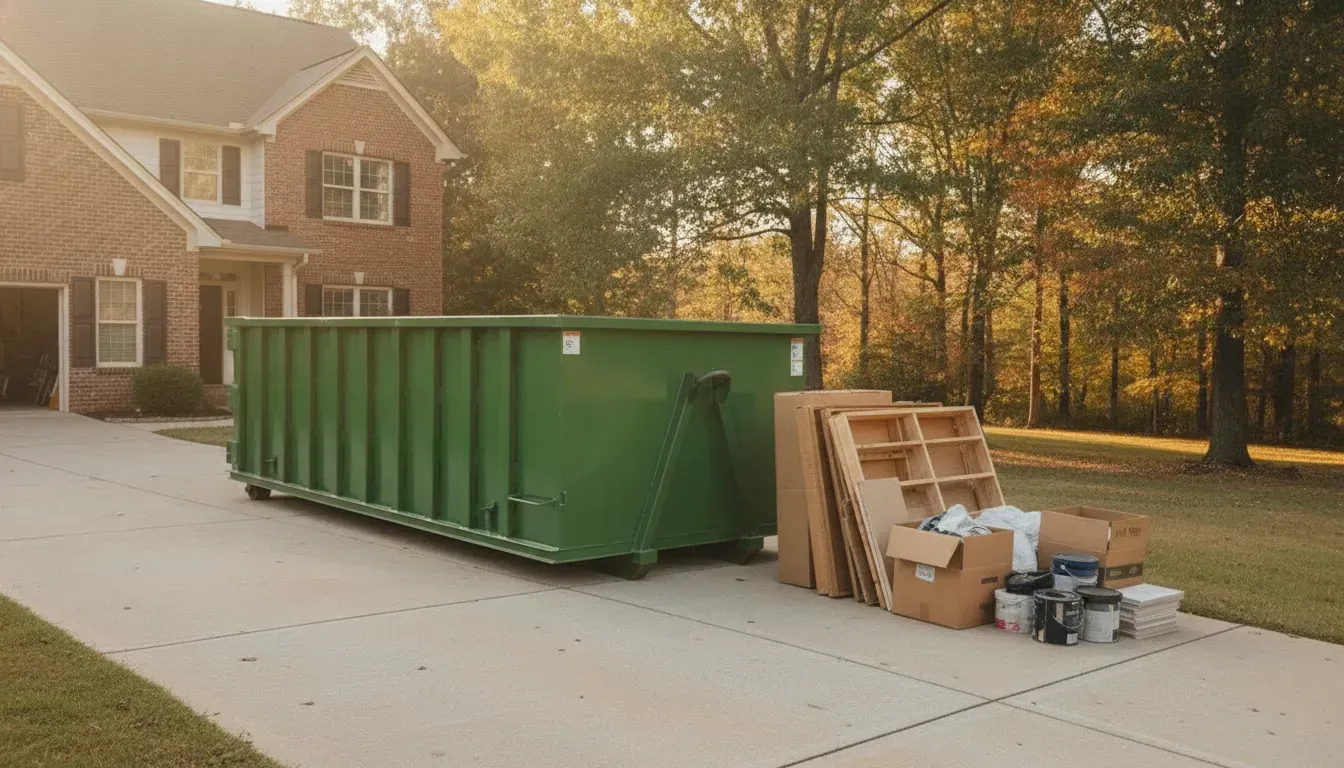
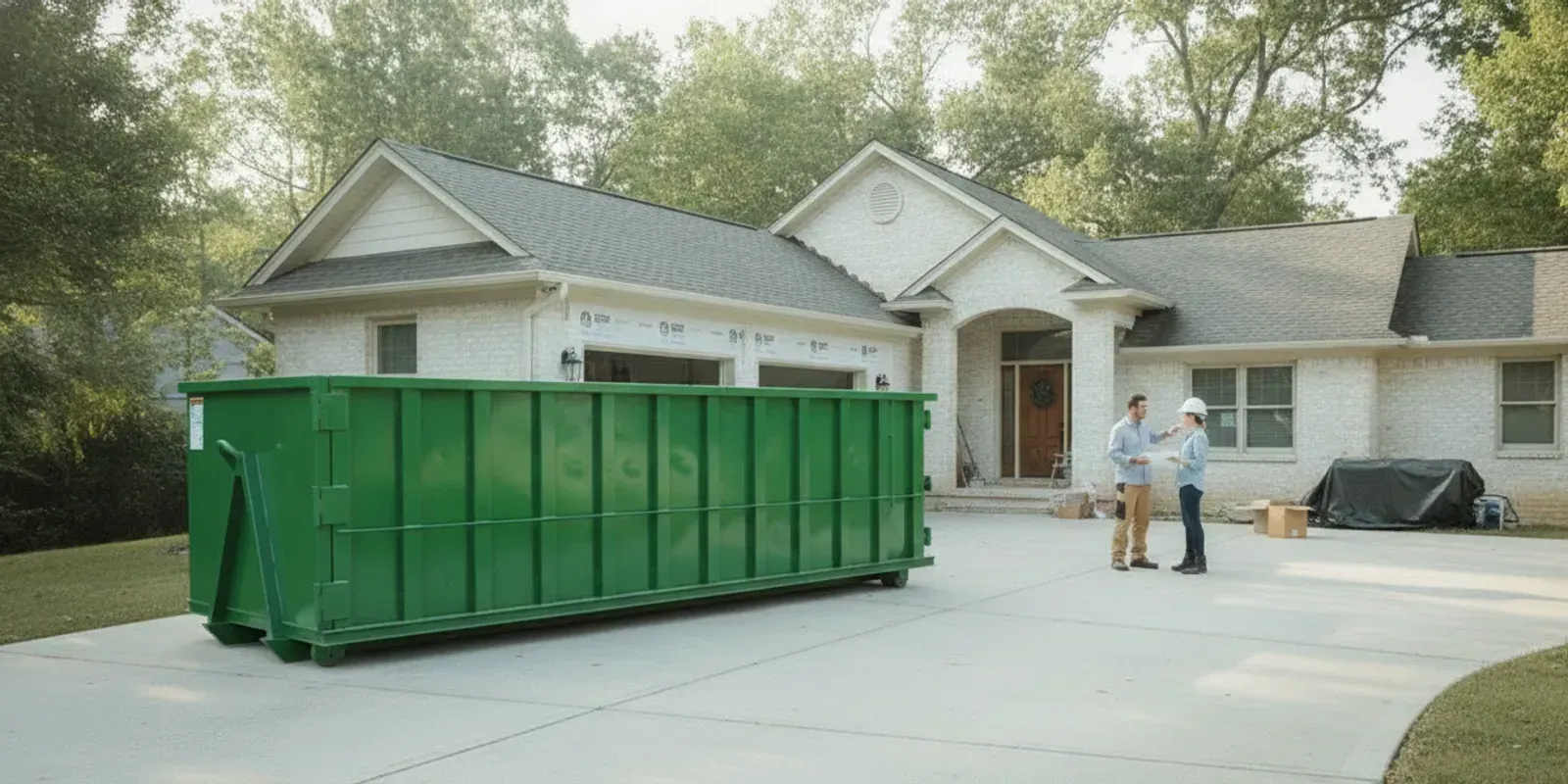
The clearest difference is how the container gets to the site and how the waste is collected. A roll-off truck brings an open-top container to a chosen location, leaves it there while the customer loads it, then returns to remove it. This setup works well when waste is generated in a concentrated burst, such as during a bathroom renovation or a move-out cleanout.
A front-load container is designed for repeated collection. A collection truck lifts the dumpster from the front and empties it into the truck. These containers are commonly used where waste is produced on a continuing schedule, such as at a business, apartment property, or other shared site. The hauler sets a service frequency, rather than leaving a temporary container for a single household project.
Those are general patterns, not rules that apply to every provider or site. Ask how long a container can remain, how collection is scheduled, and which truck needs access. In practice, the service arrangement is just as important as the container shape. Think about what you need to happen after the container is full. With a roll-off rental, the container is removed when the temporary job is finished. With a recurring front-load plan, regular collection is the point of the service; the property keeps using a container as part of its normal waste routine. If you are unsure which arrangement a provider means by a particular term, ask them to describe delivery, loading, emptying, and removal in order.
The terms also affect who manages the waste day to day. A household with a roll-off needs to decide when and how to load it, and keep the work area usable until removal. A property using a front-load dumpster needs a consistent place for residents or staff to deposit waste and a way to keep the collection area accessible. These details sound basic, but they help avoid choosing a container that does not fit the site's routines.
Roll-off vs. front-load at a glance
Use this comparison as a first screen. Confirm the details for your address and job before making a decision, since container sizes, service terms, and access requirements vary.
| Project consideration | Roll-off dumpster | Front-load dumpster |
|---|---|---|
| Typical use pattern | Temporary, focused cleanup or project | Recurring waste collection |
| Loading | Customer places debris through the open top | Waste is placed into a lidded container between scheduled collections |
| Service visit | Delivery, time to load, then removal | Truck visits on a recurring pickup schedule |
| Good fit to consider | Renovation, moving, yard cleanup, small construction | Ongoing waste at a business or multi-unit property |
| Planning focus | Container placement, rental window, debris and loading plan | Collection frequency, truck access and regular placement |
| Rapid Removal Dumpster option | Published 15-yard roll-off rental | No front-load service is established by the published offering |
If you are still estimating the volume, review this guide to choosing a dumpster size. It can help organize your estimate before you request a delivery.
When does a roll-off suit a home project?
A roll-off is worth considering when a project creates more debris than you want to manage through many small trips. A room remodel can produce packaging, old fixtures, and other material over several days. A garage cleanout can turn up bulky items in stages. A roll-off lets you bring the debris to one container as the work moves forward, instead of making disposal runs each time a pile is ready.
It can also be useful when the job has a clear beginning and end. You can plan the delivery around the work, load the container during the rental period, and arrange removal when the cleanup is complete. That temporary model is different from paying for a regularly serviced container that may not be needed after the project ends.
For homeowners, one benefit of a temporary container is having a central place for debris while the job is underway. That can reduce the temptation to leave piles across a garage, side yard, or shared driveway. It still takes a little planning: put the container where it is reachable, decide how items will be carried to it, and leave a safe path for people working around the home. If several people will load it, agree on what goes in and what should be set aside before work begins.
A defined project window also helps you make a realistic plan. List the tasks that produce waste, such as removing old cabinets, clearing stored items, or trimming landscape material. Consider whether those tasks can happen consecutively or whether you expect gaps. Then ask which rental duration matches the likely loading days. A schedule that looks simple on a calendar can shift when a delivery is late or a room takes longer to clear, so ask about the process for any timing change rather than assuming it is automatic.
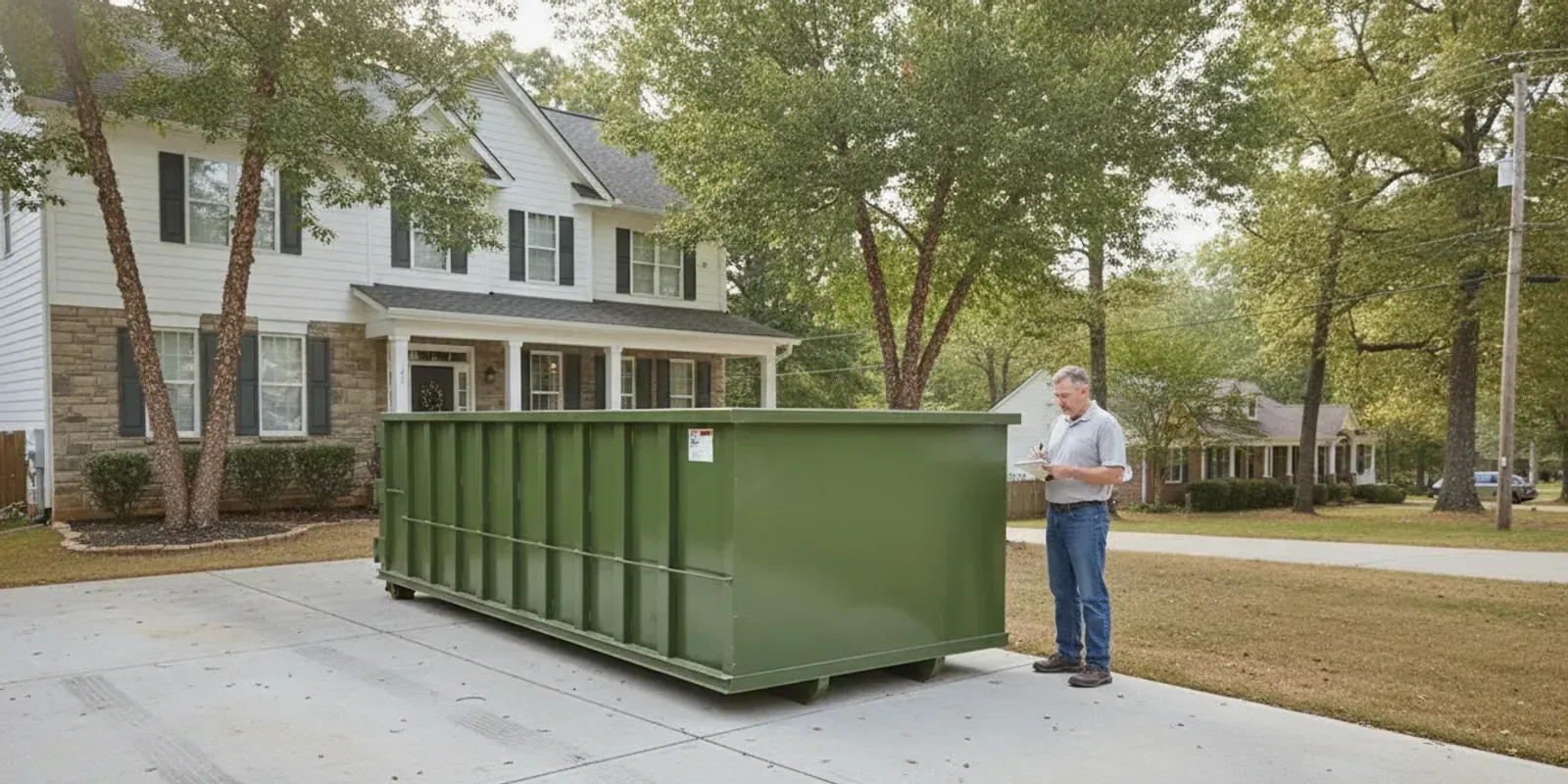
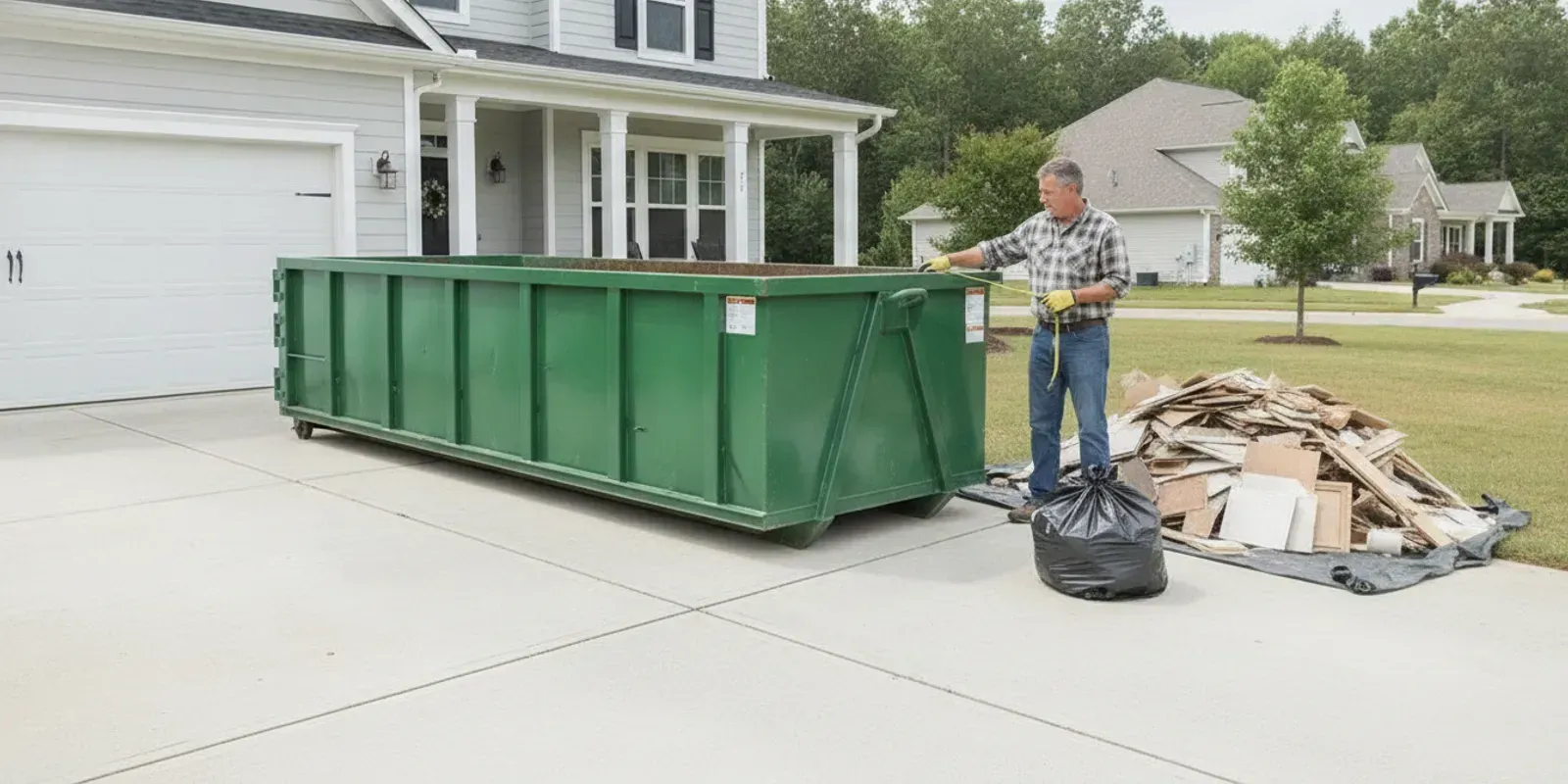
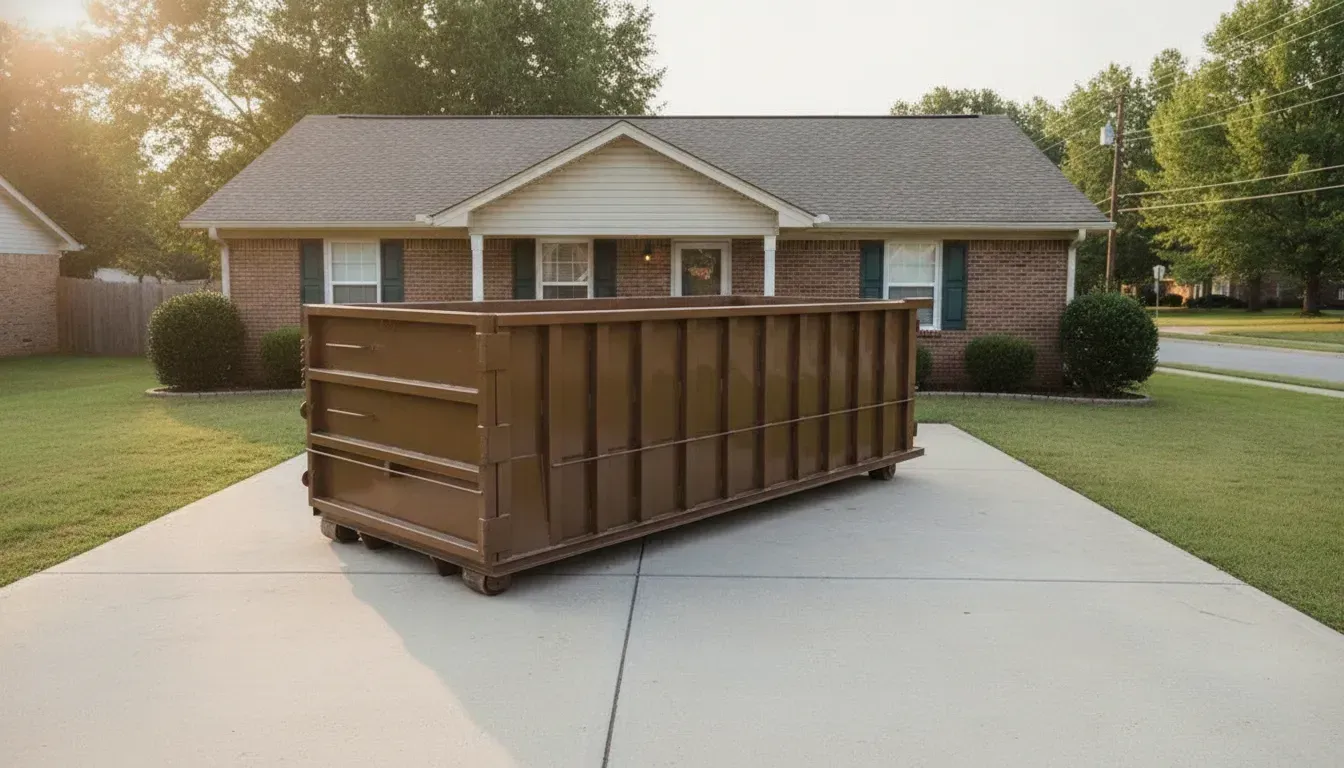
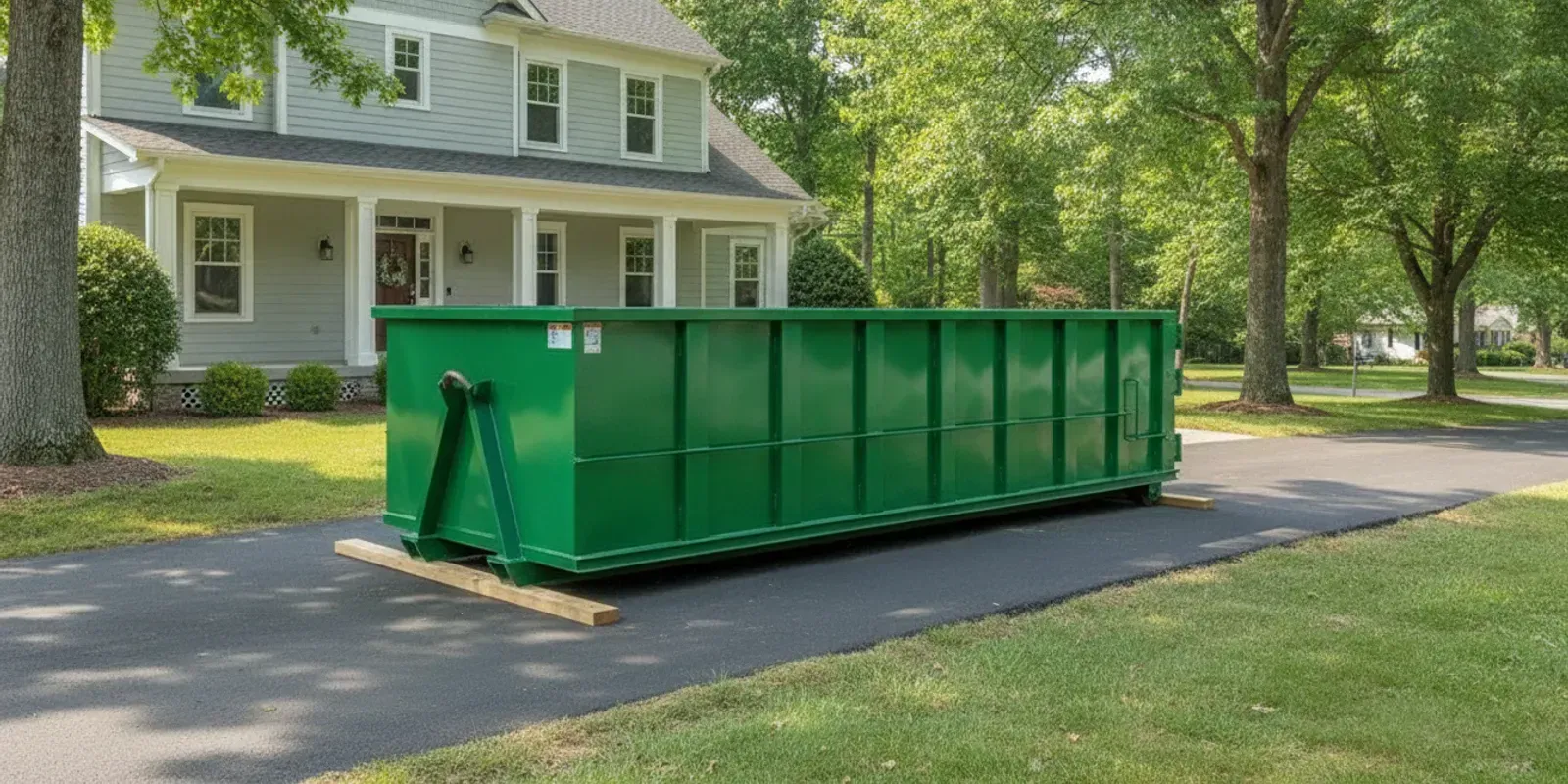
Rapid Removal Dumpster's published offering is a 15-yard roll-off. The company's service page describes a container footprint of about 5 feet high, 14 feet long, and 7.5 feet wide. Measure the intended placement area, and think about the route a delivery vehicle needs to reach it. The container's dimensions are only part of the space calculation: nearby vehicles, gates, branches, overhead wires, slopes, and room for the truck also matter.
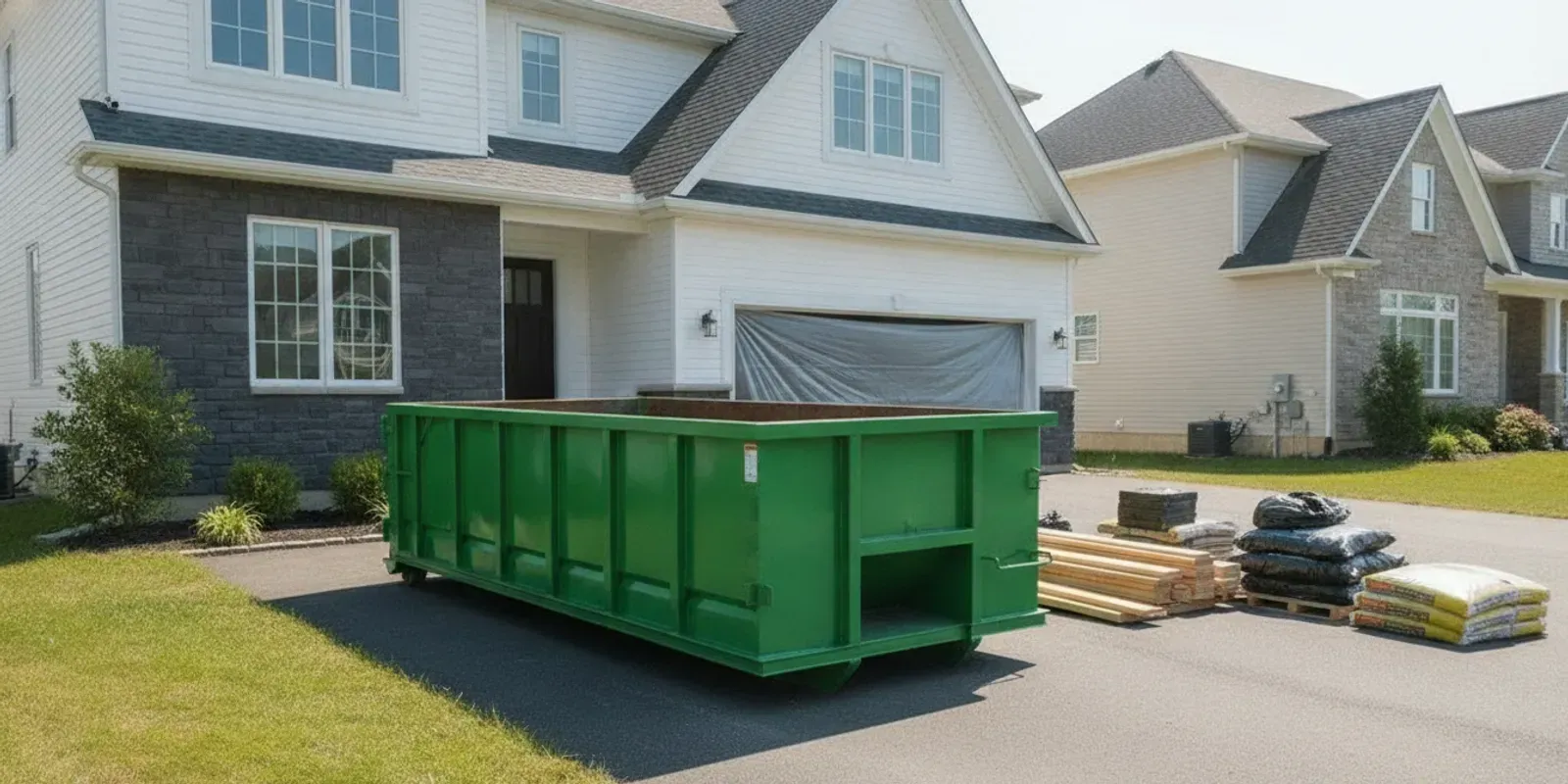
For a closer look at the delivery and placement process, see the driveway placement information. Placement should be discussed for your actual site. Protection planks may be provided when necessary, but no dumpster placement can be described as a guarantee against surface damage.
When is a front-load dumpster more practical?
A front-load arrangement can make more sense when waste is produced week after week rather than during one short project. Consider a small business that generates boxes and everyday refuse continuously. A regularly scheduled pickup can fit that routine better than ordering a temporary container each time waste accumulates.
It may also fit a property with a designated waste area and an ongoing collection plan. A front-load container is generally used with scheduled truck visits, so access to the enclosure or set location must remain available. The property manager needs to coordinate where the dumpster sits, how residents or staff use it, and whether parked vehicles or gates could block pickup.
That does not automatically make a front-load container the better choice for every commercial or multi-unit property. Waste volume, collection frequency, site layout, and the provider's service terms all matter. Likewise, a roll-off can be useful at a business during a renovation or one-time cleanout, even if a different arrangement handles regular waste. Choose by the specific job, not by a broad label like residential or commercial.
Before selecting recurring service, estimate how waste changes through the week. A small amount of daily refuse may be easy to manage until a busy period creates overflow. On the other hand, scheduling more frequent collections than the site needs may not be practical. Ask the service provider how to review frequency if usage changes, and confirm that the container location remains accessible to everyone who uses it. For shared properties, include the person responsible for maintenance or access in that conversation.
How do the loading methods change the work?
With a roll-off, you decide when to load during the rental window. That flexibility helps when a project proceeds room by room or when items need sorting before they are discarded. It also means the customer does the loading. Plan who will move the debris, how it will be carried, and where it will be staged before it goes into the container.
With a front-load dumpster, people usually put waste into the container between pickup visits. The collection crew empties it during scheduled service. The container is not normally a one-time project bin that stays for a short renovation and is removed on request in the same way a roll-off is. Ask the provider what the pickup schedule covers and what happens if waste builds up faster than expected.
In either case, do not assume every material is accepted. Before loading, describe the debris and ask the provider about its material rules, weight limits, and any items that need separate handling. Those conditions can affect the job plan, and they should be clear before the container arrives. Avoid filling beyond the container's safe loading level or placing items where they could spill during transport.
It helps to prepare a short list rather than asking only whether a dumpster takes “junk.” Separate the debris into broad groups, such as renovation material, household discards, yard debris, or heavy items. Note any item that seems unusual or may need special handling. Then ask the provider which of those categories can go in the container and whether anything must be kept out. This simple check can prevent a mid-project scramble to find another place for material that cannot be loaded.
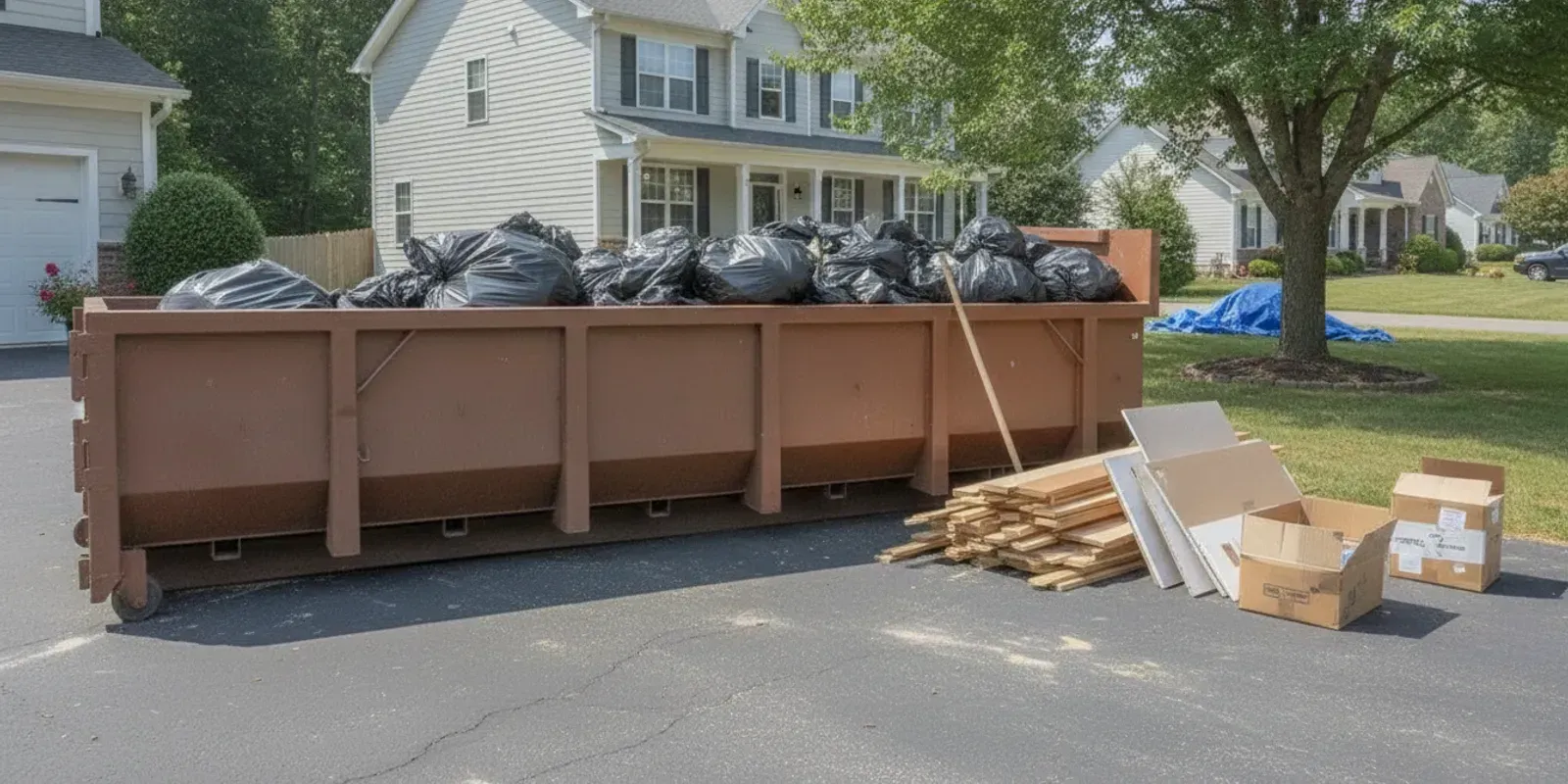
Loading order matters, too. Put heavier pieces in a stable position and distribute material rather than building one high mound in a corner. Keep the top within the provider's loading guidance and do not let debris extend beyond the container. A well-planned load is easier to manage and helps keep the container ready for transport. Ask the provider for any specific loading instructions that apply to the rental.
How should you compare access and placement?
Both types need a workable truck route, but the delivery and collection movements differ. A roll-off delivery requires room to position and set down the container. A front-load collection requires a clear approach for the truck to lift and empty the container. A cramped location can complicate either service, even if the dumpster itself appears to fit.
Before arranging service, walk the route from the street to the proposed spot. Check whether cars, landscaping, a narrow driveway, a gate, low branches, overhead lines, or a sharp turn may interfere. Take measurements where possible. If the property is shared, check that the delivery or pickup will not block a neighbor's access, a fire lane, or a common drive.
Do not measure only the parking space where the bin will sit. Think about the full path the truck must use and whether there is room to make the delivery movement. If you are uncertain, describe the driveway entrance, possible obstacles, and preferred spot when requesting service. A few clear details help the provider assess the location before dispatch. Remove parked cars or movable items from the route if the provider asks you to do so, and make sure the intended spot will still be open at the agreed time.
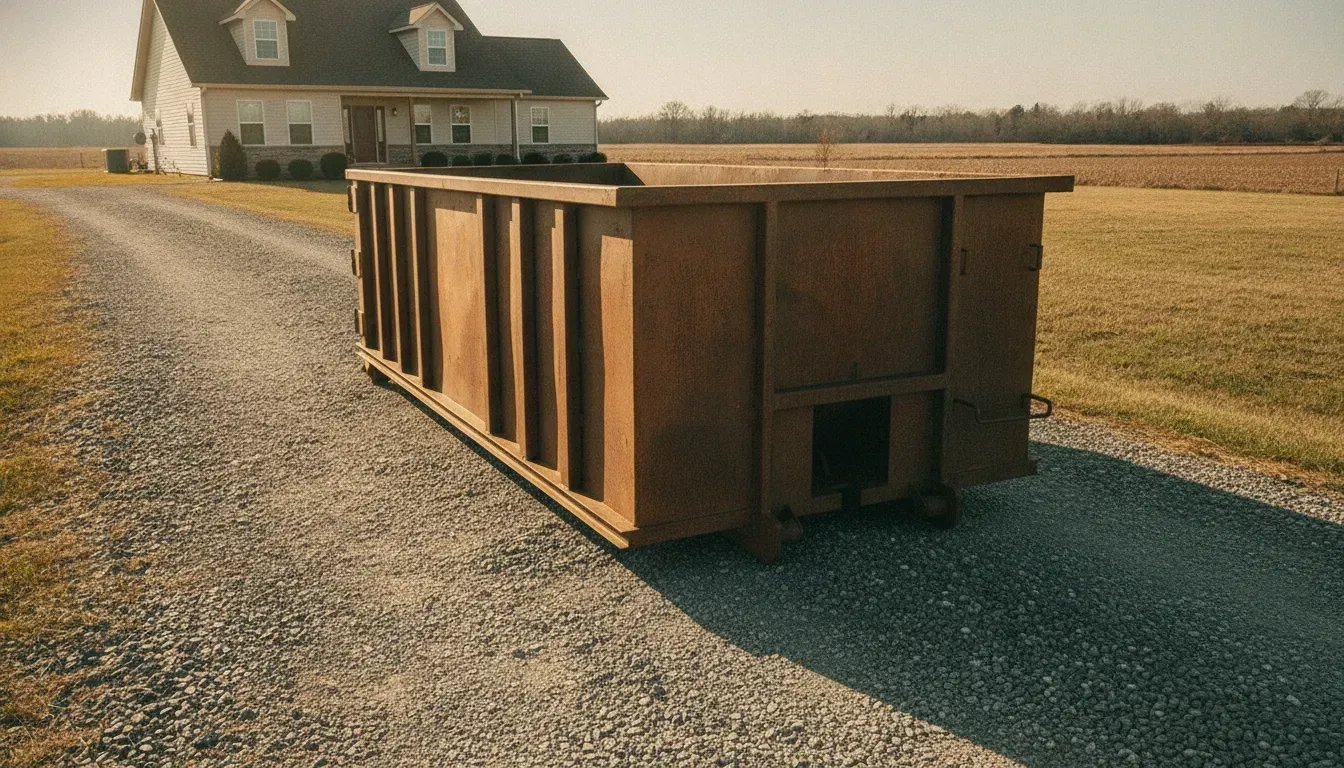
For a roll-off, also consider the surface. Tell the provider what kind of surface will hold the container and ask whether placement protection is appropriate. A provider may use planks when needed, but surface condition, load, and placement circumstances vary. Do not rely on a general statement as a promise that a driveway, pavers, lawn, or other surface cannot be affected.
If the home is in an HOA community, review its rules before scheduling. Some associations have requirements about placement, duration, screening, or advance approval. Get the approval process and time window in writing from the association, then share any relevant constraints with the rental provider. This HOA dumpster planning guide offers additional questions to consider.
How do rental periods and pickup schedules compare?
A temporary roll-off needs a start date and a plan for when the project should be ready for removal. The amount of time needed depends on the work. A small cleanout may move quickly, while a renovation can pause for deliveries, inspections, or labor. Estimate the loading days realistically, and ask the provider how the rental period and removal request work before confirming.
A front-load container is generally managed through a repeated service schedule. The operator and property decide how often collection should occur. If the volume changes, the pickup frequency or service arrangement may need to be reviewed. That can be a useful pattern for predictable, continuing waste, but it is a different planning question from selecting a short-term project window.
Rapid Removal Dumpster publishes these prices for its 15-yard rental: $349 for one day, $375 for three days, and $399 for seven days, with no delivery fees. These are the published rates for the specified durations; do not assume other sizes or rates. Ask for the details that apply to your project, including any terms relevant to debris, rental timing, and removal. For a fuller discussion of pricing questions, see the dumpster cost guide.
Which option fits common projects?
Bathroom or kitchen renovation
A renovation tends to generate debris over a defined stretch of work. A temporary roll-off may suit the job if the expected volume, available space, and rental period align. Before delivery, ask which materials are accepted and how to manage heavy items or bulky fixtures. If work is being done in phases, coordinate the schedule so the container is available when debris is produced.
Moving in or moving out
A move-out cleanout often creates a short burst of unwanted belongings, packaging, and household debris. A roll-off is one option if you will be loading over a few days and can keep the container on the property. Separate items for donation, reuse, or recycling before deciding what belongs in the dumpster. A front-load service is generally a poor match for a one-time household purge unless it is part of an existing ongoing waste arrangement.
To make the move-out plan manageable, work backward from the date the home must be empty. Decide when furniture and boxes will be removed, then identify the period when unwanted material will accumulate. Keep donated or reusable items apart so they do not get mixed into the disposal pile. Check the container's placement against movers' access, too; the dumpster should not take up the space needed for a moving truck or block the path from the home. If those two activities overlap, consider whether shifting one date or choosing another placement area is possible.
Garage, attic, or yard cleanup
These jobs can vary widely. A garage cleanout may include awkward items that take up space without being especially heavy. Yard debris may be bulky, and the material rules can differ by provider. Make a rough inventory and share it when asking about the 15-yard roll-off. If you plan to work in several sessions, compare the actual cleanup timeline with the available rental periods.
Small construction or landscaping work
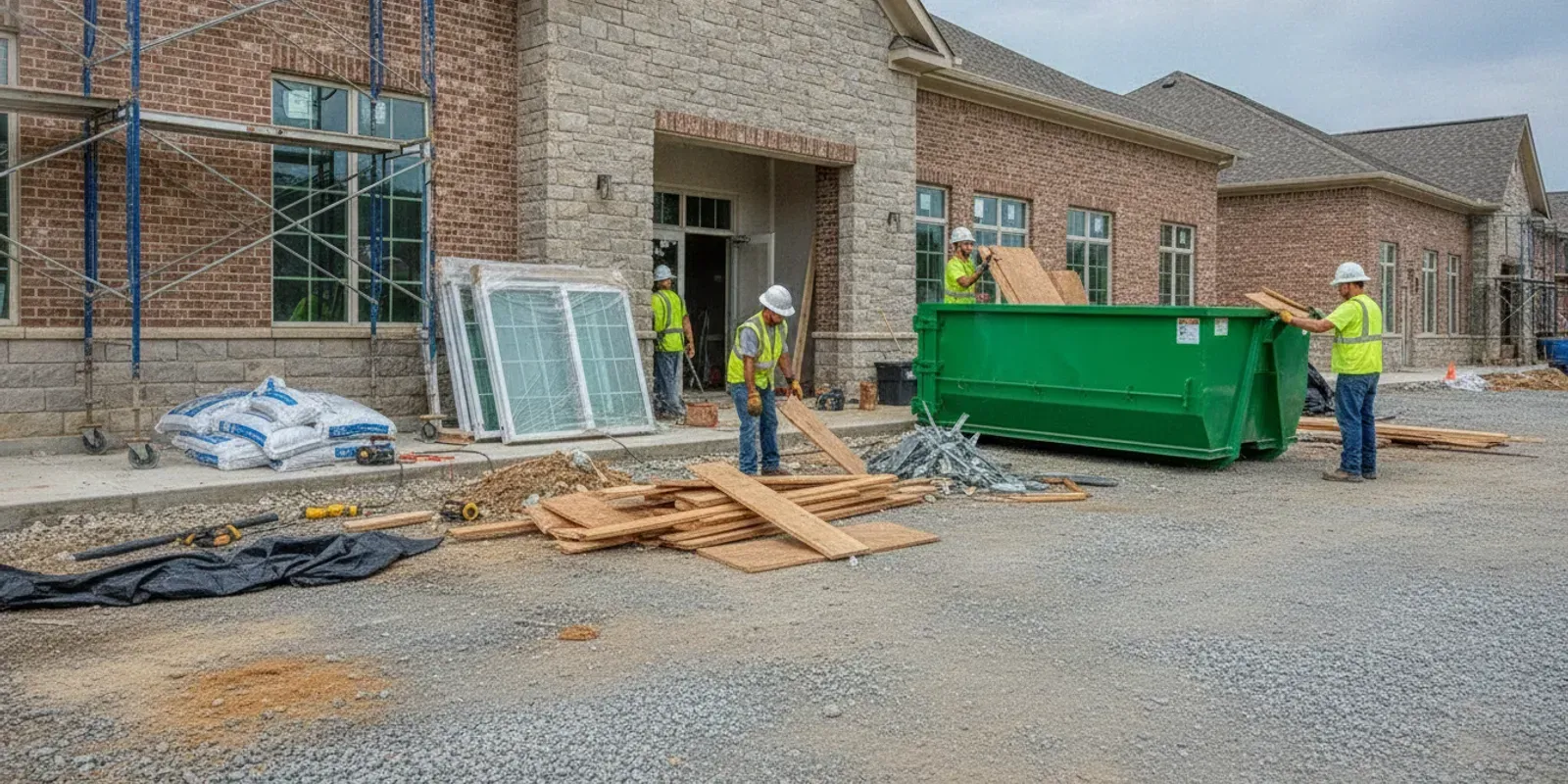
A short construction job or landscape project may need a temporary container while work is active. Think about where workers will stage debris, whether equipment needs the same driveway area, and whether the container can be reached without disrupting the job. For construction-specific planning, review this guide to choosing a construction dumpster. Confirm material acceptance with the provider rather than assuming all jobsite waste is handled the same way.
What should you ask before choosing?
Ask questions that expose the practical differences in the service, not just the name of the container. A short call or request form is more useful when you already know the project type, approximate schedule, and placement area. Use this checklist:
- What kind of waste is this? Describe the materials, including any heavy, bulky, or unusual items, and ask what is accepted.
- How long do I need the container? Estimate the active workdays and allow for realistic delays. Confirm the rental term and removal process.
- How much space is available? Measure the spot and account for the delivery or collection truck's path, not only the container dimensions.
- What does the quoted price cover? Ask about the published rental period, delivery, removal, material or weight conditions, and any other applicable terms.
- How is pickup arranged? For a roll-off, clarify how to request removal. For a front-load service, confirm the recurring schedule and how missed or extra collections are handled.
- Does the property have restrictions? Check HOA, landlord, site, or municipal requirements that could affect placement or timing.
- What should I do about the surface? Describe the driveway or other intended location and ask whether protective planks are appropriate. Do not treat placement practices as a damage warranty.
The dumpster rental FAQ is another place to review common service questions. If something important to your project is not covered, ask before scheduling so you can plan around the answer.
How can you make a straightforward decision?
Use a three-part test. First, decide whether the waste is temporary or ongoing. A concentrated cleanup usually points toward evaluating a roll-off. Regular waste that needs repeat collection points toward a front-load service. Second, check the site's space and truck access. A container that fits on paper may still be impractical if the delivery or collection route is blocked. Third, compare the schedule and terms with the actual work.
For example, imagine clearing a two-car garage before a move. You expect to sort and load over a weekend, and the driveway has a possible placement area. A temporary roll-off may match that short project better than ongoing front-load collection. You would still check the dimensions, discuss your debris, confirm the rental period and pickup steps, and make sure any neighborhood rules are met.
Now consider a small business with cardboard and everyday refuse every week. A recurring front-load collection may fit the ongoing pattern better. The business would assess its waste volume, collection schedule, and access to the container. If the same business later remodels a room and needs one-time cleanup, it could evaluate a temporary roll-off for that separate job.
The choice is not about one dumpster being inherently superior. It is about avoiding a mismatch: a short-term container for a continuing need, or a recurring service for a brief burst of household debris. If your project is local and a 15-yard roll-off sounds appropriate, tell Rapid Removal Dumpster what you plan to clear and when you need the container. The company serves Rutherford County and nearby areas; confirm that your address is within its service area.
Frequently asked questions
Can I use a front-load dumpster for a one-time home cleanout?
It depends on the provider and its service terms, but front-load containers are generally arranged for ongoing, scheduled collection. For a one-time cleanout, ask whether a temporary roll-off is available and compare the rental period with your project timeline.
Is a roll-off only for construction?
No. A roll-off can be considered for other short-term projects, such as a household move, renovation, garage cleanout, or yard cleanup. Confirm that the container size and material rules suit your particular debris.
Does Rapid Removal Dumpster offer front-load dumpsters?
The published offering described here is a 15-yard roll-off rental. Front-load service is not established in the company's published offering, so contact the company if you need to confirm availability for a specific requirement.
How much does the 15-yard roll-off cost?
Rapid Removal Dumpster publishes $349 for one day, $375 for three days, and $399 for seven days, with no delivery fees. Ask the company to confirm which duration and terms apply to your project.
Request a service estimate for your project
Before you decide, match the container type to the waste schedule, site access, and work window. A clear description of your project will help you ask the right questions and choose a practical next step.