Dumpster Rental vs. Dump Trailer: Compare Your Cleanup Options
Compare a dumpster rental and dump trailer for a home or job-site cleanup. Weigh loading, access, rental timing, repeat trips, and how to choose.
Choosing between a dumpster rental vs dump trailer comes down to more than container size. The better fit depends on who will move the debris, whether a vehicle can tow a loaded trailer, how long the cleanup will take, and whether you want to make trips to dispose of material. For homeowners and contractors in Rutherford County, planning those details first can make the cleanup easier to manage.
What is the practical difference between a dumpster rental and a dump trailer?
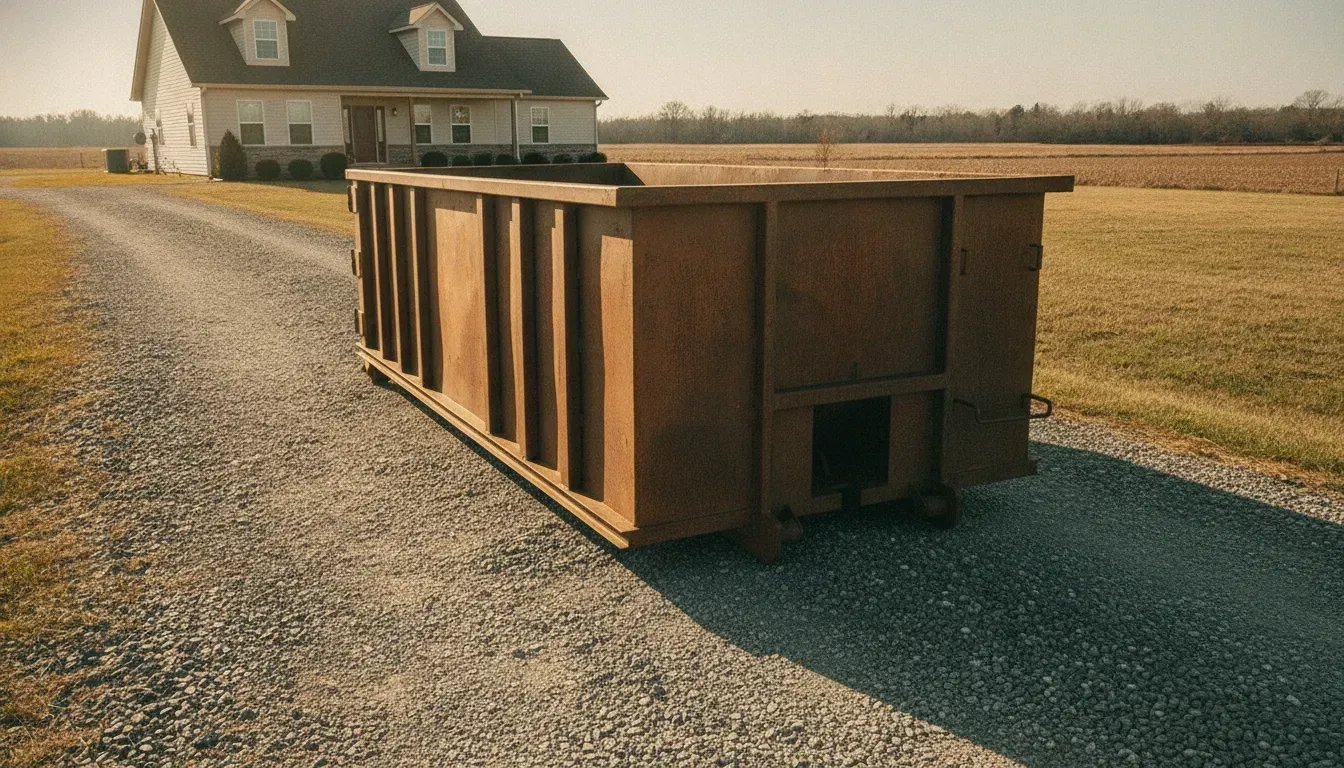
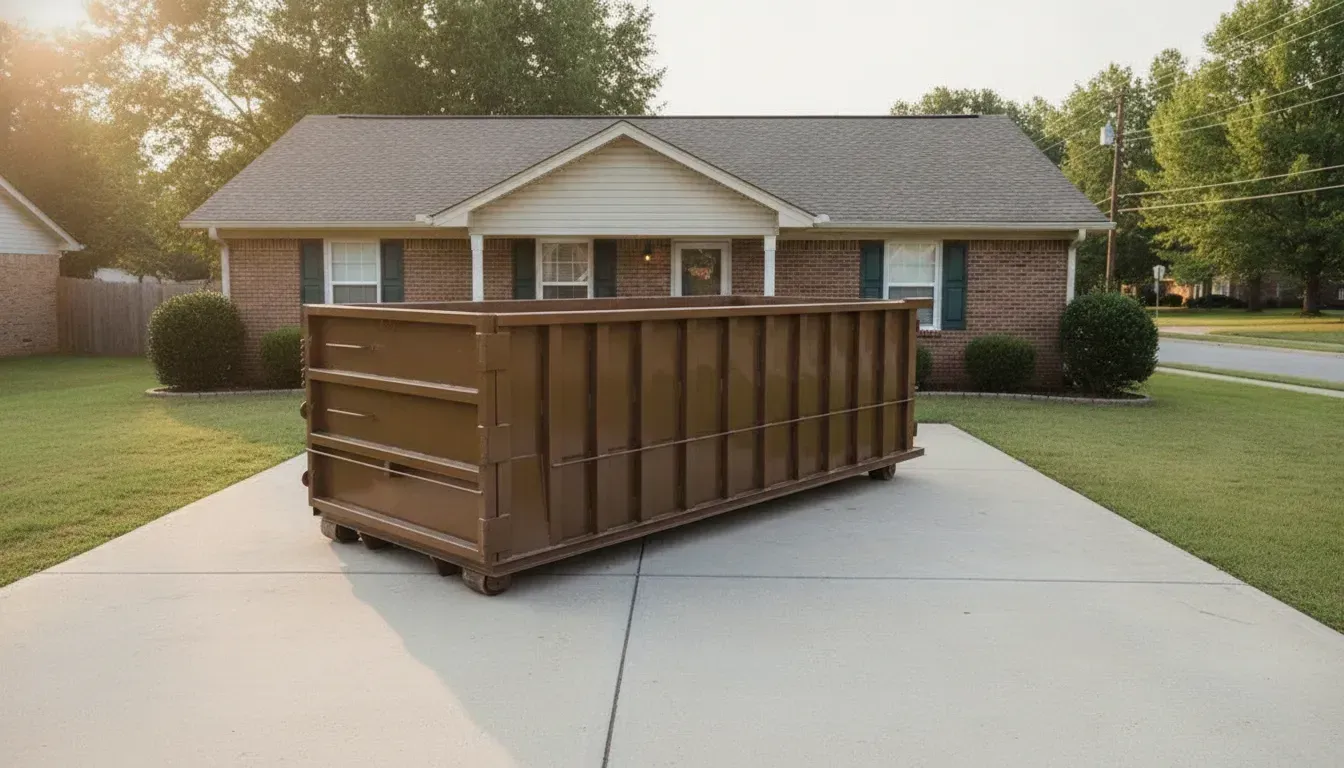
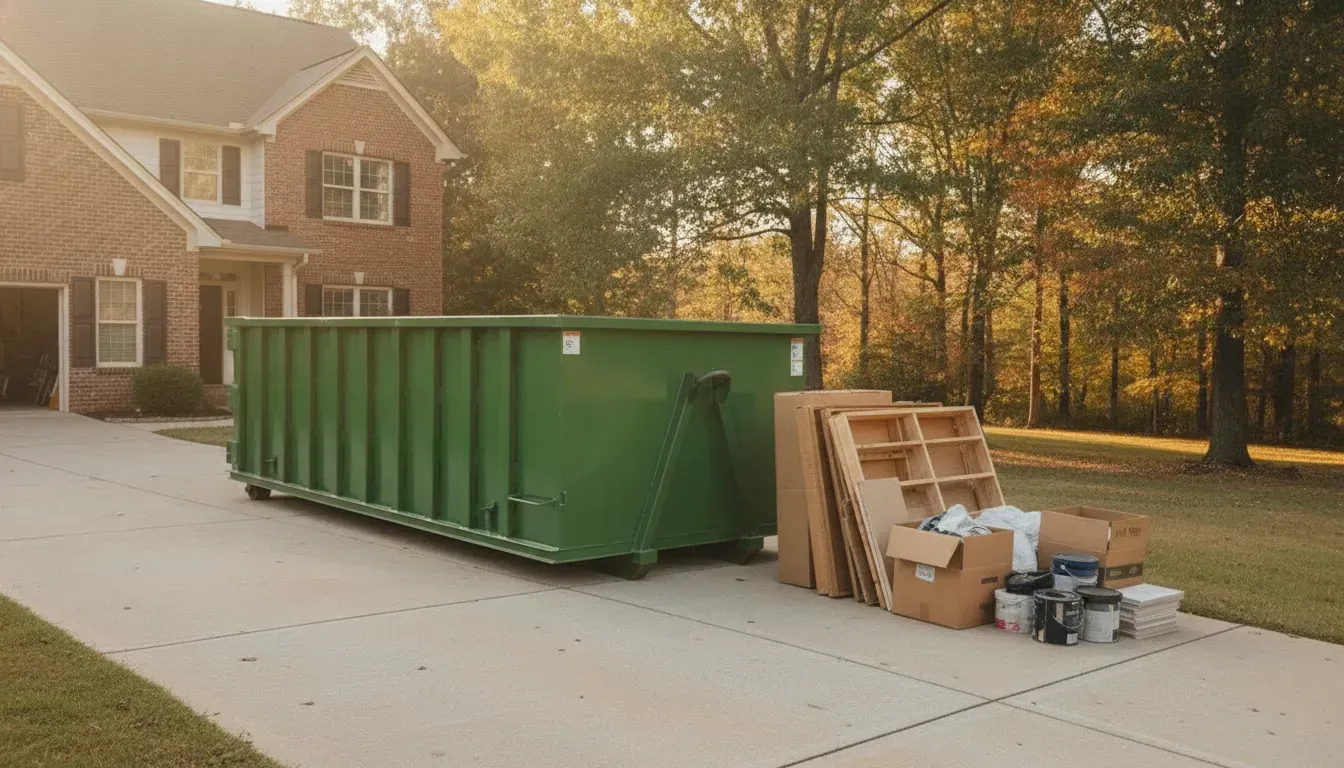
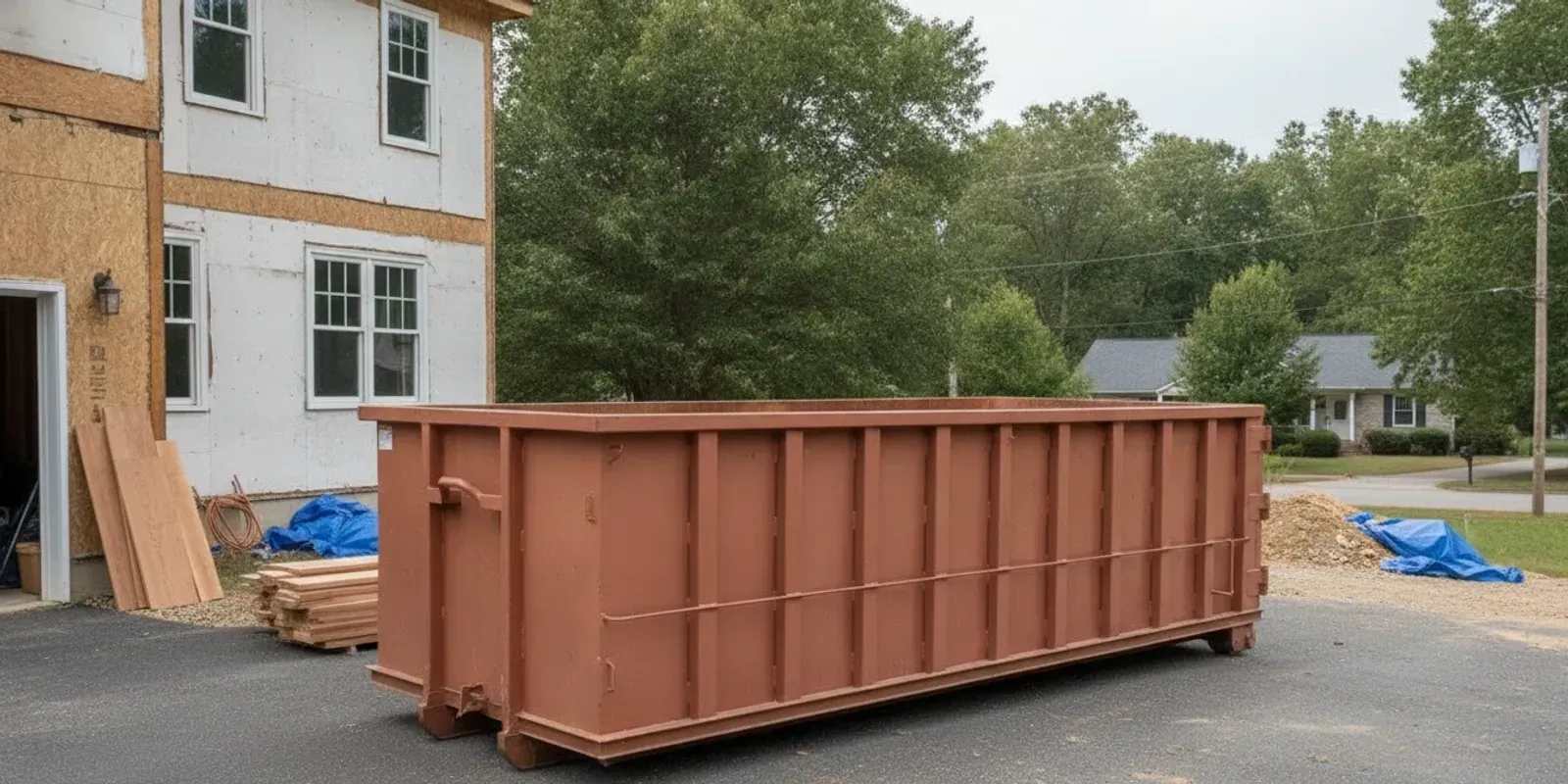
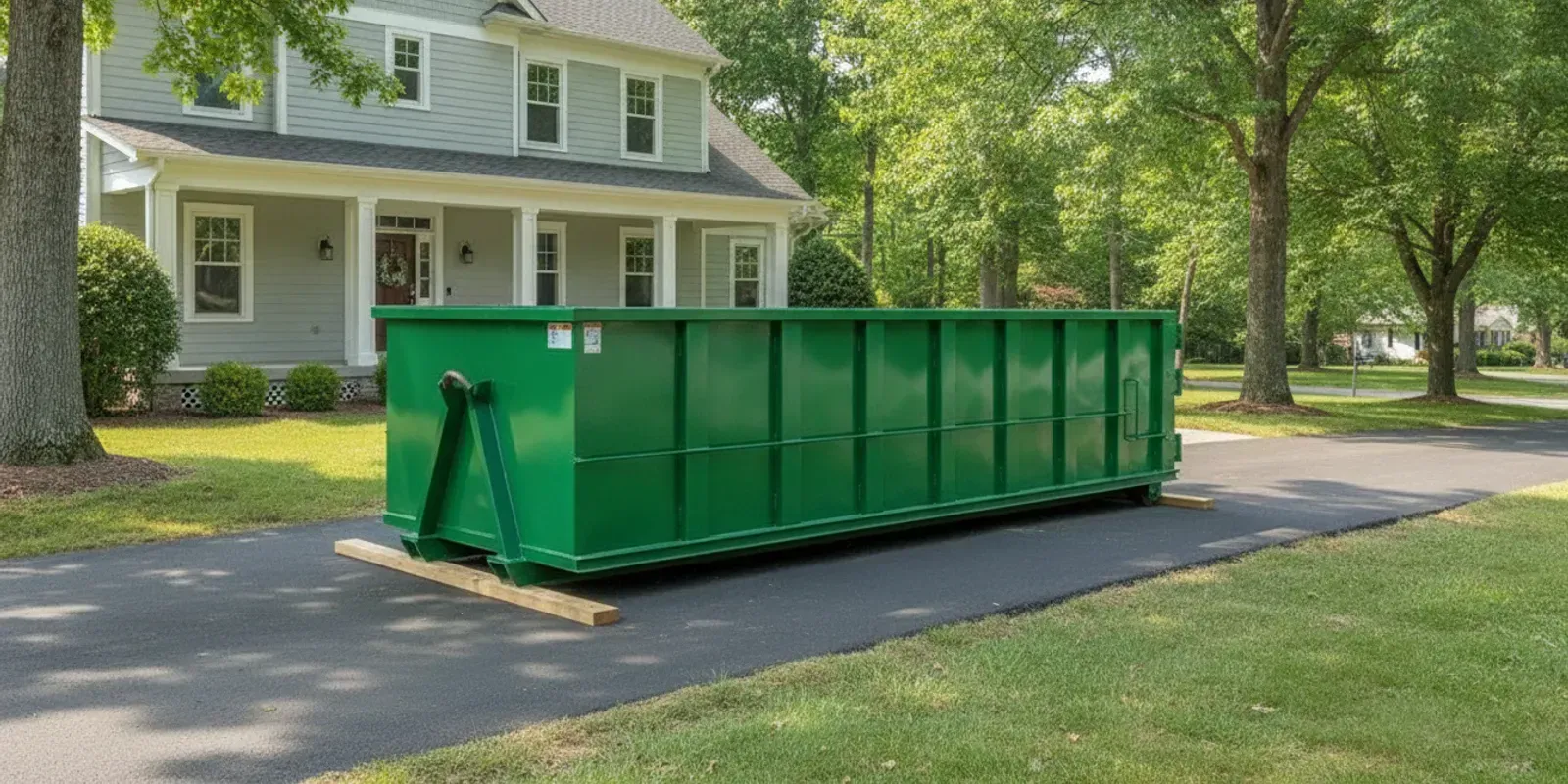
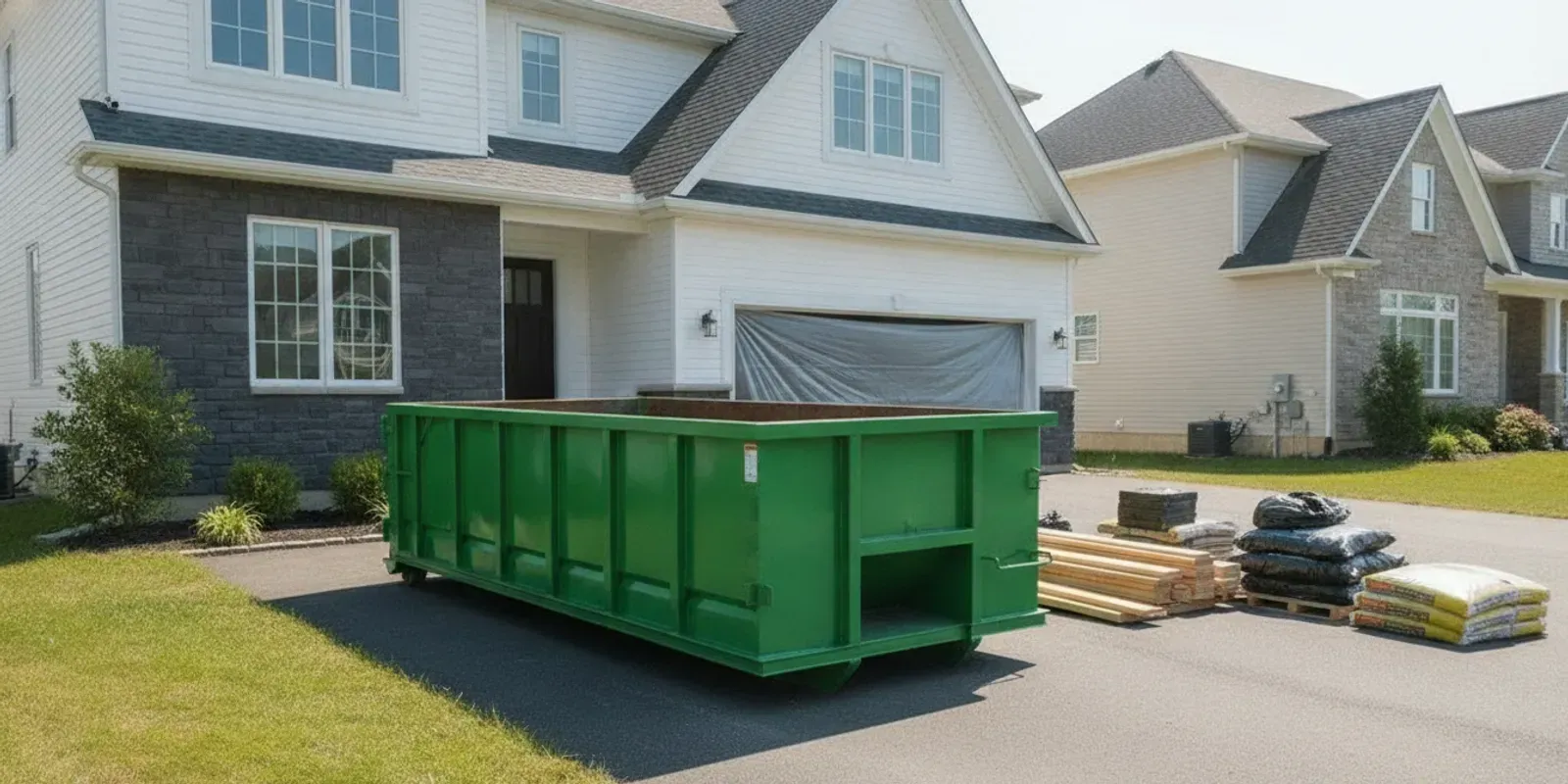
A roll-off dumpster is delivered to a chosen location, left there while you load it, and removed when the rental period ends or the pickup is arranged. It gives the job a single collection point. You carry or wheel debris to the container as work proceeds, rather than taking each load away from the property. A dumpster rental can suit a renovation, cleanout, or small construction project that produces waste over hours or days.
A dump trailer is a trailer with an open container used to carry debris. Depending on the arrangement, someone may tow it to the job and later take it to a disposal location. If you own or borrow one, you are responsible for arranging a suitable tow vehicle, loading and securing material, and deciding how and when to haul it away. A rented trailer may have its own return and use terms, so those need to be checked with that provider.
The central distinction is the work flow. With a dumpster rental, the container stays at the project site during the agreed rental period, and you load it there. With a dump trailer, the trailer is intended to be hauled, so the person using it may have to coordinate towing, transport, and one or more unloading trips. The details can vary, but neither option eliminates the need to sort out what materials are acceptable and what the full cost covers.
Rapid Removal Dumpster offers a 15-yard roll-off dumpster for local construction, renovation, and cleanout projects. This article compares that kind of rental with the general idea of using a dump trailer; it does not mean Rapid Removal Dumpster rents or provides dump trailers.
Who is responsible for loading and moving the debris?
In either case, plan for the effort of getting debris from where it is created to the container. The difference is what happens after loading. With a roll-off rental, the container remains on site during the rental period. You can work through rooms or outdoor areas in stages and carry material to the dumpster as each task is finished. When the work is complete, the rental company handles the container’s removal according to the service arrangement.
With a dump trailer, the user must account for transport as well as loading. That can mean preparing the trailer for the load, attaching it to an appropriate tow vehicle, securing debris for travel, driving to a place that accepts the material, unloading, and returning or parking the trailer. If the trailer is not yours, check whether the arrangement permits the intended use and what rules apply to return, pickup, or disposal.
Do not assume that every trailer can be towed by every vehicle. Confirm the vehicle and trailer specifications with the relevant owners or providers, and do not exceed the applicable capacity. Likewise, a container’s capacity is not just a question of whether debris physically fits. Material type, weight, and loading instructions can matter. Ask the rental provider what is accepted and how to load before starting, especially for heavy or unusual debris.
Think about who will do the physical work. A household doing a kitchen remodel may be able to carry broken-down cabinets and packaging to a stationary container as work progresses. A project involving a large volume of loose debris far from the driveway may require repeated trips with a cart or wheelbarrow either way. A trailer does not automatically reduce lifting; it changes the hauling steps after loading.
If several people are working, decide where debris will go and how it will reach the container before work begins. Keep a clear path, set aside a place for materials that cannot go in the container until accepted, and avoid stacking debris in a way that makes later loading harder. For more on preparing a residential project, see the residential dumpster rental guide.
How does site access affect the choice?
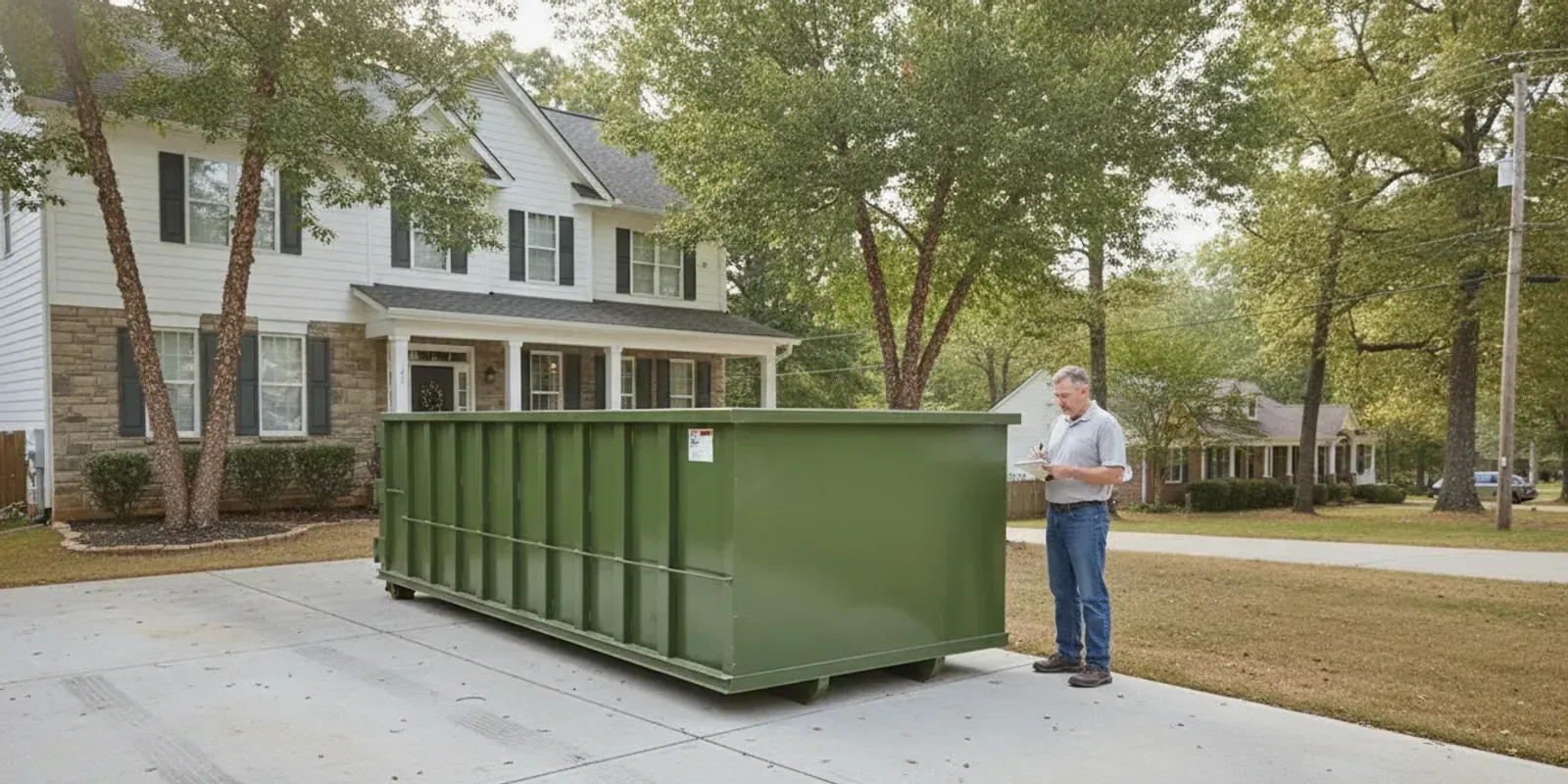
Access affects both the initial placement and the day-to-day work. A roll-off dumpster needs a delivery and pickup path, plus an appropriate place to sit while it is loaded. Before requesting service, consider driveway width and length, overhead branches or wires, gates, parked vehicles, and whether the container can be reached without blocking a route you need to use. Describe any constraints when you ask for service so the provider can discuss placement.
A dump trailer also needs space to arrive, park, and, when used for hauling, maneuver. If it will be attached to a vehicle and taken away, allow room to hitch, turn, and exit safely. A tight side yard, narrow drive, steep approach, or limited turning space may make loading or moving a trailer inconvenient. Do not assume a trailer will fit simply because a car can reach the property.
Consider the travel path between the work area and the container. If you are removing flooring from a back room, for example, moving each bundle through a finished hallway may take time. If yard debris is spread across a large lot, a central location may mean many trips with a cart. Mark a practical route, protect vulnerable interior areas as needed, and avoid placing material where it will obstruct entrances or neighbors.
For a residential property, the placement plan should also take appearance and access into account. Some neighborhoods have association rules or other site requirements for temporary containers. Check the rules that apply to your property before arranging delivery. If the container would sit on a shared drive or affect a neighbor’s access, discuss the plan in advance rather than relying on a last-minute adjustment.
Rapid Removal Dumpster describes a driveway-conscious placement approach for its 15-yard rentals and can provide protection planks when necessary. That is a conditional placement practice, not a promise that a surface cannot be damaged. Site conditions and placement should be discussed before delivery. The driveway placement information explains more about the company’s approach.
How do rental timing and project pace compare?
A roll-off rental can be useful when work will happen in several stages. You might remove old cabinets one day, do demolition later, and clear packaging after installation. Keeping a container at the property means you do not have to time every load with a trip away from the job. The rental period still matters: plan a realistic schedule and ask what happens if your work runs longer than expected.
A trailer can make sense for a short cleanup when the loading and disposal trips can be coordinated in a compact window. If you can fill it, haul it, unload it, and return it within the terms you agreed to, the process may be straightforward. If work pauses, the trailer’s availability, parking, or return deadline may shape the schedule. Confirm these terms with whoever supplies the trailer; arrangements differ.
For a longer renovation, lost time can come from waiting to fill a trailer, making a disposal run, and then returning to the job. A dumpster rental avoids those trips while the container is on site, though it does not do the loading for you. For a brief one-time pickup, a trailer trip may be simpler if you have suitable towing and a confirmed disposal plan. Compare the full chain of tasks rather than only the time spent putting debris into the container.
Schedule the container around the messy part of the work, not just the start date. If demolition is expected to generate the bulk of the waste, have the container available before demolition begins. If the project is a move-out or a multi-room cleanout, estimate how many sessions it will take to sort and carry items. A rushed rental window can leave you deciding between extending service, changing the plan, or handling leftover material another way.
Rapid Removal Dumpster publishes these 15-yard rental prices: $349 for one day, $375 for three days, and $399 for seven days, with no delivery fees stated on the site. Confirm the applicable terms, availability, and any project-specific details when requesting a service. A published rental rate is useful for planning, but it does not answer every question about material acceptance, weight, or the end-to-end cost of an alternative trailer arrangement.
Will a dump trailer mean fewer trips?
It may, but only if the trailer’s usable capacity, load, and route work for the project. The number of trips depends on how much debris you generate, how bulky it is, how it can be arranged, and any applicable limits. A trailer that looks large when empty can reach a safe or permitted limit before every gap is filled. Do not load beyond the trailer or vehicle limits just to avoid another trip.
With a dumpster rental, the container stays at the property during the agreed period, so there is no need for you to tow each load off site. You still need to carry debris from the work area to the dumpster. A stationary container can help keep disposal in the background while the project moves forward, but its capacity and material rules remain important. Ask about the size and loading instructions when comparing options.
Use a rough volume estimate rather than a guess based only on the size of the room. A kitchen refresh may generate cabinets, counters, flooring, and packaging; those items occupy different amounts of space. A yard cleanup may produce branches and other bulky material that does not compact like a pile of soil. Break down material only when it is safe and allowed, and do not assume a particular material is accepted without checking.
If you are uncertain about the amount, gather the project details before asking for a recommendation: which rooms or areas are involved, what you expect to remove, whether materials are dense or bulky, and how long the work may last. The dumpster size guide can help frame questions about capacity. For a roll-off rental, Rapid Removal Dumpster’s listed option is a 15-yard dumpster; do not assume a different size is available from the company.
What should you compare besides the container price?
Compare all the labor, time, and logistics each route requires. A trailer’s stated rental or borrowing cost is only one part of its cost if you also need to arrange a tow vehicle, make trips, spend time unloading, or coordinate a permitted disposal destination. Costs and terms vary by provider and location, so get them directly rather than using an assumed rate.
For a dumpster, confirm the price and what the stated rental period includes. Ask about material acceptance, loading guidance, pickup arrangements, and what to do if the work schedule changes. The published Rapid Removal Dumpster prices for one, three, and seven days provide a starting comparison, not a substitute for confirming the terms that apply to your request.
This comparison is a planning aid, not a claim that every provider uses the same terms. Before choosing, ask for the details that determine your total work: how long you need the container, how far debris must be carried, what transport you can arrange, and who is responsible for the final disposal step.
How should you plan for materials and safe loading?
Make a list of the debris before booking or borrowing equipment. Separate common project waste from items that may need special handling, and ask the relevant provider what can go in the container. Do not rely on a general online list as approval for a particular load. Material policies may depend on the provider and disposal arrangements, and a wrong assumption can disrupt a pickup or trip.
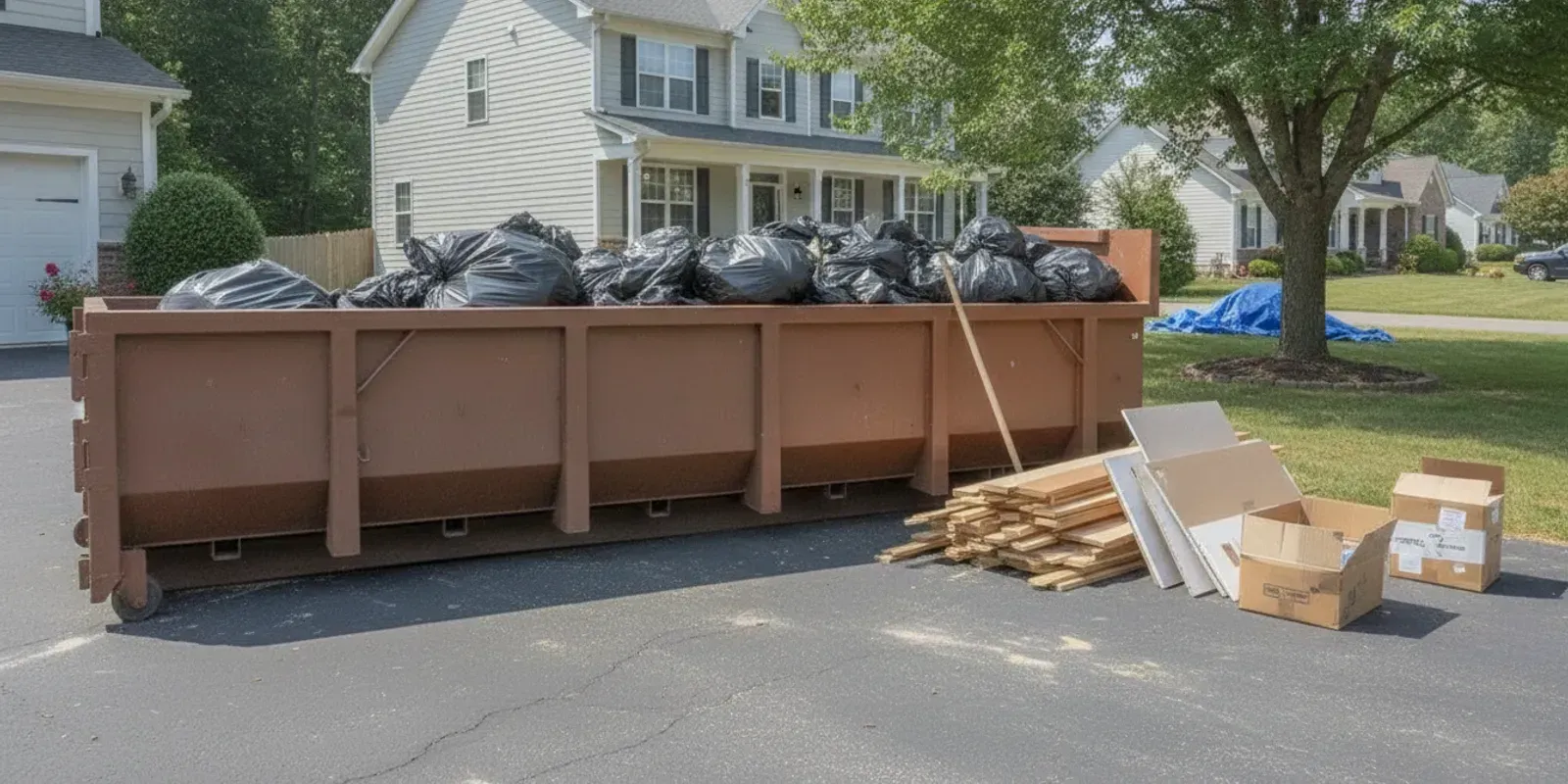
Heavy debris deserves special attention. A small volume of dense material may weigh more than a much larger pile of light material. Spread weight evenly and follow the provider’s directions. Avoid putting material above a fill line or loading in a way that makes the load unsafe to move. If your plan includes heavy items, describe them when you request service rather than discovering a restriction after loading.
For either option, keep sharp, loose, or unstable material controlled while moving it. Use appropriate protective equipment and get help with awkward items. Keep children and pets away from active loading and moving vehicles. These are basic planning precautions, not a replacement for instructions from a qualified professional when a job involves hazardous materials or specialized removal.
Set aside items whose disposal route is not clear. Do not mix them into the main load until you have received guidance. If the project includes appliances, chemicals, electronics, or other items you are unsure about, ask what the provider accepts and seek the appropriate local guidance if needed. The dumpster rental FAQ is a place to review common rental questions, while project-specific material decisions should be confirmed directly.
Which option fits common local projects?
Kitchen or bathroom renovation
A renovation often produces debris over multiple work sessions. A roll-off can remain on site while cabinets, flooring, fixtures, and packaging are removed in stages. It may be a practical fit when you want one place for the project debris and prefer not to stop work for disposal runs. Plan the placement and rental period before demolition, and confirm which materials are allowed.
A dump trailer may work when the project is small, a suitable vehicle and trailer are available, and a disposal trip fits the schedule. It may be less convenient if the trailer must leave the site before the room is finished or if several loads are expected. Estimate the volume and the time required for each trip before deciding.
Moving in or moving out
A move-related cleanout can produce a mixture of packaging, broken household items, and unwanted contents over several days. A dumpster rental offers a central place to load as rooms are cleared. It may be especially useful when sorting takes longer than one afternoon. Keep usable belongings and items requiring a different disposal route separate.
A trailer can be an option for a compact cleanout when the load can be gathered quickly and a haul can be made without disrupting the move. If several family members are clearing different rooms at different times, a stationary container may be easier to coordinate. Consider the moving truck schedule, driveway space, and access for everyone using the property.
Garage, attic, or yard cleanup
For a garage or attic, the total volume can be hard to judge until sorting begins. A container left at the property can give you time to work section by section. Before loading, check the debris rules for any items that need separate handling. An attic project may involve carrying material down stairs, so plan the route and protect the path rather than focusing only on container capacity.
For yard debris, consider where the waste is located and how it will be moved. A trailer might be convenient if it can be taken close to the work and hauled when full. A roll-off may suit a longer landscaping cleanup where material accumulates over several days. Do not assume bulky branches or soil are accepted; confirm materials and loading limits with the provider.
Small construction or repair work
A contractor or homeowner completing a small repair may value a predictable place to collect debris while the work proceeds. A roll-off can reduce interruptions for trips, particularly when the site has enough room for safe delivery and pickup. If the job is short and creates a manageable load, a trailer may be workable when towing, unloading, and return logistics are already arranged.
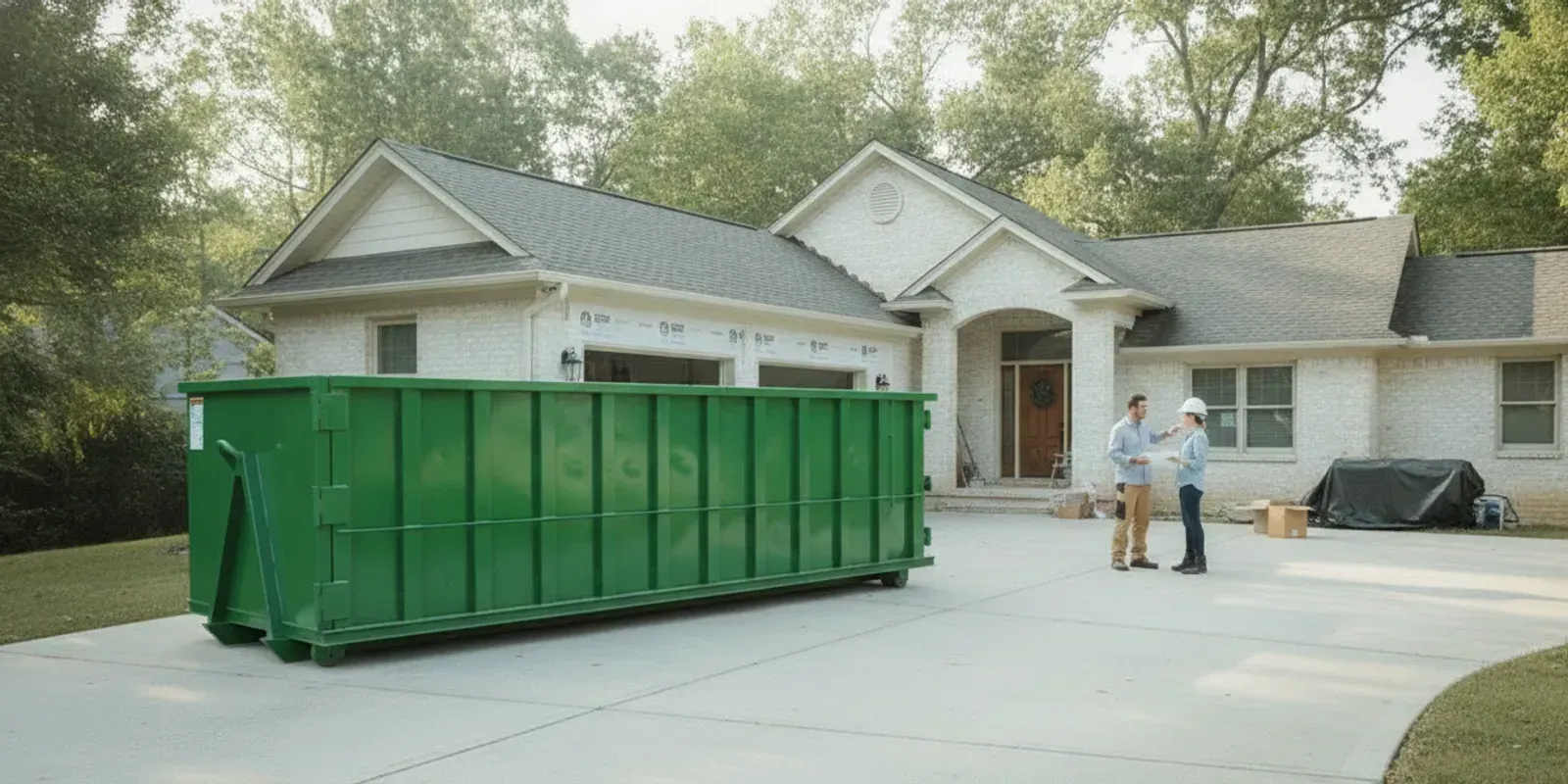
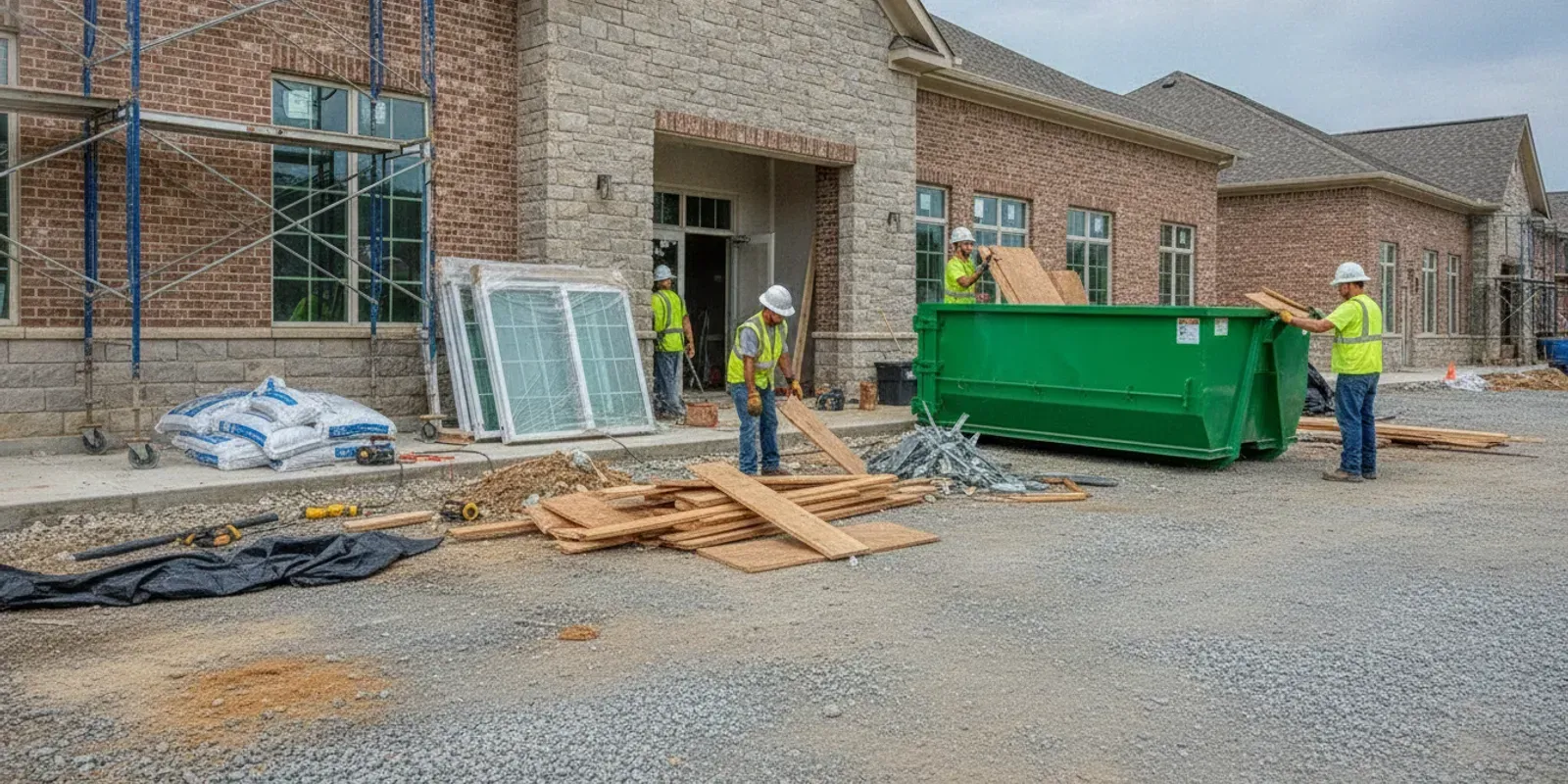
On a job site, coordinate with the people doing the work so the container does not block access, material deliveries, or safe movement. Establish where waste goes and who checks material rules. If multiple trades are involved, assign responsibility for keeping the loading area orderly and communicating when the container is ready for removal.
How can you make a fair comparison for your project?
Use the same project description when comparing choices. Note the project type, debris categories, expected amount, access conditions, and number of days. Then compare the complete set of tasks and costs rather than comparing one quoted figure with an estimate that excludes hauling or disposal.
- Estimate the project duration. Decide whether waste will be generated in one session or over several days. Include time for sorting and cleanup after the main work.
- Describe the debris. Identify bulky and heavy materials, and ask whether they are accepted. Avoid guessing about material rules.
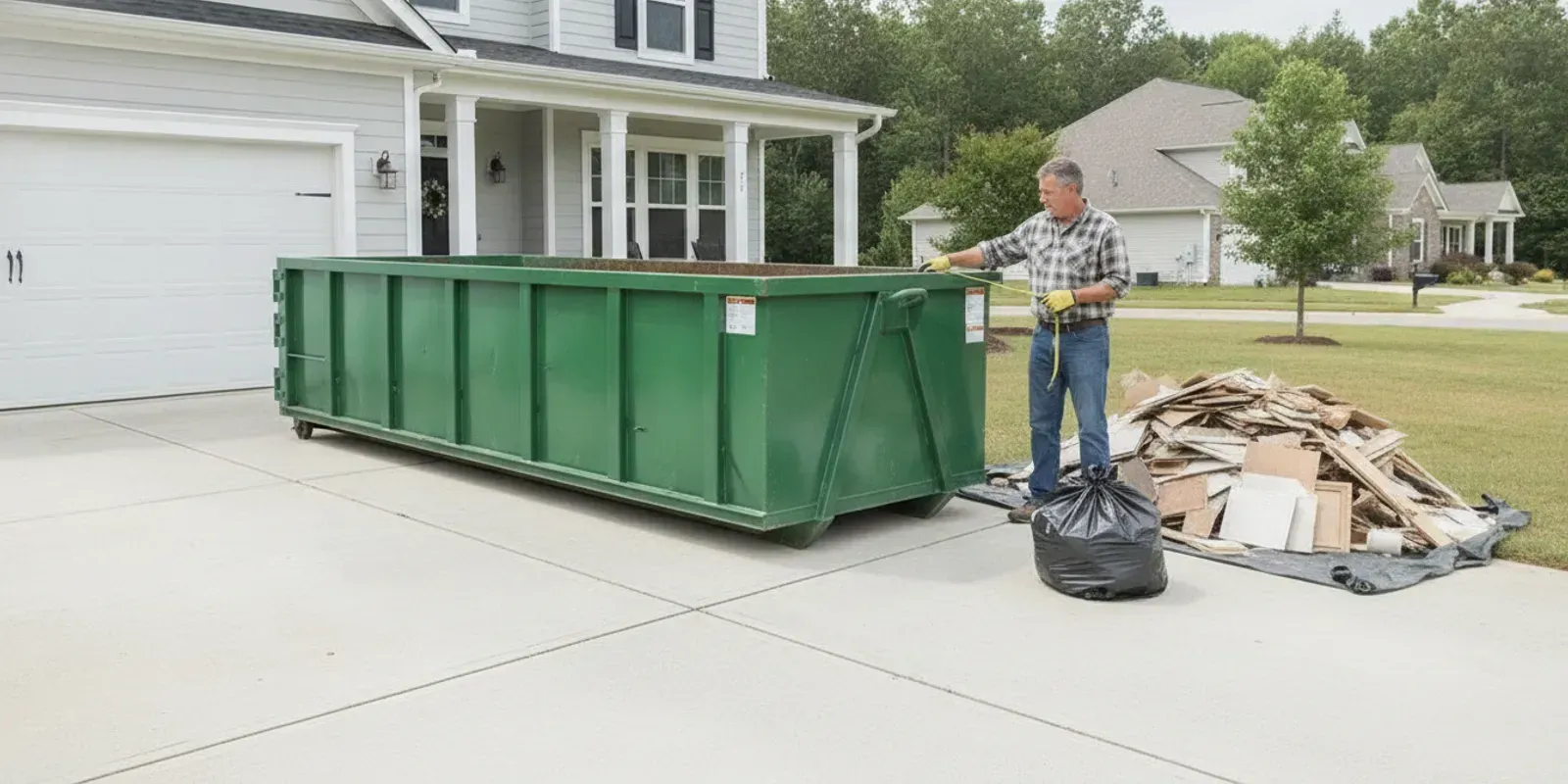
- Check access. Measure or describe the approach, parking, overhead clearance, and path between the work area and the proposed container location.
- List your transport resources. If considering a trailer, establish who supplies it, which vehicle can tow it, who secures the load, and where it will go.
- Compare all time and cost. Include the rental period or trailer terms, trips, unloading, and the work time required for each option. Ask what fees or conditions apply instead of assuming.
- Confirm the end step. For a dumpster, learn how pickup is arranged. For a trailer, confirm who transports it and what disposal or return process applies.
These answers often make the choice clear. A stationary container can be useful if you expect debris to appear over time and want to keep the project on site. A trailer can be worth considering if you already have access to suitable towing and can complete the transport step efficiently. If neither plan seems practical, consider whether reducing, sorting, or staging the project differently would help.
What planning mistakes can make either choice harder?
One common mistake is making the decision before the debris is identified. A pile of household contents, renovation waste, and yard material may look like one cleanup, but the materials may have different acceptance rules. Sort the expected load into broad categories, then ask the provider about anything uncertain. This makes a trailer disposal plan more realistic and helps a dumpster customer avoid loading something that should have been handled separately.
Another mistake is estimating only the volume and ignoring the route. A container or trailer can be large enough on paper, yet the distance from a basement, attic, or backyard may make each load slow. Walk the route before starting. Note stairs, narrow doors, uneven ground, and places where a cart cannot pass. If the route is difficult, allow more time and ask for help with heavy or awkward items rather than rushing.
People may also assume that a trailer trip will be quick because the disposal location seems close. The full cycle includes preparing and securing the load, driving, waiting or unloading, and getting back to the project. The actual time depends on location, operating conditions, material, and facility procedures. Verify the destination and its requirements directly; do not base the schedule on an unconfirmed assumption.
On the rental side, choosing too short a period can put pressure on a project that depends on deliveries, contractors, or several household members. Leave room for sorting and final cleanup. Ask how to handle a schedule change before the planned end date. On the other hand, choosing a longer period without needing it may not be the best use of the budget. Use a realistic work plan and compare the listed rental durations with the time you expect to need.
Finally, avoid treating a container as a substitute for a placement plan. Confirm where it can sit, keep necessary access clear, and consider how a delivery vehicle will reach the location. If the preferred spot is not workable, identify a backup before the delivery date. A few minutes spent describing the site and debris can save time during the actual cleanup.
When is a roll-off dumpster rental a straightforward choice?
A roll-off rental is worth considering when a home or small construction project will create debris over a defined period, you have a suitable location, and you prefer a collection point that stays at the job. You load as work progresses; the rental service handles delivery and removal according to the agreed terms. It can also make it easier to avoid planning each cleanup around a trip away from the property.
Rapid Removal Dumpster is a family-owned local company based in Murfreesboro and serving Rutherford County and nearby areas. Its published 15-yard option is intended for construction, renovation, and cleanout projects. The company lists prices of $349 for one day, $375 for three days, and $399 for seven days with no delivery fees. Confirm availability and applicable details for your address and project. For a broader look at planning a rental, review the dumpster rental guide.
If your project is outside Rutherford County, ask whether service is available before you make plans. Target areas include Murfreesboro, Smyrna, LaVergne, Lebanon, Eagleville, and Lascassas, but address eligibility should be confirmed directly. Same-day service options are a company claim, so check availability and timing for the specific request rather than assuming every date or location qualifies.
What should you ask before arranging either option?
For a roll-off, ask what rental period and price apply, what materials are accepted, how placement is decided, and how pickup is scheduled. Describe access constraints, expected debris, and the date work will begin. If you think the project could extend beyond the planned period, ask about the process before booking. A clear conversation helps prevent avoidable surprises.
For a trailer, ask who provides and collects it, whether you or another party must tow it, what vehicle requirements apply, and where the load can be taken. Confirm capacity, permitted use, return time, and any charges with the trailer provider. Establish the disposal destination and verify acceptance before you load. Those are questions for whoever supplies the trailer, not services Rapid Removal Dumpster claims to offer.
For general rental questions, the contact page provides a direct way to reach Rapid Removal Dumpster. You can also learn about the company and its local service. Share enough detail to receive an answer that relates to your actual project rather than just asking which container looks larger.
How can you make a practical choice?
Choose the plan that fits the whole cleanup, not only the first load. If you want debris collected at the property while work moves forward, a roll-off rental may be the simpler workflow. If you can tow a trailer safely, complete the haul, and meet its terms without disrupting the job, that may suit a short cleanup. Compare the schedule, site access, material rules, and every transport step before you decide.
For homeowners and small-project customers in Rutherford County, Rapid Removal Dumpster’s 15-yard rental is one local roll-off option to consider. Confirm the current details and project fit directly, then set up the work area so loading and removal can proceed safely and smoothly.
| Question | Roll-off dumpster rental | Dump trailer |
|---|---|---|
| Where is the container during the work? | At the project site during the agreed rental period subject to placement arrangements. | Parked at the site while loaded then may need to be hauled or returned depending on the arrangement. |
| Who handles transport off site? | The rental service arranges container removal under its service terms. | The user may need to tow it and arrange unloading or disposal; confirm responsibilities with the provider. |
| What equipment does the user need? | A way to move debris from the work area to the container. | Potentially a suitable tow vehicle hitch and secure loading plan depending on the arrangement. |
| When can it fit well? | A multi-step cleanup or renovation that produces debris over a planned rental period. | A short haul when towing timing and unloading can be managed within the agreed terms. |
| What should be checked? | Placement rental period accepted materials loading instructions price terms and pickup. | Capacity tow requirements use and return terms accepted materials disposal plan and any charges. |