Dumpster Rental in Smyrna, TN: A Local Project Guide

Planning a remodel, move, or cleanup in Smyrna? Learn how to plan driveway placement, choose a rental period, load safely, and arrange delivery.
Planning a remodel, move, or cleanup in Smyrna is easier when debris has one clear destination. A dumpster rental smyrna tn project can use a temporary 15-yard roll-off container for renovation debris, household cleanouts, landscaping waste, and smaller construction work.
Rapid Removal Dumpster provides customer-loaded 15-yard rentals in Rutherford County and nearby areas, including Smyrna as a target service area. Exact availability depends on address, date, and site conditions. Before requesting delivery, plan what you will discard, where the container can sit, how long the work may take, and who will load it.
When does a dumpster rental make sense?
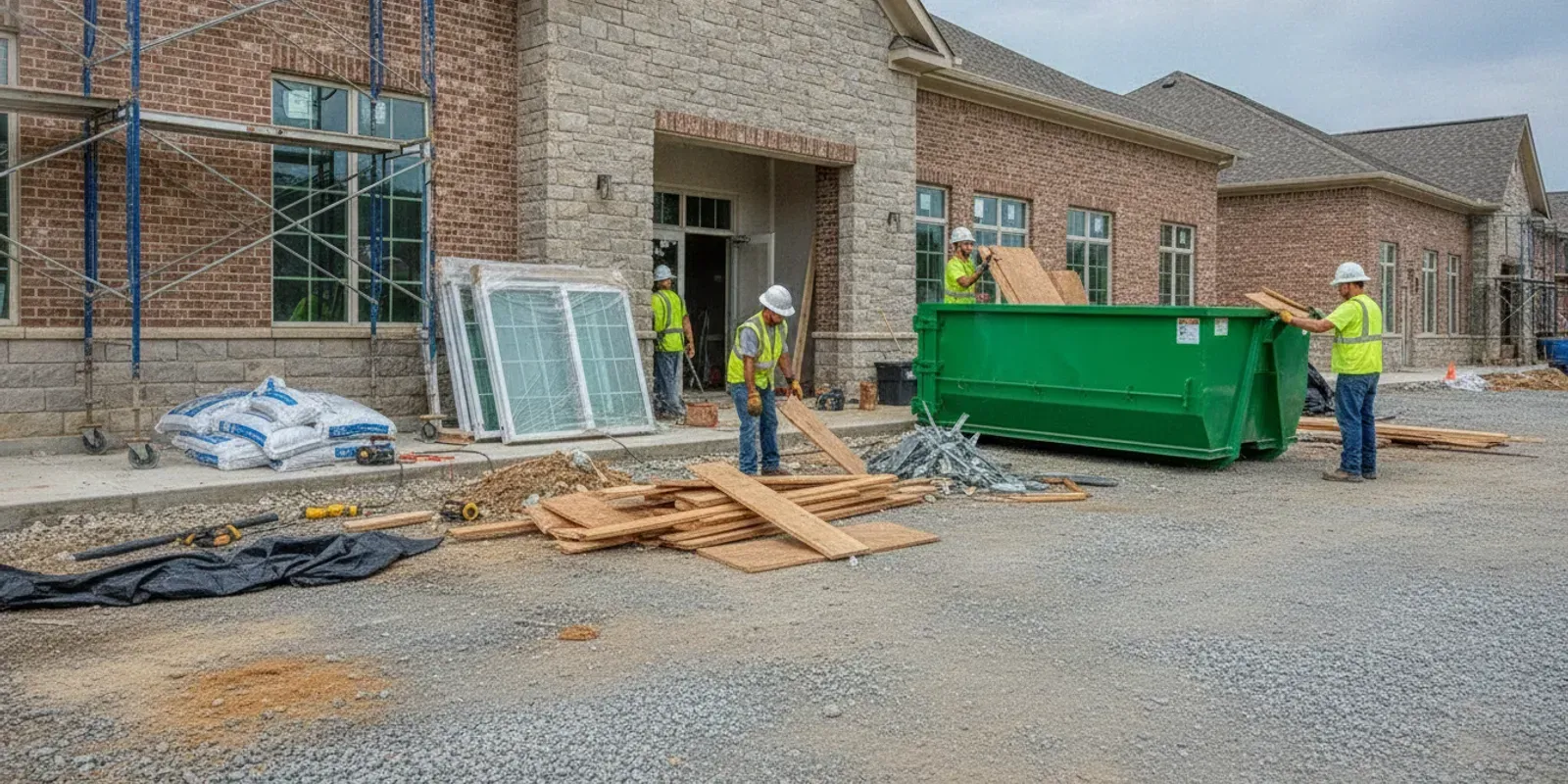
A roll-off can help when a project creates more material than regular trash collection can handle or when repeated disposal trips would interrupt the work. Common jobs include kitchen and bathroom renovations, flooring removal, move cleanouts, garage and attic sorting, landscaping, and smaller deck or construction projects.
A central container gives a household or crew one defined destination while work continues. Instead of carrying debris into several temporary piles, you can clear one room, load its material, and then move to the next area. This can make a renovation, move-out, or yard cleanup easier to coordinate. The rental is customer-loaded, so plan enough helpers and safe paths before delivery.
Compare the disposal method with the project. Regular trash collection may work for a small amount produced slowly. Several personal vehicle trips may work when debris is limited and a suitable vehicle is available, but every trip requires loading, driving, unloading, and time. A customer-loaded roll-off may be more practical when debris arrives in a concentrated period and can be loaded from one location.
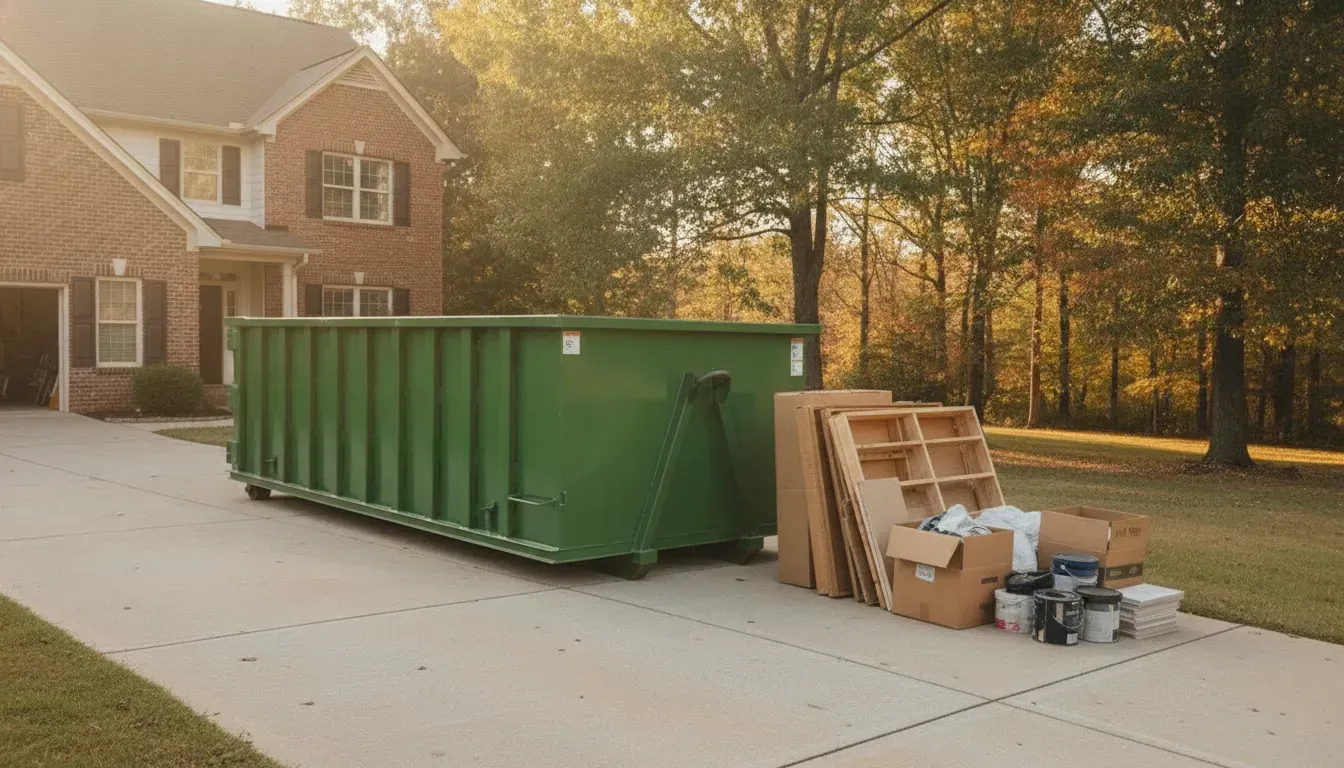
Before ordering, make four groups: keep, donate, recycle, and discard after confirmation. This is especially important during a move or attic cleanout. Documents, medications, keys, tools, and valuable belongings should stay separate from discard piles until the decision is final. Do not put questionable materials into the container merely because they fit.
What can the 15-yard container hold?
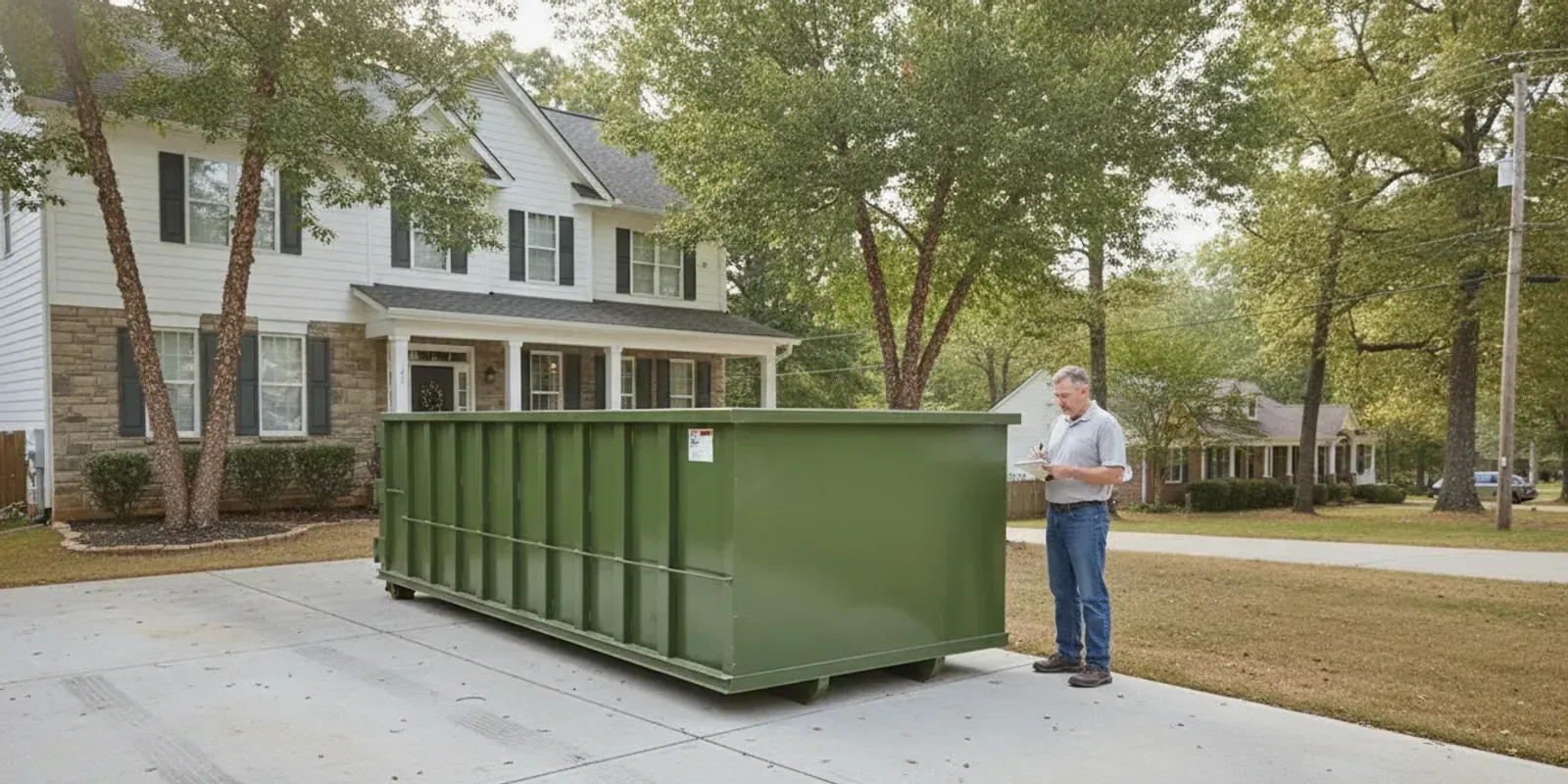
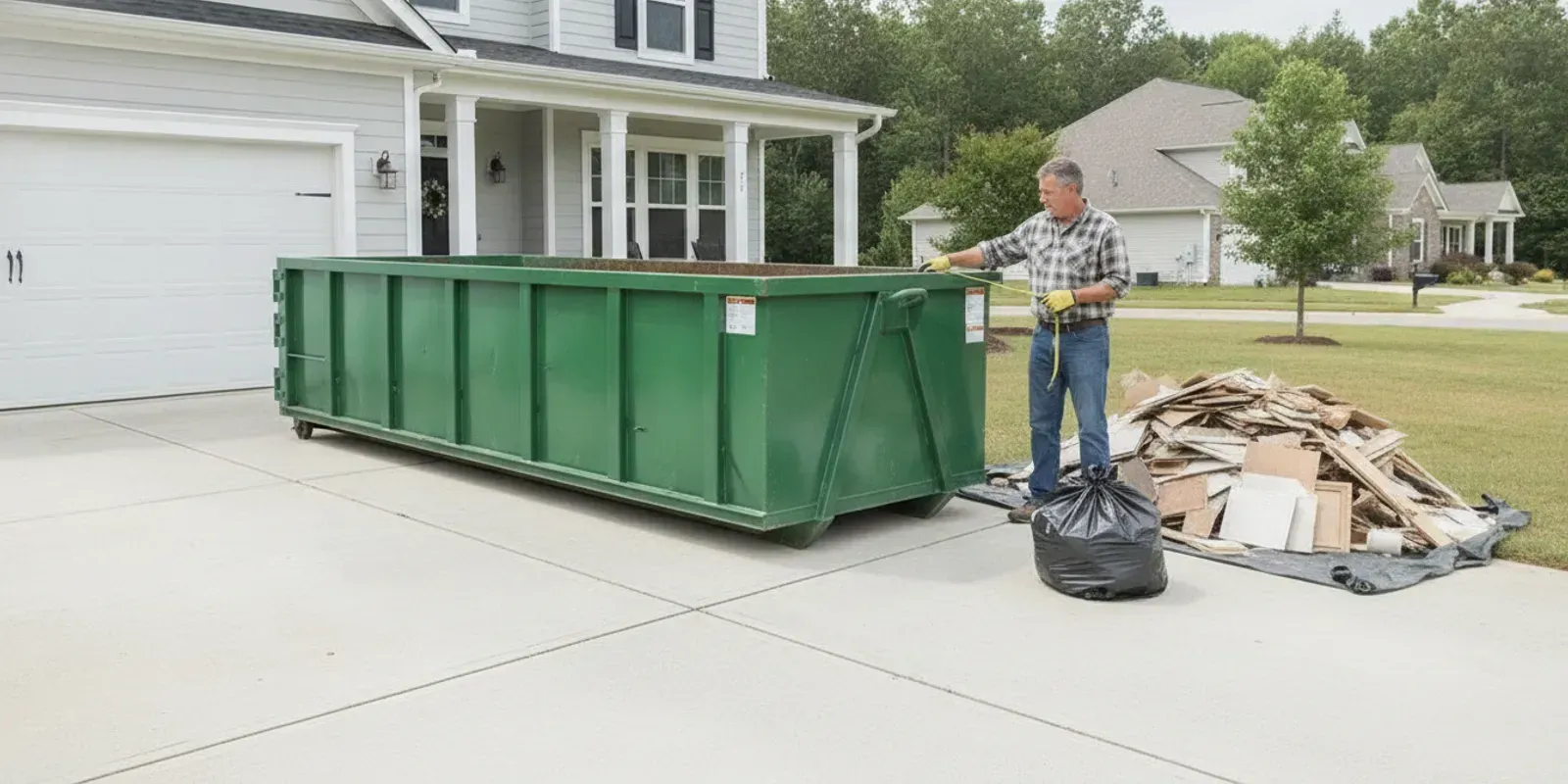
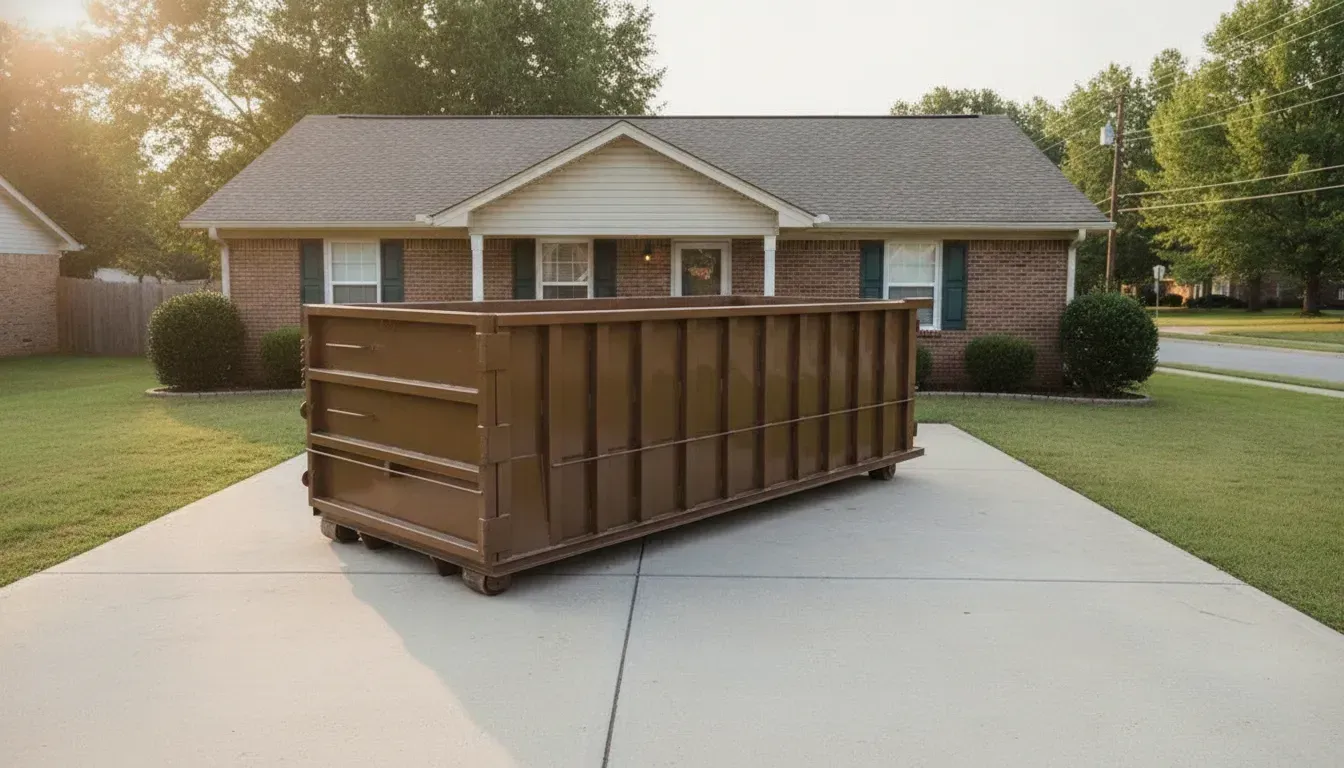
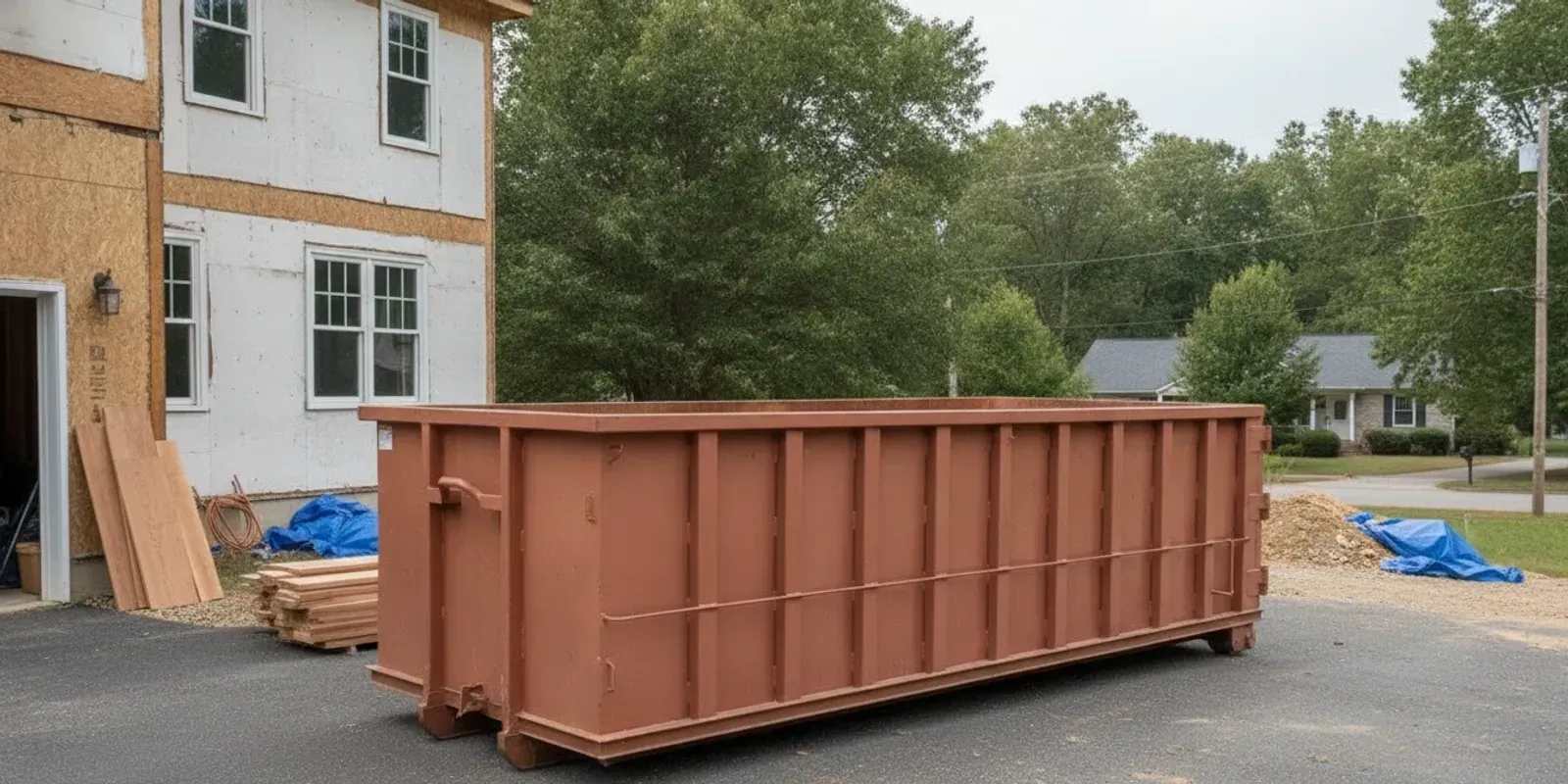
The documented container measures approximately 14 feet long, 7.5 feet wide, and 5 feet high. These are container dimensions, not the total space needed for delivery. The truck needs an open approach, room to maneuver, and a suitable placement area. Measure both the proposed footprint and the route from the street.
The company estimates capacity at around seven truckloads. Treat that as a broad reference rather than a promise that every project will fit. Cabinets, flooring, drywall, branches, furniture, and dense building materials use space differently. A room count alone cannot predict the result. Describe the materials, approximate quantity, and project phases when requesting service.
Estimate by inventory. List each room or outdoor area, identify what will be removed, note which items can be safely disassembled, and identify heavy or unusual material. A bathroom renovation may include tile, a vanity, drywall, fixtures, and flooring. A garage cleanout may include boxes and shelving or large furniture and dense debris. Those projects have different capacity needs even if they occupy similar space.
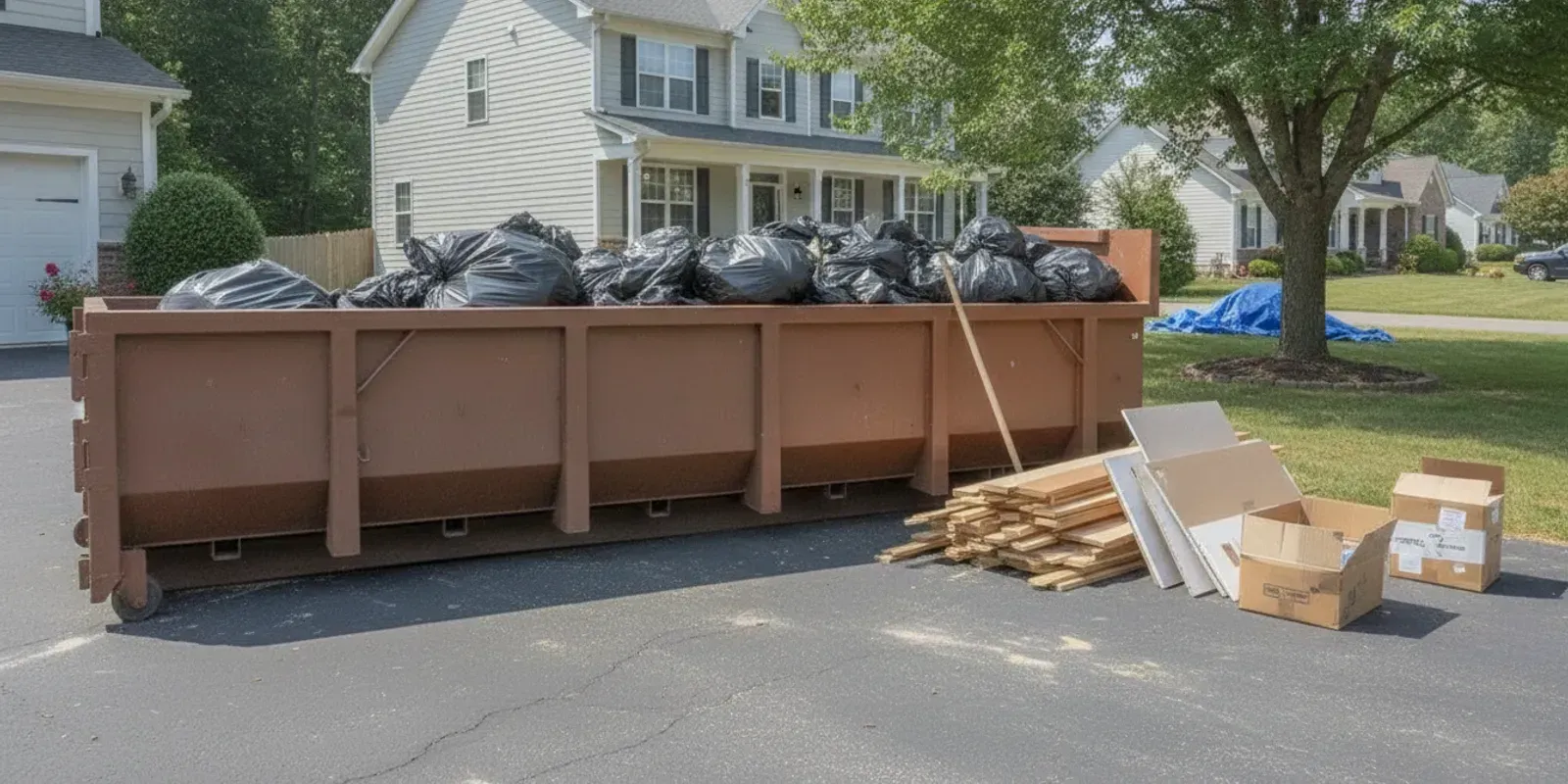
Keep the load below the top edge. Do not build an unstable mound or allow material to protrude over the rim. Place dense debris low and distribute it across the floor instead of concentrating it in one corner. Break down bulky items when safe, but do not create sharp or unstable pieces simply to save space. If the estimate is close, ask before loading begins.
How should you plan driveway placement?
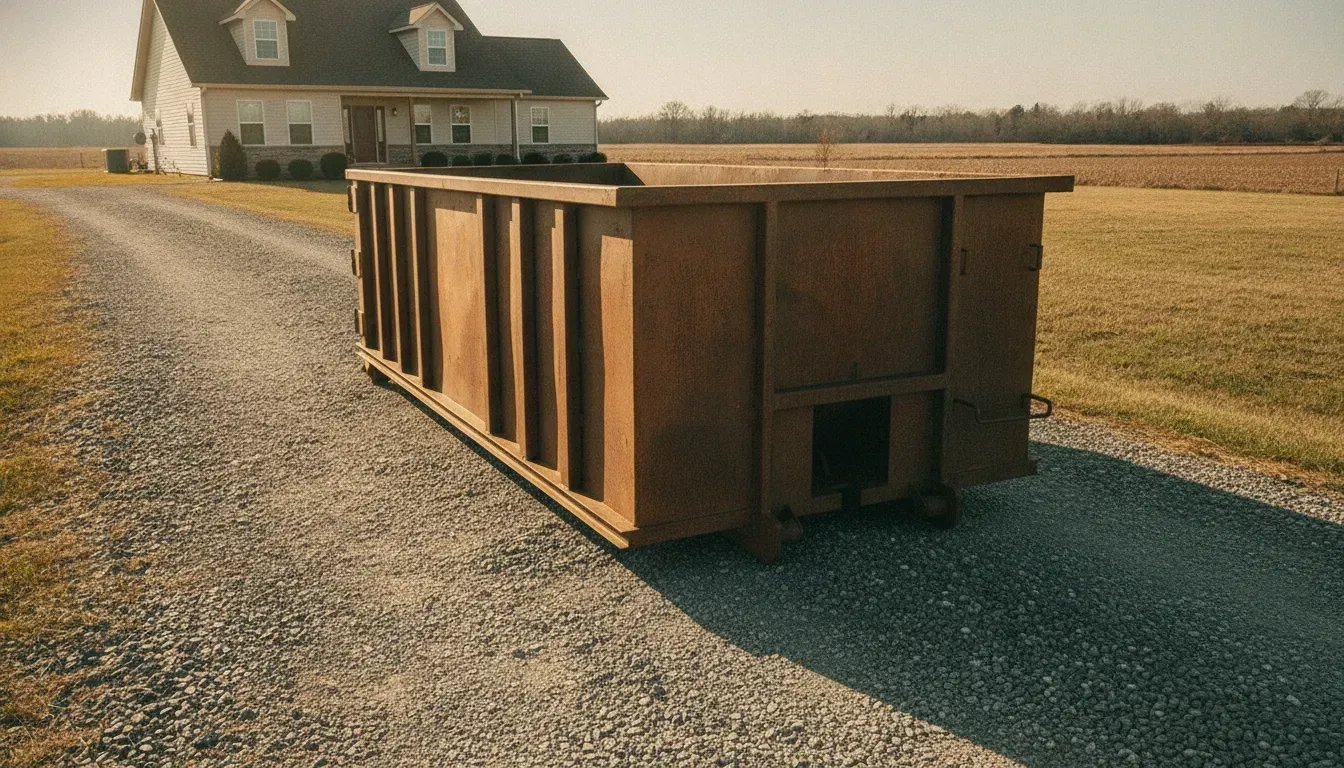
Driveway placement involves more than finding a footprint that appears large enough. Walk from the street to the proposed position. Look for narrow turns, parked vehicles, trailers, gates, low branches, overhead wires, slopes, soft ground, retaining edges, and shared access. A truck may need a clearer route than a person carrying material from the house.
Measure the proposed area and leave practical margin around the container. Move vehicles before delivery and decide where they will remain during the rental. Consider garage doors, sidewalks, fences, mailboxes, neighboring drives, and routes used by contractors. Do not place the container where it blocks an essential path without a plan for maintaining access.
Take photographs from the street, driveway entrance, and placement area. Share them when discussing the order if the route is steep, narrow, low, soft, or unusual. The company describes driveway-conscious placement and may use protective planks when needed. Discuss the practice for your property, but do not treat it as a guarantee that every surface is free from risk. Surface condition, load, and access differ by site.
Homeowners should check HOA, landlord, or neighborhood rules before delivery. Rules may address screening, street placement, approval, or rental duration. For a shared driveway, notify other users and agree on a delivery window. Property permission and access planning remain important even when the container will be placed on a private driveway.
Use this placement checklist
- Check the surface. Note paving, gravel, slope, cracks, soft edges, drainage, and nearby landscaping.
- Clear the route. Remove cars, trailers, bins, equipment, toys, and branches before the truck arrives.
- Check clearance. Look for wires, limbs, awnings, basketball goals, gates, and other overhead or side obstructions.
- Protect daily access. Plan for residents, contractors, emergency access, neighbors, and vehicles using a shared drive.
- Confirm changes. Tell the company if the planned location, date, or project changes before delivery.
A photograph from the driver's approach can reveal an obstruction that is not visible from the house. If the placement is close to a sidewalk or street, ask about the practical access plan rather than assuming the container can be placed anywhere that fits on paper.
What should you confirm before delivery?
Describe the complete address, project type, debris categories, preferred date, rental length, placement area, surface, slope, and access route. Mention dense, bulky, liquid, electronic, or unusual items before loading. Ask about paint, chemicals, batteries, tires, appliances, asbestos-containing material, and anything else that may require special handling. Keep uncertain items aside until you receive an answer.
The request page says a representative generally responds by the next business day. That is not an instant booking confirmation. Same-day options are advertised, but availability depends on the schedule and location. If the work has a firm start date or urgent cleanup need, call to ask about current availability rather than assuming a web submission means immediate delivery.
Review the dumpster rental FAQ and the About page before submitting details. Include questions about materials, access, delivery, pickup, and timing. Keep a copy of the information you send and remain available for follow-up.
Details to include in your request
- The Smyrna delivery address and best contact information.
- The project type, such as a renovation, move, garage cleanout, landscaping job, or small construction project.
- The expected material categories and any dense or unusual items.
- The preferred delivery date and number of days needed.
- The placement surface, route, slope, clearance, and nearby obstacles.
- Whether the driveway is shared or subject to HOA or landlord rules.
- Any change that could affect delivery, loading, or pickup.
How long should you rent the dumpster?
Choose the rental period based on the work sequence, not just the volume. Consider when demolition or sorting begins, how many people will load, whether contractors or deliveries are involved, and whether weather could interrupt the work. Reserve time for a final sweep and pickup preparation.
A one-day rental may suit a staged cleanup where decisions are complete, material is ready, helpers are available, and access is clear. Three days may suit a focused renovation, move, or long weekend. Seven days may suit work spread across several sessions, a larger cleanout, or landscaping performed around other schedules. These are planning examples; confirm the period and terms for your request.
More days do not create more container volume. If the container will fill early, a longer rental does not solve that capacity issue. Conversely, a container may be the right size but the wrong duration if the project will not start promptly. Think about volume and time as separate decisions.
Build a simple schedule. Before delivery, sort belongings, identify questionable materials, confirm placement, and gather helpers. At the start, establish a clear path from the work area. During the rental, load steadily, distribute dense debris, break down bulky items safely, and check the fill level. Near pickup, remove tools and belongings, inspect the load, and clear the truck approach.
What are the published rental prices?
Rapid Removal Dumpster publishes these prices for its 15-yard rental:
Rental period: One day. Published price: $349. May suit: Staged, concentrated cleanup.
Rental period: Three days. Published price: $375. May suit: Focused renovation or move.
Rental period: Seven days. Published price: $399. May suit: Work spread across several sessions.
The company also advertises no delivery fee. Confirm the price and conditions for your address, materials, date, rental period, and pickup plan. The difference between the one-day and three-day published prices is $26, and the difference between three and seven days is $24. That comparison is useful for planning, but the least expensive period is not always the easiest period to complete.
Do not assume a published rate answers questions about every material, schedule change, or pickup condition. Ask before delivery. A realistic rental window can reduce rushing, while an unnecessarily early delivery can occupy the driveway before the work is ready. Choose a period that matches the calendar and confirm it with the company.
How can you load safely and efficiently?
Gather gloves, sturdy footwear, suitable tools, and enough help for awkward items. Keep children and pets away from the truck and container. Do not climb into the dumpster. Do not lift an item alone if it is too heavy or unstable. Keep a staging area separate from the container for belongings that still need a decision.
- Sort first. Separate keep, donate, recycle, discard, and pending-confirmation items.
- Prepare bulky material. Disassemble or flatten suitable items only when doing so is safe.
- Load dense material low. Spread it across the bottom rather than placing all of it in one corner.
- Use space carefully. Fill reasonable gaps, but do not create leaning stacks or shifting piles.
- Stay below the rim. Keep loose material and protruding objects out of the load.
- Keep access clear. Tools, cords, branches, and bags should not block the driveway or carrying path.
- Inspect before pickup. Remove personal belongings and check for loose or overhanging material.
For a renovation, load stable pieces first and keep new materials separate from debris. For a cleanout, have one person make keep-or-discard decisions and another coordinate the route. For a contractor project, assign one person to monitor fill level, material questions, delivery, and pickup. Clear responsibility prevents everyone from assuming someone else is handling the schedule.
Weather can make debris slippery, heavy, or difficult to carry. Pause unsafe work rather than rushing to use every hour. Keep lightweight material contained after wind and check the load after wet conditions. Never assume an item is accepted simply because it fits inside the container.
What details matter for a move or cleanout?
Moving creates a mixture of unwanted furniture, packing remnants, broken goods, and storage items. Set aside everything being kept before loading starts. Label separate rooms or zones so a helper does not mistake a needed item for discard. Work one area at a time and finish the decision process before carrying material outside.
Bulky furniture occupies space quickly. Describe large pieces when requesting service and ask about appliances or electronics before loading them. Coordinate the container with movers, cleaners, and scheduled deliveries. Do not block the path used to carry boxes. Keep important documents, keys, medication, tools, and personal records outside the discard flow until the move is complete.
For a garage or attic, use adequate lighting and stable footing. Do not pull an item from an unstable stack. Ask for help with furniture and heavy boxes. Keep the route clear for every person carrying material, and keep pending items away from the container so they cannot be loaded by mistake.
What details matter for renovation and yard work?
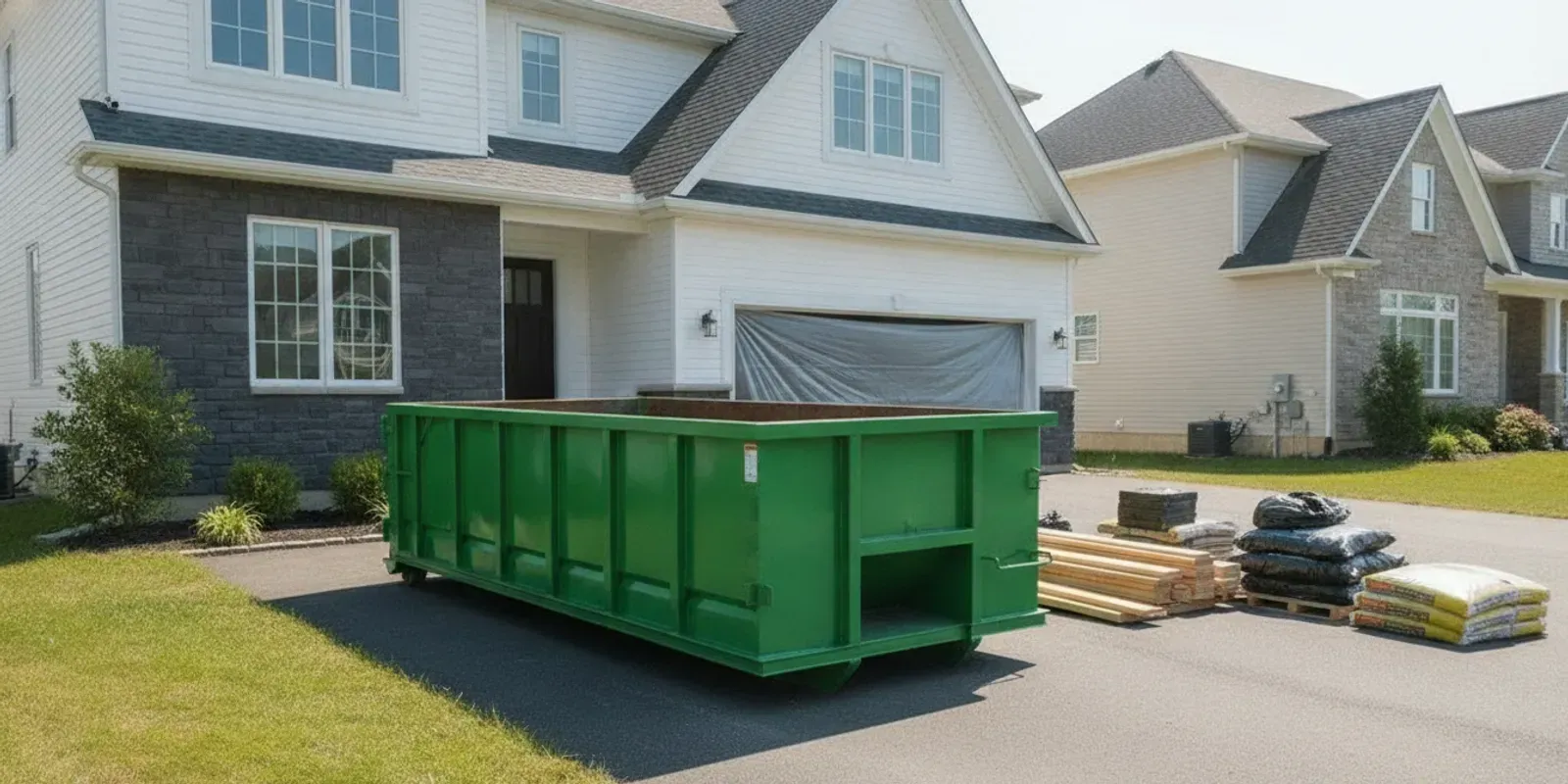
For a remodel, estimate debris by phase: removal, installation, and final cleanup. Flooring, cabinets, trim, drywall, fixtures, and packaging may appear at different points. Schedule the container when material will be generated, but do not let it block deliveries, tools, or contractor access. Keep walkways clear and describe dense material before loading.
For landscaping, plan where branches, soil, and other outdoor material will be staged. Ask whether each category is accepted and describe the approximate amount. Branches create irregular spaces, while dense soil or similar material can raise different weight questions. Keep piles away from sidewalks, drainage paths, neighboring property, and the delivery route.
For either project, consider neighbors and shared areas. Tell household members when delivery is expected. Keep loose debris inside the container, maintain a clean approach, and plan pickup before the work area becomes crowded with supplies. An orderly site makes loading and final collection easier.
How can contractors coordinate a customer-loaded rental?
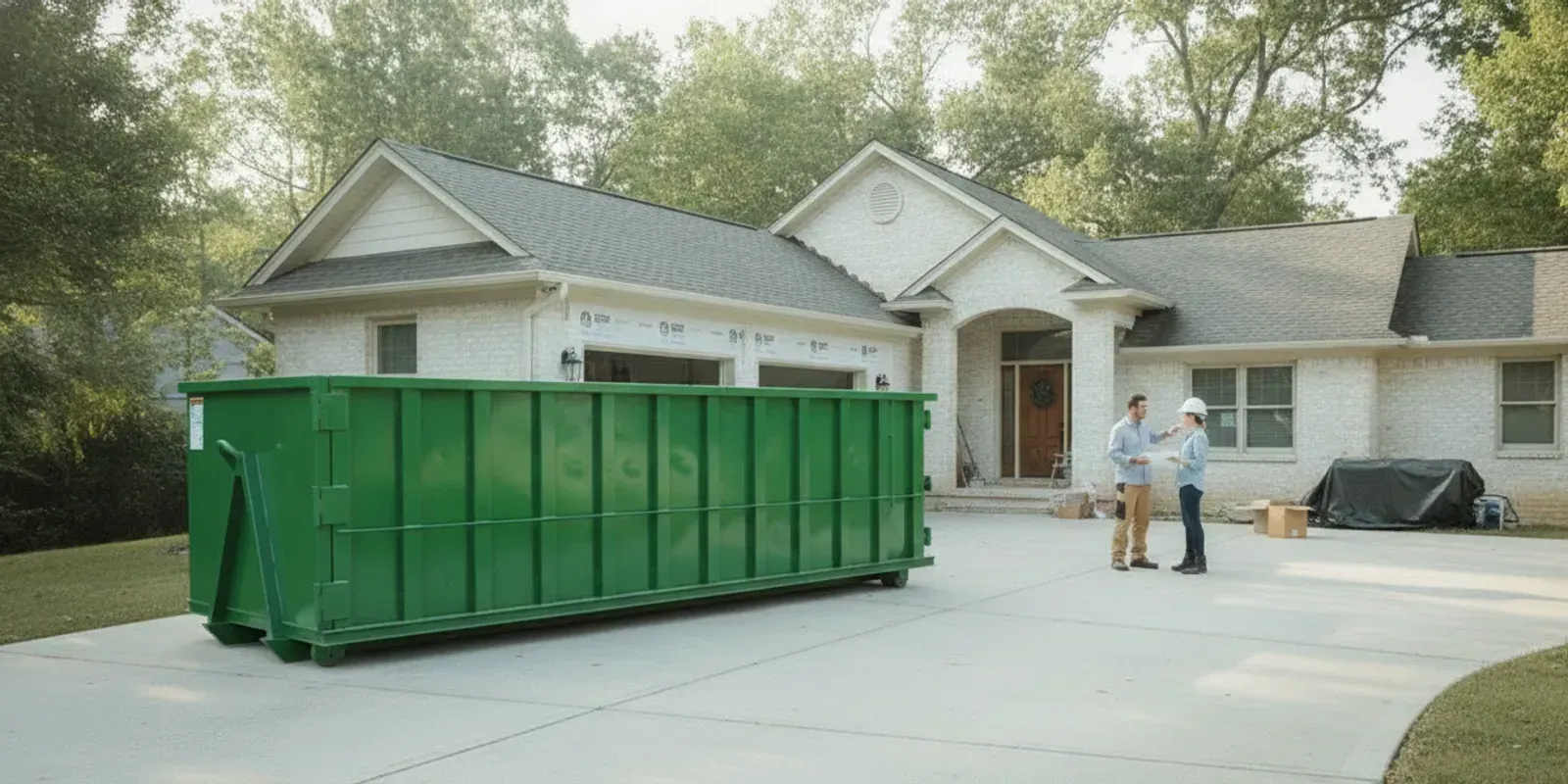
Small-project contractors can improve coordination by assigning one person to own rental details. That person should know the address, placement plan, expected materials, rental window, and pickup contact. The crew should know what may be loaded and what must remain outside pending confirmation.
Before work begins, identify where demolition debris will be staged and how it will travel to the container. Keep tools, cords, vehicles, and building supplies out of the truck route. If a homeowner remains at the property, explain when the driveway will be unavailable. Do not apply a different provider's material policy or placement assumptions to this rental; ask Rapid Removal Dumpster about unusual or dense material.
How do you request service in Smyrna?
Use the Request a Service form or call (615) 318-5102. Provide the address, project type, debris description, preferred delivery date, rental length, and driveway details. Call to confirm same-day availability rather than assuming a form submission means immediate delivery.
Rapid Removal Dumpster describes service in Rutherford County and nearby areas, with Smyrna among the target areas. Same-day options and no-contact delivery are advertised claims that depend on address, availability, and scheduling. Published hours are Monday through Friday from 7:00 a.m. to 6:00 p.m., Saturday from 7:00 a.m. to noon, and Sunday closed. Contact the company promptly if the date, placement, material, or pickup plan changes.
Frequently Asked Questions
Does Rapid Removal Dumpster serve Smyrna?
Smyrna is among the nearby areas targeted for service. Exact availability depends on the address, date, and site conditions, so confirm the address when requesting delivery.
What size is available?
The documented rental is a 15-yard roll-off measuring approximately 14 feet long, 7.5 feet wide, and 5 feet high. Ask about the material and project if you are unsure whether it fits.
How much does a 15-yard rental cost?
The published prices are $349 for one day, $375 for three days, and $399 for seven days, with no delivery fee advertised. Confirm the applicable price and conditions for your request.
Can the dumpster go on my driveway?
Driveway-oriented placement is part of the service. Discuss the surface, slope, approach, and clearance. Protective planks may be used when needed, but conditions differ by property.
Can I get same-day delivery?
The company advertises same-day options, but availability varies by date and location. Call (615) 318-5102 to ask.
Who loads the container?
The rental is customer-loaded, so you or your project crew place material inside. Plan helpers, safe paths, and suitable equipment before delivery, and do not climb into the container.
What if the project takes longer?
Contact Rapid Removal Dumpster as soon as the schedule changes. Do not assume the container can remain past the planned period or that pickup automatically moves to a later date.
Request a Smyrna dumpster rental
With a measured placement area, realistic rental period, and confirmed material and pickup details, your Smyrna renovation, move, or cleanup can proceed with a clearer plan through final collection.