Residential vs. Commercial Dumpster Rental: Which Fits Your Project?
Compare residential and commercial dumpster rental needs in Murfreesboro and Rutherford County, from project scope and placement to access and timing.

When you compare residential vs commercial dumpster rental, the first question is not simply whether the project is at a home or a business. The better question is what you need to discard, where a container can sit, and how delivery will work around people and schedules. For homeowners, contractors, and small businesses in Murfreesboro and Rutherford County, those details help determine whether a 15-yard rental is a practical match.
What is the difference between residential and commercial dumpster rental?
Residential and commercial describe the setting and work plan, not necessarily two different container sizes. A residential rental may support a home remodel, move-related cleanout, garage project, or landscaping cleanup. A commercial rental may support a small construction job, a business cleanout, or work at a property managed by a contractor or business owner.
For both types, the practical questions are similar: how much material will the project create, where can the container be placed, what route will the delivery vehicle need, and how long will the work take? The answers can differ. A homeowner may need to keep a driveway entrance open for family vehicles. A contractor may need to coordinate access with workers or other scheduled activity. A business may need to avoid blocking an entrance or a regularly used parking area.
Rapid Removal Dumpster focuses on customer-loaded 15-yard roll-off rentals. The same basic container can be considered for a home project or a small business or construction project, but the customer should describe the actual job rather than assume the word âcommercialâ changes the equipment or rental terms. Review the commercial rental information and explain the site and scope when requesting service.
Which projects may fit a 15-yard rental?
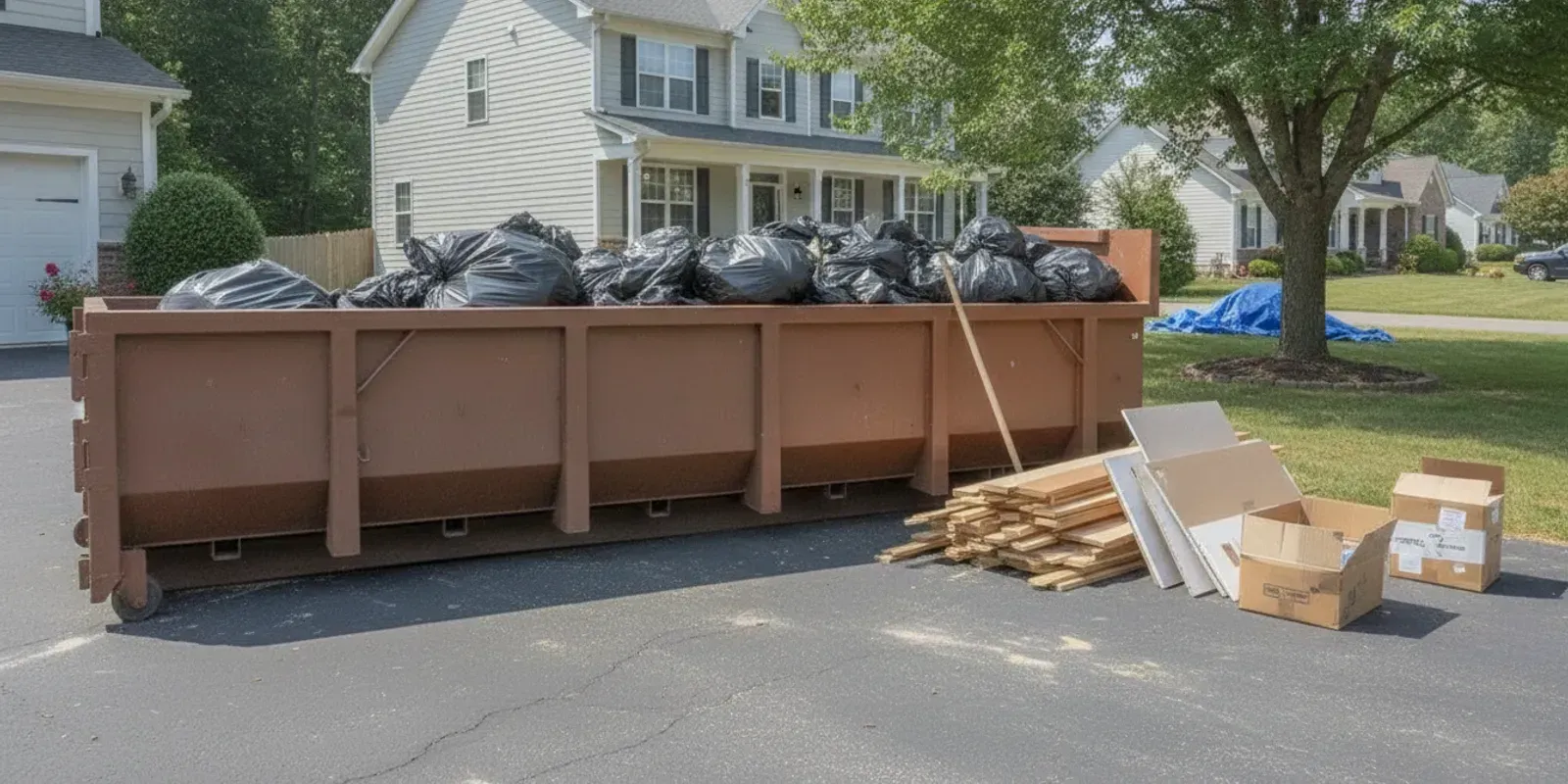
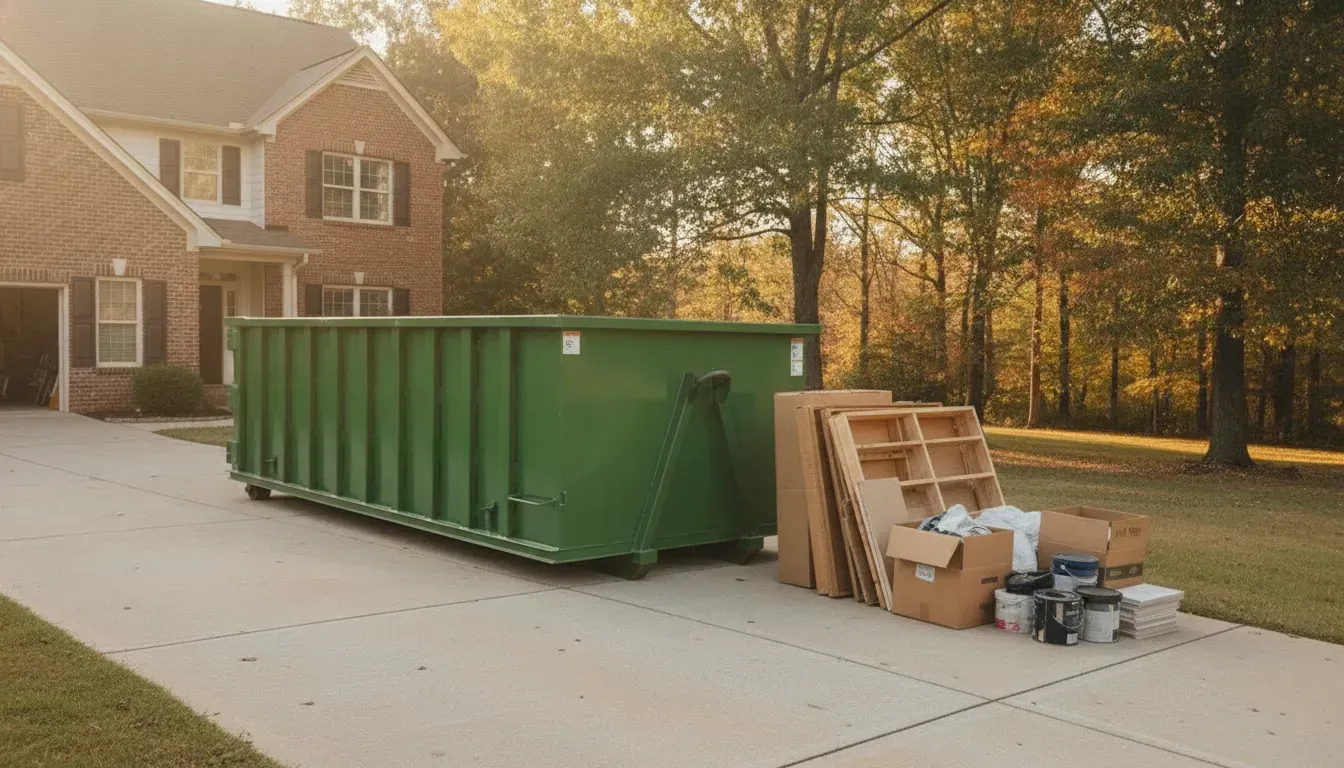
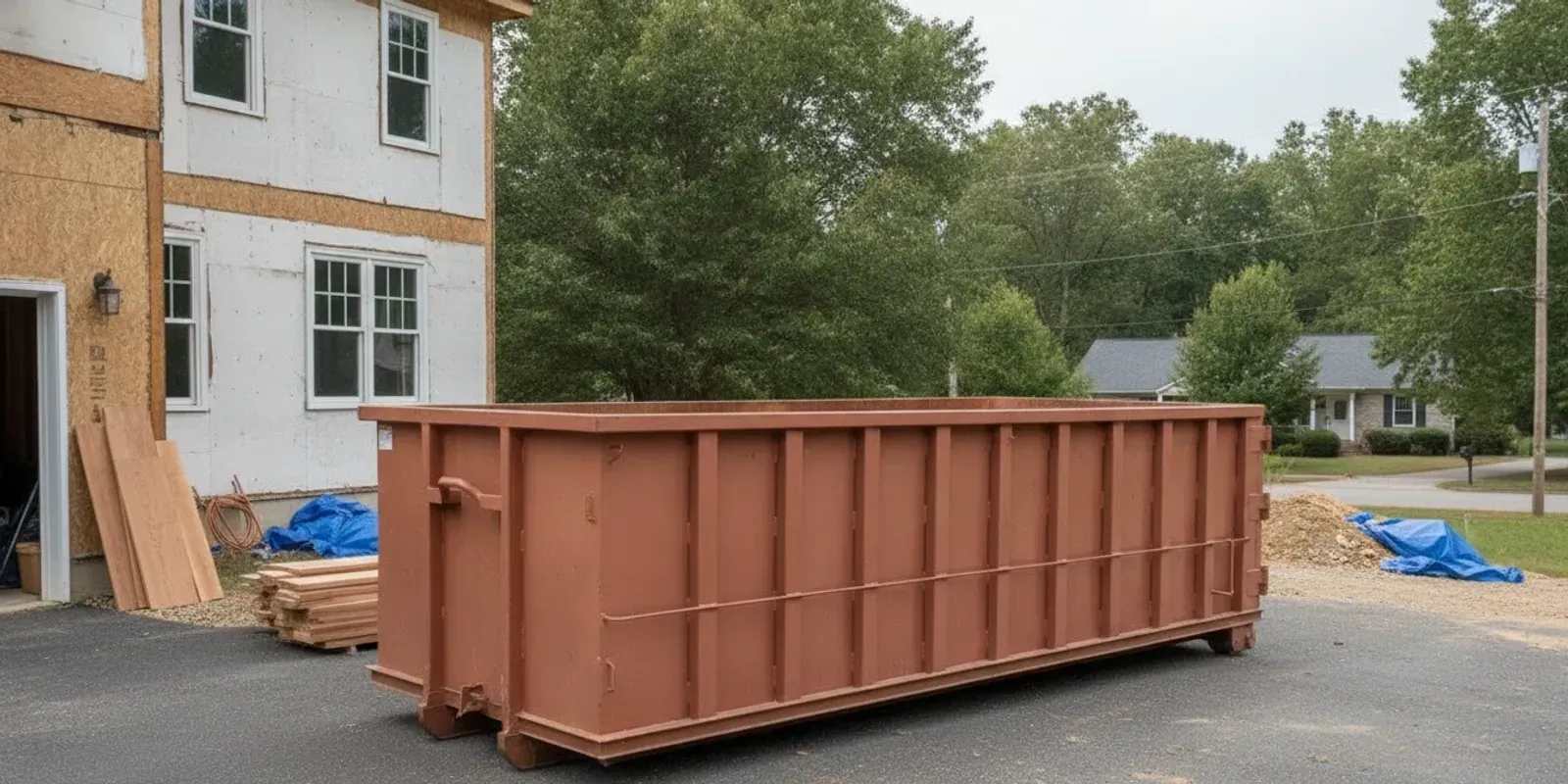
A 15-yard container is intended for a project with a defined volume of material that can be loaded by the customer. It can be a candidate for a bathroom or kitchen renovation, a home cleanout, moving debris, landscaping material, or a smaller deck demolition. A small contractor may also consider it for a limited construction or renovation job. The right fit depends on the debris, the jobâs scope, and the containerâs usable capacityânot the customerâs residential or commercial label alone.
Before requesting a container, walk through the work area and make a rough inventory. List large items separately from bags, boards, and loose debris. Estimate how many rooms, cabinets, sections of yard, or work areas are involved. Note anything bulky or unusually heavy. A rough list is more helpful than saying only âa remodelâ or âa cleanout,â because those descriptions can cover very different amounts of material.
- Home renovation: Identify the rooms and phases that will generate waste. A contained bathroom update is different from a multi-room renovation.
- Move or property cleanout: Count the rooms, storage areas, and large pieces being cleared. Separate items that will be kept or donated from debris that is actually going into the container.
- Yard or landscaping work: Describe the type and approximate amount of material. Do not assume every material is accepted; ask about the specific items before loading.
- Small construction job: Explain the work area, job duration, and expected debris. A limited repair can have a different waste profile from a larger build.
- Business cleanout: Identify the rooms, fixtures, or storage areas involved and whether the container would be near an entrance, parking area, or delivery path.
If your inventory suggests that the load may exceed one 15-yard container, or if you are unsure whether a material is suitable, describe that uncertainty in your request. Do not plan around an assumed second container or a different size; the listed service is a 15-yard rental. The dumpster size guide can help you think through dimensions and capacity, while the service team can respond to questions about the particular job.
How does the work setting change the placement plan?
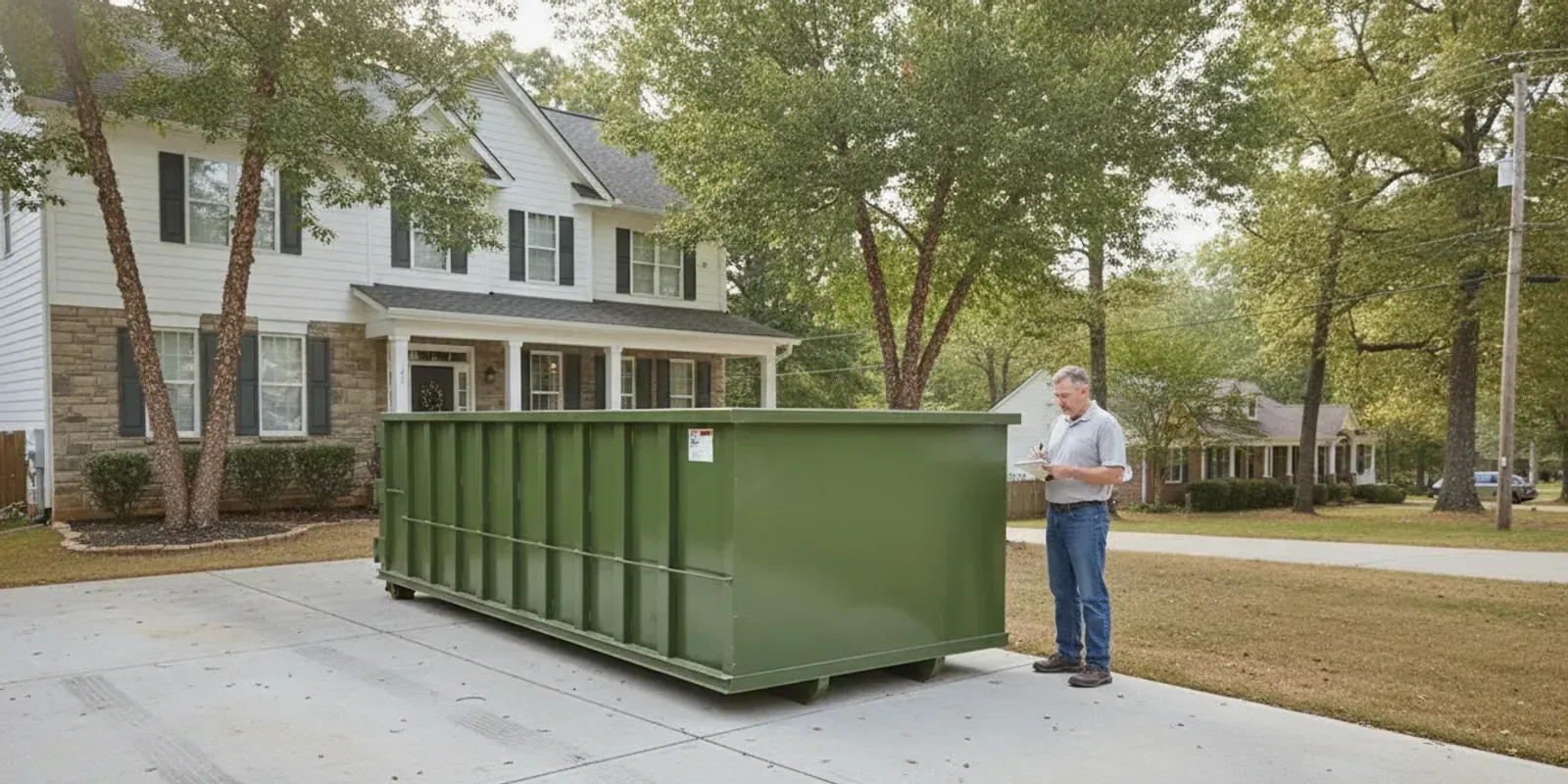
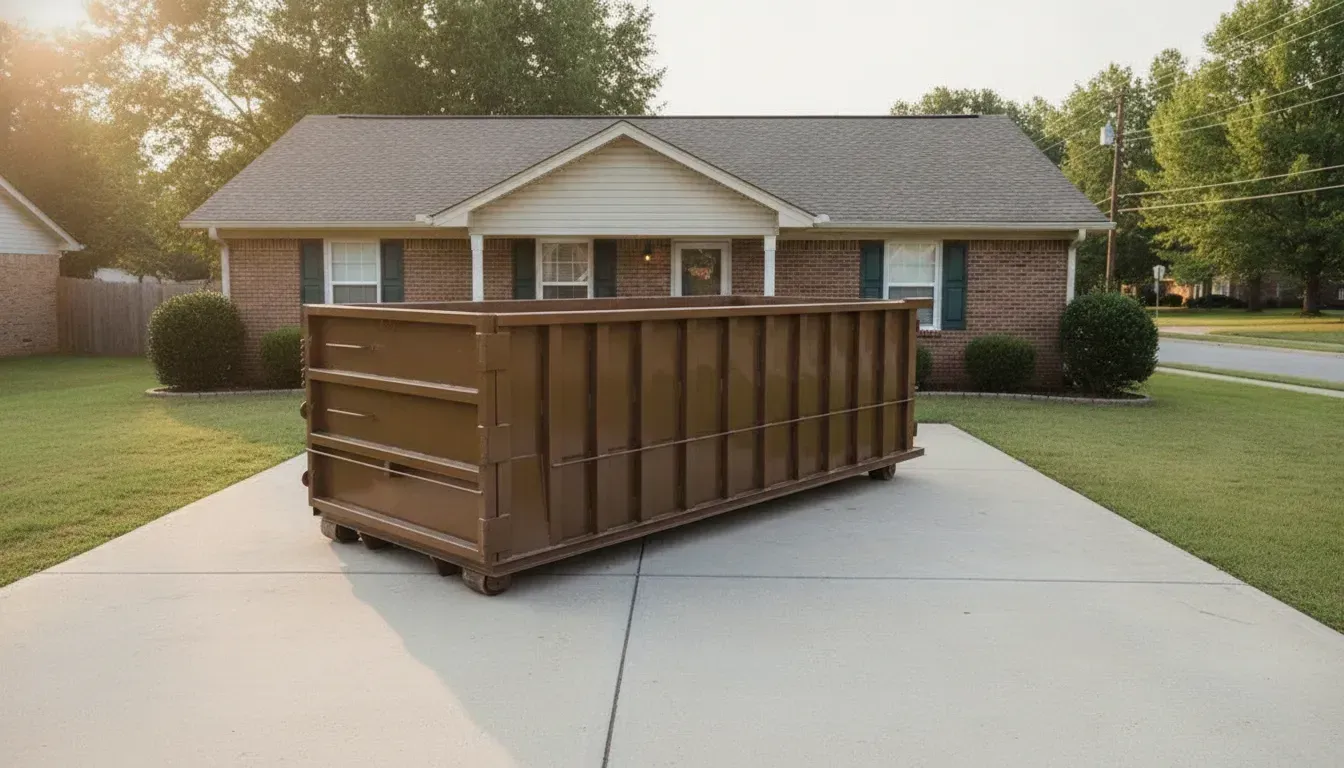
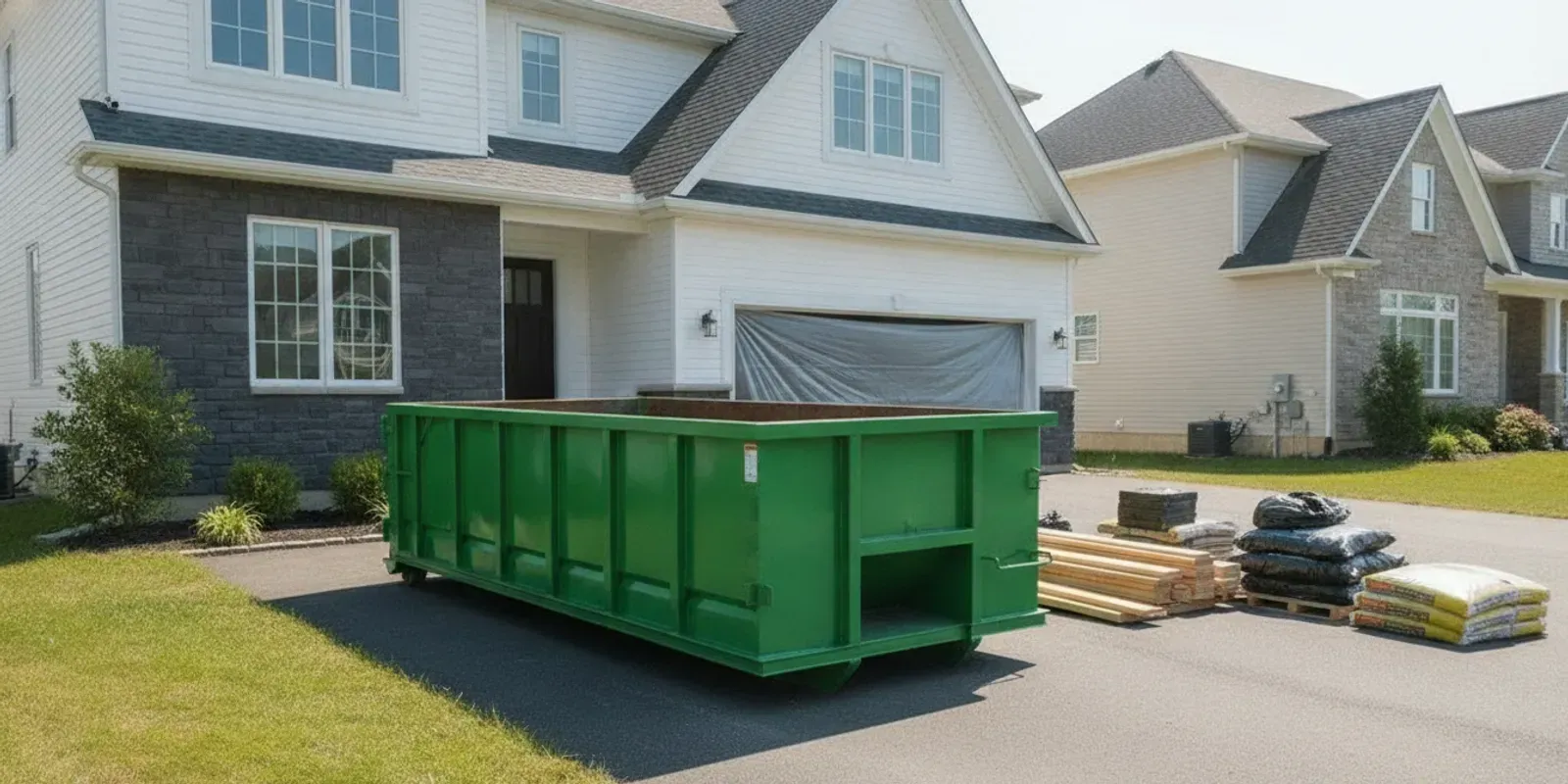
Placement is often where residential and commercial jobs differ most. At a home, the container may be placed in a driveway or another suitable area on the property. At a business or job site, the available area may be shared with customers, employees, deliveries, contractors, or other vehicles. In either setting, the placement area must be considered together with the truckâs access route and the space needed to work safely.
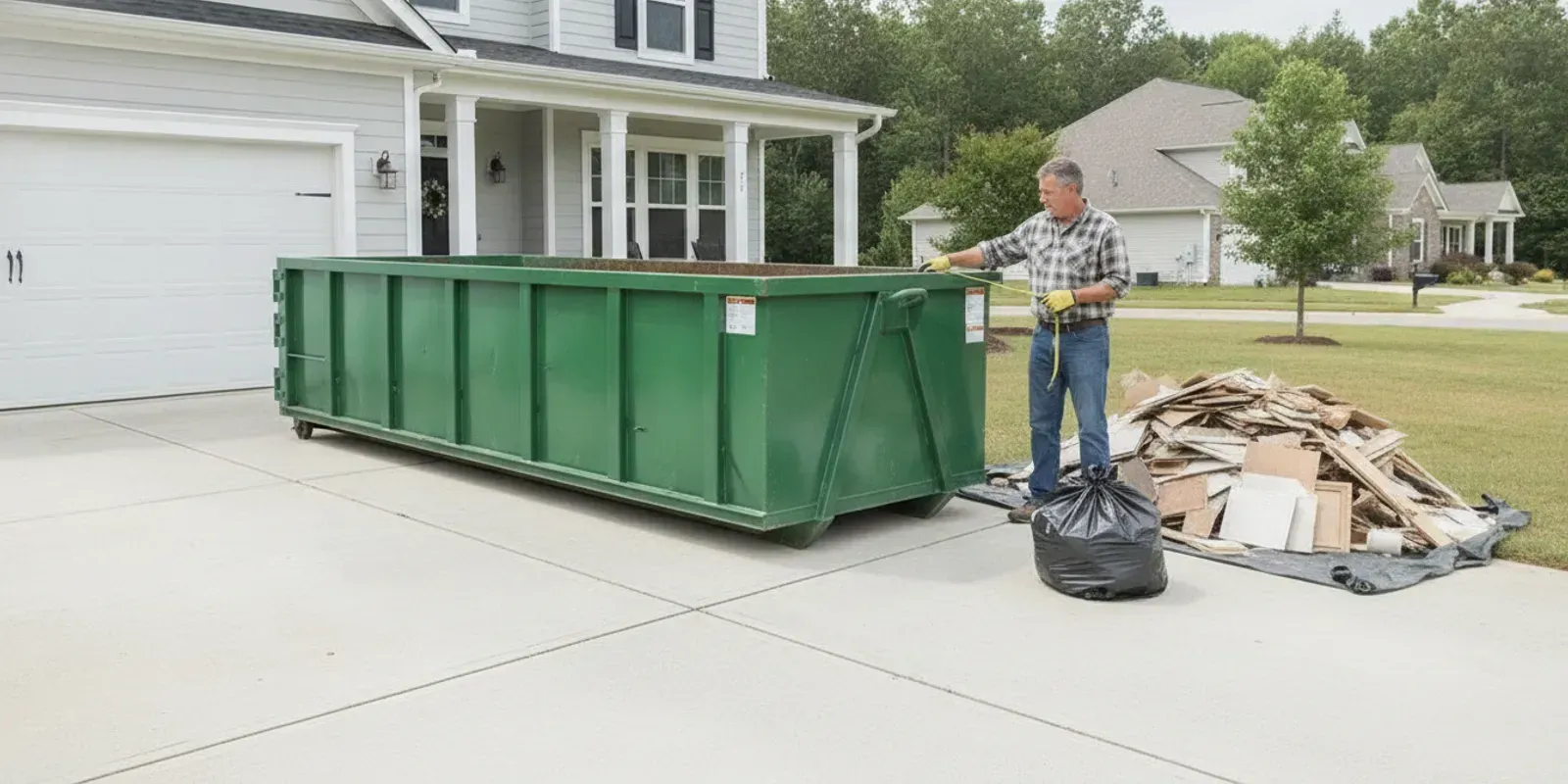
Start by identifying a preferred location and a backup. Measure the available length and width, then check for overhead obstructions and anything that narrows the approach. Look at the entire route from the street or entrance to the proposed placementânot just the empty spot itself. A clear area can still be difficult to reach if parked vehicles, gates, landscaping, or other obstacles restrict access.
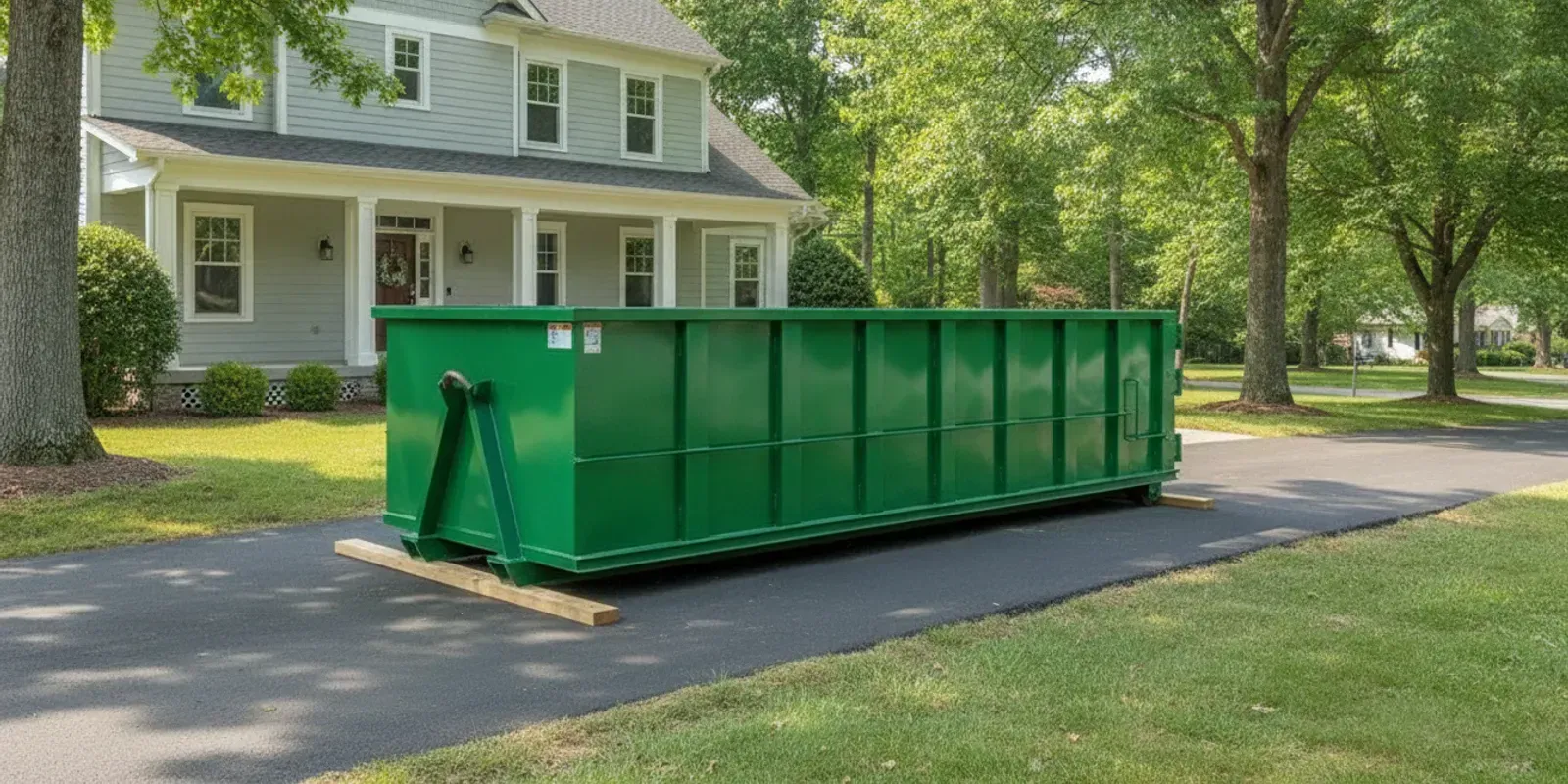
The listed 15-yard container footprint is approximately 5 feet high by 14 feet long by 7.5 feet wide. Measurements help with planning, but they do not by themselves establish that a location is suitable. Leave room for delivery and placement, and tell the service team about slopes, tight turns, low branches, gates, or other constraints. If you have doubts, share measurements and photos through the request process if available, or ask how best to describe the location.
Residential placement checks
- Decide whether a driveway location would interfere with a garage door, routine vehicle use, or access to the home.
- Check whether vehicles can be moved before delivery and whether the approach will remain open at the scheduled time.
- Look for visible cracks, uneven areas, soft ground, slopes, edging, and landscaping near the intended spot.
- Consider how family members, visitors, or neighbors will move around the container while the project is underway.
- If surface concerns matter to you, describe them before delivery. Protective planks may be used when necessary, but no placement method should be treated as a written guarantee against surface damage.
Commercial and job-site placement checks
- Confirm who controls the proposed area and whether you have permission to use it.
- Identify employee, customer, tenant, contractor, and delivery routes that must stay clear.
- Check the entrance and turning path for parked vehicles, gates, loading areas, and overhead clearance.
- Choose a placement area that supports the project without blocking essential access or routine site activity.
- Assign one person who can meet the driver or answer questions about the planned location, if coordination is needed.
In both cases, a driveway-conscious approach starts with a clear conversation about the surface and access. Rapid Removal Dumpster says protective planks can be used when necessary. That is a placement practice to discuss, not a promise that a driveway or other surface cannot be marked or damaged. The placement information offers additional context for planning a driveway location.
What access details should you share?
A useful request describes how a delivery vehicle will reach the proposed spot. For a home, mention a narrow driveway, shared entrance, gate, steep approach, parked cars, or a location that is not immediately visible from the road. For a business or job site, explain whether the driver must pass through a gate, use a particular entrance, coordinate with a site contact, or avoid a busy part of the property.
Think about access at the time of delivery, not only when you inspect the area. A driveway may be open during the evening but occupied on a weekday morning. A contractor may expect a work zone to be clear, while a supplier or another crew has a separate arrival planned. A shop may have customer parking that fills at certain times. Share the conditions that could change, and identify any temporary barriers that need to be moved beforehand.
It also helps to distinguish the delivery path from the loading path. The truck needs access to place the container; the people doing the project need a practical route to carry debris to it. Avoid planning a route that crosses a busy doorway or requires carrying bulky items around vehicles. A small adjustment to the placement plan can make repeated loading easier and reduce the chance that the work area becomes disorganized.
Rapid Removal Dumpster serves Rutherford County and nearby areas, including Murfreesboro, Smyrna, La Vergne, Lebanon, Eagleville, and Lascassas as described in its service-area information. Confirm that your address and requested date can be served rather than assuming every nearby address has identical availability. Use the rental FAQ for common planning questions, and include your exact project location when you request service.
How should you plan the rental period?
Choose a rental period based on the work that must happen while the container is on site, not just the day you expect to start. For a home project, consider preparation, demolition or cleanout, loading, and final tidying. For a contractor or business, consider work shifts, access windows, the sequence of trades, and any time when the site cannot be disturbed.
Rapid Removal Dumpster publishes these 15-yard rental options: $349 for one day, $375 for three days, and $399 for seven days, with no delivery fee. These are the published rates for the stated durations. When requesting service, confirm the rental period that applies to your dates and ask any questions about what is included or how a schedule change is handled. Do not assume that a price or duration answers every question about a particular project.
When a one-day period may be worth considering
A one-day period may be a fit when the project is already prepared, the debris is ready to load, and the people doing the work can focus on the job during the planned window. This could suit a concentrated cleanout or a tightly organized work phase. Before choosing it, make sure items are sorted, the access route is clear, and everyone knows where material should go. A short period can feel rushed if preparation is still unfinished.
When a three-day period may be more practical
A three-day period gives a project more than a single workday to progress. It may be easier to coordinate with a renovation schedule, a move, or a small job that needs several stages. For a business, the additional days may help fit loading around operating hours. Plan the start date around the point when debris will actually be ready, rather than having the container arrive well before work begins.
When to consider the seven-day period
A seven-day period may better match work spread over several days, especially when the project depends on household availability, multiple work sessions, or a sequence of tasks. It can also reduce pressure to finish every loading task in one short window. Even with a longer period, organize the work so the container does not arrive before the site is ready or remain in a location that disrupts essential access longer than planned.
For any option, build in realistic time for sorting, carrying, and cleanup. If a contractor or another person is doing the work, ask when debris will be ready and whether the site schedule is firm. If your dates are uncertain, state that before confirming the request. The rental cost guide provides related background, but your service request should confirm the current duration and details for your specific job.
How do the plans differ for a homeowner, contractor, or business?
The same basic rental questions apply across project types, but a useful plan accounts for how people will work at the property. Consider three common examples before choosing a location or rental period.
Example: a homeowner remodeling a bathroom
A homeowner working on one bathroom may be able to organize demolition and loading in a defined sequence. Before delivery, identify which fixtures and materials are part of the cleanout, confirm any material questions, and move the household vehicles that could block the driveway. If the renovation has more than one phase, decide when debris will be ready rather than scheduling the container simply for the first day a contractor arrives. A project can start with measuring and preparation before it produces anything to load.
Also consider the route from the room to the container. If people need to move heavy or bulky pieces through a narrow hall or around parked cars, the placement location may affect how convenient the work feels. Leave a manageable path and keep the loading area orderly. If the driveway surface, slope, or nearby landscaping concerns you, mention that when you request service and discuss placement before delivery. A short, specific description gives the service team a better basis for addressing the concern than a general request to âbe careful.â
Example: a contractor completing a small renovation
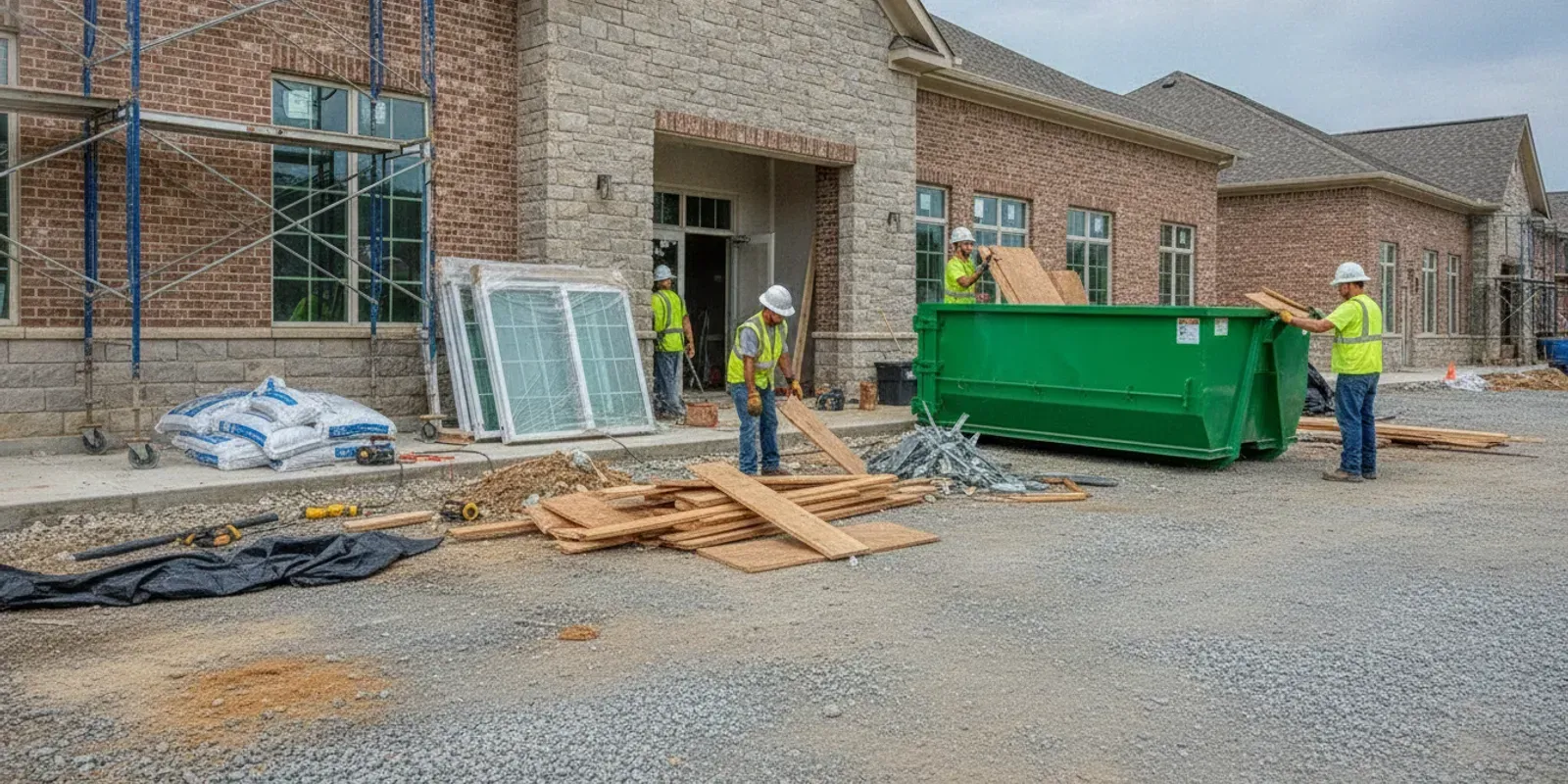
A contractor may have to coordinate the container with a work crew, material deliveries, and the property ownerâs access needs. Set a proposed drop area that is not also the main staging area for tools or supplies. Check that workers can carry debris to it without crossing an active vehicle route. The person submitting the request should confirm that the property owner or site contact has approved the location.
Timing deserves special attention if the work depends on another trade or a delivery. If the debris-generating phase could shift, communicate the possible date range and ask how to handle scheduling changes. Avoid treating a website request as confirmation of a reserved time; wait for the service details to be confirmed. A clear project description should include the work phase, the likely start date, the preferred rental duration, and the access constraints that could affect a driver.
Example: a small business clearing a storage area
A business cleanout may be manageable in volume yet difficult to place around normal activity. Map customer entrances, employee paths, loading areas, and any parking spaces that need to remain usable. Choose a work window and container position that reduce interference with those routines. Tell the service team if access is limited to certain hours or if a site contact needs to open a gate.
Before the cleanup begins, make a sorting plan for items to keep, items to move elsewhere, and debris intended for the container. That distinction helps prevent last-minute loading confusion and makes the actual job easier to estimate. If the area contains equipment or materials with uncertain disposal requirements, ask about those specific items instead of assuming they can go in the dumpster. A business should also decide who has authority to approve the rental period and placement so the request does not stall while the schedule is being finalized.
These examples show why the label alone is not enough. A small residential renovation may need careful access planning, while a business project may be compact but constrained by operating hours. A contractorâs main challenge may be keeping a changing work sequence coordinated. Describe the real conditions and the recommendation can be based on the job rather than a general residential-versus-commercial assumption.
What should each type of customer prepare before delivery?
Preparation has a shared purpose: make the placement area accessible and make the loading plan clear. The details vary depending on who uses the site and how many people will work there.
For homeowners
- Sort what is being removed from what will stay. Keep reusable or donated belongings out of the debris staging area.
- Choose a container location that is convenient for loading but does not unnecessarily interfere with daily access.
- Move vehicles and loose objects that could restrict the approach or take up the planned placement space.
- Tell household members where the loading area is and keep children and pets away from active work and vehicle movement.
- Ask about any material you are uncertain about before placing it in the container. Do not infer acceptance from a general project description.
For contractors and small businesses
- Name a site contact who knows the delivery plan and can explain access conditions.
- Coordinate the placement with the work sequence, other crews, and routine site activity.
- Tell employees or subcontractors which area is reserved for the container and which routes must remain open.
- Set a consistent process for loading so bulky material does not obstruct access or create an untidy work zone.
- Review timing with the people responsible for the project before choosing the rental period.
Commercial does not automatically mean a large construction site or a long-term arrangement. This service is a temporary, customer-loaded 15-yard rental. If your work depends on a different container, crew-loaded removal, or another arrangement, do not assume those services are available; describe the need and ask what can be provided. The roll-off rental overview explains the basic delivery-and-loading model.
How can you make a realistic project and loading plan?
A practical estimate begins with the work, not an imagined container capacity. Walk each area where debris will be generated and note what is being removed, how bulky it is, and when it will be ready. A kitchen project might generate debris in stages as cabinets, flooring, and fixtures are taken out. A garage cleanup may involve mixed items gathered over several sessions. A contractorâs job may create material at a faster pace during one phase and very little during another. These patterns affect the useful rental period even when the overall project seems similar.
Sketch a simple route from the work area to the proposed loading point. If several people will load, identify where items can wait without blocking a doorway, vehicle route, or work zone. Keep the material staging area separate from things that are staying. This reduces the chance that useful items are mixed into the debris and gives the people doing the work a consistent place to bring material.
Then compare your calendar with the actual work sequence. Mark preparation, the first day debris is expected, the main loading days, and the point at which the work area will be clear. For a business or contractor, include any day when access is unavailable or a crew cannot work. For a homeowner, include days when the household cannot move vehicles or supervise a delivery. Use this timeline to choose between the published one-, three-, and seven-day periods, then confirm your selected dates and current details with the service team.
If the scope changes after you request service, communicate the change rather than relying on the original plan. A room added to a renovation, a delay in a subcontractorâs work, or a new access restriction can affect the placement or timing. An early update gives everyone a chance to discuss the changed requirement before the container arrives or the work window passes.
How can you decide whether the project is a good fit?
Use these questions to make a preliminary decision before you submit a request:
- Is the project within the service area? Provide the exact address and confirm delivery eligibility for that location.
- Is the amount of debris plausible for one 15-yard container? Describe the work and material rather than relying on a vague project label.
- Can a container be placed in an accessible area? Measure the proposed space and explain the route, overhead conditions, and surface concerns.
- Can the project load the container during the chosen period? Account for preparation, workdays, coordination, and likely interruptions.
- Are there material questions? Ask about specific items before loading them.
- Does anyone else need to approve or coordinate the placement? For a rental property, shared site, or business, identify the person with authority to confirm the area and timing.
If the answer to one of these questions is unclear, that does not automatically rule out a rental. It means the details should be discussed before delivery. For a home cleanout, the key uncertainty may be volume. For a contractor, it may be the schedule or access route. For a small business, it may be keeping customer and employee movement clear while the project is underway.
What information makes a service request useful?
A clear request lets the service team understand the job and identify questions that should be resolved before scheduling. Include:
- Your project address and the type of work: renovation, move-related cleanout, landscaping, small construction, or business cleanup.
- A concise description of the materials and an estimate of the areas or volume involved.
- Your preferred delivery date and the rental duration you are considering.
- The proposed placement spot, its approximate dimensions, and any surface concerns.
- Access notes such as gates, slopes, turns, low branches, parked vehicles, busy entrances, or restricted hours.
- A contact person who can answer follow-up questions and coordinate the site.
Rapid Removal Dumpster lists one-day, three-day, and seven-day rates for its 15-yard rental, and advertises no delivery fee. Confirm the applicable option for your location and dates. The company offers a request form and lists phone contact at its contact page. A web request is a request for service, not a guarantee that a particular date or placement has already been confirmed.
Request service for your project
Frequently asked questions
Does a commercial project require a different dumpster than a residential project?
Not necessarily. Residential and commercial refer to the project setting. Rapid Removal Dumpsterâs documented rental service centers on a customer-loaded 15-yard roll-off container. Explain the site and the work so the service team can discuss whether that option fits.
Can I use a 15-yard dumpster for a home renovation or a small business cleanup?
A 15-yard rental may suit some renovations, cleanouts, and smaller jobs, depending on the amount and type of material. Describe the areas involved and ask about any materials you are unsure of before loading.
Will the container damage my driveway?
No placement method should be treated as a guarantee that a driveway or other surface cannot be damaged. Share surface concerns in advance. Protective planks may be used when necessary, and the intended placement should be discussed before delivery.
What rental periods and prices are published?
The published 15-yard options are $349 for one day, $375 for three days, and $399 for seven days, with no delivery fee. Confirm the duration and applicable details for your address and schedule when requesting service.
What if I am unsure whether my address or project qualifies?
Provide the exact location, project description, expected material, and preferred dates through the service request form or by contacting Rapid Removal Dumpster. Ask the service team to confirm availability and suitability before relying on a delivery date.
The right rental plan starts with an accurate description of the project, a realistic placement plan, and a rental period that matches the work. Gather those details before requesting service so your home, contractor, or business project can be discussed clearly.