Dumpster Rental vs. Bagster: Which Works Better for Your Cleanup?
Compare a dumpster rental and a bag-based cleanup option by debris volume, loading, placement, timing, and cost. Find the right fit for your home project.

When you compare dumpster rental vs bagster, the useful question is not simply which container looks smaller or costs less at first glance. It is which option fits your debris, available space, work schedule, and collection plan. For homeowners in Rutherford County and surrounding areas, Rapid Removal Dumpster offers a customer-loaded 15-yard roll-off for renovations, moves, cleanouts, landscaping, and smaller construction projects.
What are you actually comparing?
A roll-off dumpster is delivered to a prepared location, stays there for an agreed rental period, and is loaded by the customer or project team. A bag-based disposal option generally involves buying or arranging a large bag, filling it where allowed, then arranging collection under that provider’s terms. The exact bag size, materials accepted, weight limit, pickup method, and fee structure depend on the service. Check its current rules rather than treating every bag option as identical.
The difference affects how you organize the whole cleanup. A roll-off creates one large, fixed loading point for repeated trips. A bag may be convenient to store before use and can suit a constrained project, but the bag’s capacity and collection conditions can shape what you can remove and when. Both options require you to sort and load the debris unless the agreement specifically includes labor.
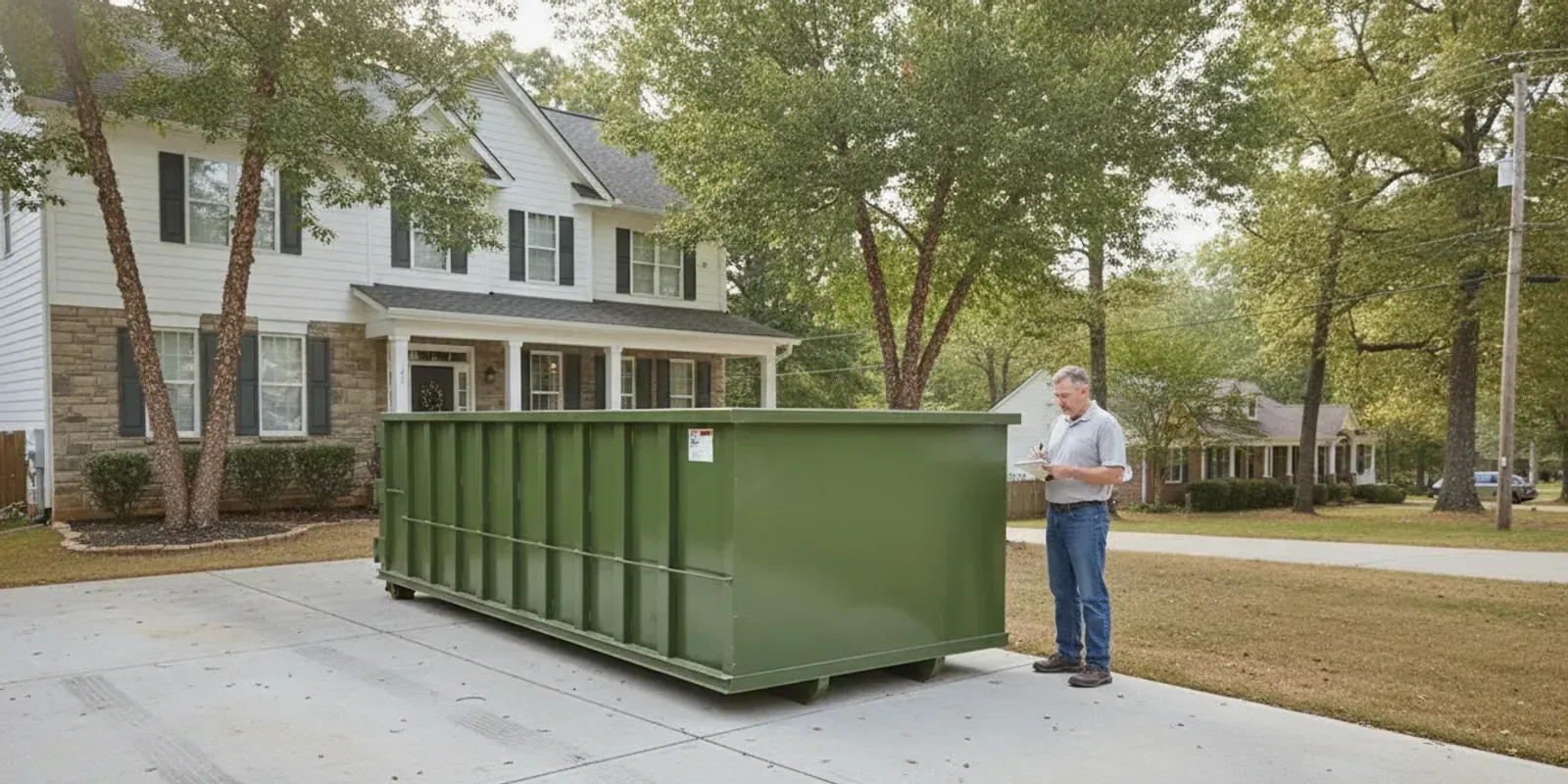
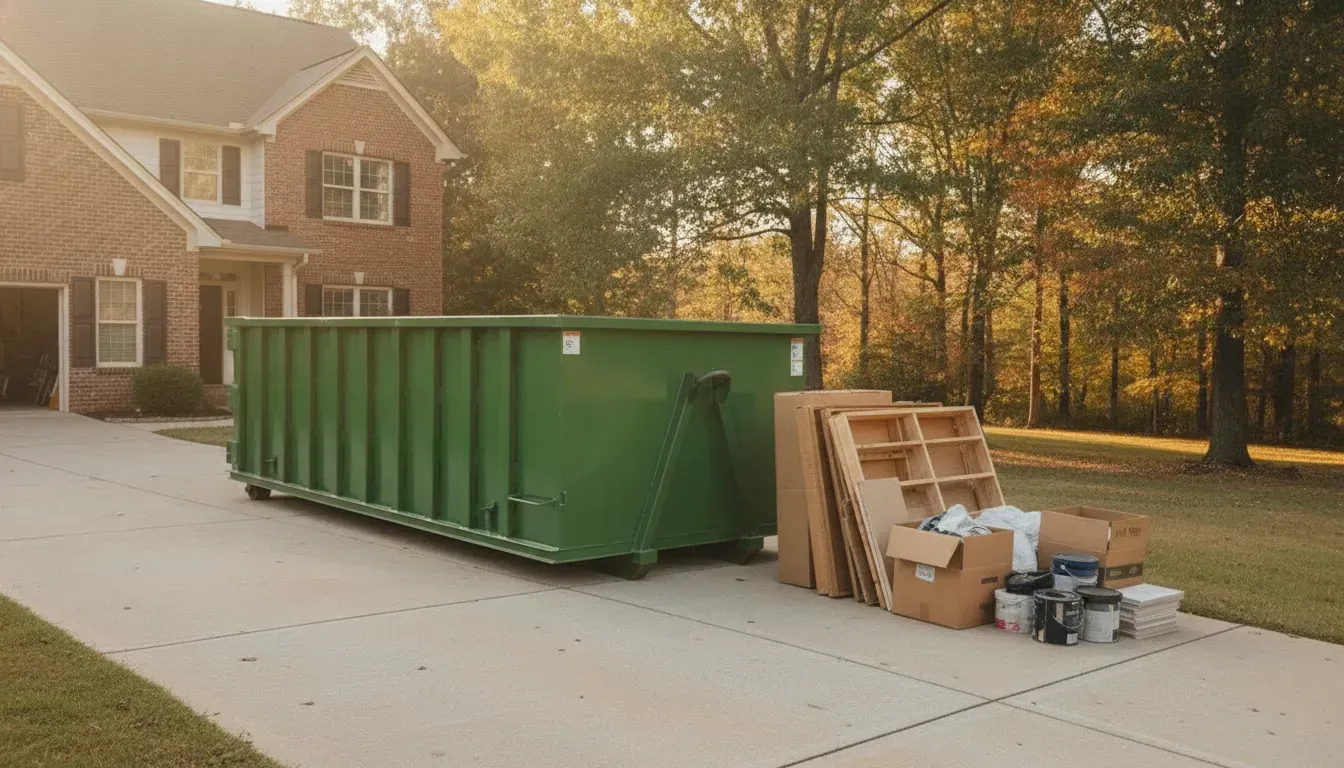
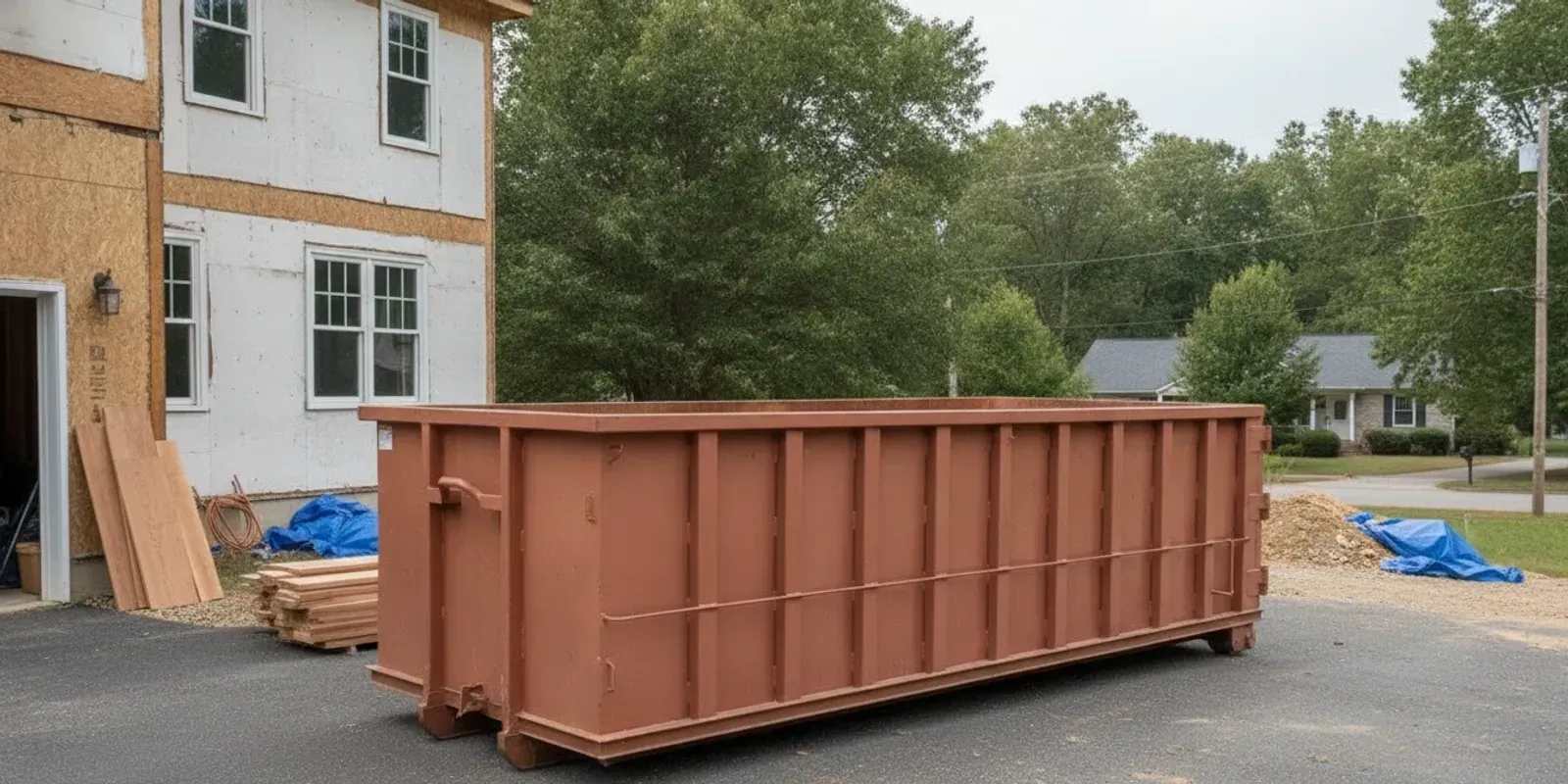
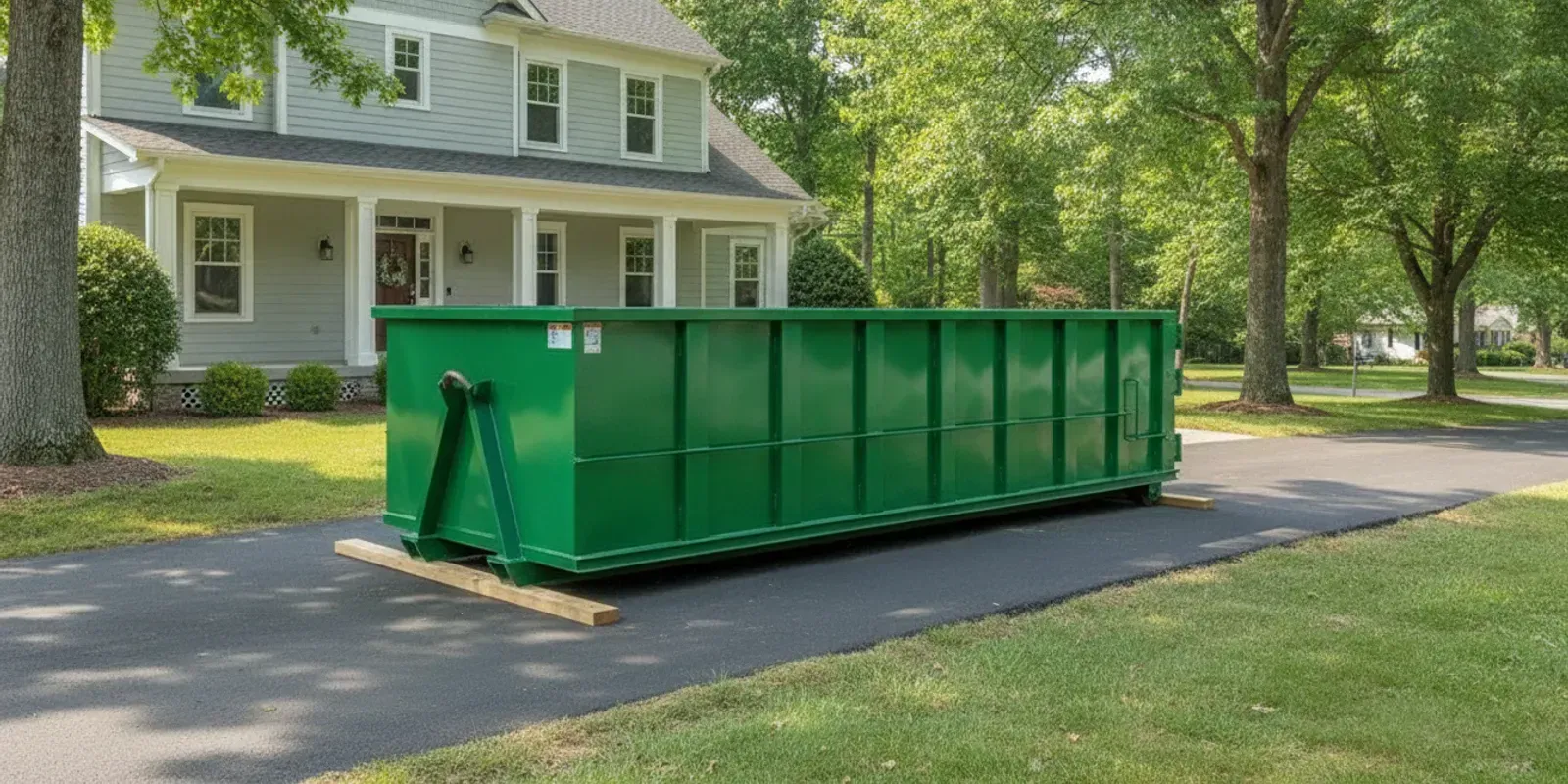
Rapid Removal Dumpster focuses on a 15-yard roll-off, measuring about 5 feet high, 14 feet long, and 7.5 feet wide. Those dimensions describe the container, not all the maneuvering room needed for delivery and removal. Review the company’s 15-yard rental and placement details and assess your own access before you settle on a plan.
How much debris will your project create?
Start with a concrete inventory. Walk the rooms, garage, yard, or work area and write down what is actually leaving: broken cabinets, flooring, drywall, shelving, furniture, branches, packaging, or boxed household items. Note bulky objects separately from dense materials. A sofa can consume space without weighing as much as a small stack of tile; soil or masonry may be relatively compact but heavy. Volume and weight are separate limits, so a visual estimate alone is not enough.
Then consider when the debris will appear. A one-time garage purge produces a pile in a short window. A renovation may generate waste in stages as cabinets come out, surfaces are opened, and materials are replaced. A yard project can build a large, loose pile over several days. A container that suits the final pile may still be awkward if its access or rental period does not match the sequence of work.
For a bag option, compare the projected amount with its stated dimensions and fill instructions. Do not estimate capacity from a product photo or assume that the bag can be filled to any height. Ask whether its volume, weight, and accepted material limits apply separately, and what happens if the bag is overfilled. For a roll-off, explain the material mix and how much work you expect to complete. Rapid Removal describes its 15-yard option as useful for home projects, renovations, landscaping, moves, and smaller deck demolition; that is a starting point for a discussion, not a guarantee that every particular job will fit.
If the estimate is uncertain, record the pile’s approximate length, width, and height, or take clear photos from more than one angle. Also list anything unusually heavy or bulky. This gives the provider better information than saying only “a room of junk.” The dumpster size guide can help frame a capacity conversation, while remembering that Rapid Removal’s documented rental offer is a 15-yard container, not an assortment of unverified sizes.
| Project situation | A bag-based option may fit when | A 15-yard roll-off may fit when | Confirm before choosing |
|---|---|---|---|
| One-room decluttering | The amount is limited and meets the bag provider’s fill rules. | You expect a broad purge or want a central loading point for repeated trips. | Capacity, eligible materials, collection method, and time allowed. |
| Kitchen or bath renovation | The debris volume is modest and accepted by the bag service. | Several kinds of bulky debris will accumulate as the work proceeds. | Heavy-material rules, access, weight limits, and rental timing. |
| Move or garage cleanout | You have a small, known quantity of approved items. | Furniture, boxes, and mixed cleanup debris will be loaded in stages. | Excluded items, collection access, fill limits, and pickup scheduling. |
| Landscaping or yard work | The pile is small and the provider accepts the type of yard debris. | Multiple work sessions will create a larger, recurring pile. | Vegetation rules, dense material, placement surface, and timing. |
| Small construction job | The waste is limited and can be handled within the bag’s restrictions. | Workers need one loading point for debris produced across several days. | Material policy, loading access, rental period, and removal process. |
How does the loading routine differ?
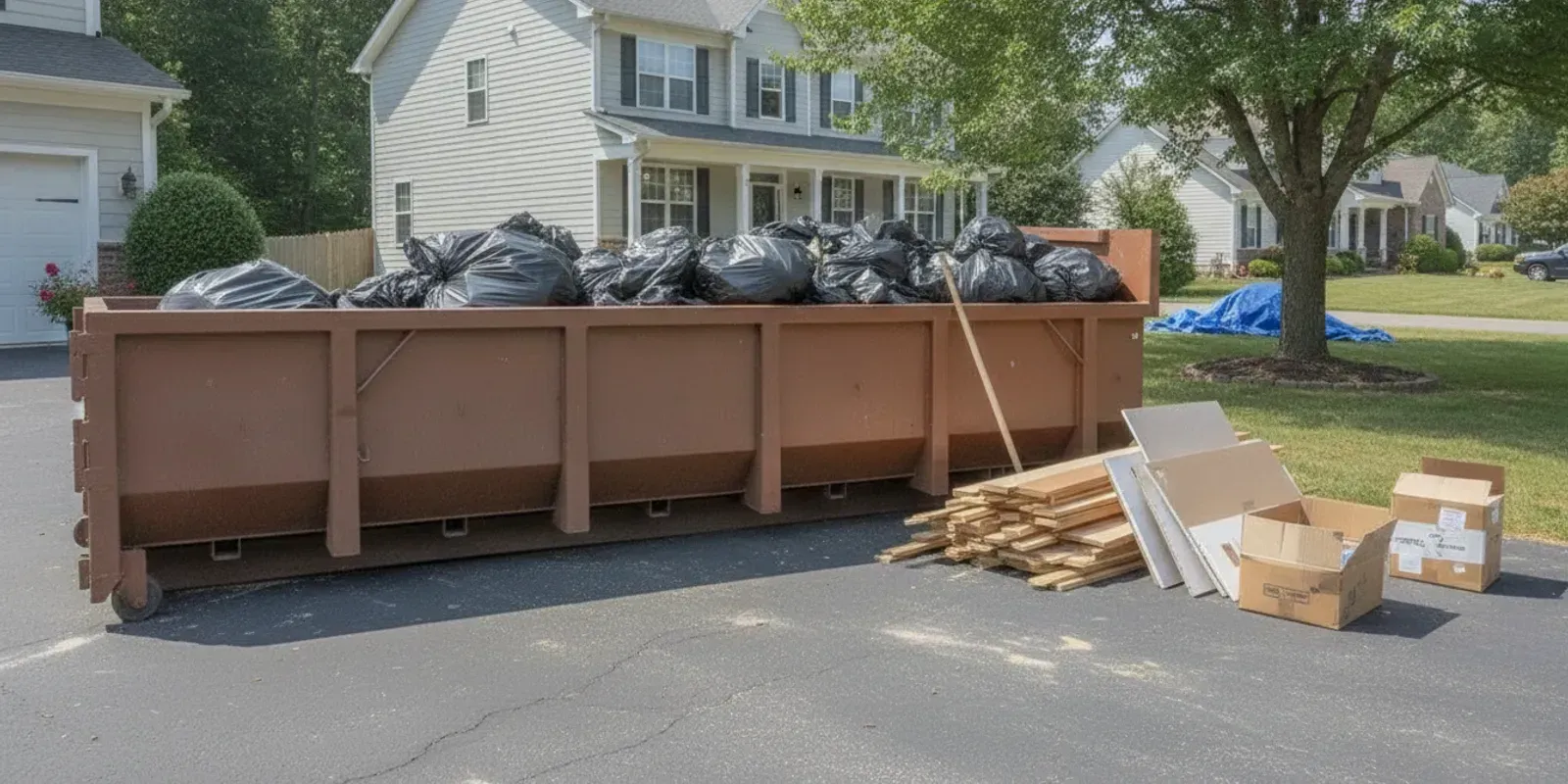
With a roll-off, people carry or wheel debris to one opening throughout the rental period. That can make a project easier to keep organized: take down a cabinet, move it out, then place it in the container before beginning the next section. A bag can work for a bounded task where waste is produced all at once or in a small quantity. Think about how often you will make a trip and how far the debris must travel from the work area.
Map the route from the room or yard to the proposed container location. Include doorways, steps, gates, turns, and any narrow passage where a bulky item might need to be carried sideways. If the container is too far from the work, repeated trips can take time. If it is placed in the wrong spot, it may interfere with parking, a garage door, a walkway, or the rest of the work. Decide on a path before the delivery date, not while the crew or driver is waiting.
Consider the shape and handling of what you are removing. Long boards and branches need room to maneuver. Furniture may need to be broken down where practical, and small items should be contained so they do not scatter during loading. Do not climb into a container or attempt a lift that feels unsafe. Keep children and pets away from active loading, and ask the provider for its loading instructions and material rules.
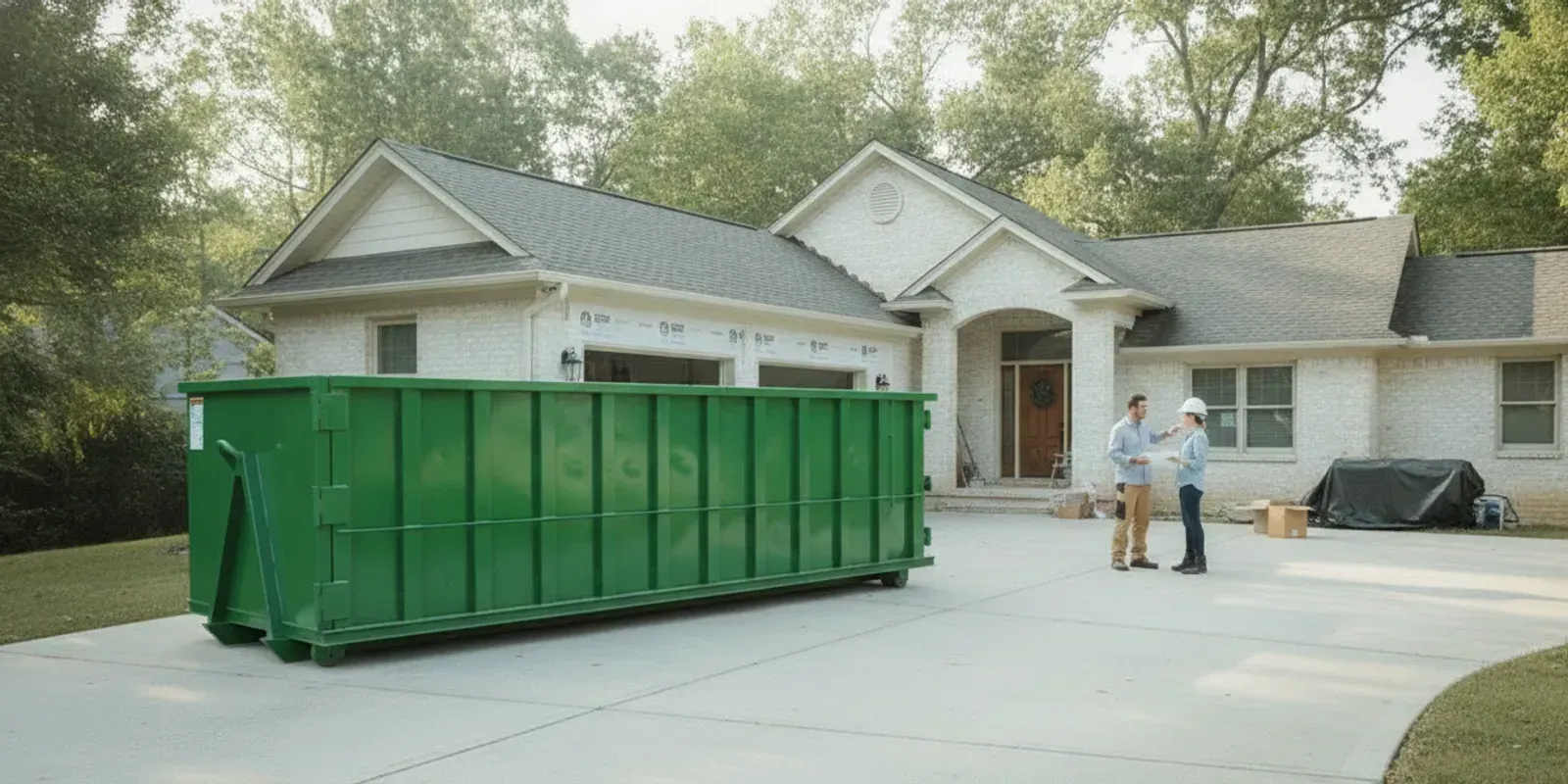
Whichever option you use, separate belongings and recoverable items before disposal. Make a keep, donate, recycle, and discard area before you start. It is easy for a reusable shelf or a box of household documents to disappear into a mixed debris pile once demolition begins. For a contractor-led project, agree in advance who sorts and loads, where material will be staged, and whether the contractor expects the container to remain accessible during the workday.
Which placement constraints should you check?
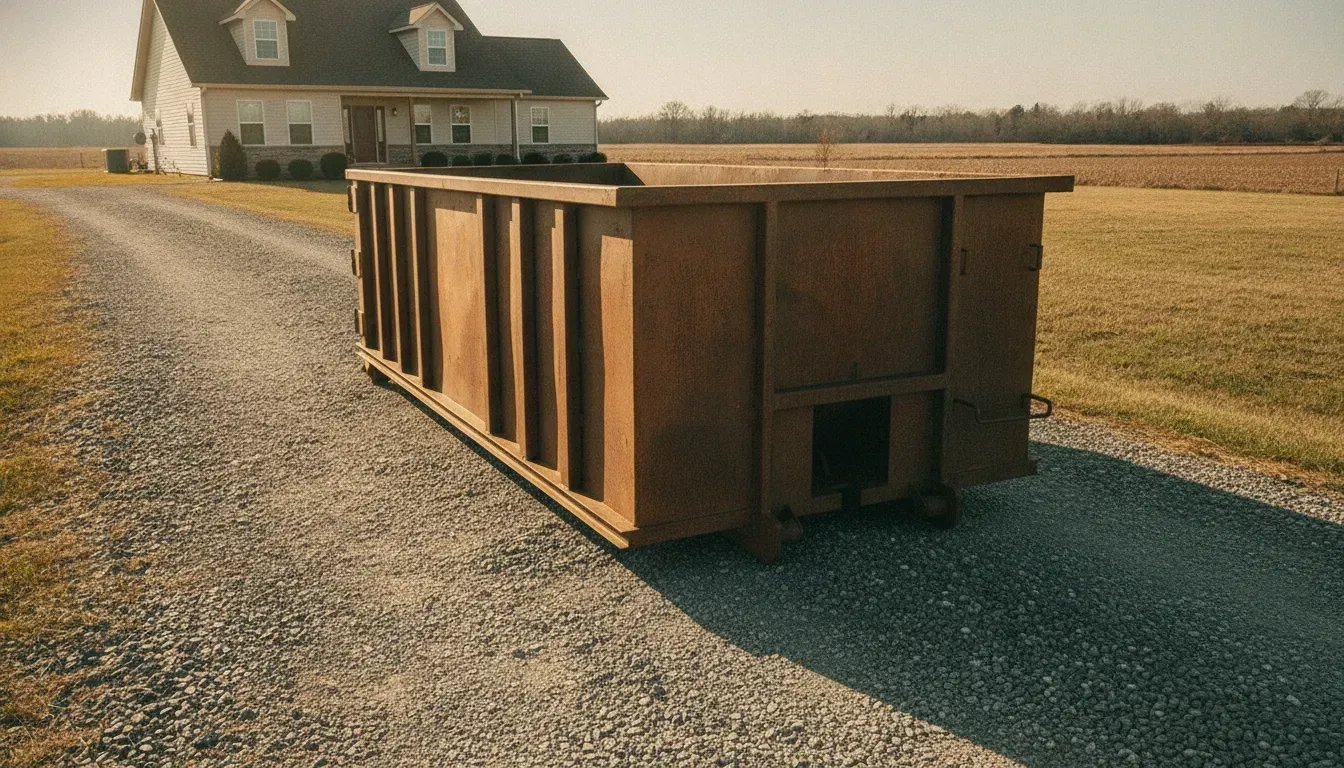
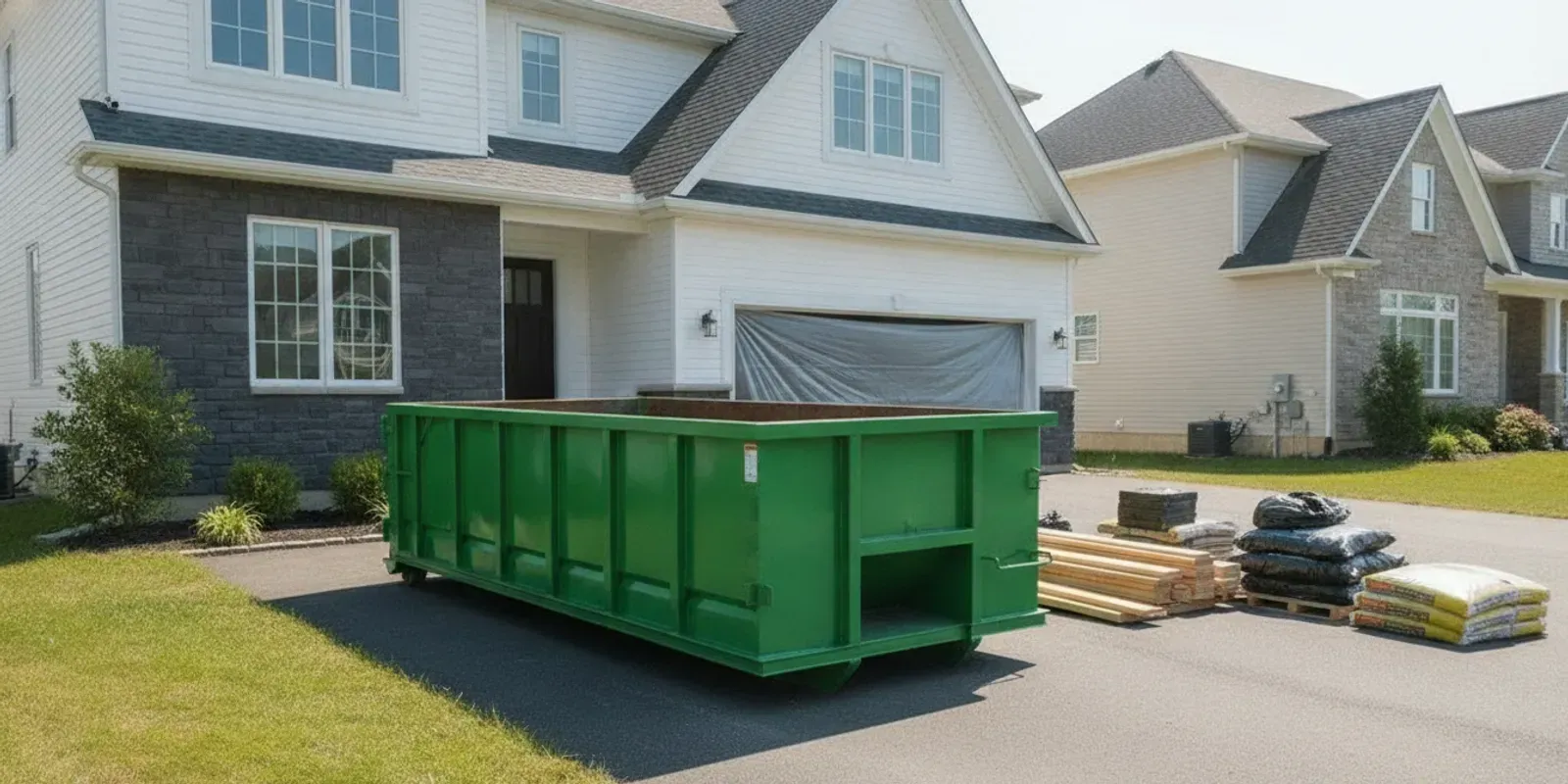
Placement can decide the comparison before price does. Check the driveway or other proposed location for width, length, slope, overhead branches, gates, and clear access for delivery and removal equipment. Think about a garage door, mailbox, sidewalk, neighboring access, and any route needed by household vehicles. A container’s listed footprint is not the same as the full operating space a delivery vehicle may need.
A bag provider may require a particular surface or an accessible pickup route. Ask how a full bag is collected, whether the collection truck must approach from a certain direction, and whether street placement is allowed. For a roll-off, ask the rental company to review the drop location and access details. If you live in a managed community, check HOA rules and any property-management approval requirements before delivery. Rules can specify where a container may sit, how long it can remain, or whether screening is needed.
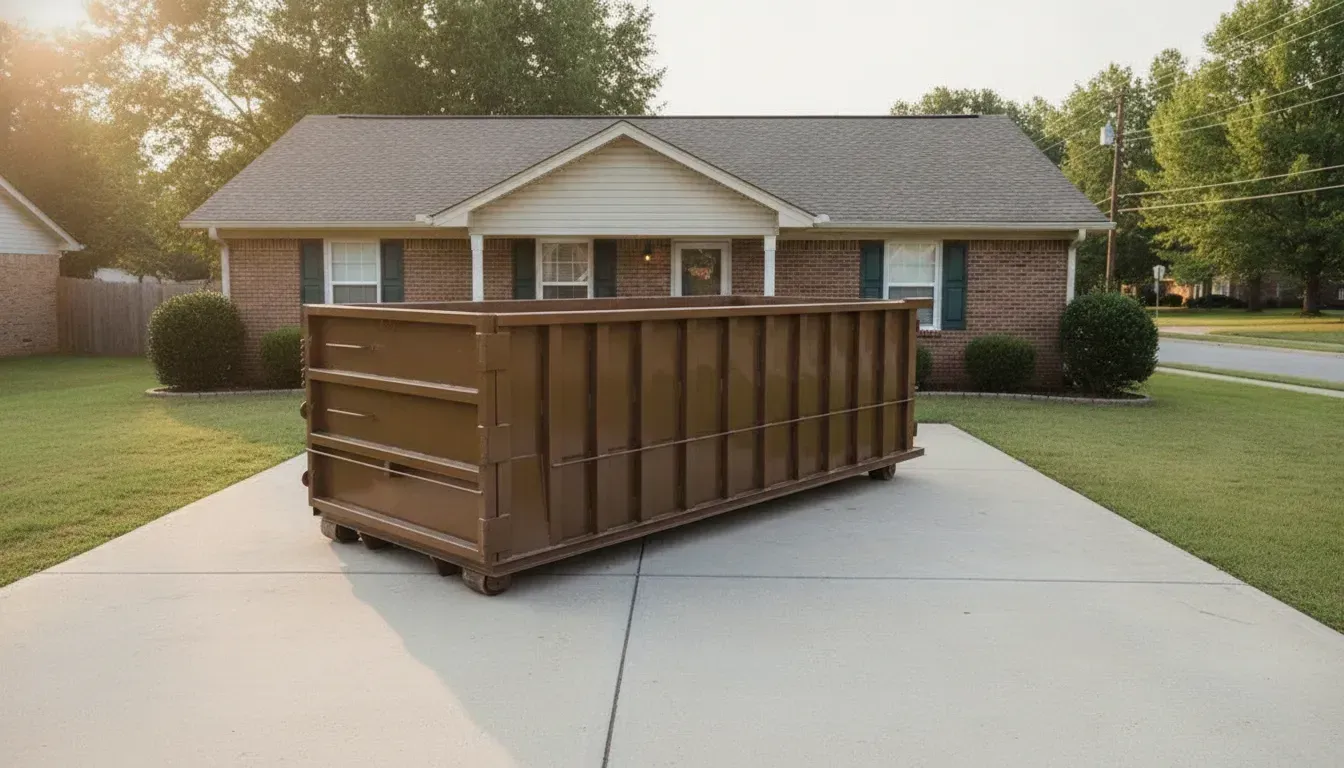
For a driveway, consider the condition and finish of the surface, including pavers, decorative concrete, slopes, and existing cracks. Rapid Removal says protective planks can be provided when necessary for placement. Discuss the surface and drop location in advance; this is a placement practice, not a written promise that a driveway cannot be marked or damaged. Clear the area on delivery day and share any concerns before the container is set down. The company’s rental FAQ is another place to review practical questions and confirm current arrangements.
Appearance can matter too, especially in a close-set neighborhood or an HOA-governed community. Choose a location that keeps the container from blocking the main view or an important path if another workable spot is available. Give neighbors a simple heads-up when the work could affect shared access or parking. That does not replace association approval, but it can prevent avoidable confusion about where a container will sit and how long the cleanup is expected to last.
How should you compare timing and collection?
A bag may be filled gradually, but collection still needs to be planned. Ask whether you schedule pickup after filling, how much notice is required, and whether the bag must be positioned or filled in a specific way. Verify that the collection truck can reach it after it is full. Do not assume that leaving a full bag at the curb automatically triggers removal, or that it will be collected on the date you prefer.
A roll-off rental involves a delivery date, a rental period, and an agreed removal plan. Rapid Removal lists its 15-yard rental packages at $349 for one day, $375 for three days, and $399 for seven days, with no delivery fee advertised. These are website-listed package prices, not confirmed all-in totals for every project or location. Ask what the package includes and whether other charges or conditions could apply based on your material, address, or circumstances. Confirm the dates and duration for your particular request.
Plan around the real work calendar, not the optimistic one. A renovation can pause because supplies are delayed or an inspection must happen. A move can take longer when the attic or storage room contains more than expected. A landscaping project may depend on weather or the availability of helpers. Estimate how many work sessions you need, then leave room for loading and removal arrangements. The dumpster cost guide can help you think through rental-period and price questions.
Rapid Removal advertises same-day service options, but that does not mean a same-day slot is guaranteed for every request. Its request form says a representative will follow up by the next business day. If timing is urgent, contact the company directly and ask what is available for your address and project. Make sure the end of the rental period gives you enough time to finish loading and request pickup through the agreed process.
What disposal details should you verify?
Before booking either option, describe the materials rather than calling everything “junk.” A mixed cleanup might include furniture, boxes, construction scraps, yard debris, old fixtures, or dense material. Providers can have different rules for each category. Ask whether the items are accepted, whether they need to be separated, and whether an item has a special handling or weight restriction. If you are not sure, set it aside until you get a clear answer.
Ask each provider to explain the difference between a volume limit and a weight limit. A container can have visible room remaining yet be too heavy for safe transport, particularly when dense material is involved. A bag’s maximum fill instructions may also involve more than its apparent capacity. Do not add soil, tile, concrete, or another dense material based only on how much space is left; first confirm that the service accepts it and ask about any applicable limit.
Clarify what happens if you have one excluded item. Can it be left outside for separate handling, or does it need a different disposal route? Ask about liquids, batteries, electronics, appliances, and other items if they are part of the cleanup rather than assuming the answer. A provider’s rules govern its container, and local disposal requirements may also apply. Keep uncertain material out until the correct route is established.
Collection logistics matter as much as acceptance rules. For a bag, verify pickup fees, the booking process, truck access, the required bag position, and what happens if the bag is not accessible on the scheduled day. For a roll-off, ask how to request removal, whether pickup can be arranged early, and what notice is needed. Get the agreed service details in writing or retain the confirmation so you can refer to the terms while the project is underway.
Which option fits common home projects?
Kitchen or bathroom renovation
Follow the work sequence, not just the room size. Removing a vanity and a few small fixtures may produce a limited amount. A fuller remodel can create cabinets, flooring, packaging, and other bulky debris over several days. A bag may be workable if the material is accepted and the quantity stays within limits. A roll-off may be more convenient when several stages create debris and workers need a single loading point. Ask about heavy materials before choosing, especially if tile or masonry is involved.
Also coordinate placement with the contractor. If a delivery vehicle blocks the work entrance or the container sits where materials need to be unloaded, the cleanup plan can disrupt the renovation. Mark the preferred placement spot and route, check overhead clearance, and confirm that everyone knows what can go into the container. Put reusable fixtures aside before demolition so they are not discarded by mistake.
Moving in or moving out
A move-out often creates debris in waves. You may first remove unwanted furniture, then clear a garage or attic, and finally deal with packaging and items left after the truck is loaded. If you expect a substantial, mixed cleanout, a roll-off provides a central spot during the cleanup window. If you have only a few approved items, a bag-based option may be a more proportionate choice. Keep donations and possessions separate, and verify furniture rules before loading.
Work backward from your move date. If the rental or bag needs to be collected before the property is handed over, confirm the collection window early. Leave room to sweep, inspect closets, and identify anything that should not be discarded. A container is useful only if its pickup timing matches the access you will still have to the property.
Garage, attic, or yard cleanup
For a small, clearly bounded pile, a bag can avoid reserving space for a larger container. A garage full of mixed objects or a multi-session yard cleanup may make one roll-off loading area easier to use. Yard debris is often bulky, while soil, stone, and masonry can be dense. Describe what you have, not only how large the pile appears. For an attic or garage, sort first so that paint, batteries, electronics, or other uncertain items are not mixed into ordinary debris without checking their rules.
Measure the route from the storage space to the container too. Stairs, a narrow side gate, or a long walk across the yard may change the amount of effort involved. Group small objects into manageable boxes or bins and stage only what is ready to go. That keeps access clear and helps you see whether the projected quantity still matches the option you selected.
Small construction or landscaping job
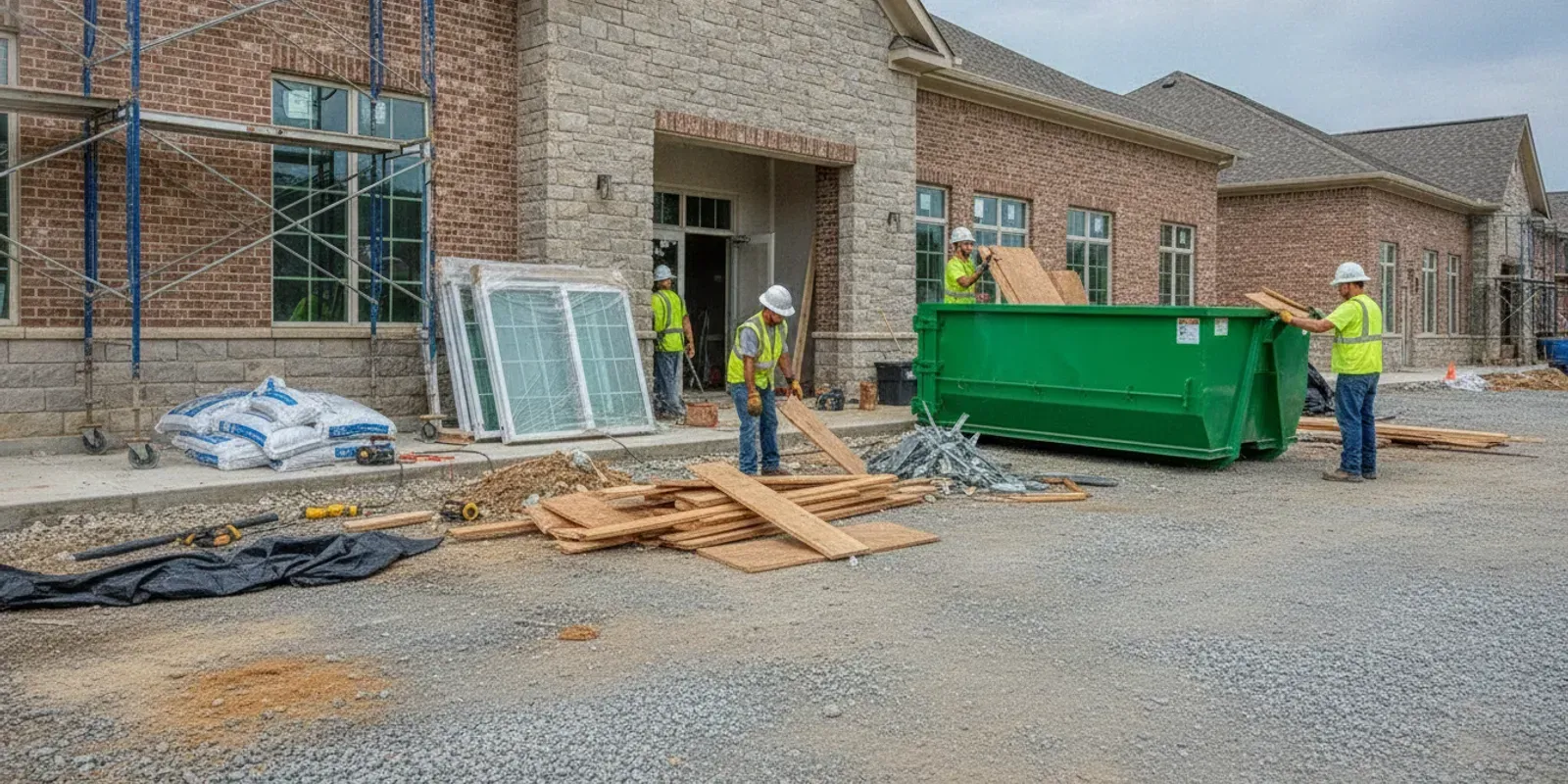
When work creates debris each day, a roll-off can help keep the site organized and reduce separate piles near the work zone. A bag may work for a repair with a known, limited volume and materials accepted by the provider. Ask the contractor to list expected debris and identify which material may be unusually heavy. If the schedule could change, compare the rental window with the likely work sequence and discuss collection flexibility before the first day.
For landscaping, distinguish branches and leaves from soil, rocks, or other dense material. A loose pile can look large while weighing relatively little; a compact pile of dense material creates the opposite problem. Make sure the proposed location preserves access to the yard and does not interfere with equipment or deliveries. Clear any required route before the cleanup starts.
How can you compare the actual costs?
Compare the complete terms instead of one advertised number. A bag’s purchase price may not tell you the collection cost or any conditions that affect pickup. A roll-off package price may depend on its rental period and still require confirmation of project-specific terms. Ask about delivery, removal, allowed materials, weight or fill limits, extra time, and any other charge that could apply. If the answer is unclear, ask for the total and the assumptions behind it before making a decision.
Rapid Removal’s published 15-yard rental prices are $349 for one day, $375 for three days, and $399 for seven days, with no delivery fee advertised. Treat them as published package prices rather than a guaranteed all-in figure until the company confirms the terms for your request. The customer’s location, materials, timing, and other conditions should be discussed directly. Do not compare that schedule with another provider’s headline price unless you have checked that the rental duration, collection, and limits are comparable.
- What does the listed or quoted amount cover?
- Is delivery included, and how is collection handled?
- What fill, weight, or material limits apply?
- How long can the container or bag remain at the property?
- What happens if you need more time or a different pickup date?
- Are there access, placement, or special-item conditions?
- When will the provider confirm availability for your address?
Ask the same questions of both providers, and write down the answers in one place. That makes a practical comparison easier: you can see whether the lower initial price includes a workable collection plan, whether the capacity is enough, and whether the service can meet your project’s timing. Rapid Removal serves Rutherford County and surrounding areas; share your address so the company can confirm whether service is available there. You can also review its company and service information.
How can you make the decision in a few steps?
- Inventory the debris. List material types, bulky items, dense items, and anything that needs special handling.
- Estimate the amount. Measure the pile or take photos. Note whether it will appear all at once or build over several work sessions.
- Check the site. Measure the placement area and review access, surface, overhead clearance, HOA rules, and collection-truck access.
- Compare written terms. Ask about capacity, accepted materials, weight or fill limits, rental duration, collection, and possible additional costs.
- Match the schedule. Confirm delivery or bag pickup procedures, the project dates, and how much time you need to finish loading.
- Choose the workable option. A bag can suit a small, bounded cleanup when its limits fit. A roll-off can be practical when debris is bulky, mixed, or produced over several days.
Here are two examples. If you are clearing a small garden shed and have a short list of approved items, first check whether a bag’s capacity and collection terms cover the pile. A larger roll-off may take more site space than the task needs. If you are remodeling a kitchen over a week and removing cabinets and flooring in stages, consider whether one loading point and a multi-day rental will make the workflow simpler. Confirm the material rules and amount before booking either way.
A third case is a garage cleanout before a move. Estimate the furniture and boxes separately, reserve a keep-and-donate area, and confirm your final access date. A bag may be adequate if the discarded quantity is modest and pickup can occur in time. If you expect a larger mixed pile or several days of sorting, a roll-off may give you more room to work. The right comparison comes from the debris list, not from a general rule that one format is always cheaper or easier.
What should you ask before requesting a rental?
Prepare a concise project description before contacting a provider: your address, preferred dates, estimated debris, main material types, and a description of the intended placement area. Mention a narrow driveway, slope, overhead branches, pavers, or neighborhood restrictions. If you have photos, use them to explain the site and pile. Specific information helps the provider discuss the available option and identify questions that still need an answer.
For a Rapid Removal Dumpster request, describe the work as a renovation, move, yard cleanup, or small construction project and ask whether the 15-yard rental fits your amount and dates. Confirm the package duration and price conditions for your situation. The Request a Service page is the online route to share the project details. The form says a representative will follow up by the next business day; same-day service options are advertised separately and should be confirmed rather than assumed.
If you want to clarify a site or schedule question before submitting, use the company’s contact page. Ask how delivery and removal will work at the proposed location, and explain any surface concern. A careful conversation helps set expectations, but it does not replace your review of HOA or property rules, nor does it create a guarantee about surface condition.
Frequently asked questions
Is a bag option always cheaper than a dumpster rental?
No single answer applies to every project. Compare the actual bag and collection terms with the dumpster’s rental period, pickup plan, capacity, and any applicable conditions. The amount of debris and the time needed to complete the cleanup can change which option is more practical.
Can I use a 15-yard roll-off for any home project?
No. The project’s amount, materials, weight, access, and timing all matter. Describe those details to the provider and confirm what is accepted. Rapid Removal’s 15-yard container is described for projects such as renovations, moves, landscaping, and smaller construction work, but that does not establish that every job or material will fit.
What should I do if I am unsure how much debris I have?
Make a list by area, separate bulky items from dense materials, and photograph or measure the pile. Explain whether debris will appear in one cleanup or across multiple days. Ask the provider to review your estimate before choosing, and do not assume a container is suitable just because it looks large enough.
Make the choice fit the cleanup
For a small, limited pile with straightforward pickup access, a bag-based option may be enough if the provider’s limits fit. For a larger cleanup or work that creates debris over multiple days, a 15-yard roll-off may offer a more convenient central loading point. Confirm capacity, materials, placement, timing, and price conditions for your own project before you book.
Request a Service and discuss your project
The best fit is the option whose confirmed terms and collection plan match the debris, space, and schedule you actually have.