How to Choose a Commercial Dumpster Size
Learn how to match commercial debris, project scale, placement space, and timing to a dumpster rental, and what to confirm before requesting service.

When you search for how to choose commercial dumpster size, the first question is not simply how much waste a business produces. It is what kind of debris the project will create, how quickly it will accumulate, where a container can sit, and what rental option is actually available. For a renovation, tenant turnover, landscaping job, or small construction project in Rutherford County, start with those details before comparing container dimensions.
Request a service consultation
What does âcommercial dumpster sizeâ mean for your project?
Commercial customers may use the word âsizeâ to mean several different things: the containerâs outside dimensions, its volume, the amount of material it can hold, or whether it suits the work site. Those factors matter, but a size label alone cannot tell you whether a rental is suitable. The debris itself, loading pattern, access, and timing all affect the practical fit.
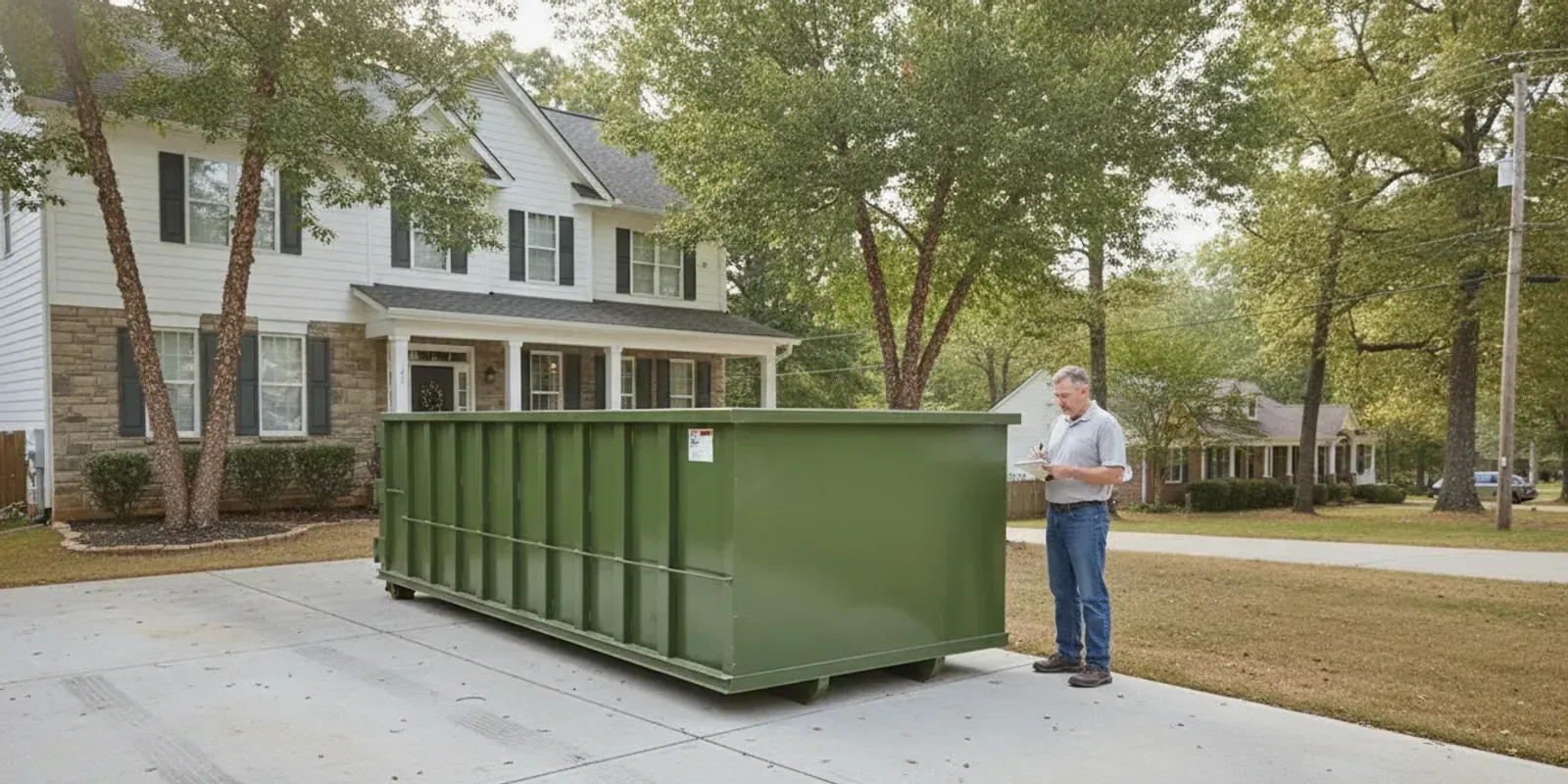
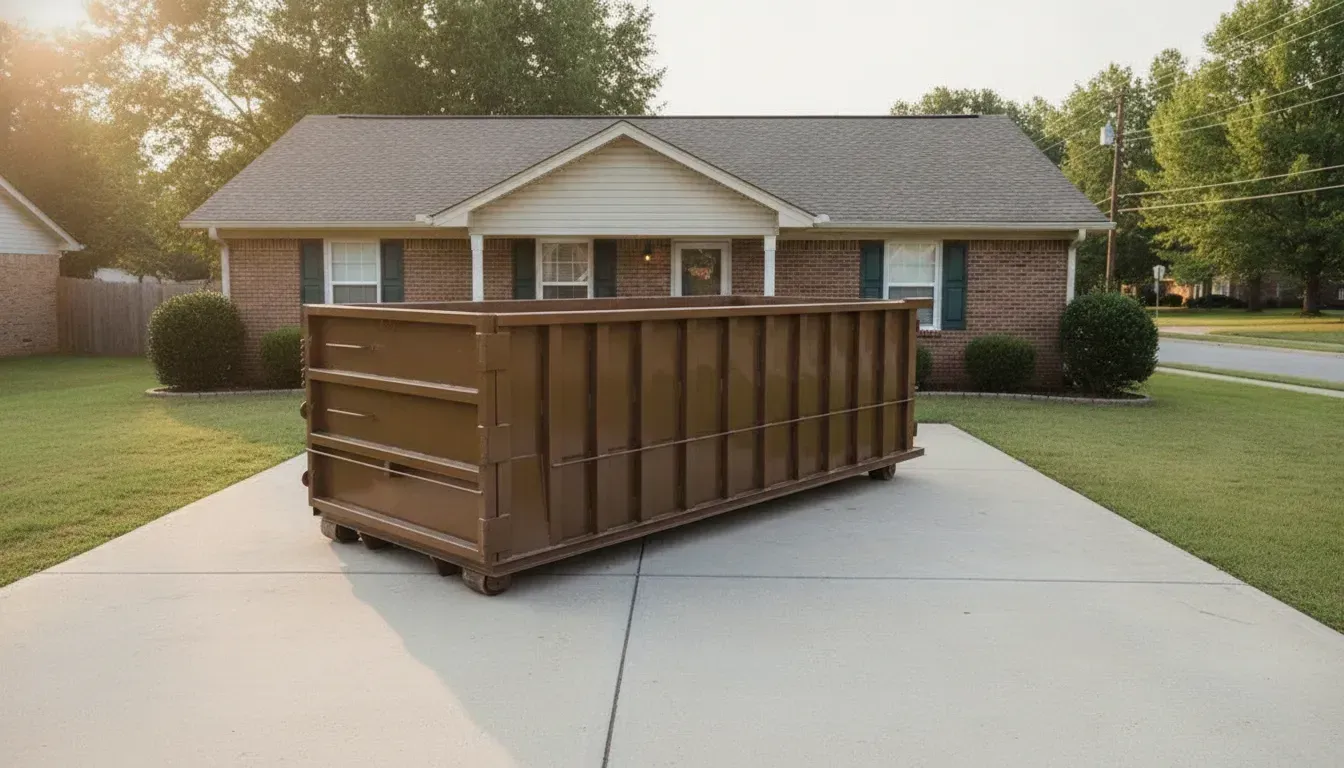
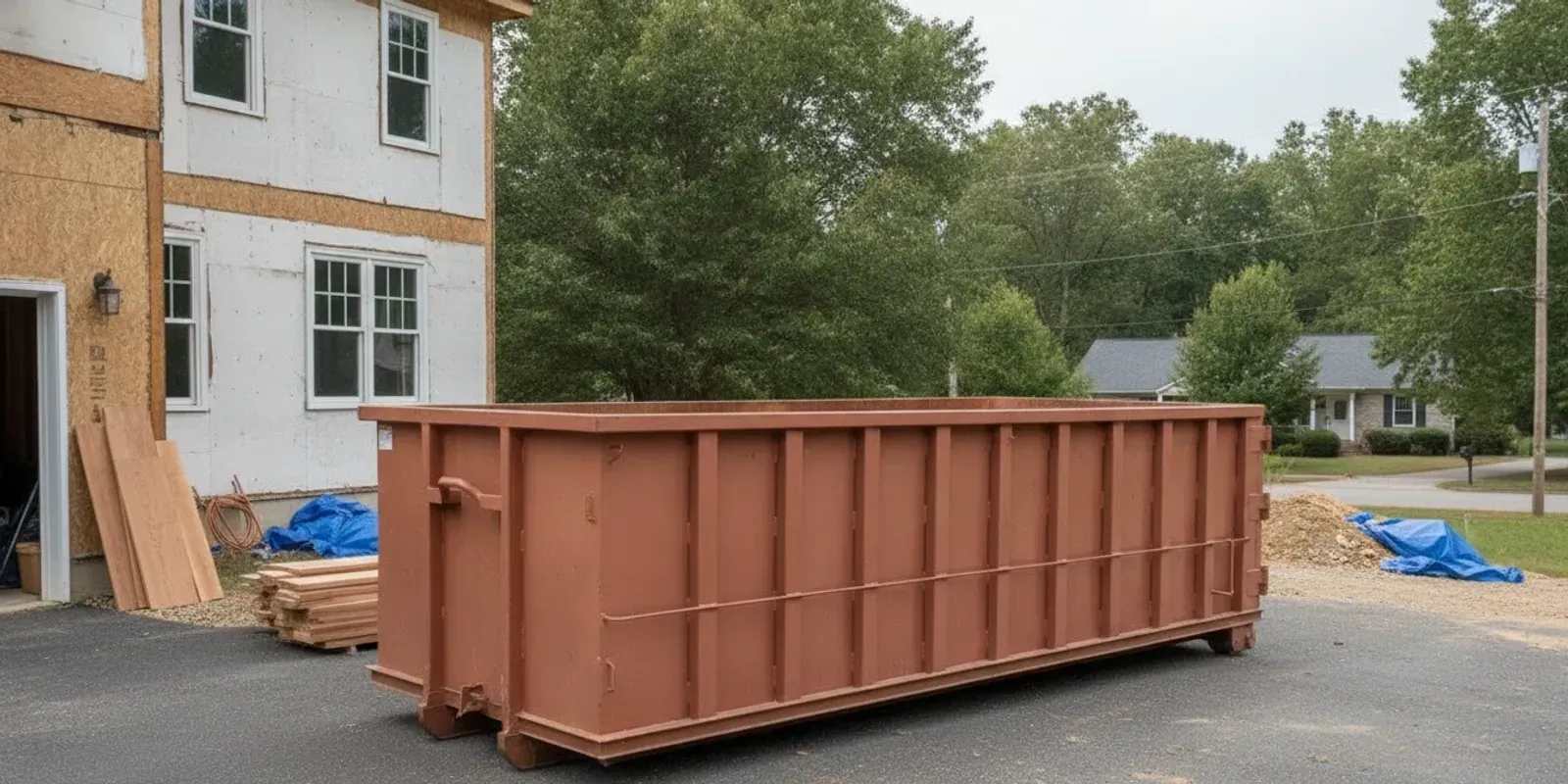
There is an important local limitation to keep in mind when planning with Rapid Removal Dumpster. The documented rental option is a customer-loaded 15-yard roll-off. The companyâs published description lists dimensions of 5 feet high by 14 feet long by 7.5 feet wide. This guide does not assume that other sizes are available. If your job appears to need a different capacity or a specialized container, ask about the project before planning around an unverified option.
A roll-off is delivered to the site, loaded by the customer, and removed after the rental. That arrangement is different from a routine commercial trash service in which a container is serviced on a recurring schedule. If you are comparing those service types, first review what a roll-off dumpster is used for and whether a temporary rental matches the job.
For local commercial project questions and the companyâs stated service details, see the commercial dumpster service page. A page can help you understand the local offering, but your own project details still need to be discussed before you assume the container, dates, or materials are a fit.
How should you describe the debris before choosing?
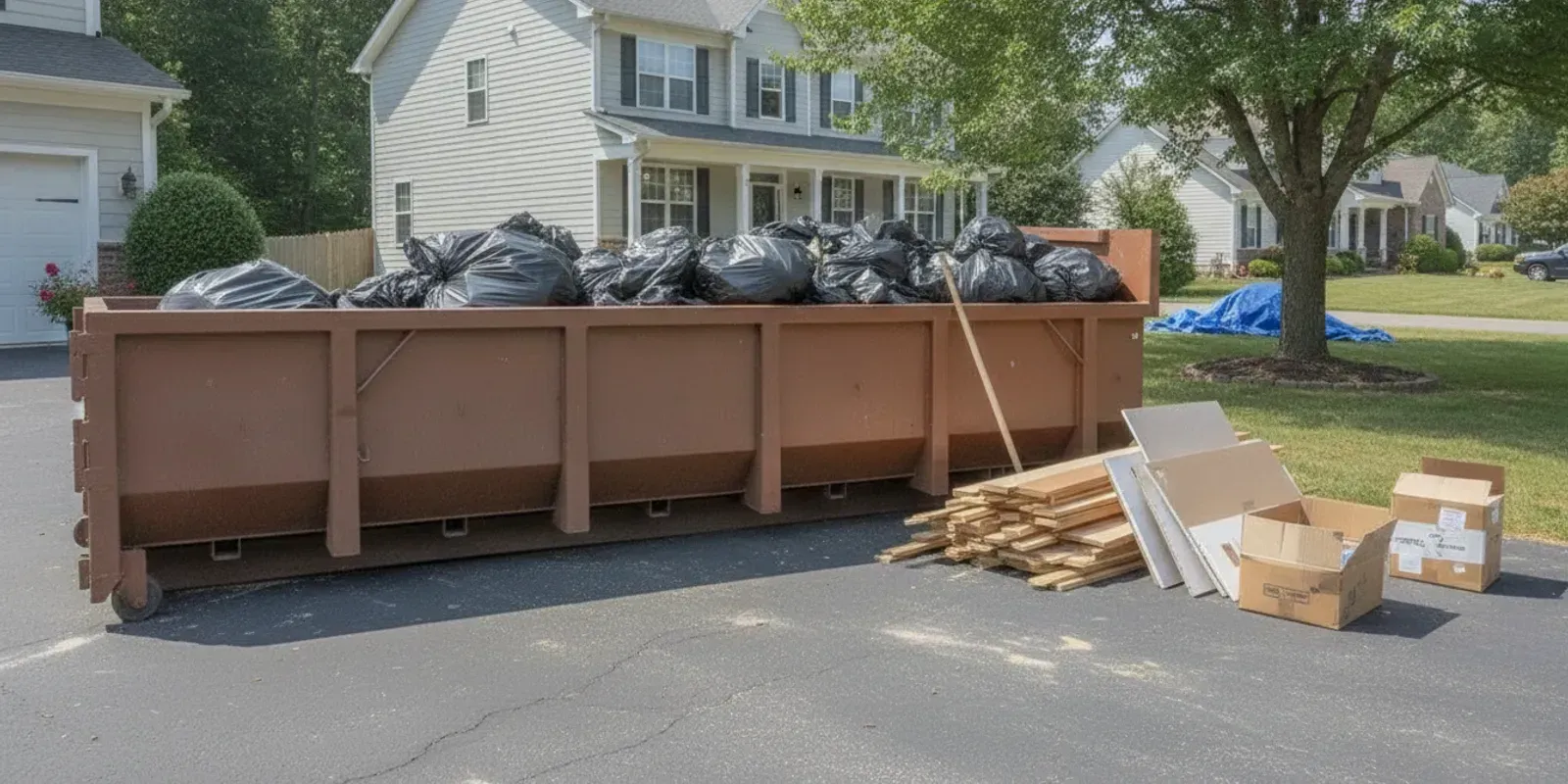
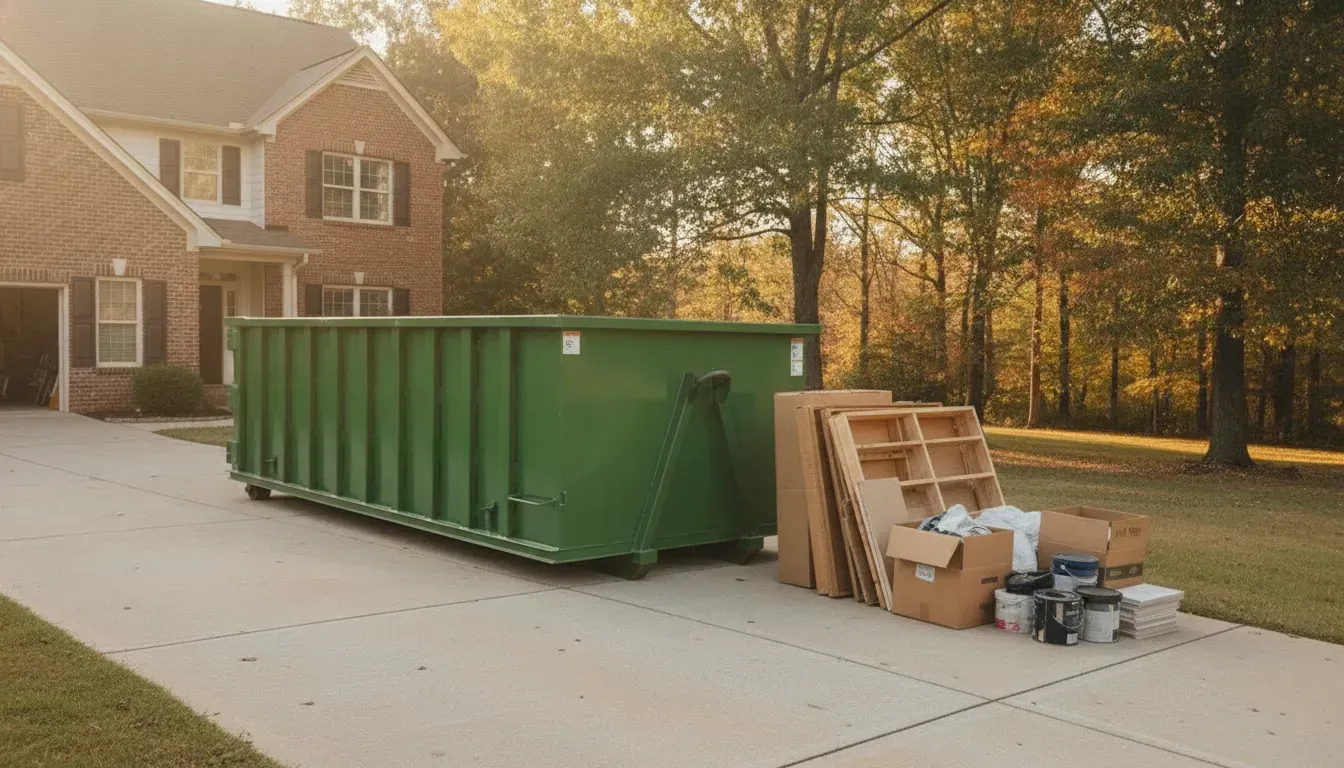
Begin with a material inventory. âConstruction wasteâ or âcleanupâ is too broad to be useful. Write down the main materials, the approximate quantity of each, and whether they will arrive in a steady flow or all at once. A project with light, bulky packaging is not the same as a project with dense broken material, even if both seem to occupy a similar area at first.
- Renovation debris: List the rooms or work areas involved and the main materials expected from demolition, replacement, and packaging. A kitchen refresh, a bathroom renovation, and a full interior remodel can produce very different amounts and mixes.
- Tenant turnover: Separate discarded furnishings, general cleanout items, and renovation materials. Note whether multiple units will be cleared at the same time or one after another.
- Landscaping and exterior work: Estimate the area being cleared and name the debris types, such as branches, yard material, or removed features. Do not assume that every material is accepted without asking.
- Small construction work: Describe the job phase, the work area, and whether debris will be generated by one crew or multiple trades.
- Office or retail cleanout: Distinguish general contents from fixtures, packaging, and any items whose disposal requirements may need special confirmation.
Then consider how debris will be placed into the container. Items that can be broken down, stacked, or loaded evenly may use space differently from irregular pieces that leave gaps. Avoid building a plan around compacting material or loading above the containerâs sides. Ask what loading practices and material limits apply to your specific rental.
Do not rely on an assumed list of permitted or prohibited materials. Waste rules can depend on the material and disposal arrangement, and the companyâs general website does not establish every project-specific acceptance condition. Before delivery, give the provider a clear list of anything unusual, heavy, or potentially restricted and request an answer for those exact items. The dumpster rental FAQ is a useful starting point for questions, but it is sensible to confirm details for your job directly.
How much debris will the project actually create?
For many commercial projects, the hardest part is estimating volume before work starts. Make the estimate more concrete by breaking the work into zones and phases. A contractor can list each room, floor, unit, or exterior area and describe what will be removed. A property manager can estimate the number of units or storage areas being cleared. A business owner can separate fixtures and furnishings from remodeling waste.
- Define the work boundary. Identify what is included and excluded from the job. âClear the back officesâ is easier to assess than âclean out the buildingâ if some rooms, equipment, or materials will remain.
- List the major debris groups. Record the types of material rather than relying only on the number of bags or loads. Include awkward or bulky pieces.
- Estimate by work area. For each zone, note whether debris is a small amount, a moderate amount, or a substantial share of the project. Add the areas rather than estimating the entire site from memory.
- Account for what will not go in the container. Identify items being reused, donated, recycled, retained, or handled separately. This helps avoid counting all removed material as dumpster debris.
- Allow for the unknowns. Older buildings, hidden layers, and changes in scope can reveal additional material. If the estimate has a wide range, explain that uncertainty when you request service.
The company describes its 15-yard capacity as an operator-estimated equivalent of about seven truckloads. Treat that as a broad point of reference, not as a guarantee that seven particular vehicles, loads, or project piles will fit. Truck sizes and loading methods differ, and dense debris can create a different constraint from light, bulky material. Share your own material list and estimate rather than converting the job into truckloads alone.
It also helps to identify the projectâs likely bottleneck. Is the challenge total volume, dense material, large awkward pieces, a narrow delivery approach, or a short work window? Each can change the plan, but they do not all point to a larger container. For example, more delivery clearance will not resolve a material acceptance question, and extra rental time will not address insufficient space for safe placement.
How does a 15-yard option fit a commercial job?
A 15-yard rental may be worth discussing when the scope is limited and the debris can be loaded into a single temporary container. Examples can include a smaller renovation, a defined cleanout, some landscaping work, or a modest demolition task. Those examples are starting points, not a promise that every project of that type fits. The same project label can describe a one-room refresh or a multi-floor renovation.
For a job with more than one stage, decide whether the debris will be generated at once or over time. A single container can be more practical if it can remain accessible while the work proceeds and the material is loaded in an orderly way. If several areas will be demolished at once, or a crew expects to fill the container rapidly, explain the daily work sequence before confirming the rental.
A 15-yard container may not suit a project if your estimate substantially exceeds its described capacity, the work requires a recurring service arrangement, or the site needs a type of container that has not been confirmed. It may also be a poor fit if the container cannot be placed in a workable location or if the project involves materials the provider has not approved. Do not try to solve a mismatch by overfilling, stacking debris above the sides, or assuming that a second container or a different size will be available.
If your scope is a broader construction job, compare its stages, materials, access, and removal needs with the guidance in the construction dumpster planning guide. A guide can help organize questions; it cannot substitute for confirming the actual service and terms for a particular site.
What site and placement details should you check?
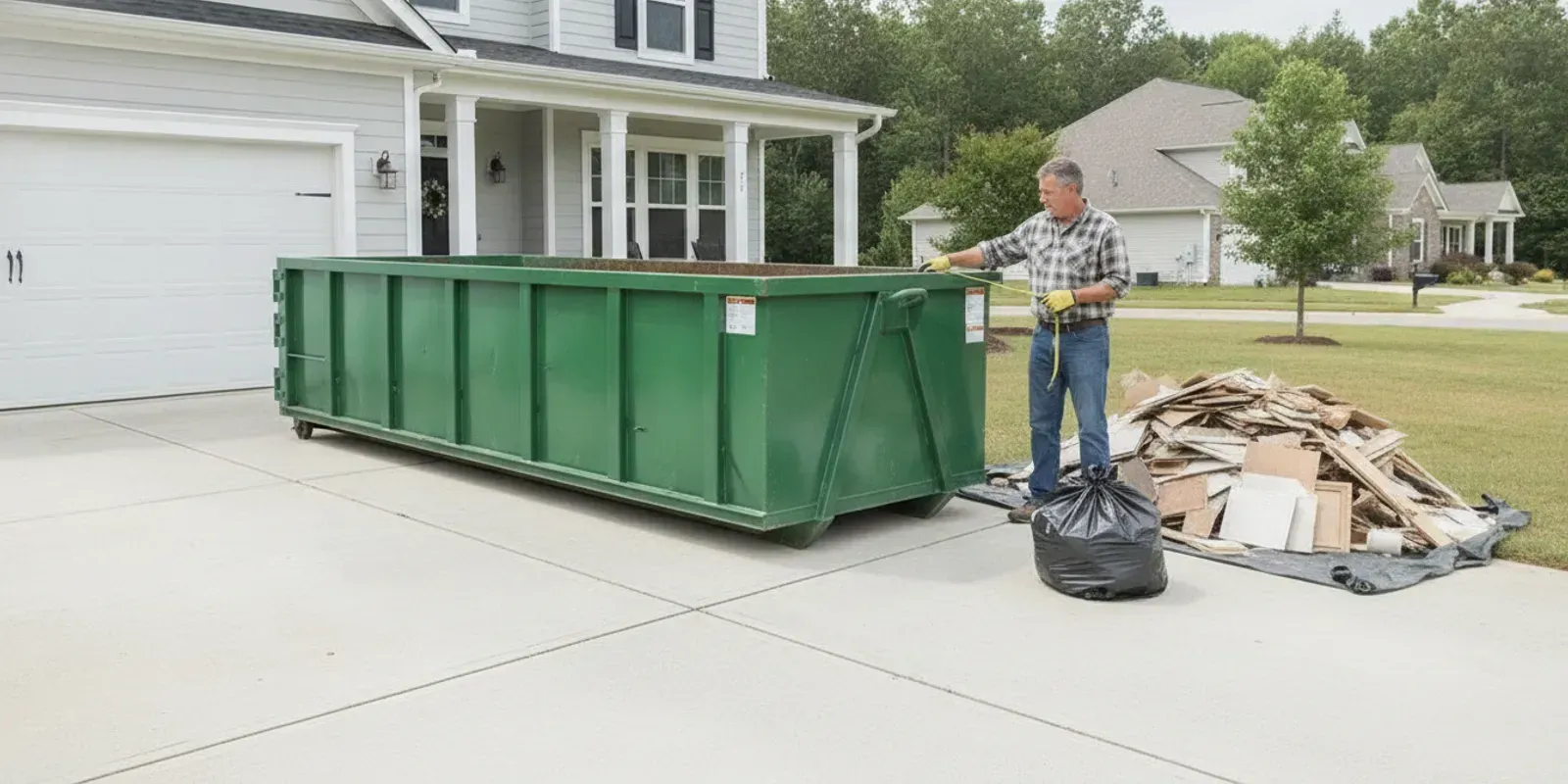
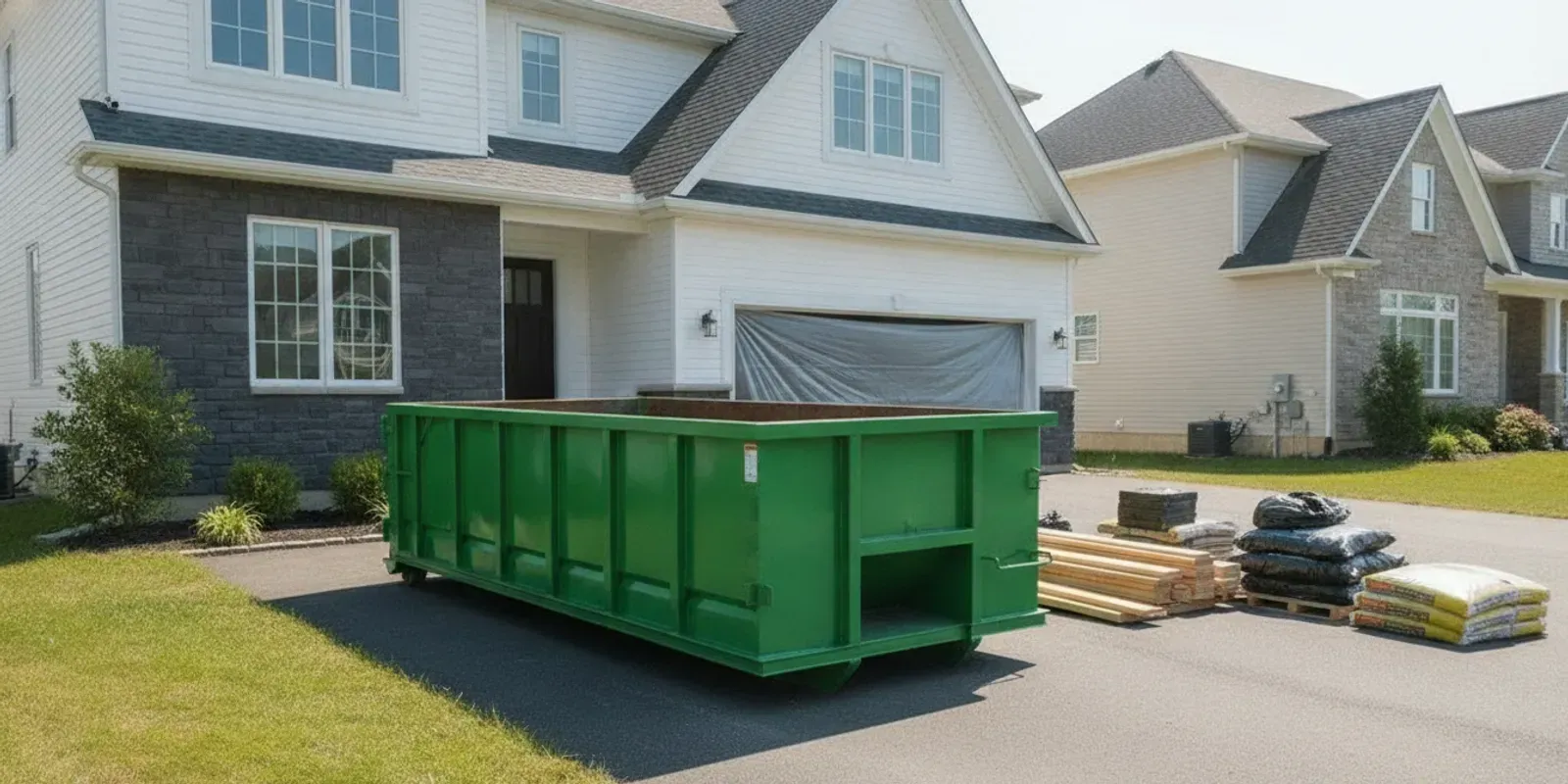
Before delivery, measure and inspect the proposed placement area and the route to it. The published container dimensions are 5 feet high, 14 feet long, and 7.5 feet wide, but the containerâs footprint is only one part of the question. The delivery vehicle also needs a workable approach and enough room to position the roll-off. Do not assume that a tight entry or a small parking space is sufficient just because the container itself appears to fit.
- Choose a clear placement area. Remove parked vehicles, movable equipment, and stored materials from the planned spot. Consider what will happen to the rest of the site while the container is there.
- Check approach and turning space. Note narrow gates, overhead obstructions, slopes, soft ground, sharp turns, loading docks, and other barriers along the access route.
- Protect daily operations. Think through staff and customer access, deliveries, emergency routes, and other work that must continue during the rental.
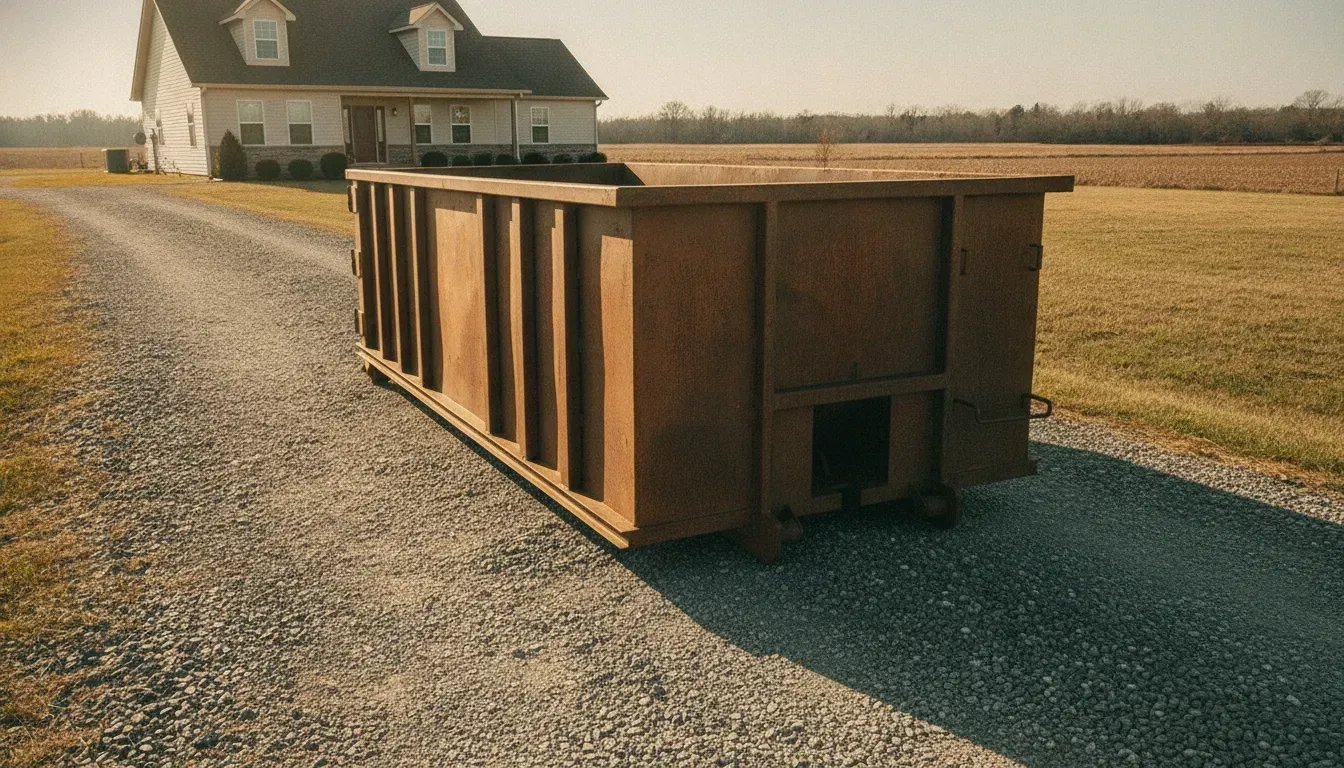
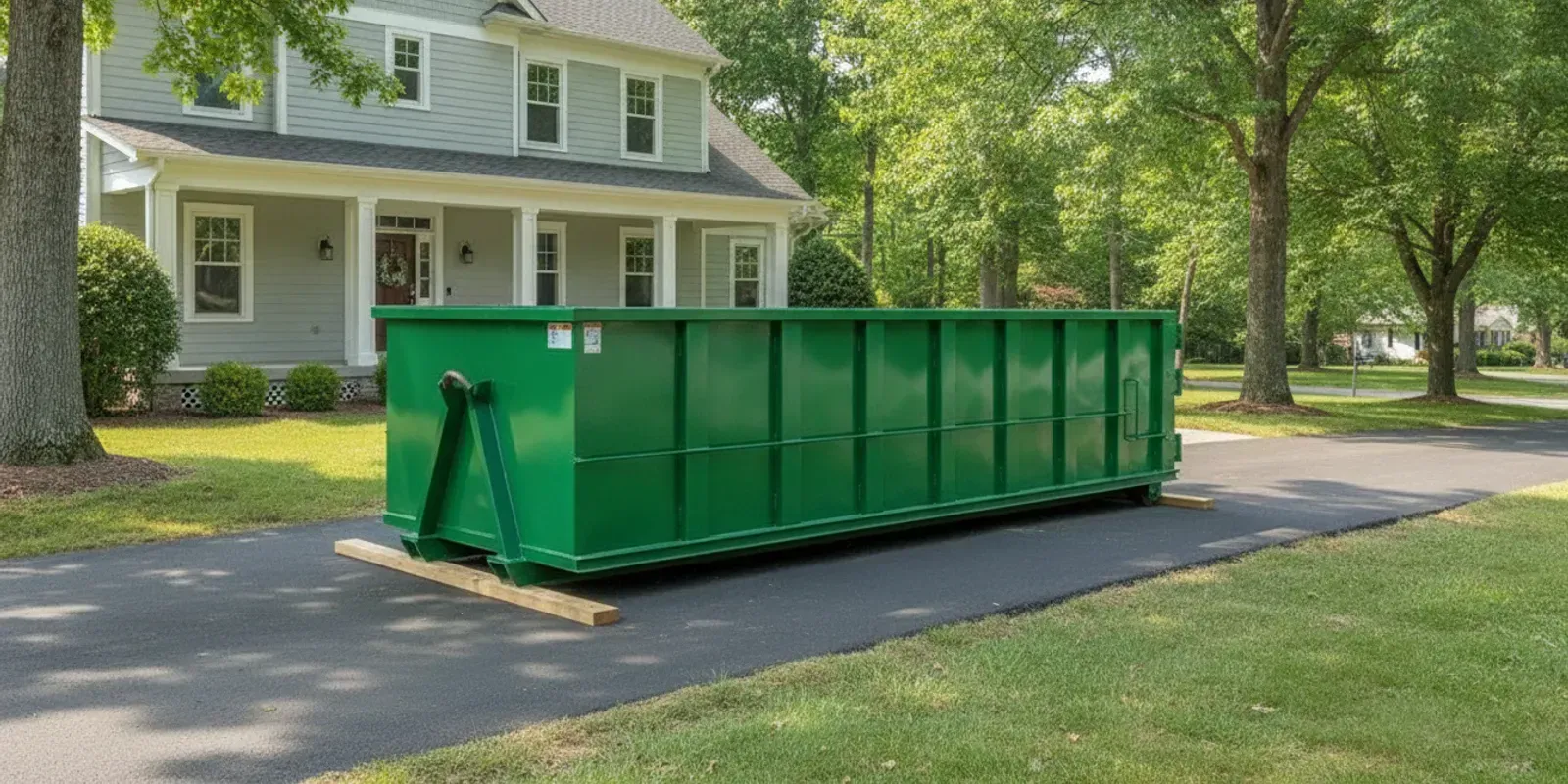
- Consider the surface. Tell the provider whether the container would sit on asphalt, concrete, pavers, or another surface. Ask whether placement planks are appropriate and available for the site.
- Plan for loading access. Leave room for workers to load safely without blocking required paths or creating a conflict with vehicles and equipment.
Rapid Removal Dumpster says protective planks can be provided when necessary. That is a placement practice to discuss, not a written guarantee that a driveway or other surface cannot be damaged. The exact site and conditions matter. Describe the surface, photograph the proposed placement area if useful, and ask how the company would approach it before the delivery is scheduled.
A commercial property may also have rules about placing containers, using shared areas, blocking parking, or keeping equipment visible. Confirm requirements with the property owner, landlord, facilities manager, or association as applicable. If the container would be on a public street or other regulated space, check the relevant local requirements rather than assuming site permission covers it. Rapid Removal Dumpster does not establish a universal permit rule for every location in the information available here.
Where appearance matters, plan the location as well as the dimensions. An unobtrusive position may make daily operations easier, but it must still be accessible for delivery and loading. If your site has a preferred location because of customer sightlines or neighboring tenants, discuss it early rather than waiting until the truck arrives. The company describes its bins as presentable and earth-toned; still, a propertyâs own placement standards should be confirmed with the decision-maker on site.
How should you plan rental timing around the work?
Container size and rental duration work together. A container that is adequate for the total debris may still be inconvenient if it arrives too early, is filled before the work is complete, or sits in a critical location after loading ends. Set the likely demolition or cleanup dates first, then identify when the site will be ready to receive a container and when it can be removed.
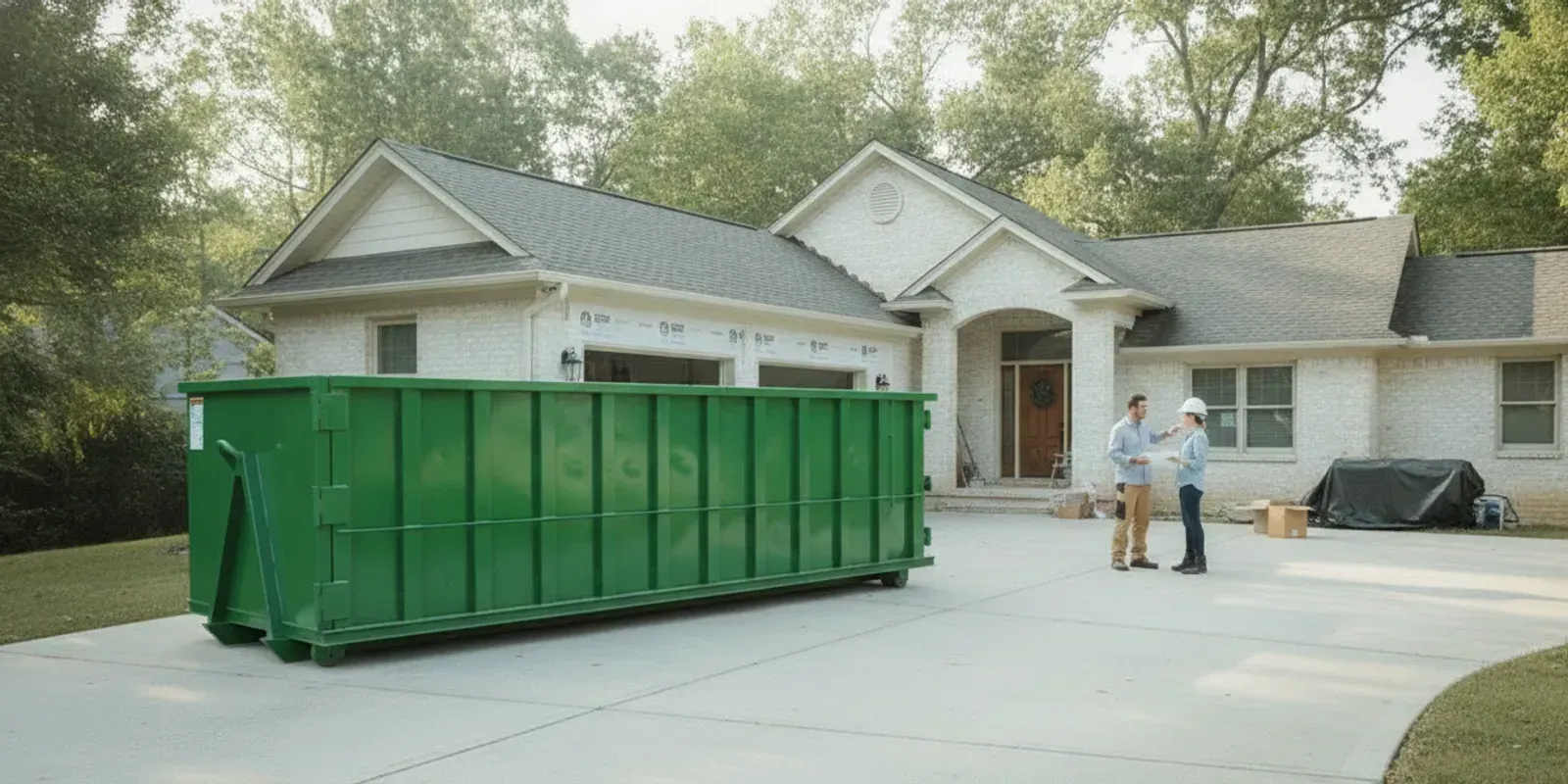
For a commercial job, coordinate the rental window with the people who control the work area. A facilities manager may need to arrange access; a contractor may need to sequence demolition and disposal; a retail operator may need to avoid busy customer periods. Decide who can confirm that the site is ready, who will supervise loading, and who will contact the provider if the schedule changes.
Rapid Removal Dumpster publishes 15-yard rental prices of $349 for one day, $375 for three days, and $399 for seven days, with no delivery fees. Those published figures describe those stated rental periods; do not assume they answer every question about a jobâs final conditions. Before making a budget or schedule commitment, ask what applies to your requested dates, project materials, and location, and how a change in timing is handled.
Estimate the period from the first planned loading day through the last. Include time for the work that must happen before debris enters the container, such as protecting finishes, isolating a work zone, or arranging access. Allow for the time needed to sort and load, but do not add unsupported assumptions about extension rates or removal deadlines. If your project could run longer than planned, ask what options and terms apply before you book.
Same-day delivery options are a company claim, not a guarantee for every date, location, or request. If timing is urgent, call to discuss availability rather than assuming that a web form books an immediate delivery. For a standard plan, send your request early enough to coordinate the site and the work team. The same-day rental planning page offers additional context for urgent timing questions.
What should you compare when providers describe different options?
Comparisons are useful only when the options are described on the same basis. A volume label by itself does not tell you what is included, how long you may keep a container, what access is required, or how the provider handles your material. Request answers in writing or keep clear notes so the project team can use the same assumptions.
- Container dimensions and stated capacity: Ask for the actual length, width, height, and capacity description. Clarify whether a claimed truckload equivalence is an estimate rather than a fixed conversion.
- Rental period: Confirm the starting day, number of included days, expected pickup process, and what you should do if the project schedule shifts.
- Material acceptance: Provide the actual debris list. Ask specifically about dense, unusual, or regulated materials rather than relying on a generic âconstruction debrisâ label.
- Delivery and placement: Confirm the delivery address, placement area, access route, surface concerns, and any preparation needed before arrival.
- Price basis: Ask what the published amount covers and whether other terms apply to your particular job. Do not infer that a price for one rental duration automatically applies to a different duration or location.
- Service model: Establish whether the container is a temporary customer-loaded rental or a recurring waste service. Make sure that matches the jobâs collection pattern.
- Communication: Identify the person who will coordinate delivery, loading questions, schedule updates, and pickup requests.
For a broader look at which details affect a rental quote, use the dumpster cost guide as a list of planning questions, not as a substitute for a project-specific confirmation. The amount that matters is the amount and terms the provider confirms for your requested service.
If you are comparing a temporary rental with an ongoing waste contract or a crew that removes debris for you, be precise about the work included. A roll-off rental is generally customer-loaded; do not assume labor for sorting, carrying, or cleanup is part of a container delivery. Learn more about the difference between dumpster rental and junk removal before comparing quotes that describe different services.
How can you make a commercial rental easier to manage?
Assign one person to own the rental plan. That person can gather the debris inventory, identify a placement location, confirm site access, and communicate the schedule. A clear owner reduces the chance that a driver arrives while a gate is locked, the work area is occupied, or the person who knows the plan is unavailable.
Before work begins, give the crew a simple loading plan. Identify the debris types intended for the container, the materials being handled separately, and any instruction not to load above the sides. Keep the approach and surrounding work zone clear. If the project changes and new materials appear, pause and get confirmation rather than treating the original approval as permission for every added item.
For multi-tenant or customer-facing properties, let affected people know when the container will arrive, where it will sit, and which routes or parking areas may be unavailable. Consider signs or direct communication if the location could be mistaken for a general-use bin. This avoids having unrelated material added to the container and helps keep the projectâs debris estimate meaningful.
Keep the key details together: confirmed dates, delivery location, material list, site contact, and any placement instructions. If your request involves several work areas, identify which area will load first. If the delivery window changes, make sure the site contact and the provider receive the update. These modest steps can prevent avoidable delays even when the container size itself is right.
When might a dumpster rental not be the right choice?
A temporary roll-off is not automatically the best answer for every commercial waste need. If your business generates waste every day and needs ongoing collection, a scheduled commercial waste service may be more appropriate than a temporary customer-loaded container. If your project requires a crew to carry debris out, separate materials, or perform demolition, confirm those labor needs separately rather than assuming they come with a rental.
A rental may also be unsuitable when the estimated amount clearly exceeds the stated capacity, the placement area cannot be accessed, the material has not been accepted, or the timing cannot be coordinated with the work. In those cases, revise the scope or ask what alternatives are actually available. Do not plan on a container size, recurring pickup, labor service, or material policy that has not been confirmed.
Small businesses sometimes have a mix of needs. For instance, a shop might need a temporary container during a remodel but a regular waste pickup for everyday operations. Treat those as separate requirements. A project-based rental can address one-time debris while the businessâs normal waste process continues, provided the two systems do not conflict on site.
What should you ask before requesting service?
Use this checklist to turn a general sizing question into a useful service request:
- What is the project, and which rooms, units, or site areas are included?
- What materials will be placed in the container, and are any materials unusual or especially dense?
- How much debris do you expect, and what is the basis for the estimate?
- Will the work generate debris steadily or in one short demolition phase?
- Can the 15-yard containerâs 5-by-14-by-7.5-foot dimensions fit the planned area?
- Is the delivery route clear, and who can provide access at the site?
- What is the surface at the placement location, and should protective planks be discussed?
- What rental period fits the schedule, and what published price applies to that period?
- What terms should be confirmed for the material, location, delivery date, and pickup?
- Who is the on-site contact if the plan or delivery access changes?
Share the answers rather than asking only, âWhat size do you recommend?â A provider can give more useful project guidance when it knows the debris, access, schedule, and estimate. If you need to compare measurements, the dumpster sizes guide can help you frame the dimensions and capacity questions; confirm the sizes actually offered for your request directly.
How can you make a practical choice?
Choose based on fit, not on the word âcommercial.â First, define the material and the work boundary. Next, estimate the debris by area and stage. Check the available placement space and delivery path. Then match the project calendar to the rental period and confirm the providerâs terms for your exact material and location.
If the scope appears compatible with a 15-yard temporary rental, provide the details and ask for project-specific guidance. If the estimate suggests a larger capacity, recurring service, or added labor, say so plainly. That gives you a chance to identify a mismatch before the job begins, rather than discovering it after demolition has started.
Request service for your commercial project
With a clear debris list, realistic volume estimate, workable placement plan, and confirmed timing, you can make a more informed decision about whether the available container suits the job.