Are Dumpster Rentals Worth It? A Practical Guide for Local Projects

See when a dumpster rental makes cleanup easier, how to judge project size and driveway fit, and what to compare before requesting service.
Are dumpster rentals worth it? For many home projects, the answer depends on how much debris you expect, how long cleanup will take, and whether you have a safe, practical place for a container. A rental can keep waste in one spot and reduce repeated trips, but it is not automatically the right choice for every small cleanup.
What makes a dumpster rental worthwhile?
Think of value as more than the rental price. A dumpster may save time and simplify a project when debris is produced over several days, when loads are bulky, or when you want a designated place to put materials as work progresses. It can also reduce the number of separate disposal trips you need to plan and make the work area easier to manage.
On the other hand, a few bags of household clutter may be easier to handle through ordinary trash collection or a small number of trips, depending on local disposal options. Before renting, compare the effort, time, vehicle access, disposal rules, and likely total cost of each approach. Avoid choosing based only on the size of the pile on day one; a renovation or cleanout can create debris gradually.
When does a rental help with a home project?
A temporary container is often most useful when cleanup is part of an active project rather than a single quick task. Examples include a room renovation, a move-in or move-out cleanout, clearing a garage or attic, landscaping work, or a smaller deck project. These are examples of uses for a 15-yard rental; the right fit still depends on the materials and the amount you expect to discard.
- Renovation: Keep demolition and packaging debris together while work moves from one room or stage to another.
- Moving: Set aside unwanted household items as you sort, rather than interrupting packing for repeated disposal runs.
- Garage, attic, or yard cleanup: Work in manageable sections and place eligible debris in one location.
- Small construction or landscaping: Coordinate cleanup with the work schedule and confirm in advance that the intended materials are accepted.
Do not assume every material can go in a rental container. Ask about the specific items you plan to discard before loading. Also consider whether items could be reused, donated, or handled through a separate collection process.
How do convenience and time affect the decision?
Convenience matters most when waste keeps appearing over several days. With a container on site, you can load as you go instead of stacking debris indoors or making repeated trips. That can help keep pathways clearer and reduce the number of times you need to stop work to move waste.
Estimate the project timeline realistically. Include preparation, demolition or sorting, loading, and the final cleanup. A rental period that is too short may create pressure; a longer period may cost more than you need to spend. Rapid Removal Dumpster publishes these 15-yard rental examples: $349 for one day, $375 for three days, and $399 for seven days, with no delivery fee stated on the site. These are published prices, not a promise about every possible charge or project condition. Confirm the current total, terms, material rules, and availability when requesting service.
For background on what a roll-off container is and how it is commonly used, see the roll-off dumpster guide. The dumpster cost guide can also help frame the questions to ask when comparing options.
Will the container fit your debris and your property?
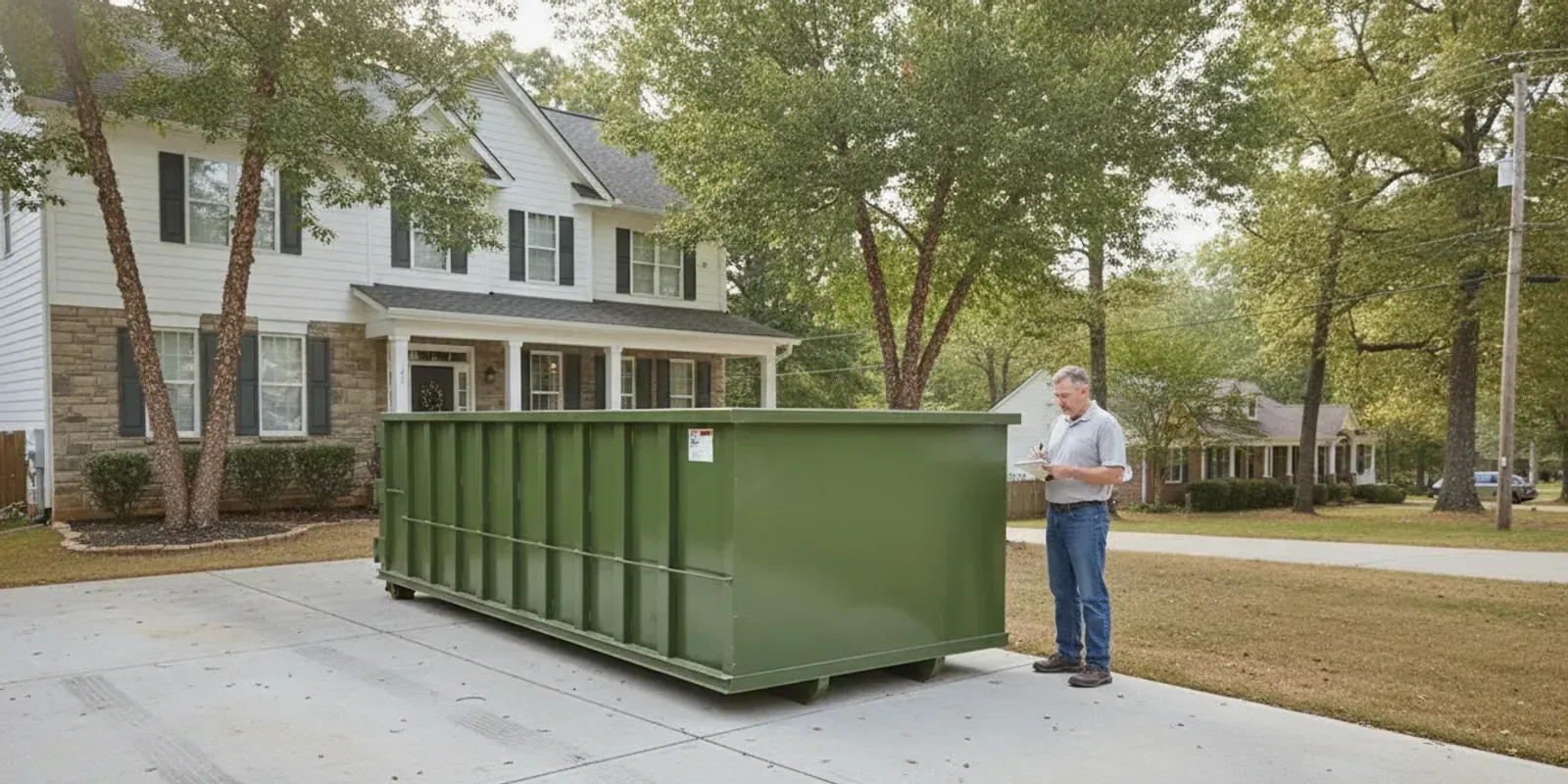
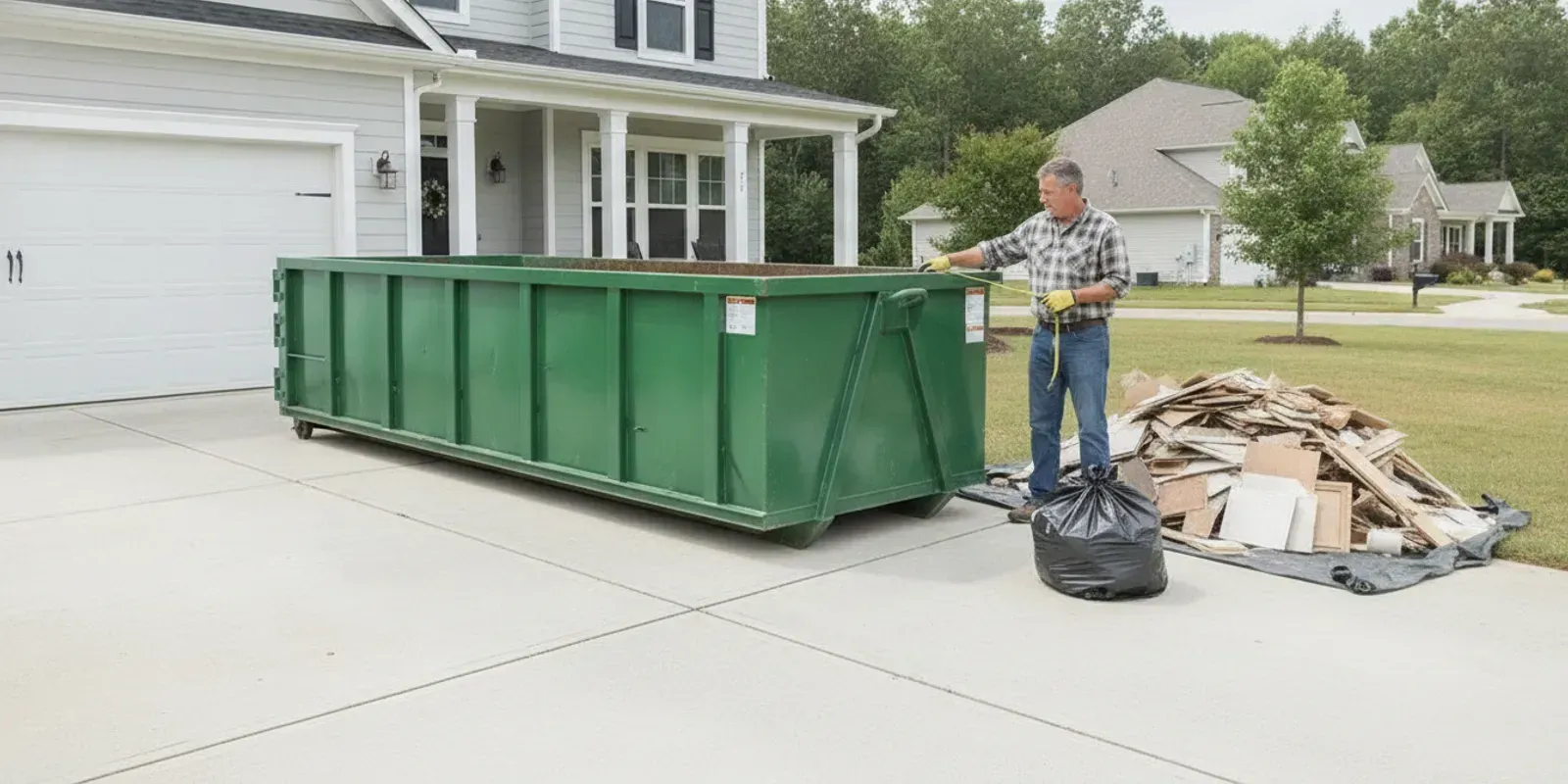
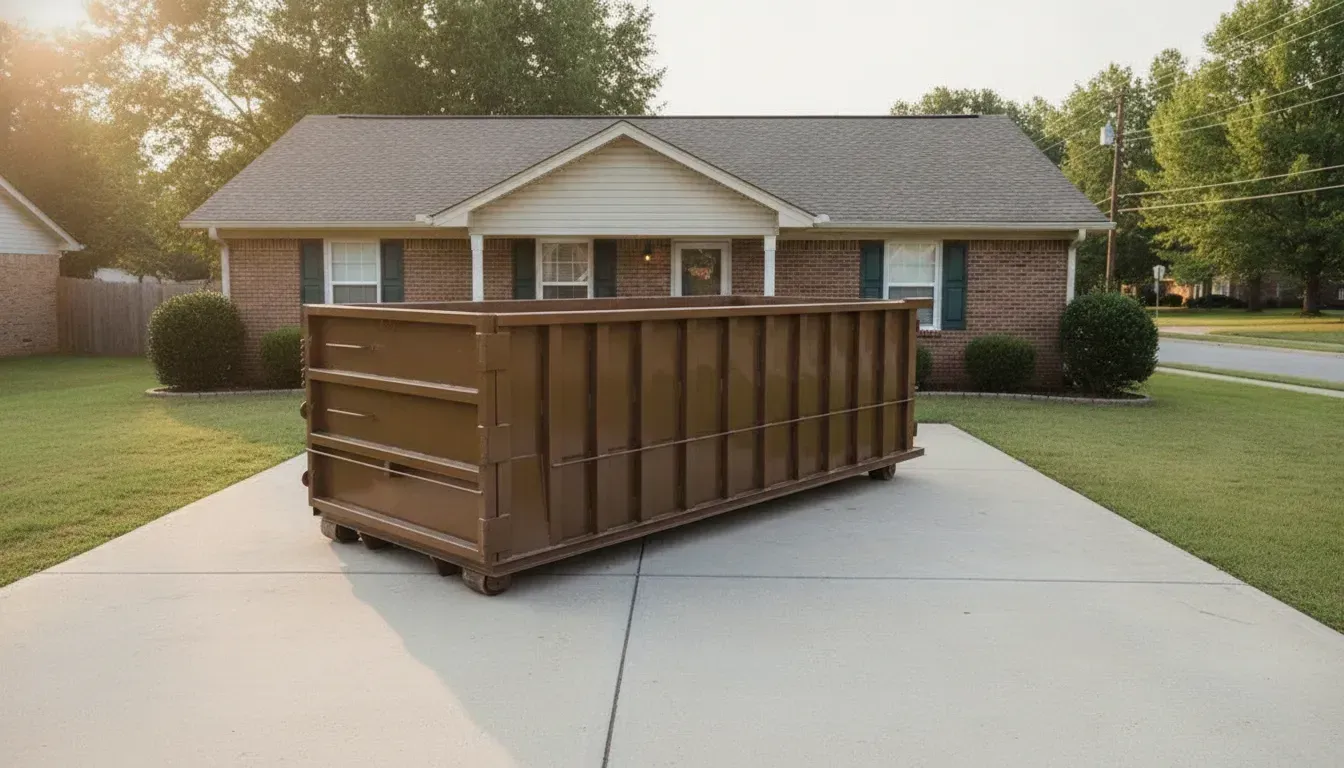
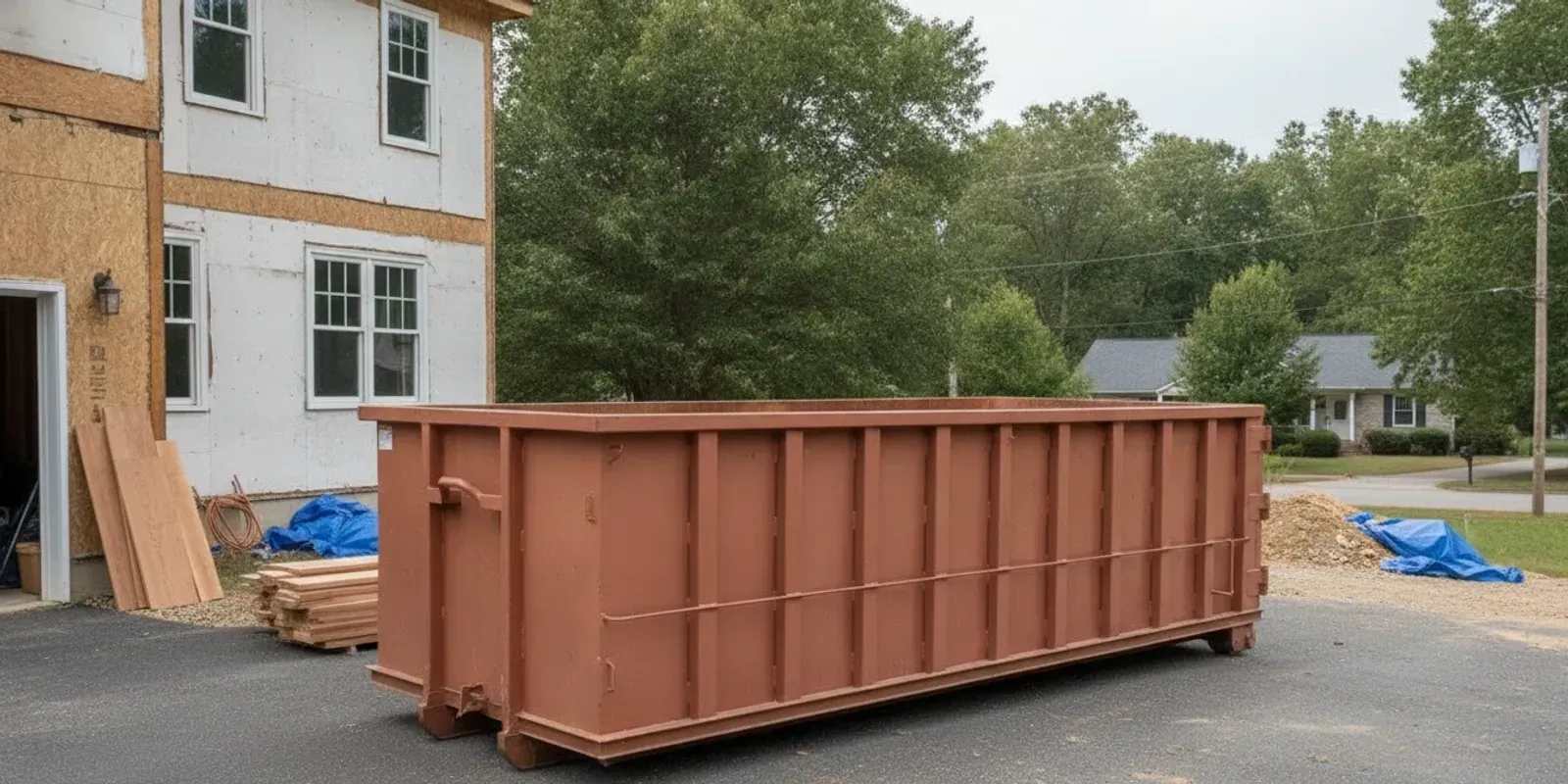
Rental value falls if the container is too small for the job or cannot be placed where you need it. Rapid Removal Dumpster’s documented rental is a 15-yard roll-off container. Its approximate footprint is 5 feet high, 14 feet long, and 7.5 feet wide. Measure the intended spot, then consider the delivery path, vehicle access, overhead clearance, gates, parked cars, and room for people to load safely.
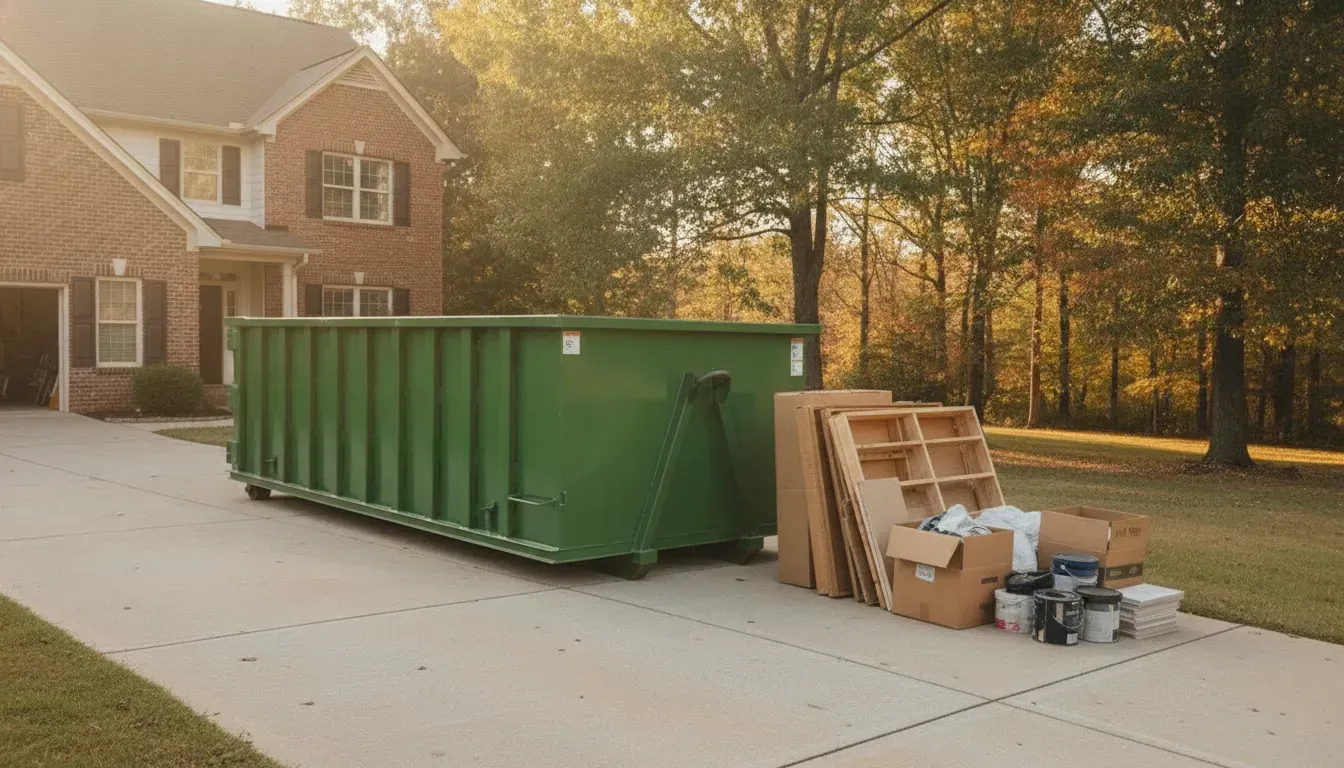
Capacity estimates are only a starting point. Bulky furniture can use space quickly, while dense materials may reach weight limits before the container looks full. Load evenly and avoid placing heavy material in one concentrated area. If your project includes unusually heavy debris, ask about limits before booking. The dumpster size guide offers more planning context, but confirm that the listed service matches your actual project.
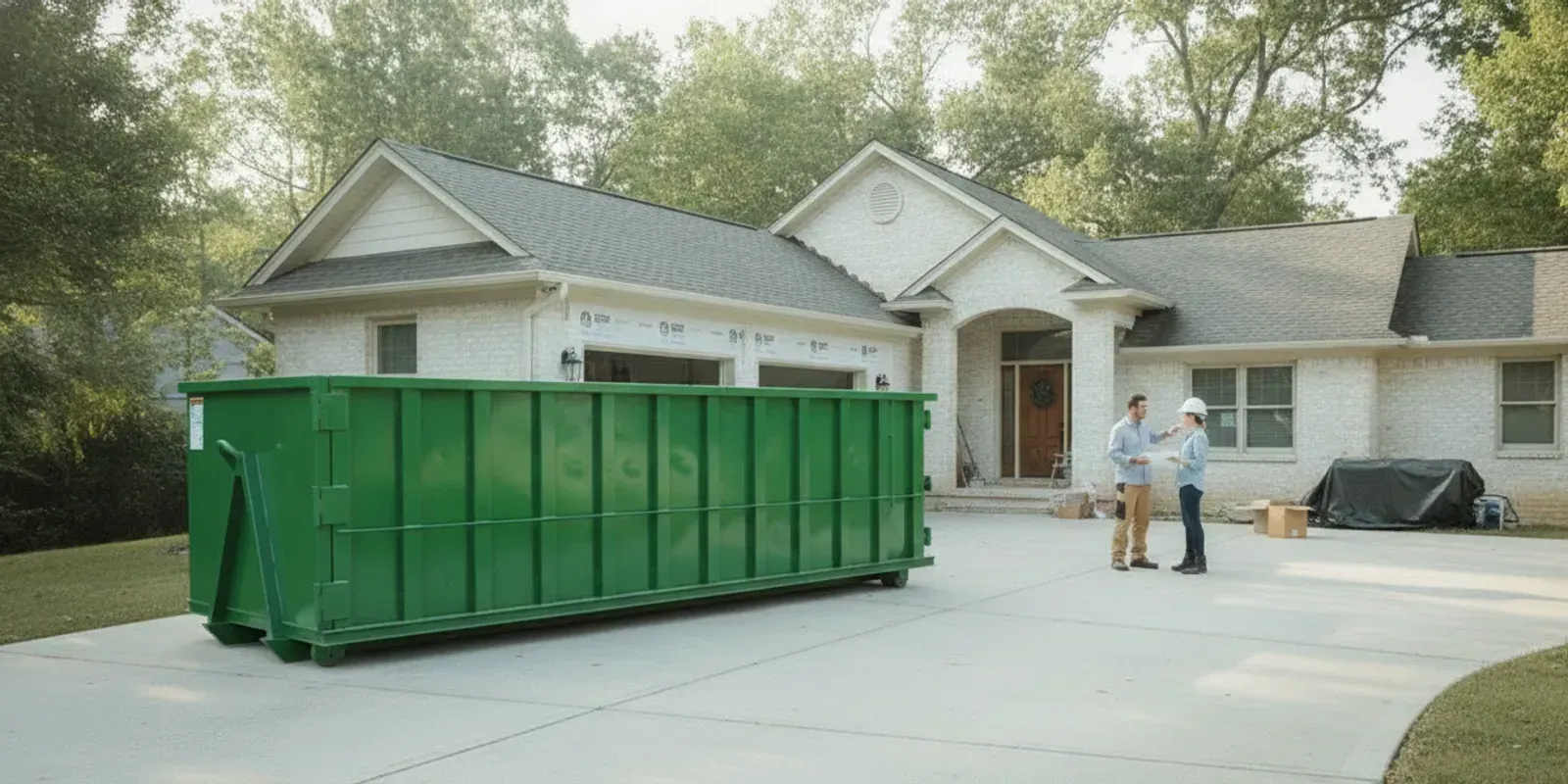
Think about neighbors and visibility, too. A tidy placement and a plan for loading can make a container less disruptive. If you live in a community with an HOA, review its rules before scheduling. Ask whether the container may be placed in the driveway, how long it may remain, and whether the association has appearance or notification requirements.
How should you think about driveway placement?
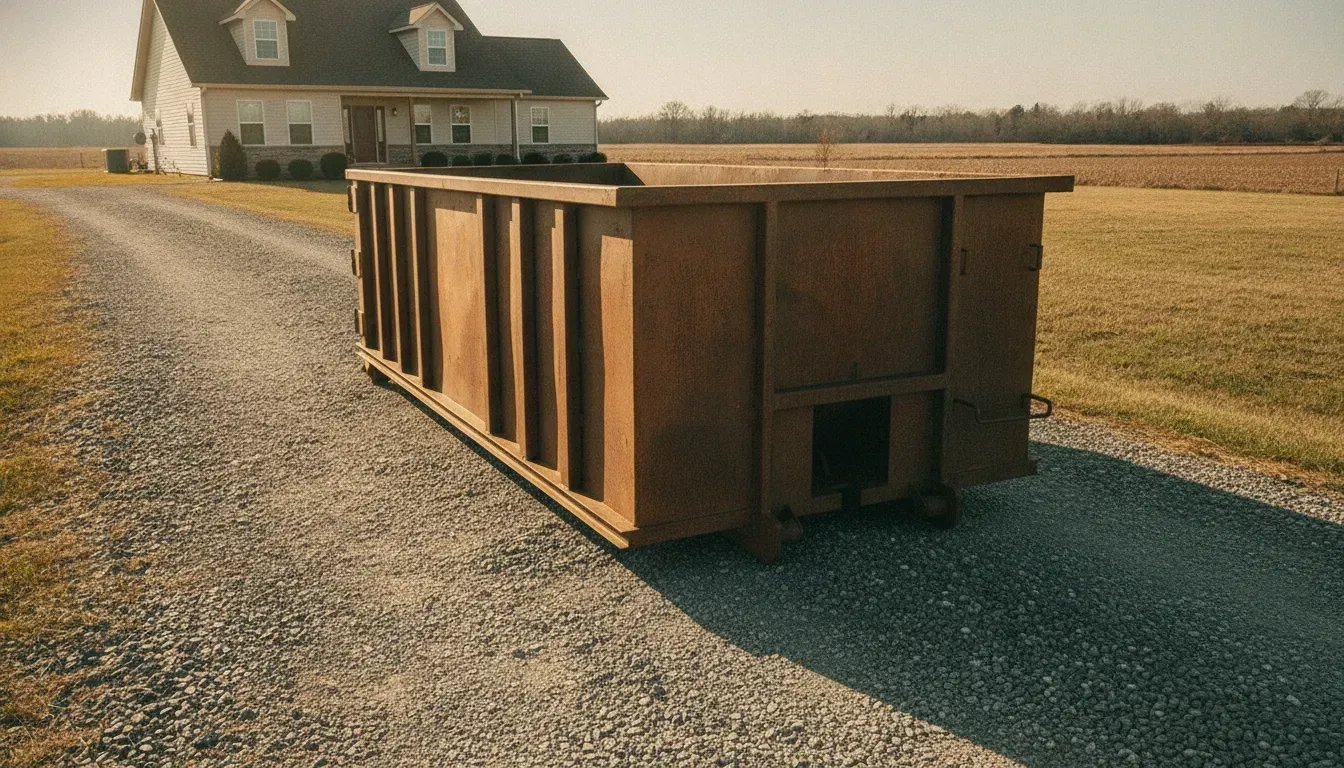
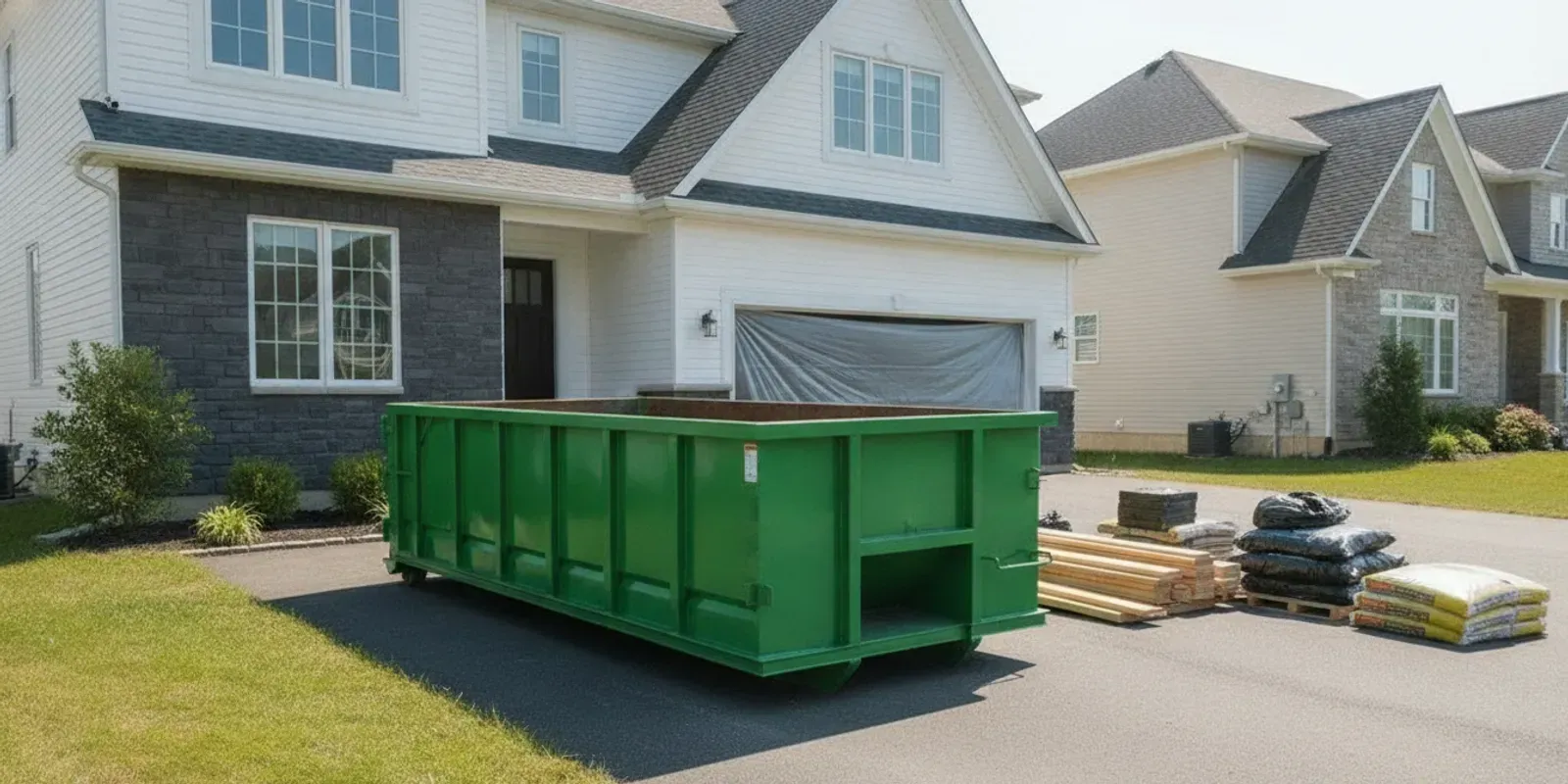
Before delivery, inspect the surface and choose a level, accessible location. Move vehicles and other obstacles, and tell the provider about slopes, narrow entrances, gates, low branches, or other constraints. Protective planks may be used when necessary, but no placement method should be treated as a guarantee against surface damage. Consider the condition of the driveway and discuss concerns before the container is dropped.
Keep a second location in mind in case the first spot is not practical. If the driveway is too short or the route is restricted, do not assume that the truck can make the placement. Share measurements and photos if the request process allows them, and ask the company to review the situation. The driveway placement information explains why access and preparation matter.
How can you compare a rental with other cleanup options?
Make a like-for-like comparison. Include your time and effort, not just a posted price. For a rental, ask what the quoted amount covers and whether there are conditions you should understand. For self-hauling, count the likely trips and check that your vehicle can safely carry the load. For regular collection, verify that the items and volume are allowed.
- Estimate the debris: List major items and project materials. Separate dense, bulky, and potentially restricted materials.
- Estimate the work window: Mark the days when debris will be generated and when someone can load it.
- Check the placement: Measure the available area and identify access or surface concerns.
- Ask about terms: Confirm included time, pickup arrangements, accepted materials, weight or loading limits, and any other conditions relevant to your project.
- Compare effort: Consider travel time, lifting, sorting, and the disruption of storing debris until collection.
Published pricing can make an initial comparison easier, but the lowest apparent amount is not always the best fit if the schedule, material rules, or placement do not work for your job. The dumpster rental planning guide provides additional questions to consider before arranging delivery.
What should you ask before requesting a rental?
A clear request helps the provider assess timing and placement. Describe the project, the type of debris, the preferred delivery date, and the number of days you expect to need. Mention if you are renovating, moving, clearing a garage, or working on a yard so the discussion starts with the right context.
- What materials will go into the container, and are any of them restricted?
- What rental period is available for the dates I need?
- What is included in the current price, and what conditions could change the total?
- Does the placement area appear accessible based on its dimensions and obstacles?
- What should I do if the project takes longer or the location changes?
Rapid Removal Dumpster serves Rutherford County and surrounding areas; confirm that your address is within the current delivery area. The frequently asked questions page is another place to review general rental questions. You can also use the service request page to share your project details. A request is not the same as instant online booking, so clarify availability and timing with the company.
How do you work through a realistic project example?
Consider a homeowner updating a bathroom over three workdays. The project may produce packaging, old fixtures, flooring, and other debris in stages. Before choosing a rental, the homeowner should list each item, check which materials are accepted, and decide whether removal needs to happen throughout the work or can wait until the end. If debris arrives in several batches and repeated vehicle trips would interrupt the work, a container on site may offer practical value beyond the fee alone.
Now compare that with a Saturday garage sort. If the household expects only a few boxes and small items, existing collection or one suitable trip may be simpler. But if the sort includes bulky furniture and many bags accumulated over years, the volume and lifting may change the calculation. The question is not whether a garage cleanup sounds large; it is whether the actual contents, available time, and disposal alternatives justify a temporary container.
A third example is yard work spread across a week. Branches and other yard debris can take up space differently from dense renovation material. Estimate the pile after cutting and trimming, rather than guessing from the uncut yard. Ask whether those specific materials are accepted, and keep the project’s pace in mind: a container helps most when material is generated across multiple sessions and can be loaded safely as you go.
What simple calculation can help compare options?
You do not need a precise dollar value for every hour to make a useful decision. Write down the rental price that applies to your intended period, then compare it with the practical costs of alternatives. For self-hauling, note the number of trips you expect, round-trip driving time, loading and unloading effort, and disposal access. For routine collection, note any volume limits, eligible-item rules, and the wait until pickup. This is a planning comparison, not a claim that one option always costs less.
- Count the interruptions: Estimate how many times you would stop the project to move debris if there were no container on site.
- Estimate the calendar: Include preparation, work sessions, sorting, loading, and final cleanup—not only the days when heavy work happens.
- Record uncertainties: Mark unknown material restrictions, possible weight limits, site access, and any price conditions that need confirmation.
- Compare the whole task: Consider whether the disposal method fits the amount, schedule, physical effort, and space available.
For example, suppose a project is likely to require several disposal trips, each involving loading, driving, unloading, and returning to the worksite. Even if each trip seems manageable on its own, the repeated interruption may extend the project or leave debris stacked in a walkway. A rental may be worthwhile if the on-site convenience is valuable and the terms fit. If the work produces only one small load, those same trip costs may be minor, and a rental may add an unnecessary step.
How can you plan the work so the rental period is useful?
Start with a sequence rather than a hopeful end date. For a renovation, identify the stages that create debris and when each can be loaded. For a move, separate sorting and packing from the final removal of unwanted items. For a cleanout, divide the space into zones so you can finish one area before opening another. This reduces the chance that the rental period is consumed by deciding what to keep.
Prepare the placement and loading route before delivery. Clear the driveway, move vehicles, and identify the path between the work area and container. Keep walkways open and place heavier items evenly rather than concentrating weight in one area. Set aside items that require confirmation instead of putting them in the container by default. A short written checklist helps family members or helpers follow the same plan.
Build in time for things that commonly slow a project: unexpected repairs, weather for outdoor work, limited helper availability, and the need to sort items before disposal. Do not assume that a rental period can be extended on any date or at any price. Ask about schedule changes in advance, and decide what you will do if work is delayed. The best duration is the one that matches a realistic plan, not simply the shortest listed option.
When might a dumpster rental not be worth it?
A rental may be unnecessary when the project produces very little debris, your existing waste service accepts it, or you can dispose of it conveniently in one trip. It may also be a poor fit if there is no suitable placement area, if project timing is uncertain and you have not confirmed available rental terms, or if the materials require a different handling route.
In those cases, separate the work into smaller loads, check donation or recycling options, or ask about an appropriate collection method. Do not choose a container simply because it is available; first confirm that the volume, material, site, and schedule align.
How can you assess the volume before choosing?
Volume is difficult to judge from a single photograph because the same floor area can contain very different loads. A neatly stacked set of flat boxes takes less room than loose packaging, broken shelving, or furniture with awkward shapes. Walk through the project and make a short inventory of the largest items first. Note how many bulky pieces there are, then estimate smaller bags and construction debris separately. This gives you a more useful picture than saying the cleanup is “one room” or “one garage.”
For a renovation, make the list by project stage. Demolition may create flooring, trim, cabinetry, or wall material; installation can add packaging and offcuts. Do not assume all those materials can be mixed in one container. Write down anything unusual, heavy, or potentially subject to special handling and ask about it before delivery. For a move, list furniture and the number of rooms being cleared, but separate items you may donate or sell. A container should be planned around what you truly expect to discard, not everything that enters the sorting process.
Think about how material will be broken down and loaded. A table with detachable legs, flattened cartons, and carefully stacked pieces may use space more efficiently than intact furniture and loose debris. At the same time, do not plan to compress or load items in a way that is unsafe. Leave room for people to approach the container, and follow loading guidance from the provider. If your estimate is uncertain, explain the inventory and ask whether the documented 15-yard service is a sensible match rather than relying on a guess based on a generic online photo.
What does a useful rental comparison look like in practice?
Consider a small kitchen refresh that will happen in three separate work sessions. On the first day, cabinets and packaging are removed; on another day, old flooring comes up; later, the remaining material is cleared after installation. A one-day rental could be convenient only if all debris is ready and helpers can load it within that window. A three-day period may better match a staggered plan, but the homeowner should confirm the dates and terms. The published 15-yard price examples make this comparison concrete: $349 for one day, $375 for three days, and $399 for seven days. They are examples to verify, not a substitute for confirming current availability and applicable terms.
Now imagine the same household instead has four bags of old linens and a few small boxes. If ordinary collection accepts them and there is no immediate deadline, a paid container could be more capacity and coordination than needed. The sensible decision changes because the debris amount, pace, and alternative route have changed. Likewise, an attic cleanout may seem modest until large stored furniture and decades of mixed household items are brought down. The inventory and access plan—not the room label—should drive the comparison.
For a landscaping weekend, include the timing of trimming and the shape of the material. A large pile of branches may look substantial while being relatively light, yet long pieces can be awkward to place and may not fit efficiently. Ask whether the planned yard debris is accepted and how to prepare it. If the work will be completed in one coordinated session, a short rental period might match the schedule. If weather or several workdays affect the plan, a longer window may be more useful. In each case, the homeowner should weigh the price difference against whether the extra time will actually be used.
How should you weigh labor, safety, and household disruption?
A rental does not eliminate the work of a cleanout. The customer still sorts, carries, and loads material. Its potential benefit is that the disposal point is close to the project and can accept eligible material as work progresses. That distinction matters when deciding whether it is “worth it.” If the main challenge is lifting heavy items, a container alone does not solve the labor problem. Arrange appropriate help, use safe lifting practices, and do not place a load in a way that blocks the route or creates a trip hazard.
Compare the work involved in alternatives. Self-hauling requires gathering the load, securing it for transport, driving to an appropriate disposal location, unloading, and returning. Depending on the amount and the vehicle, this may be one trip or several. Routine collection may require putting items out on a specific day, keeping them in a staging area, or separating materials. A container may simplify access during an extended project, but it also occupies space and needs a delivery and pickup plan. Write down which steps are easiest and hardest for your household, rather than assuming that one option is effortless.
Consider the effect on daily routines. A container placed near a garage may be convenient for loading but could limit parking or access to a door. A driveway drop may be visible from the street and may need HOA approval or neighbor communication. If children, pets, or visitors use the area, plan a clear route and keep them away from loading activity. Decide where debris will sit before it reaches the container, and avoid creating a pile that blocks exits or walkways. Practical organization can make any cleanup less disruptive.
How can you compare the calendar and the price ladder?
Use a simple calendar to avoid paying for time that does not help or choosing a window that is too tight. Start by listing the work that must happen before debris is ready: clearing the room, protecting surfaces, arranging helpers, and separating items that need a decision. Then mark the actual debris-producing sessions and the final loading or cleanup day. Include days when the project cannot proceed, such as a workday when no one can be home or a planned gap between trades. A calendar exposes the difference between a one-day burst and a project that spans a week.
The company’s published one-, three-, and seven-day examples are close enough in sequence that the best choice cannot be made by looking only at each daily average. Instead, ask which period matches the job and confirm what is included. The one-day example is $349; the three-day example is $375; and the seven-day example is $399. The site also states no delivery fee. Do not infer from that statement that every other possible condition is covered or that an extension is automatically available. Confirm the current total, pickup timing, material rules, and what happens if your schedule shifts.
Suppose a homeowner has helpers available only Saturday, but demolition begins Friday evening and finishes Sunday. A one-day period may not align with when the bulk of debris is ready. The homeowner could change the work sequence, arrange loading help for a different window, or ask whether another rental period fits. In another case, a move-out may be set for a fixed date, with several household members sorting throughout the week. A seven-day option may be more practical if it avoids rushing decisions and multiple disposal runs. The value comes from alignment between the container period and the real work plan, not merely from selecting the largest window.
What should you do when access or placement is uncertain?
Do not wait until the truck is on the way to discover that a gate is narrow or that a vehicle usually parked in the driveway cannot be moved. Walk the likely route from the street to the proposed drop spot. Note gates, fences, low branches, overhead wires, sharp turns, slopes, soft or uneven ground, and any parked vehicles. Measure the usable placement area and the opening through which delivery must pass. These measurements help the provider discuss feasibility, though they do not guarantee that a particular spot can be used.
Take photos from more than one angle if the request channel permits it. Include the driveway entrance, the intended spot, overhead clearance, and the route from the road. Describe the surface condition, including visible cracks or settled sections, before delivery. Ask whether protective planks may be appropriate; the company says planks can be provided when necessary, but that is not a written promise against surface damage. If a driveway is not workable, ask whether another location is possible and whether that location has its own access or permission concerns.
Plan a backup location, but do not assume it will be approved without review. A curb, shared drive, or street location may involve local rules or permission, and the available information does not establish that every alternative is allowed. Check the relevant property or local requirements yourself and discuss the location before scheduling. If an HOA governs the property, ask about placement, duration, and notification procedures early enough to adjust the work calendar. Waiting until delivery day can turn a manageable planning question into a delayed cleanup.
How can you keep loading organized over several days?
Set aside a short staging area for items awaiting a decision, but keep it separate from clear paths. Use simple labels such as keep, donate, recycle, and ask before disposal. This prevents someone from putting a questionable item into the container just to move it out of the way. Before work begins, share the accepted-material guidance with everyone helping. If an item has not been confirmed, leave it out until you have an answer. Avoid assuming that a common household or renovation material is automatically accepted.
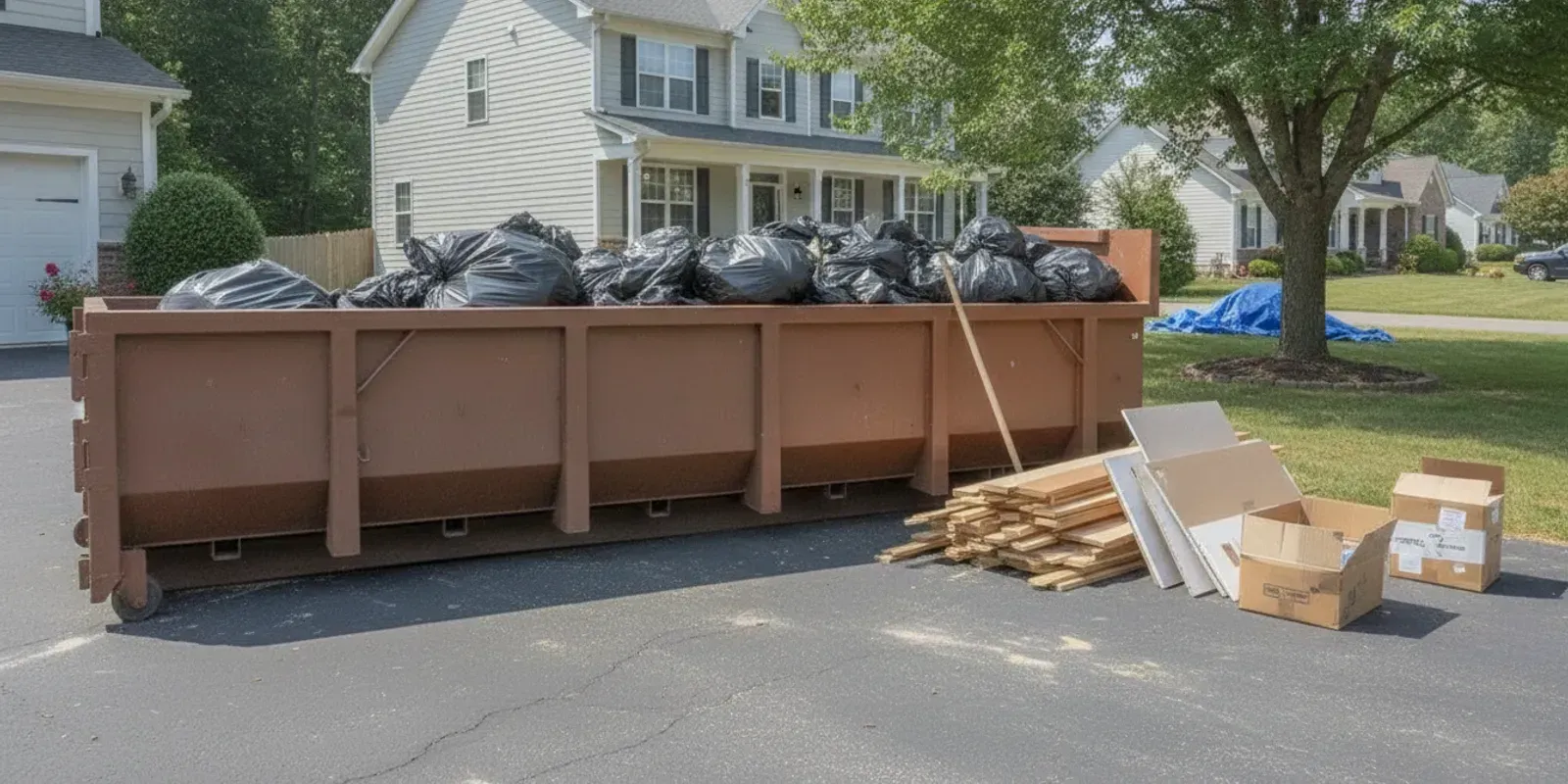
Load in a planned order. Put items in so they use space efficiently, distribute weight across the container, and do not allow a heavy concentration in one area. Large pieces may need to go in before smaller items, while flexible packaging can fill some gaps later. Do not overload above the permitted fill line or in a manner that could make transport unsafe. Ask the provider about the applicable loading and weight limits, since no universal included tonnage is established here. A container that looks partly empty may already hold dense material, so appearance alone is not a reliable measure of remaining capacity.
At the end of each work session, check that the path is clear, loose debris is not left where it can blow or scatter, and the driveway remains usable for the household. Keep a simple log of what has been loaded and what still needs confirmation. If the project is delayed, contact the provider before the planned pickup rather than assuming the schedule can be changed. This habit also helps you avoid a last-minute scramble to decide what goes where.
How should a homeowner make the final decision?
Bring the main facts together on one page: the project type, a rough item inventory, when debris will be generated, the desired rental period, the proposed placement dimensions, and any material questions. Then compare three routes: use existing collection, self-haul, or request a temporary container. For each route, consider time, travel, physical work, household disruption, accepted materials, and how many days the debris must remain on site. You may not have exact answers to every question, but you can identify which unknowns need to be checked before committing.
A rental is more likely to be useful when the volume is substantial, debris accumulates over multiple sessions, repeated trips would interrupt the project, and a suitable placement area is available. Another disposal method may be more sensible when the load is small, existing collection can handle it, or no practical placement is available. These are decision signals, not guarantees. A project can change once work begins, so favor a plan that has room for realistic preparation and clear communication.
Before making a request, be specific about what you know and honest about what remains uncertain. Say whether the job is a renovation, move, cleanout, landscape project, or small construction task. Identify dense or unusual materials, provide the dates you are considering, and explain any driveway constraints. Ask for the current price and terms for the period that fits. That conversation is more useful than asking only whether a dumpster is available, because the provider can respond to the actual site and job details.
Frequently asked questions
Is a dumpster rental useful for a one-room renovation?
It can be, especially if debris is produced over several days and you have a practical placement area. Estimate the volume and ask about the materials before deciding whether a 15-yard container suits the work.
Is a dumpster rental worth it for a small cleanout?
It depends on the amount and type of items. A small number of bags may fit ordinary collection or a trip, while bulky items or a larger cleanout may make an on-site container more convenient. Compare effort and disposal requirements.
How do I know which rental duration to choose?
Map the work from preparation through loading and cleanup. Choose a period that gives you a realistic working window, then confirm availability and the terms that apply to extending or changing the schedule.
Can a dumpster be placed on any driveway?
No. Placement depends on the available area, access, surface, and delivery conditions. Share measurements and any concerns ahead of time, and discuss whether protective planks may be appropriate. They are not a damage guarantee.
What should I confirm about price?
Ask what the published price covers, the rental period, material and loading rules, weight limits, pickup arrangements, and any conditions that could affect your total. The company publishes $349 for one day, $375 for three days, and $399 for seven days for its 15-yard rental, with no delivery fee stated on its site.
Request a Service for your project
When the debris, schedule, placement, and rental terms all fit, a dumpster can make a home cleanup more organized and convenient. Confirm the details before arranging delivery so the option you choose works for your actual project.
| Approach | May suit | Convenience trade-off | What to check |
|---|---|---|---|
| One-day rental | A focused cleanup with labor and debris ready | Concentrates loading into a short window | Whether preparation and loading can realistically finish that day |
| Three-day rental | A compact project spread across a few work sessions | Allows more flexibility than a single day | How project steps and access fit the period |
| Seven-day rental | A renovation, move, or cleanup with work across a week | Offers a longer working window | Whether the extra time is useful for your actual schedule |
| Repeated vehicle trips | A small amount of debris and suitable transport | Requires loading, driving, and separate disposal trips | Trip count, vehicle capacity, disposal access, and your available time |
| Regular trash or special collection | Small amounts accepted through existing services | May require waiting for collection or following item rules | Local limits, pickup timing, and accepted items |