Dumpster Rental for Hoarding Cleanup: Size, Cost & Safety
Find out how dumpster rental for hoarding cleanup works, including tips on choosing the right size, estimating costs, and keeping your project safe.
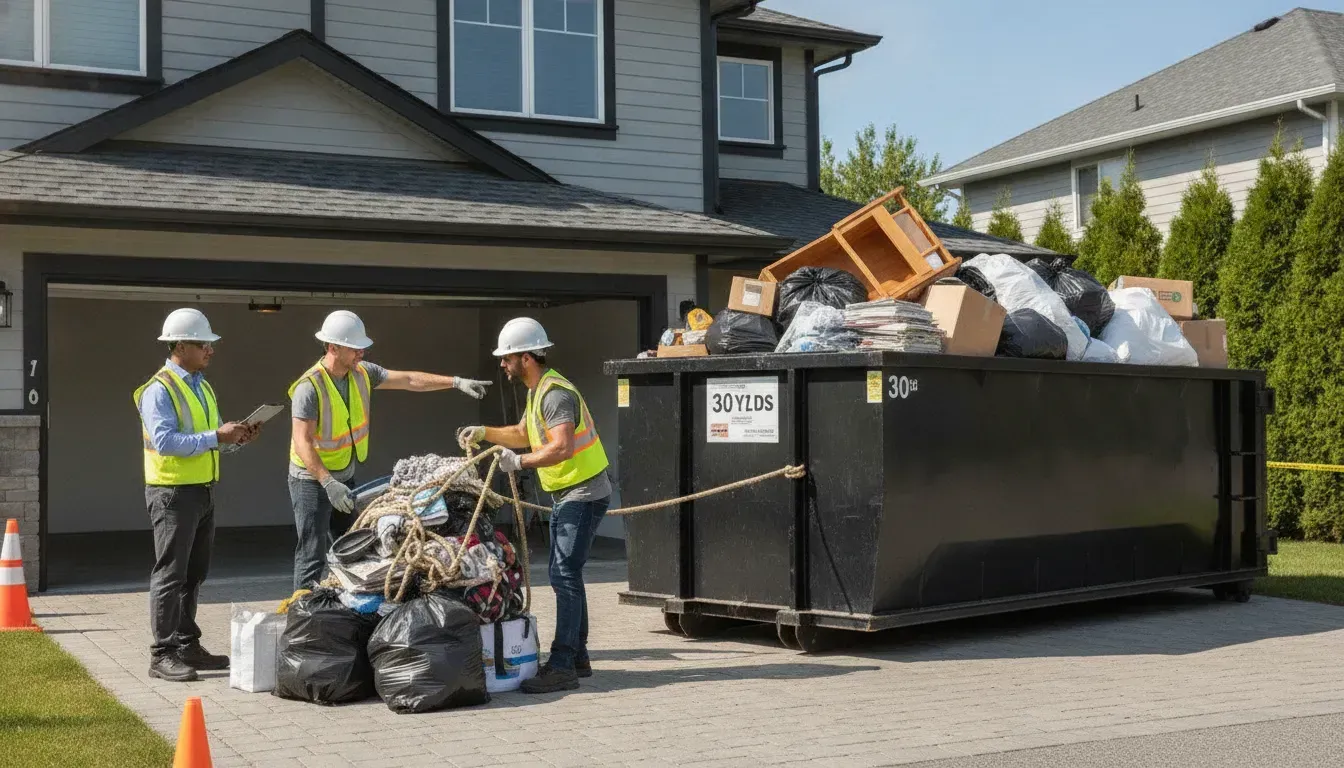
Clearing a home affected by hoarding can feel overwhelming, especially when every room holds belongings that need careful review. A dumpster rental for hoarding cleanup may simplify disposal by keeping discarded items in one place and reducing trips to a landfill. But a container is only one part of the plan. You’ll still need to sort belongings, protect important documents and keepsakes, and load the dumpster safely. The right choice depends on the amount of clutter, any hazards in the home, and the time and support you have. Here’s how to assess your needs, compare dumpster sizes, plan delivery, and decide whether a cleanup team could help.
Key Takeaways
Is a Dumpster Rental Right for a Hoarding Cleanup?
A dumpster can provide a convenient place to put items you’ve decided to discard, but it doesn’t include sorting or cleanup labor. The right approach depends on the amount of clutter, the condition of the home, and whether you have enough support to work safely.
When can you manage a DIY cleanout?
A DIY cleanout may be manageable when clutter is limited to a few areas, walkways and exits are clear, and you can sort items without disturbing unstable piles. You’ll also need enough time and reliable help to carry and load belongings safely. If the job feels too large or strenuous, consider starting with one room or asking a professional for an assessment.
A dumpster can be useful for smaller projects as well as major renovations. Choose a container that suits the amount of material you expect to discard, and check its weight limit and accepted items before booking. [Find out how dumpster rentals can help with smaller projects](https://www.jjohnnieonthespot.com/clearing-up-7-common-misconceptions-about-dumpster-rentals).
When do safety risks, severe clutter, or biohazards call for professional help?
Get professional advice before starting if clutter blocks exits, piles appear unstable, or you find mold, pests, animal waste, or other possible biohazards. These conditions may require protective equipment, specialized handling, or a cleanup plan that a dumpster rental alone cannot provide. If you notice structural damage or feel unwell, leave the area and contact a qualified professional.
Large cleanouts can also involve repeated trips to carry bags and bulky items to a vehicle or disposal site. A dumpster can reduce those trips, but loading it still requires safe lifting and clear access. [Learn how a dumpster can simplify waste removal during a hoarding cleanout](https://curbsidewaste.com/what-makes-junk-removal-and-dumpster-rental-useful-for-hoarder-cleanouts).
Weigh the time, effort, emotional strain, privacy, and support available
Before choosing a DIY cleanout, estimate how many people can help, how much time they can give, and whether they can safely lift and load items. Consider the emotional side, too. Sorting personal belongings can be difficult, so decide whether you’d feel more comfortable working with someone you trust or hiring a compassionate cleanup team.
Think about privacy and logistics when selecting a dumpster location. Ask the rental provider where it can be placed, how delivery and pickup work, and what happens to the waste. Providers may have different procedures for separating recyclable materials, so ask about their disposal practices. [Review common questions about dumpster rentals](https://www.jjohnnieonthespot.com/clearing-up-7-common-misconceptions-about-dumpster-rentals) as you compare options.
Set aside important documents, valuables, and sentimental items
Before loading the dumpster, set up a clearly marked area for belongings that need a closer look. Put identification, financial and legal papers, keys, medications, jewelry, cash, photographs, and keepsakes there. Ask everyone helping to check drawers, boxes, pockets, and papers before discarding or donating anything.
If you’re unsure about an item, place it in a temporary review box instead of making a rushed decision. You can sort it later with a trusted family member or support person. A professional cleanup team may also help sort belongings into categories such as keep, donate, recycle, and discard. [See an example of a compassionate, room-by-room approach](https://www.thedumppro.co/hoarder-clean-out/albany-ca/).
What Dumpster Size Do You Need?
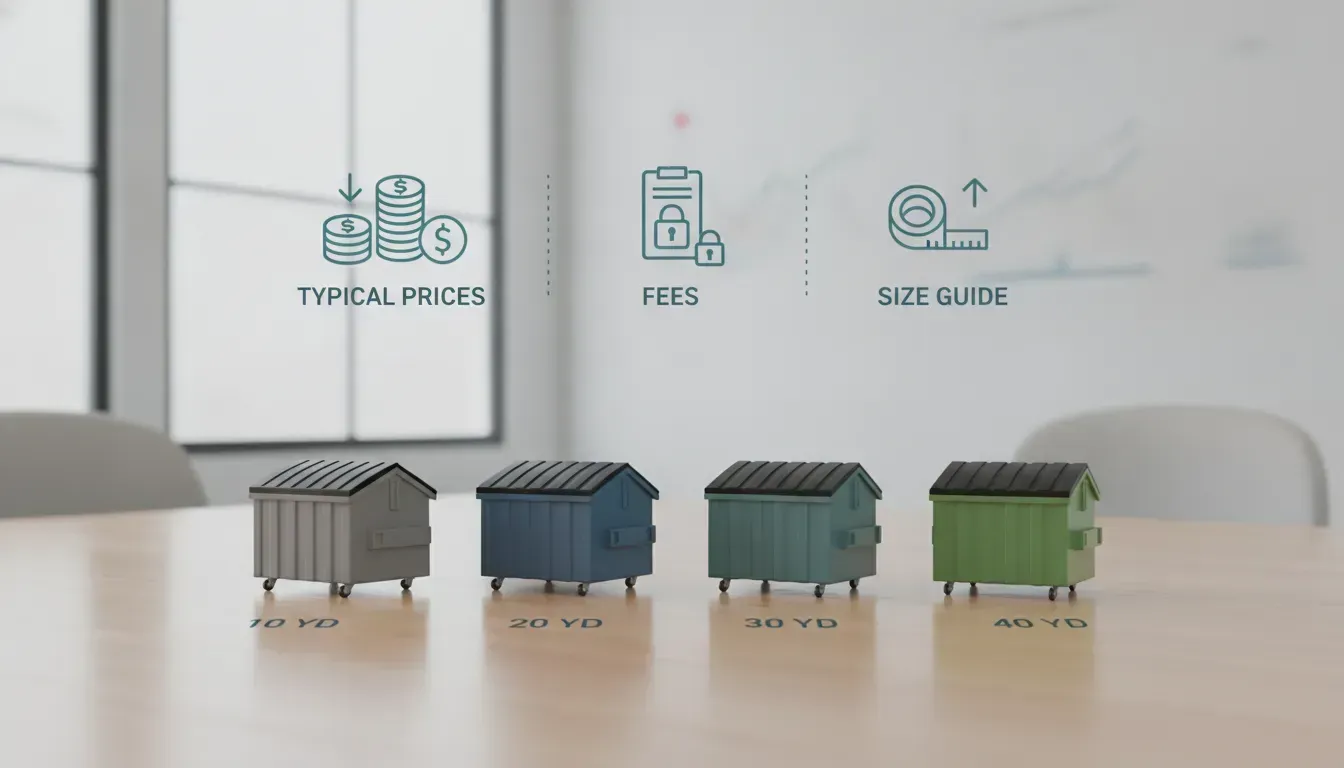
The right dumpster size depends on how much you plan to remove, the materials you’re throwing away, and how quickly you can sort and load them. A small, focused cleanout may fit in a 10-yard container, while clearing an entire home could call for a 30-yard dumpster or larger. These sizes are starting points, not guarantees: bulky furniture takes up space, and dense debris can reach a weight limit before the container looks full.
Before booking, make a rough inventory of the rooms and large items involved. Then ask the rental provider about container dimensions, weight limits, included disposal allowances, and rental time. Capacity estimates can help you compare sizes, but the provider can give guidance based on your cleanup and local service options. Budget Dumpster’s [size examples](https://www.budgetdumpster.com/san-pablo-ca-dumpster-rental-california.php) compare common containers with approximate truckload capacities.
Choose a 10-yard dumpster for a small cleanout
A 10-yard dumpster may suit a focused project, such as clearing garage clutter, removing general yard waste, or disposing of debris from a small bathroom remodel. It can be a good starting point if you’re working in one room or a limited area and have already separated items to keep, donate, or recycle.
Consider the shape and size of the items as well as their quantity. A few large pieces of furniture can use up container space quickly, even if the overall pile looks manageable. Compare your project with the provider’s [10-yard dumpster examples](https://www.budgetdumpster.com/san-pablo-ca-dumpster-rental-california.php), and ask whether the container’s dimensions and weight allowance suit the items you expect to discard.
Choose a 20-yard dumpster for a moderate cleanout
A 20-yard dumpster can work for a moderate cleanout, such as sorting an attic or basement, clearing several rooms, or completing a small renovation. Budget Dumpster estimates that this size holds about six truckloads of debris, which can help you picture its capacity.
Before you book, list the areas you plan to clear and note whether the load will include furniture, flooring, cabinets, or other renovation debris. These materials take up space and add weight at different rates. Review the provider’s [20-yard capacity information](https://www.budgetdumpster.com/san-pablo-ca-dumpster-rental-california.php), then describe your project to the rental company. Ask whether the included weight allowance covers the materials you expect to remove.
Choose a 30-yard dumpster for a larger cleanout
A 30-yard dumpster may suit a larger project, such as clearing several rooms, emptying an estate, or removing debris from a garage demolition. Budget Dumpster estimates that a container this size holds about nine truckloads. Treat that as a general guide, since the actual fit depends on the items and materials in your load.
Make a rough inventory before choosing a size. Count large furniture pieces, note any renovation debris, and consider how much clutter is stored in closets, basements, or outbuildings. Share these details with the rental provider and ask whether a 30-yard container fits your plans. The provider’s [30-yard dumpster details](https://www.budgetdumpster.com/san-pablo-ca-dumpster-rental-california.php) offer a useful reference, but local dimensions and weight limits may vary.
Choose a 40- or 50-yard dumpster for an extensive cleanout
For a whole-home renovation, major demolition, or extensive cleanout, a 40- or 50-yard dumpster may provide the room you need. Budget Dumpster estimates that a 40-yard container holds about 12 truckloads and a 50-yard container about 15. Confirm the dimensions and capacity with your provider, since these figures are estimates.
A larger container can hold more debris, but it may not be the right choice for every load. Heavy materials can reach the weight limit before the dumpster is full, and the largest sizes may not be available at every location. Review the provider’s [larger dumpster size estimates](https://www.budgetdumpster.com/san-pablo-ca-dumpster-rental-california.php), then ask about weight allowances, placement requirements, and whether multiple rentals would better suit your cleanup.
Estimate clutter and bulky-item volume; check capacity and weight limits
Estimate both the amount of clutter and the number of bulky items you plan to discard. A sofa, mattress, or appliance can take up considerable space. Dense materials, including tile, plaster, and soil, can add weight quickly. If possible, group items by type, list the largest pieces, and take photos of the areas you plan to clear. These details can help the rental provider recommend a suitable size.
Ask for the container’s dimensions, maximum weight, and included disposal allowance before booking. You may face additional fees if your load exceeds the weight limit, even if the dumpster is not full. [Tuttle’s rental planning guidance](https://www.tuttlestruckingandrecycling.com/avoid-these-mistakes-when-booking-a-30-yard-dumpster-rental) recommends estimating debris volume and checking weight limits as part of choosing a container.
Ask if you need multiple rentals or more time
A cleanup can produce more debris than expected, especially once you begin sorting closets, storage areas, and rooms that have been difficult to access. Ask the provider how to arrange another pickup or a second dumpster if one container is not enough. Check the cost of extending the rental period, too, so you can compare that option with scheduling extra days upfront.
Allow time for sorting, donation drop-offs, and loading, particularly if you’re clearing several rooms or coordinating help from others. [Tuttle’s advice on rental planning](https://www.tuttlestruckingandrecycling.com/avoid-these-mistakes-when-booking-a-30-yard-dumpster-rental) notes that a project may require an additional rental or a longer rental period than expected. Confirm deadlines and added fees before delivery so you can plan the cleanup without rushing.
What Can You Put in a Hoarding Cleanup Dumpster?
A dumpster can hold many kinds of household clutter, but the accepted items depend on the rental provider, dumpster type, and local disposal rules. Commonly accepted materials include general junk, furniture, carpet, flooring, fixtures, yard waste, and some appliances. A provider may set separate rules for heavy debris, electronics, mattresses, tires, or other bulky items, and some materials may come with additional fees.
Before loading, ask the rental company for its current accepted-items list and explain what you expect to discard. Include large or unusual items in your description so the provider can flag restrictions and estimate any added charges. If you find hazardous materials or potential biohazards, keep them out of the dumpster and ask your local waste authority how to handle them safely.
Sorting belongings before disposal can also make a cleanout more manageable. Set aside items to keep, donate, or recycle, then load only eligible waste. This step helps protect important possessions and gives usable items a chance to find a new home. [The Dump Pro recommends sorting belongings into keep, donate, recycle, and disposal categories](https://www.thedumppro.co/hoarder-clean-out/albany-ca/).
Dispose of commonly accepted clutter, furniture, and general debris
Many dumpster rentals accept everyday household clutter, broken furniture, carpet, flooring, fixtures, and other nonhazardous debris. Some providers also allow yard waste and stumps. Since rules vary, check whether your rental separates household junk from construction debris or green waste.
Bulky items can fill a dumpster quickly. If it’s safe, take furniture apart and place pieces carefully to use the space efficiently. Don’t force items into the container or stack them above its fill line. When requesting a quote, describe the types and approximate amount of material you plan to discard. This gives the provider a clearer picture of your needs and helps you choose a suitable container. Confirm the rules again before delivery, especially if your list changes during the cleanout.
Check restrictions and fees for appliances, electronics, mattresses, and tires
Appliances, electronics, mattresses, upholstered furniture, and tires may be accepted, restricted, or charged separately. Ask the provider about each item before loading it, particularly if the cleanup includes several mattresses or large appliances. A per-item fee may apply even when the dumpster has enough room.
Electronics may need to go to a designated recycling site, and appliances containing refrigerants can require special handling. Tire disposal rules also vary by location and provider. Don’t assume an item is covered by the standard rental price simply because it fits in the container. [Budget Dumpster lists commonly accepted materials and notes that certain bulky items may incur additional fees](https://www.budgetdumpster.com/san-pablo-ca-dumpster-rental-california.php). Contact your rental company to verify its current policies and charges for your area.
Keep hazardous waste, chemicals, paint, and biohazards out
Keep hazardous materials out of a standard rental dumpster. Prohibited items may include gasoline, chemicals, paint, and materials that are flammable or toxic. Some providers also restrict items such as railroad ties. Because rules vary by location, contact your local waste authority or a household hazardous waste facility for disposal instructions.
If you find needles, bodily fluids, animal waste, or other potential biohazards, stop and avoid handling them. A standard dumpster is not meant for biohazard disposal, and some situations call for trained cleanup professionals. Don’t mix these materials with ordinary trash or move them without guidance. Ask the appropriate local authority or a qualified cleanup service how to proceed, and keep people and pets away from the area until you have clear instructions.
Sort items to keep, donate, recycle, or discard
Before loading the dumpster, mark separate areas or containers for items to keep, donate, recycle, and discard. Set aside important documents, medications, valuables, and sentimental belongings for review. If several people are helping, agree on how to handle uncertain items before the sorting begins. That simple step can prevent useful or meaningful possessions from being thrown away by mistake.
Check with local charities before setting aside donations, since organizations may limit the items and condition they accept. Contact your recycling provider or drop-off facility to confirm which materials it takes. Once you’ve sorted those belongings, place only eligible waste in the dumpster. Keep donation and recycling piles separate from discarded items so they stay clean and easy to transport.
Confirm accepted items with the provider and local disposal authorities
Before booking, give the dumpster provider a practical list of the items you expect to remove. Ask which materials are accepted, whether any carry extra fees, and how to handle restricted items. Confirm the container’s weight limit and fill-line rules as well. Heavy materials can affect your final bill even when the provider allows them.
For items with special disposal requirements, check with your local waste authority or a designated recycling facility. Keep the provider’s instructions available while sorting and loading, and ask for guidance if you uncover an item you didn’t expect. [Westphal Waste Services recommends confirming accepted materials with the rental company before booking](https://www.westphalwasteservices.com/3-common-misconceptions-about-dumpster-rental-services). Getting clear answers ahead of time helps you plan disposal and avoid delays or added charges.
How Do You Plan Rental, Delivery, and Placement?
Once you’ve chosen a dumpster size, plan how it will fit into the cleanup. Confirm the rental terms, delivery and pickup dates, and disposal limits before booking. Then choose a placement site and make sure the truck can reach it safely. These details can help prevent delays, extra charges, or a container that cannot be delivered as planned.
Hoarding cleanups can take longer than expected, especially when belongings need careful sorting or family members need time to make decisions. Build some flexibility into your schedule, and decide who will handle loading, donations, and recycling. If the cleanup involves heavy items or safety concerns, arrange appropriate help before the dumpster arrives.
Check with the rental provider and local authorities about site access, permits, accepted materials, and loading rules. Requirements vary by company and location, so confirm the details for your specific rental rather than relying on a general estimate. With a clear plan, you can make better use of the rental period and keep the work area organized.
Get a quote; confirm delivery, pickup, rental days, and disposal allowance
Ask for a written quote that lists the full cost and what it covers. Confirm delivery and pickup, the rental period, the included weight allowance, and whether taxes are included. Also ask about charges for extra days, overweight loads, restricted items, or a missed delivery. Knowing these terms before you book makes it easier to compare providers and plan your budget.
Rental packages differ. For example, [Budget Dumpster’s San Pablo rental information](https://www.budgetdumpster.com/san-pablo-ca-dumpster-rental-california.php) describes a flat rate that includes delivery, pickup, and taxes. That example may not reflect terms in other locations, so confirm the details for your address directly with the provider. Keep the quote and rental agreement accessible throughout the cleanup.
Schedule delivery around sorting and loading, allowing for delays
Choose a delivery date that gives you time to prepare, rather than scheduling the dumpster before you know when loading can begin. Consider how long it may take to sort belongings, arrange donations, and gather help. If the cleanup covers several rooms or requires careful decisions, leave room in the schedule for delays.
Ask the provider how to change the pickup date and whether an extension carries an added daily charge. A dumpster can reduce repeated trips to a disposal site, but it does not remove the time needed to sort and load items. [Curbside Waste explains how a dumpster can support a hoarding cleanup](https://curbsidewaste.com/what-makes-junk-removal-and-dumpster-rental-useful-for-hoarder-cleanouts). Use that convenience to plan a manageable workflow, with breaks and help available as needed.
Choose a firm, level site; ask about ground protection
Select a firm, level spot that the delivery truck can reach and that can support the dumpster. A driveway may be a practical choice, but consider its slope, condition, and proximity to the home. If you’re concerned about marks or damage, ask the provider whether it recommends boards or other ground protection. The right approach depends on the surface and the container.
Clear the area before delivery, and leave enough room for people to move around safely. Ask the rental company about placement requirements for your specific dumpster. Some providers publish guidance on site conditions and clearances, including [Budget Dumpster’s San Pablo rental page](https://www.budgetdumpster.com/san-pablo-ca-dumpster-rental-california.php). Confirm requirements directly with your provider, since truck and container needs can vary.
Check access, overhead clearance, truck space, and nearby obstacles
Walk the route from the street to the proposed placement spot before booking. Look for parked vehicles, narrow turns, gates, low branches, wires, roof overhangs, and other obstacles. The truck needs enough room to reach the site, maneuver, and unload. Move cars, tools, and stored materials out of the way before delivery day.
Ask the provider how much space and overhead clearance its truck requires. One local rental guide, [Budget Dumpster’s San Pablo page](https://www.budgetdumpster.com/san-pablo-ca-dumpster-rental-california.php), gives an example of about 60 feet of clear space and 23 to 25 feet of vertical clearance. Treat these figures as specific to that provider, not as universal requirements. If access looks tight, send the company photos or request a site assessment before delivery.
Check permit rules for street or public-property placement
If the dumpster needs to go on a street, sidewalk, or other public property, check local permit rules before scheduling delivery. Requirements may depend on the exact location, rental duration, and impact on traffic or pedestrian access. Contact your city or county’s permitting or public works office to ask what applies and how early to submit an application.
Confirm who is responsible for getting the permit. The rental provider may be able to offer guidance, but don’t assume it will handle the application for you. Ask whether a permit must be displayed near the container and whether placement restrictions apply. Some areas require an encroachment permit for street placement, as noted in [Budget Dumpster’s local rental information](https://www.budgetdumpster.com/san-pablo-ca-dumpster-rental-california.php). Check current rules with your municipality before choosing a spot.
Decide who will load the dumpster and handle donations and recycling
Decide who will sort, carry, and load items before the rental begins. A dumpster provides disposal capacity, but it usually does not include a crew to clear the home. If there are heavy items, mobility concerns, or emotionally difficult decisions, arrange trusted help or ask about full-service cleanup options. Set aside documents, valuables, and belongings that need a closer look before anything is discarded.
Create separate areas for items to keep, donate, recycle, and throw away. Check with donation centers and local recycling programs about what they accept before transporting items. For sensitive cleanouts, respectful support matters. [The Dump Pro describes a discreet, compassionate approach](https://www.thedumppro.co/hoarder-clean-out/albany-ca/) to hoarding cleanup. Ask any provider how its team handles privacy, sorting, and communication so you can choose the level of help that feels right.
Follow fill-line rules and keep prohibited items out
Follow the provider’s loading instructions and keep all materials below the marked fill line. Items should not stick out over the sides, since an overfilled dumpster may be unsafe to transport and could lead to an extra charge or a missed pickup. Distribute heavy items carefully, and contact the rental company if you’re unsure how to load furniture or other bulky debris.
Check the provider’s list of restricted materials before loading. Rules vary, so ask specifically about appliances, electronics, tires, paint, chemicals, and other items that may need special disposal. [Budget Dumpster advises customers not to overfill containers or include prohibited materials](https://www.budgetdumpster.com/san-pablo-ca-dumpster-rental-california.php). If you find an item you’re uncertain about, keep it aside and check with the provider or local disposal authority before placing it in the dumpster.
What Does a Dumpster Rental Cost?
The total cost depends on the dumpster size, rental period, debris weight and type, and delivery location. Compare the details behind each quote, not just the advertised base rate. Before booking, ask the provider to explain possible extra charges so you can budget for the cleanup.
Compare base rates, included rental days, and weight allowances
A base rate typically covers a specific dumpster size, rental period, and weight allowance. Since those details vary by company, compare quotes for the same size and service. A lower starting price may include fewer rental days or a smaller weight allowance, which could lead to added fees if the cleanup takes longer or produces more debris than expected.
Ask how the company calculates weight and what it charges if you exceed the allowance. Choosing a container that fits the amount of clutter you expect to remove can help you avoid paying for unused space or arranging another haul. Companies commonly offer [dumpsters in several sizes](https://www.westphalwasteservices.com/3-common-misconceptions-about-dumpster-rental-services), though available options vary by provider.
Ask about delivery, pickup, extra days, and overweight fees
Confirm whether delivery and pickup are included in the quote. Ask when the rental period starts, how many days it covers, and what each additional day costs. Sorting belongings during a hoarding cleanup can take time, especially if family members need to review items. Knowing the extension fee in advance makes it easier to decide whether to reserve a longer rental period.
Ask how the company handles overweight loads. Fees may depend on the amount over the limit or follow a set pricing structure. Find out whether you’ll be notified about an overweight charge and when it will appear on your bill. Reviewing rental terms and timelines before booking can prevent surprises, since misunderstandings about these details are a common [dumpster rental mistake](https://www.tuttlestruckingandrecycling.com/avoid-these-mistakes-when-booking-a-30-yard-dumpster-rental).
Check for restricted-item, environmental, and special-disposal fees
Some materials require separate handling and may not be accepted in a standard dumpster. Appliances, electronics, mattresses, tires, paint, and chemicals can have restrictions or extra disposal fees. Before loading, share a list of the items you expect to remove and ask the provider how to handle anything it cannot accept.
If the cleanup involves spoiled food, bodily fluids, or other potential biohazards, contact the provider before booking. Ask whether those materials are accepted and what disposal options are available if they are not. Requirements vary by location, so check with the rental company or local waste authority. Proper sorting and disposal matter: waste companies follow environmental regulations, and [different materials may require specific handling](https://www.jjohnnieonthespot.com/clearing-up-7-common-misconceptions-about-dumpster-rentals).
Ask about failed deliveries, extra trips, permits, and available discounts
Ask what happens if the driver cannot place the dumpster because the access route is blocked or the drop-off area is unsuitable. Some providers charge for a failed delivery or a return trip. Clear the delivery area in advance, and ask what an additional pickup or container swap costs if you expect to fill the dumpster quickly.
A permit may be required if the dumpster will sit on a street or other public property. Check local rules and ask whether the rental company can help with the application. You can also ask about discounts for longer rentals or multiple pickups. Compare providers by looking at their terms, available sizes, and customer reviews, not price alone. [Researching rental companies](https://www.westphalwasteservices.com/3-common-misconceptions-about-dumpster-rental-services) can help you find an option that suits your cleanup.
Get the full quote and rental terms in writing
Ask for a written quote that lists the dumpster size, delivery and pickup charges, rental period, included weight, and fees for extra days or excess weight. Request details about restricted materials, failed deliveries, additional trips, and permits as well. A complete quote gives you a clear record of what the price covers and which circumstances could lead to extra charges.
Read the rental terms before you book, and ask the provider to clarify anything you’re unsure about. Confirm where the dumpster will be placed, how to request pickup, and whom to contact if your plans change. Keep a copy of the quote and agreement so you can refer to them during the cleanup. For more help understanding common rental claims, [AAA Carting explains several dumpster rental misconceptions](https://www.aaacarting.com/4-common-dumpster-rental-myths-debunked).
How Can You Keep the Cleanup Safe and Manageable?
A safer cleanup starts with a clear plan. Before sorting, identify possible hazards, decide who can help, and check which items your dumpster provider accepts. Work at a steady pace, and pause if conditions feel unsafe or the task becomes too difficult to manage alone.
Wear protective gear and keep exits and walkways clear
Wear sturdy, closed-toe shoes, work gloves, and clothing that covers your arms and legs. Safety glasses and a well-fitting mask may help with ordinary dust, but they are not a substitute for professional equipment when hazardous materials are present. Keep hallways, stairs, doorways, and exits clear as you work. Move items in small batches, and avoid stacking belongings where they could fall or block a route out.
Cluttered homes can contain sharp objects, pests, mold, spoiled food, or human and animal waste. These conditions may create health and injury risks. If you encounter them, stop and consider hiring trained professionals. A [Palo Alto cleanup provider](https://junkhoardingcleanupusa.com/hoarding-clean-up-services-palo-alto-ca-biohazard-cleaning-service.html) explains why some cleanup hazards call for specialized training and equipment.
Lift safely and avoid overfilling the dumpster
Clear a path before carrying items, and avoid twisting while lifting. Keep loads close to your body, carry only what feels manageable, and ask for help with heavy or awkward furniture. A dolly can help move bulky items, while regular breaks can reduce strain and help you avoid rushing when tired.
Load the dumpster evenly, with heavier items near the bottom, and keep all materials below the fill line. Never climb into the container or force items over its sides. Overfilled dumpsters or restricted materials can lead to extra charges or a missed pickup. Check the rental agreement for loading requirements before you begin, and review the provider’s [dumpster rental guidance](https://www.budgetdumpster.com/san-pablo-ca-dumpster-rental-california.php) to understand its rules.
Stop if you find mold, pests, biohazards, or structural damage
Pause work if you discover extensive mold, an active pest problem, needles, chemical containers, bodily waste, or signs that floors, stairs, or walls may be unstable. Don’t touch or move suspicious materials. Keep other people and pets away, and leave the area if you believe there is an immediate danger.
A dumpster is not designed for hazardous materials, and standard protective gear may not be enough to handle them safely. Contact a qualified cleanup professional to assess the situation and explain what to do next. Disposal requirements vary by location, so check with your waste provider or local authorities before discarding unusual materials. A [hoarding cleanup service in Albany](https://www.thedumppro.co/hoarder-clean-out/albany-ca/) describes help with biohazards, structural concerns, and local disposal requirements.
Arrange help with sorting and loading; ask whether insurance may cover cleanup costs
Ask trusted friends or family members to help sort, carry, and load items. Give everyone a clear role, and agree on how to handle belongings that need more discussion. If cleanup feels emotionally difficult for the person living in the home, consider involving a mental health professional or another trusted support person. A respectful approach and regular breaks can help keep the work manageable.
If you hire a cleanup company, confirm what its service includes. Some providers offer sorting, removal, surface cleaning, and disposal coordination; a dumpster rental generally provides a container and waste collection. Ask your insurer whether your policy may cover any cleanup costs. Coverage depends on the policy and circumstances, so confirm details directly with the insurer. Some providers can also coordinate with insurance companies and support professionals, as noted by this [Albany cleanup service](https://www.thedumppro.co/hoarder-clean-out/albany-ca/).
Remember: a dumpster rental provides disposal capacity, not cleanup labor
A dumpster gives you a place to put accepted items, but you or your helpers still need to sort, carry, and load them. Decide who will do that work before delivery. Set aside separate areas for belongings to keep, donate, recycle, or discard, and check which materials the rental company accepts.
A dumpster can save repeated trips to a landfill or transfer station, but it won’t carry items out of the home, sort belongings, or clean affected surfaces. Match the rental to the work you can realistically manage, and arrange additional help if needed. [Curbside Waste explains how a dumpster can support a hoarding cleanout](https://curbsidewaste.com/what-makes-junk-removal-and-dumpster-rental-useful-for-hoarder-cleanouts), while the hands-on cleanup remains a separate task.
When Should You Choose Professional Hoarding Cleanup?
A dumpster provides disposal space, but you’ll still need to sort, carry, and load items. Consider the home’s condition, the help you have available, and how comfortable you feel making decisions about belongings. These questions can help you choose between renting a dumpster and hiring a cleanup team.
Rent a dumpster when you can safely sort, load, and manage disposal
A dumpster rental may be a good fit when the home is safe to enter, clutter is manageable, and you have enough time and help to sort and load items. Plan how you’ll separate belongings to keep, donate, recycle, or discard, and arrange separate drop-offs for donations or materials your provider won’t accept.
A dumpster can also save repeated trips to a landfill. [Curbside Waste explains](https://curbsidewaste.com/what-makes-junk-removal-and-dumpster-rental-useful-for-hoarder-cleanouts) how hauling small loads back and forth can make a cleanout slow and tiring. Before booking, confirm the accepted materials, rental period, weight limit, and pickup process.
Choose full-service help for severe clutter, hazards, or limited mobility
Consider a professional cleanup team if clutter blocks exits or stairs, heavy lifting feels unsafe, or the volume of belongings is more than you can manage. A provider may offer sorting, removal, cleaning, and, in some cases, biohazard remediation. Ask what the team can handle and whether you’ll approve decisions about personal items before anything is removed.
Some companies work with clients to sort belongings into categories such as keep, donate, recycle, and dispose. [Junk Hoarding Cleanup USA describes this collaborative approach](https://junkhoardingcleanupusa.com/hoarding-clean-up-services-palo-alto-ca-biohazard-cleaning-service.html). If you notice mold, pests, or other possible health hazards, stop work in that area and contact a qualified professional for guidance.
Seek compassionate support when DIY cleanup feels emotionally difficult
Sorting belongings can bring up grief, anxiety, or strong feelings of attachment. If the process feels overwhelming, a cleanup professional may help you work through one room or category at a time. You can also ask a trusted friend or family member to join you, especially when you’re deciding what to keep. Set a pace that feels manageable, and take breaks when needed.
When speaking with a cleanup company, ask how staff involve clients in decisions and protect their privacy. Look for a team that communicates respectfully and gives you time to consider your choices. [The Dump Pro describes a discreet, compassionate approach](https://www.thedumppro.co/hoarder-clean-out/albany-ca/). Before work begins, explain how you’d like sentimental items handled and who is allowed in the home.
Confirm whether the service includes sorting, removal, disposal, and specialized cleaning
“Full-service cleanup” can mean different things from one provider to another. Ask whether the quote includes sorting, carrying items out, loading and disposal, surface cleaning, and any specialized work you may need. Check which services cost extra, how the company handles donations and recycling, and whether disposal follows local requirements.
Agree on a process for setting aside documents, valuables, medications, and belongings you haven’t decided about. Ask the team to get your approval before discarding anything in that group. Some providers may address biohazards or structural concerns, but services vary. Use [The Dump Pro’s service details](https://www.thedumppro.co/hoarder-clean-out/albany-ca/) as a reminder to confirm exactly what your own provider includes.
Related Articles
Frequently Asked Questions
Can I rent a dumpster for a hoarding cleanup without hiring a cleanup crew?
Yes, if the home is safe to enter and you have enough time and help to sort, carry, and load items. A dumpster provides disposal space, not cleanup labor. If clutter blocks exits or you find hazards, get professional guidance before starting.
How do I choose the right dumpster size?
Make a rough list of the rooms and large items you plan to clear, then share it with the rental provider. Ask about container dimensions and weight limits, since bulky furniture takes up space and dense debris can reach the weight limit quickly.
Can I put appliances, mattresses, electronics, or chemicals in the dumpster?
Rules vary by provider and location. Some items may have extra fees or need special disposal, while chemicals and potential biohazards generally require separate handling. Confirm accepted items before loading anything unusual.
What should I check before scheduling delivery?
Confirm the quote, rental period, weight allowance, pickup process, and possible extra fees in writing. Make sure the drop-off area is level and accessible, and check local permit rules if the dumpster will sit on public property.
When should I hire a professional cleanup service instead?
Consider professional help if exits are blocked, piles seem unstable, heavy lifting is unsafe, or you find mold, pests, animal waste, or other possible hazards. A cleanup team may also help when sorting belongings feels too difficult to manage alone.